
Note: Amazon prices and coupons can change quickly. This article is written for web publication based on real product specifications, independent testing coverage, and current solar-generator buying guidance. Always confirm the final price, coupon box, shipping terms, and return policy at checkout.
If your home has ever lost power at the exact moment your phone hit 3%, your fridge was full of groceries, and your Wi-Fi router looked at you like, “Good luck, champ,” you already understand the appeal of a serious solar generator. Right now, one of the most eye-catching backup-power deals on Amazon is the Jackery HomePower 3000 Portable Power Station, a high-capacity solar-ready generator that has been advertised with savings of around $1,400 depending on the live Amazon price and available promotion.
That is not pocket change. That is “new appliance,” “weekend getaway,” or “finally replace the patio furniture that has seen things” money. But a big discount only matters if the product is actually useful. A solar generator is not a decorative emergency gadget. It is the thing you hope you never desperately need, but when the lights go out, it can become the most popular object in the house.
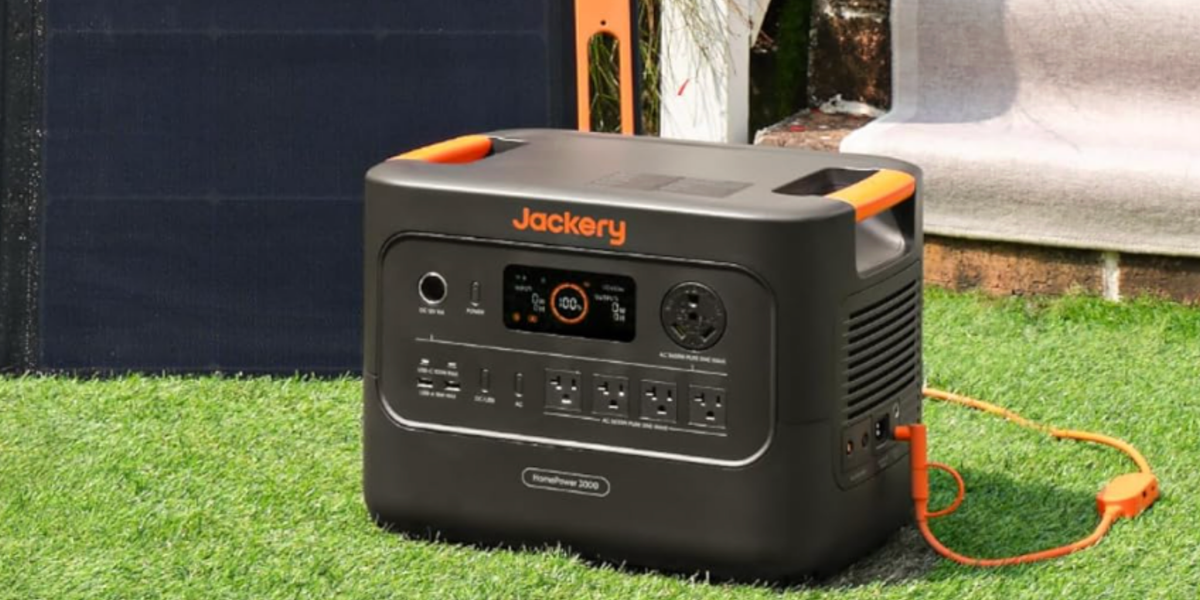
The Jackery HomePower 3000 stands out because it combines a large 3,072Wh battery capacity, 3,600W running output, 7,200W surge power, LiFePO4 battery chemistry, multiple AC and USB ports, and a portable design that still fits into the “two adults can move this without inventing new swear words” category. It is designed for essential home backup, camping, RV travel, job sites, and storm-prep situations where quiet, fuel-free power is a major advantage.
Why This Amazon Solar Generator Deal Is Getting Attention
Solar generators have moved from niche camping gear to mainstream home backup equipment. The reason is simple: weather-related outages, overloaded grids, remote work, and device-heavy homes have made backup power feel less like a luxury and more like a very practical insurance policy. Traditional gas generators still have their place, especially for long-duration, high-load situations, but they are noisy, require fuel, produce exhaust, and must never be operated indoors.
A portable power station like the Jackery HomePower 3000 solves a different problem. It stores electricity in a large battery, then delivers that power through outlets and USB ports. Pair it with compatible solar panels, and it can recharge from sunlight when conditions allow. That makes it especially attractive for people who want cleaner, quieter backup power for essentials such as a refrigerator, Wi-Fi router, lights, phones, laptops, fans, medical devices within rated limits, or small kitchen appliances.
The Amazon discount matters because high-capacity solar generators are not cheap. Larger battery systems can cost as much as a major home appliance. So when a top-tier model drops by hundreds of dollarsor around $1,400 during a major sale windowit becomes a much more compelling buy for homeowners who have been waiting for the right moment.
What Is the Jackery HomePower 3000?
The Jackery HomePower 3000 is a portable power station built for essential home backup. It is often described as a solar generator, although the most accurate description is “battery-powered portable power station that can recharge from solar panels.” The solar panels are usually sold separately or bundled in certain kits, so shoppers should check the exact Amazon listing before buying.
At the heart of the unit is a 3,072Wh LiFePO4 battery. In plain English, that means it has enough stored energy to run many common household essentials for hours and, in some cases, much longer depending on the load. It also has a 3,600W output rating and a 7,200W surge rating. That surge capacity is important because appliances with motors, such as refrigerators, often require a brief burst of extra power when they start.
Key Specs at a Glance
| Feature | Jackery HomePower 3000 Details |
|---|---|
| Battery capacity | 3,072Wh |
| Battery chemistry | LiFePO4 |
| Running output | Up to 3,600W |
| Surge output | Up to 7,200W |
| Weight | About 60 pounds |
| Best uses | Home backup, refrigerator support, Wi-Fi, lights, camping, RVs, job sites |
| Solar ready | Yes, with compatible solar panels |
Why LiFePO4 Battery Chemistry Is a Big Deal
One of the most important features of this solar generator is its LiFePO4 battery chemistry. LiFePO4, short for lithium iron phosphate, is widely valued in portable power stations because it is known for long cycle life, strong thermal stability, and dependable performance. In shopping terms, it is the difference between buying something that feels like a short-term gadget and buying something that feels like a long-term home-prep tool.
Battery cycle life matters because every rechargeable battery gradually loses capacity over time. A power station rated for thousands of cycles can remain useful for years when maintained correctly. For emergency backup, that is especially important. You do not want to pull your generator out of the closet during a storm and discover it has the energy level of a sleepy goldfish.
What Can a 3,072Wh Solar Generator Actually Run?
The phrase “3,072Wh” looks impressive, but what does it mean in daily life? Watt-hours measure stored energy. To estimate runtime, divide the battery capacity by the wattage of the device you want to run, then account for efficiency losses. Real-world results vary because appliances cycle on and off, surge at startup, or draw power differently depending on conditions.
For example, a refrigerator might average far less power over time than its peak startup draw. A Wi-Fi router may use only a small amount of power, while an electric kettle or microwave pulls much more. This is why a large power station can keep small electronics running for a very long time but may drain faster when powering heat-producing appliances.
Practical Examples
- Refrigerator: Useful for keeping food cold during outages, though runtime depends on fridge size, age, room temperature, and how often the door is opened.
- Wi-Fi router and modem: A small but important load for remote work, emergency updates, and keeping the household calm.
- Phones and laptops: Easy wins. A 3,072Wh battery can recharge personal electronics many times.
- LED lights: Low-power lights are ideal for battery backup because they provide high value while using little energy.
- Fans: Helpful during summer outages, especially when air conditioning is unavailable.
- CPAP machines or medical devices: Potentially useful, but users should confirm wattage, runtime needs, and manufacturer guidance before relying on any backup system.
Why a Solar Generator Beats a Gas Generator for Some Homes
Gas generators are powerful, familiar, and capable of running heavy loads when properly sized. But they also come with real responsibilities: fuel storage, oil changes, fumes, noise, outdoor-only operation, and careful placement far from doors, windows, and vents. Carbon monoxide risk is serious, which is why safety agencies repeatedly warn users never to operate fuel-burning generators indoors, in garages, or near openings to the home.
Battery-based solar generators do not burn gasoline while operating. That means no exhaust fumes, no carbon monoxide from operation, and far less noise. You can use a portable power station indoors as long as you follow the manufacturer’s instructions, keep it dry, avoid overloading it, and use compatible cords and accessories. For apartment dwellers, townhome owners, and anyone who cannot safely store fuel, that is a major advantage.
The tradeoff is capacity and recharge strategy. A gas generator can keep running as long as you have fuel and maintain it properly. A solar generator depends on battery capacity and recharge options. During a cloudy week, solar charging may be slow. For best results, many owners charge the unit from a wall outlet before storms, then use solar panels to extend runtime when sunlight is available.
Who Should Consider Buying This Jackery Deal?
This deal makes the most sense for people who want strong backup power without installing a permanent standby generator. It is also a smart fit for homeowners who want a portable system they can move between the house, garage, RV, campsite, or job site.
This Solar Generator Is a Good Fit If You:
- Want backup power for essential devices during outages.
- Need a quieter alternative to a gas generator.
- Prefer not to store gasoline, propane, or diesel.
- Want enough output for appliances with higher startup demands.
- Use power tools, camping gear, RV equipment, or outdoor electronics.
- Want a solar-ready system that can recharge off-grid with compatible panels.
You May Want a Different Setup If You:
- Need whole-home backup for central air conditioning and multiple major appliances.
- Expect multi-day outages with little sunlight and no wall-charging access.
- Need a lightweight power station you can carry one-handed.
- Want a permanent automatic backup system connected to your electrical panel.
How to Shop the Amazon Deal Without Getting Tricked by the Discount Sticker
Amazon deals can be exciting, but the final checkout page is where the truth lives. Before you click “Buy Now,” look carefully at the list price, sale price, coupon checkbox, shipping date, seller name, warranty information, return window, and whether solar panels are included. Some listings show the power station alone, while others include one or more solar panels. A lower price is not automatically better if the bundle is different.
Also check whether the discount requires a Prime membership, a limited-time coupon, or a promo code. During major shopping events, the best deals can appear and disappear quickly. If the price has changed since the headline was published, compare the current cost against the manufacturer’s direct price and other retailers before deciding.
Solar Panels: Do You Need Them?
You can use the Jackery HomePower 3000 without solar panels by charging it from a wall outlet. For many homeowners, that is enough for basic storm preparation. Charge it before severe weather, store it properly, and you have a large battery ready when the power goes out.
Solar panels become more valuable when outages last longer or when you use the generator away from grid power. With compatible panels, the power station can recharge from sunlight. This does not mean infinite electricity, because solar input depends on panel wattage, weather, shade, angle, and available daylight. Still, even partial solar charging can extend runtime and keep essential devices going.
If you plan to use solar regularly, pay attention to solar input limits, panel compatibility, connector type, and whether the panels are weather-resistant. Portable solar panels are convenient, but they still need proper placement. A shady backyard will not magically become a power plant just because you gave it a pep talk.
Safety Tips for Using a Portable Power Station
Battery power stations are easier and cleaner to use than fuel-burning generators, but they still deserve respect. Read the manual before first use. Keep the unit dry. Do not block ventilation openings. Avoid using damaged cords. Do not exceed the rated output. Store it in a temperature-controlled location when possible. Keep it away from direct rain, standing water, heaters, and flammable materials.
If you connect appliances, plug them directly into the unit or use properly rated extension cords. Never attempt unsafe backfeeding into a home electrical system. If you want to power circuits in your home, talk to a licensed electrician about transfer switches, interlock kits, and code-compliant options. Electricity is useful, but it is not a hobby where “probably fine” should be the operating principle.
How This Deal Compares With Smaller Solar Generators
Smaller portable power stations are great for phones, laptops, cameras, lights, and weekend camping. They are usually lighter, cheaper, and easier to carry. However, they may struggle with larger appliances or extended outages. A compact 300Wh or 500Wh unit can be very useful, but it is not in the same category as a 3,072Wh system.
The Jackery HomePower 3000 is closer to an essential home backup station than a casual camping battery. It is still portable, but at around 60 pounds, it is not something most people will casually toss into a backpack. Think of it as a serious backup appliance that can travel when needed.
Is Saving $1,400 Enough Reason to Buy?
A big discount is a good reason to pay attention, not an automatic reason to buy. The better question is whether this solar generator solves a real problem for your household. If you live in an area with frequent outages, work from home, store expensive groceries, rely on powered medical or comfort devices, camp often, or want a cleaner backup option, the value becomes much easier to justify.
If your power almost never goes out and you only need to charge a phone occasionally, a smaller power station may be more practical. But if you want a robust backup system that can handle meaningful household loads, this Amazon deal is one of the more compelling ways to get into the high-capacity category without paying full price.
Buying Checklist Before You Add to Cart
- Confirm the live Amazon price and coupon before checkout.
- Check whether the listing includes solar panels or only the power station.
- Compare the price with Jackery’s official store and other major retailers.
- Review the return policy and warranty details.
- Make a list of the devices you want to power and estimate their wattage.
- Do not exceed the rated output or use unsafe wiring setups.
- Charge the unit before storm season, not after the lights go out.
Real-World Experience: What It Feels Like to Own a Big Solar Generator
Owning a large solar generator changes the way you think about power outages. Before you have one, an outage feels like a countdown: How long until the fridge warms up? How long until the laptop dies? How long until everyone in the house starts wandering around holding dead phones like tiny rectangular tragedies? After you have one, the experience becomes less chaotic. You still respect the outage, but you are not immediately at its mercy.
The first thing you notice is the quiet. A gas generator announces itself to the neighborhood like a lawn mower with unresolved emotional issues. A battery power station hums softly, if at all. That makes a big difference at night, especially if you are powering a router, fan, lamp, or refrigerator while trying to sleep. There is no fuel smell, no pull cord, no frantic search for gas cans, and no debate about whether the generator is far enough away from the window.
The second thing you notice is how quickly your household develops a power hierarchy. Suddenly, everyone becomes very reasonable about electricity. The refrigerator is essential. The router is essential. A couple of lights? Absolutely. The gaming console? Nice try, Kyle. A large solar generator gives you flexibility, but it also teaches you to prioritize. During an outage, the goal is not to recreate normal life perfectly. The goal is to keep the important things running.
For many people, the best use is a simple emergency setup: refrigerator, internet equipment, phones, one or two lights, and maybe a fan. That combination can make an outage feel manageable instead of miserable. If you work from home, keeping the modem and laptop alive can be the difference between staying productive and explaining to your boss that your spreadsheet was defeated by weather.
Camping and RV use are also excellent scenarios. A high-capacity power station can run lights, charge cameras, support small appliances, and keep devices ready without the noise of a campground generator. It is also useful for backyard projects, outdoor movie nights, tailgating, and job sites where an outlet is inconvenient. Once you have portable power, you start finding excuses to use it. It is the same phenomenon as owning a pickup truck, except fewer friends ask you to help them move.
The main reality check is weight. Around 60 pounds is portable, but not featherweight. Built-in handles help, but this is still a piece of equipment you move intentionally. If you plan to take it camping, consider where it will ride in the vehicle and who will lift it. If you plan to use it at home, choose a storage spot that is dry, accessible, and close enough that you will not dread retrieving it during a storm.
Solar charging is satisfying, but it is not magic. Panels need good sunlight and proper positioning. Clouds, shade, winter sun angles, and short days all affect charging speed. The smartest approach is to treat solar as an extender, not your only plan. Charge the unit from the wall before bad weather, then use solar panels to stretch your backup time if the outage continues.
Maintenance is refreshingly simple compared with gas generators. You do not have oil changes, stale fuel, spark plugs, or carburetor drama. Still, you should check the battery level periodically, update firmware if the manufacturer recommends it, inspect cords and ports, and store the system within safe temperature ranges. A solar generator is low-maintenance, not no-maintenance.
The biggest emotional benefit is peace of mind. You may not use it every week, and that is fine. Like a fire extinguisher, first-aid kit, or emergency water supply, the value appears when normal systems fail. Saving $1,400 on a capable solar generator makes that peace of mind easier to justify, especially if you have been waiting for a serious discount on a serious backup-power tool.
Final Verdict: A Strong Deal for Serious Backup Power
The Jackery HomePower 3000 is not the cheapest portable power station on Amazon, and it is not meant to be. It is a large-capacity, solar-ready backup system designed for people who want meaningful power during outages, outdoor projects, camping trips, and emergency situations. With a steep Amazon discount that may save shoppers around $1,400, it becomes especially attractive for buyers who want premium backup power without paying full price.
The smartest shoppers will confirm the live price, check whether solar panels are included, compare retailer offers, and match the generator’s capacity to their actual needs. But if your goal is quiet, fuel-free, powerful backup for essential devices and appliances, this is one solar generator deal worth watching closely.