
Deadheading is one of those garden chores that feels so satisfyingsnip, toss, repeat, instant tidiness.
But late summer is when nature starts cashing the checks it’s been writing all season: seeds ripen, birds plan their fall menu,
beneficial insects look for winter lodging, and some plants start making next year’s flower buds.
Translation: if you keep deadheading certain plants like it’s your side hustle, you can accidentally erase food for wildlife,
reduce self-seeding, or even mess with next season’s blooms. And no, your garden won’t get an A+ for “neatness” in September
but it might get an A+ for being a tiny, thriving ecosystem. (Your neighbors can cope.)
Why “Stop Deadheading” Is a Late-Summer Power Move
In early and mid-summer, deadheading often encourages more flowers by stopping the plant from putting energy into seed production.
But as summer winds down, the equation changes. Leaving spent blooms can:
- Feed birds with seeds through fall and winter (hello, goldfinches).
- Support pollinators and beneficial insects that use stems and seedheads as shelter.
- Help plants self-sow so you get “free plants” next year (the best price).
- Protect buds and stems on plants that set next year’s flowers on existing growth.
- Add winter interestbecause a garden can be beautiful even when it’s wearing its “off-season hoodie.”
A Quick Rule of Thumb (So You Don’t Overthink Every Flower)
If a plant’s “spent” flowers turn into something usefulseeds, pods, hips, or protective structureconsider pausing deadheading
in late summer. You can still tidy lightly (remove disease, broken stems, or anything flopping into the walkway), but avoid the full haircut.
When in doubt, let the plant finish its end-of-season job.
Now, let’s get specific. Here are eight plants you’ll often be happier leaving alone until after summer ends.
The 8 Plants You Shouldn’t Deadhead Until After Summer Ends
1) Coneflowers (Echinacea)
Coneflowers are basically the buffet table of the fall garden. Their seedheads are beloved by birds (especially finches),
and the dried cones add texture that looks intentionaleven if you did nothing (which is the secret dream).
Why wait: Letting coneflowers go to seed supports birds and can lead to gentle self-seeding in the right spots.
What to do instead: If you must tidy, remove only the messiest stems and leave plenty of seedheads standing.
If you want to save seed, let the heads dry on the plant and collect when they’re crisp.
When to cut back: Late winter or early springafter birds have had their share and before new growth starts.
2) Sunflowers (Helianthus)
Sunflowers are not subtle. And when they’re done blooming, they become… not subtle bird feeders. Those big seedheads are packed with
high-energy food that can keep birds visiting long after your tomatoes have given up.
Why wait: Deadheading too early removes seedheads that wildlife rely on and stops you from harvesting seeds for yourself.
What to do instead: Stake tall stems if they’re leaning. If a head is heavy and drooping, you can cut it and hang it to dry
in a protected spotstill useful for seed, still useful for birds, and less likely to faceplant in a storm.
When to cut back: After seeds are harvested or picked clean by birdsoften well into fall or even winter in milder climates.
3) Poppies (Papaver spp.)
Poppies are the dramatic poets of the garden: glorious bloom, then… gone. But the real finale is the seed pod.
Those pods are how poppies self-sow and return year after year (often in the exact spot you didn’t planclassic poppy behavior).
Why wait: If you deadhead right after bloom, you remove the pods that produce next year’s plants.
What to do instead: Let pods form and dry on the plant. When they’re brown and feel dry, you can shake out seeds
for saving or let them naturally scatter. If you like a more “designed” look, snip pods once dry and store them in a paper bag.
When to cut back: After pods fully dry and release seed, or when the plant naturally declinesoften late summer into fall.
4) Hardy Begonias (Begonia grandis)
Hardy begonia is the shade-garden overachiever: late-season flowers, pretty foliage, and a habit of multiplying if it’s happy.
It can self-seed, and it can also form tiny bulblets (often called bulbils) that help it spread.
Why wait: Over-tidying late in the season can reduce self-propagation and disturb the plant’s natural “next year plan.”
What to do instead: Let the plant do its thing through late summer and into fall. Resist the urge to yank every fading stem.
If the plant looks messy, do a light cleanup at the edgesbut avoid stripping it down to bare soil too soon.
When to cut back: After frost knocks it back, or in spring once you can see what’s truly dead and what’s waking up.
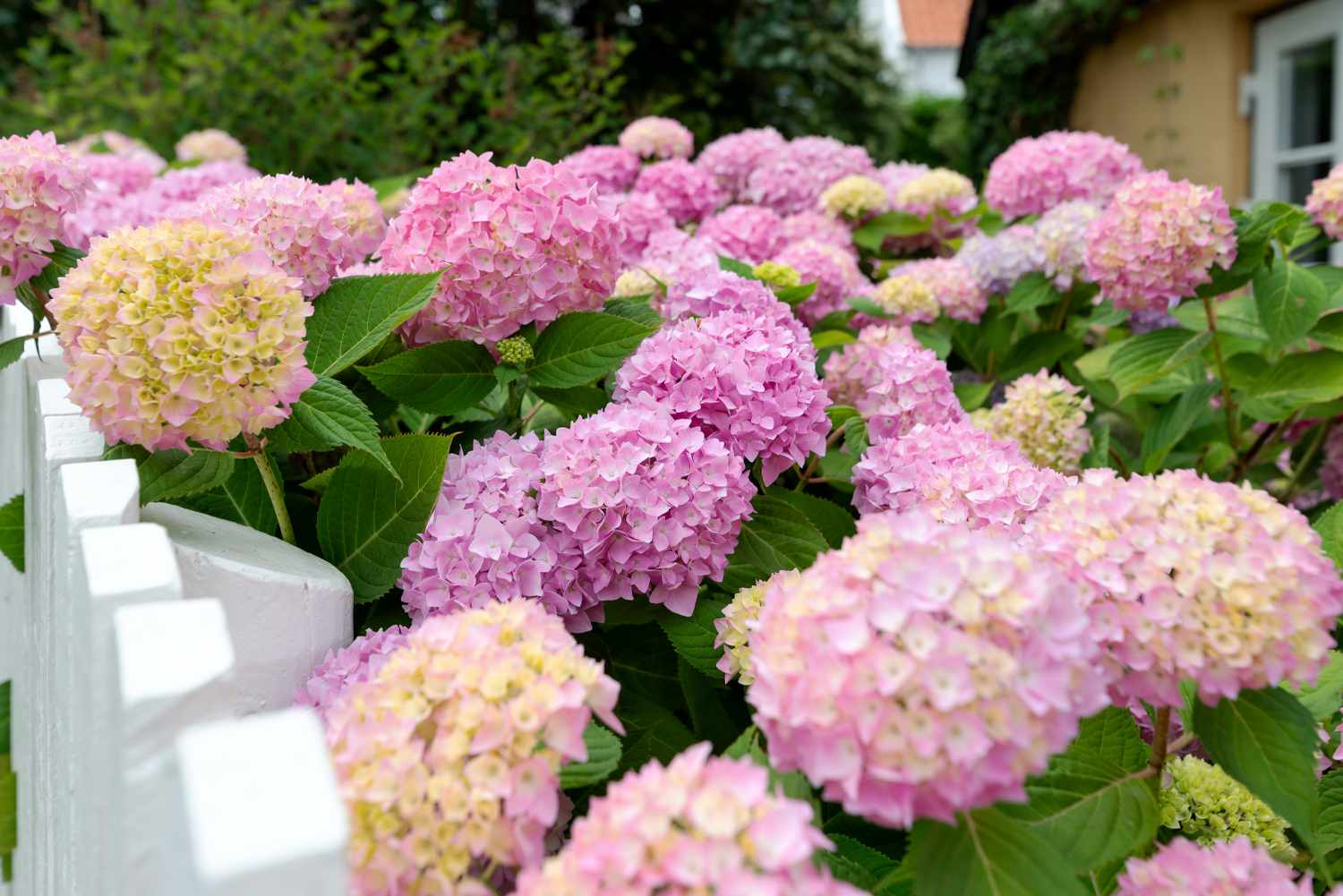
5) Hydrangeas (Especially Bigleaf and Oakleaf Types)
Hydrangeas are where timing matters mostbecause some hydrangeas form next year’s flower buds on existing wood.
Deadheading too late can accidentally remove buds you didn’t even know you were holding hostage.
Why wait: Leaving blooms in place can protect buds from cold and helps you avoid cutting off next season’s flowers.
What to do instead: In late summer, focus on plant health: consistent watering, mulch, and removing only broken or diseased stems.
If you love the look of dried hydrangea heads in winter, leave themthey can be surprisingly beautiful with frost.
When to cut back: Spring cleanup is safest for many types. If you deadhead at all, do it earlier in the season and
always cut above a set of healthy budsnever randomly “down to a nice shape” in late summer.
6) Ornamental Grasses
Ornamental grasses are the MVPs of winter textureespecially when everything else is looking like a forgotten salad mix.
Their seedheads and stems also provide shelter for insects and sometimes nesting material or cover for birds.
Why wait: Cutting back too early removes habitat and winter structure (and you miss out on that gorgeous movement in fall breezes).
What to do instead: Leave grasses standing. If they’re flopping, tie them loosely with twine into an upright bundle.
It’s like putting your grass in a ponytail: functional, not fancy, but it works.
When to cut back: Late winter to early springbefore new growth starts pushing from the base.
7) Lavender (Lavandula)
Lavender is the plant equivalent of a friend who’s great at parties but hates last-minute plans.
It likes pruning and shapingjust not too late in the season, when tender new growth won’t have time to harden off.
Why wait: Late-season pruning can encourage fresh growth that’s more vulnerable to cold damage, especially in cooler regions.
What to do instead: In late summer, you can lightly remove spent flower spikes if needed, but avoid heavy pruning.
Let the plant slow down naturally. If you’re harvesting lavender, do it earlierthen give the plant time to recover.
When to cut back: Major shaping is best earlier in the season or timed so the plant has weeks to recover before cold weather.
8) Sedum / Stonecrop (Hylotelephium, like ‘Autumn Joy’)
Sedum’s late-season flower clusters are basically built for the “don’t touch it” strategy.
As blooms fade, they turn coppery and structuralpretty in fall, gorgeous in winter, and surprisingly useful for wildlife.
Why wait: The dried flower heads add winter interest and can provide food and shelter value. Also: they look amazing with snow.
What to do instead: Leave flower heads intact through fall. If stems flop, you can stake or use discreet supports,
but avoid removing the display you’ll wish you had in January.
When to cut back: Early spring, before new growth appears, is a popular time to do the full cleanup.
Late-Summer Deadheading: Do This, Not That
- Do remove diseased foliage and dispose of it (trash, not compost, if disease is active).
- Do snip broken stems that could invite pests or rot.
- Do leave strong stems and seedheads on the plants listed above.
- Don’t shear or heavily prune late-season bloomers just to make them “look done.” They’re not donethey’re switching tasks.
- Don’t cut hydrangeas back late summer “to shape them” unless you’re 100% sure of the type and timing.
- Don’t assume tidy equals healthy. Sometimes tidy equals silent, empty, and bird-free.
How to Keep Things Looking Good Without Stealing Nature’s Snacks
If you want your garden to look intentional (not like you lost a bet), try a “selective messy” approach:
keep edges crisp, pathways clear, and focal areas lightly groomedwhile leaving seedheads and stems in the back beds,
naturalized corners, and wildlife strips. You get the aesthetics and the ecological benefits.
of Real-World Garden Experience (The Kind You Only Learn by Doing)
Gardeners talk a lot about timing, but the truth is you learn “when to stop deadheading” the same way you learn
not to touch a hot panby doing it wrong once and remembering forever. A classic example: you deadhead coneflowers
religiously in August, step back to admire your tidy work, and then notice something missing in September. No finches.
No chickadees darting in. The garden suddenly feels quieter, like the party ended early and someone took the snacks home.
The following year, you leave half the seedheads standing “just to see,” and it’s a completely different vibe:
goldfinches bouncing on stems like tiny trapeze artists, seedheads slowly getting picked clean, and the garden staying active
even after the last big flush of blooms.
Sunflowers teach a similar lesson, but with more drama. Those heads get heavy, storms roll in, and suddenly you’re out there
in flip-flops at 7 a.m. trying to prop up a leaning eight-foot sunflower like you’re working stage crew. The first time it happens,
you might be tempted to chop everything down. But once you’ve watched birds methodically harvest seeds for weeksand realized you can
clip a mature head and hang it to dry in a sheltered spotyou start seeing “messy” as “productive.”
Poppies are the sneakiest teachers. You deadhead them early because you assume that’s what you’re supposed to do.
Then next spring… nothing. Or worse: you get one lonely poppy in the least photogenic spot imaginable. The moment you let pods dry
on the plant and shake out seed where you actually want them, it feels like a garden magic trick you unlocked. The same goes for hardy begonia:
once you realize it’s trying to multiply, you stop cleaning up like you’re preparing for a garden inspection and start leaving room for
the plant to do its quiet, shade-loving expansion plan.
Hydrangeas tend to create the most “I regret everything” momentsusually because someone cuts off dried blooms late in the season,
then spends the next year wondering why the plant looks lush but refuses to flower. After that experience, many gardeners become
the world’s most cautious hydrangea hairstylists: they learn their variety, they stop late-season snipping, and they embrace the winter look.
Ornamental grasses and sedum bring the final lesson: winter interest is real. The first year you leave them standing and wake up to a frosty
morning where the seedheads sparkle, you realize the garden didn’t endit just changed outfits.
The biggest takeaway from all these experiences is simple: late summer isn’t the finish line. It’s the handoff.
Flowers hand off to seeds, pollinators hand off to birds, lush growth hand off to structure. When you stop deadheading at the right time,
you’re not “letting the garden go.” You’re letting it complete the season like it was designed toone seedhead, pod, and frosty silhouette at a time.
Conclusion
If your late-summer garden looks a little less manicured, congratulationsyou may be doing it right. By holding off on deadheading
coneflowers, sunflowers, poppies, hardy begonias, hydrangeas, ornamental grasses, lavender, and sedum, you’re giving wildlife food and shelter,
letting plants self-sow, and protecting next season’s performance. Save the big cleanup for winter or early spring. Your garden will thank you,
and the birds will write you a glowing review (in enthusiastic chirps).