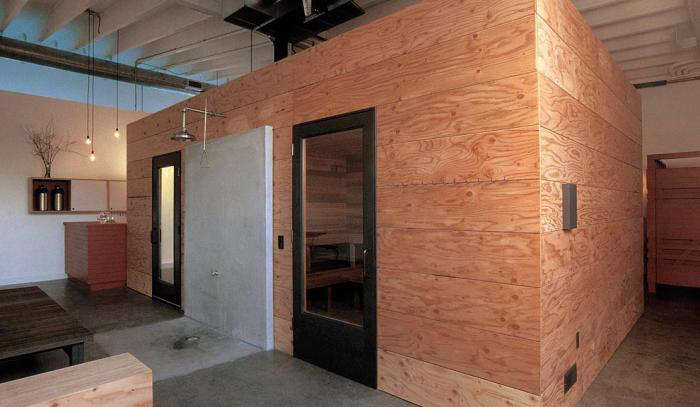

Portland has never been shy about borrowing a good idea, adding cedar, serving herbal tea, and making the whole thing feel effortlessly local. At Löyly, the city’s Finnish-inspired sauna retreat, that formula works beautifully. The experience combines traditional Nordic heat rituals with Pacific Northwest materials, minimalist interiors, botanical treatments, and the kind of deep quiet that makes your phone seem embarrassingly needy.
This is not a resort spa filled with marble columns, artificial waterfalls, and a soundtrack featuring one very determined pan flute. Löyly’s appeal is more restrained. It is warm wood, concrete underfoot, simple fixtures, fragrant steam, clean towels, and permission to stop accomplishing things for a while.
The result is a Finnish spa in Portland that feels culturally inspired without becoming a theme park. It honors the practical spirit of sauna bathing while translating the ritual for a modern American cityone rainy afternoon, hot stone, and cleansing shower at a time.
What Does “Löyly” Actually Mean?
The name tells you almost everything you need to know. Löyly is the Finnish term associated with the wave of heat and moisture created when water is poured over hot sauna stones. It can describe the steam itself, but it also carries a broader meaning: the atmosphere, sensation, and spirit of a satisfying sauna session.
That distinction matters. A Finnish sauna is not merely a wooden room set to “human casserole.” Its character changes as water meets the stones. The air becomes softer, fuller, and briefly more intense. Heat wraps around the body rather than simply blasting it from one direction.
In Finland, sauna bathing has traditionally been woven into ordinary life rather than reserved for luxury vacations. Saunas are found in homes, apartment buildings, workplaces, lakeside cabins, and public facilities. They function as places for bathing, relaxation, conversation, reflection, and social connection. The ritual is both practical and personal, which explains why Finns often discuss the quality of a sauna’s löyly as though describing the personality of a host.
A Ritual Built Around Heat, Cooling, and Rest
A classic sauna cycle is simple: warm up, cool down, rest, hydrate, and repeat as desired. Water may be poured over heated stones to create bursts of löyly. Between rounds, bathers leave the hot room, rinse off, breathe cooler air, or sit quietly until they are ready to return.
The important word is quietly. Traditional sauna culture is not a competitive endurance event. Nobody receives a medal for remaining inside until their eyebrows become theoretical. Comfort, awareness, and repetition matter more than proving that you can out-sweat a lumberjack.
How Finnish Sauna Culture Reached Portland
Löyly’s original Southeast Portland location was created by owner Jessica Kelso, whose interest in Scandinavian sauna traditions inspired a space that emphasized calm, functionality, and thoughtful design. Working with architect Brendon Farrell, Kelso developed an environment that was visually distinctive without becoming fussy.
The early interior combined polished concrete floors, red metal lockers, stainless-steel sinks, exposed lighting, compacted-plywood benches, circular mirrors, and cedar-lined heat rooms. An open-air rinse shower added a brisk transition between heat and relaxation. The materials were straightforward, durable, and slightly industrial, but never cold.
That original design captured an essential truth about Scandinavian-inspired interiors: minimalism works best when it does not feel like punishment. The space had clean lines, but it also offered wood grain, warm light, steam, botanical products, tea, and places to sit. It was restrained, not sterilean important difference unless your ideal spa resembles a highly organized dentist’s office.
Portland Was an Ideal Landing Place
Finnish sauna traditions and Portland culture make surprisingly compatible roommates. Both appreciate natural materials, practical craftsmanship, independent businesses, rainy weather, and spending an impressive amount of time discussing the correct treatment of wood.
Portland’s long, damp season also gives heat-based wellness an obvious appeal. On a gray afternoon, entering a cedar sauna feels less like an extravagant spa treatment and more like a sensible response to meteorology. The weather outside may be producing its ninth consecutive variation of drizzle, but inside, the air is fragrant, dry, and deeply warm.
The city’s wellness scene has expanded to include soaking pools, steam rooms, infrared saunas, cold plunges, massage studios, and communal bathhouses. Within that landscape, Löyly has remained distinctive because its atmosphere is intentionally small-scale and quiet. Timed visits help preserve a sense of space rather than turning the sauna into a crowded locker room with better branding.
The Design Language of a Portland Finnish Spa
Good spa design does more than look attractive in photographs. It guides the body from one state to another. The entrance should lower the volume of the outside world. The changing area should feel easy to navigate. The sauna should be intimate without feeling cramped. The lounge should encourage actual rest rather than urgent consideration of whether you are resting correctly.
Wood Provides Warmth Without Decoration
Wood is the natural star of a Finnish-style sauna. Cedar and other heat-tolerant species create comfortable surfaces while adding a subtle forest aroma. The grain provides visual richness, eliminating the need for decorative clutter. In a well-designed sauna, the benches, walls, and ceiling become the decoration.
This approach fits Portland’s affection for honest materials. The city tends to prefer spaces where you can identify what things are made from. Wood looks like wood. Concrete looks like concrete. Metal lockers are allowed to look like metal lockers instead of pretending they were discovered in the dressing room of a French countess.
Concrete and Steel Keep the Space Grounded
Concrete flooring and stainless fixtures balance the softness of cedar. They also make sense in a wet environment, where durability and cleanliness matter more than precious finishes. The visual contrast gives the spa its modern edge: warm wood against cool gray surfaces, soft robes beside industrial sinks, and drifting steam beneath exposed lights.
The design is memorable because it avoids decorative overstatement. There is no need for an artificial birch forest in the lobby or a mural of the northern lights painted across the ceiling. The atmosphere comes from proportion, texture, temperature, and light.
Small Details Support the Ritual
Robes, towels, showers, lockers, reading material, tea, skincare products, and lounge seating may sound like supporting actors, but together they shape the experience. A guest should not need to spend the first 20 minutes solving logistical puzzles while wearing sandals.
Löyly’s current facilities continue to center the sauna ritual while offering private showers, locker rooms, lounge areas, robes, towels, cleansing tea, botanical products, and treatment add-ons. The business operates two Portland locations and offers timed sauna experiences along with private rentals, massage, facials, foot treatments, aromatherapy, whisking, meditation, and guided sauna rituals.
What Happens During a Finnish-Style Sauna Visit?
For first-time guests, the process is refreshingly uncomplicated. Check in, change, shower, enter the sauna, and stay only as long as the heat feels comfortable. Afterward, step out, cool down, drink water, and rest. Repeat the cycle if your body responds well.
Beginners may prefer a lower bench, where the temperature generally feels gentler. Hot air rises, meaning upper benches offer a more intense experience. This is useful knowledge when you enter confidently, climb directly to the top, and discover that confidence is not an effective cooling system.
The Moment Water Meets the Stones
The most distinctive moment arrives when water is added to hot rocks. The resulting löyly moves through the room in a warm wave. Skin prickles, breathing becomes more deliberate, and everyone suddenly becomes very interested in sitting still.
The steam surge is temporary, but it changes the rhythm of the session. Instead of experiencing unchanging dry heat, bathers feel alternating periods of intensity and calm. This makes the sauna feel interactive. The heat is not merely switched on; it is shaped through ritual.
Cooling Down Is Part of the Experience
Leaving the sauna is not the end of the session. It is the beginning of the cooling phase. A shower, a cooler room, fresh air, or a period of quiet rest allows the body to settle. Some Nordic traditions pair sauna heat with cold-water immersion, but extreme temperature changes are not mandatory.
Anyone experimenting with cold exposure should proceed carefully. Sudden immersion can rapidly affect breathing, heart rate, and blood pressure. A cool rinse can provide plenty of contrast without requiring you to reenact an Arctic survival documentary.
Wellness Benefits Without the Miracle Claims
Sauna bathing is commonly associated with relaxation, temporary relief of muscle tension, improved feelings of well-being, and cardiovascular responses similar to mild or moderate physical activity. Heat widens blood vessels, increases circulation, raises the heart rate, and encourages sweating.
Long-term observational research has found associations between frequent Finnish sauna bathing and certain cardiovascular benefits. However, association does not automatically prove that sauna use causes longer life or prevents disease. People who use saunas regularly may also share other habits that influence their health.
The most reliable benefit is also the least dramatic: a sauna can create structured time for physical and mental decompression. It removes daily distractions, relaxes tense muscles, and encourages slower breathing. No miracle vocabulary is required.
Sauna Safety Still Matters
High heat can lead to dehydration, dizziness, headaches, overheating, or changes in blood pressure. Drink water before and after a session, avoid mixing sauna use with alcohol, and leave immediately if you feel faint, nauseated, confused, or unwell.
People with cardiovascular conditions, unstable blood pressure, kidney disease, heat sensitivity, pregnancy-related concerns, or medications that affect hydration should speak with a qualified healthcare professional before using a sauna. A spa visit should leave you restorednot provide an exciting opportunity to meet emergency personnel.
Traditional Treatments With a Portland Twist
Sauna bathing may be the foundation, but Löyly builds a broader wellness experience around it. Massage and facial services extend the sense of relaxation, while foot soaks, salt scrubs, cleansing teas, botanical oils, and skincare treatments add tactile and aromatic layers.
Birch and Oak Whisking
One of the more distinctive offerings is whisking, a traditional treatment using bundles of leafy branches, often called a vihta in Finnish sauna culture. The branches may be brushed, tapped, or gently pressed against the skin while their natural fragrance fills the warm air.
To the uninitiated, being softly swatted with foliage may sound like losing an argument with a shrub. In practice, the rhythmic movement, earthy aroma, and warmth can feel grounding and meditative. It connects the indoor sauna to the forested landscapes that have historically shaped Nordic bathing traditions.
Massage, Facials, and Foot Treatments
Massage services can complement the effects of heat by focusing on muscles that have already begun to relax. Holistic facials and botanical skincare treatments shift the experience toward gentle restoration rather than aggressive beauty procedures. Foot treatments involving aromatic soaking, exfoliation, and lower-leg massage are particularly well suited to guests who spend their weekdays standing, walking, running, or pretending that uncomfortable shoes will eventually become comfortable.
Why the Concept Still Feels Fresh
Modern wellness can become complicated very quickly. There are apps to track recovery, rings to score sleep, watches to measure stress, and devices that notify you when you have failed to relax efficiently. The Finnish sauna offers a useful counterpoint: enter a warm room, breathe, cool down, and repeat.
Löyly succeeds because it does not bury that simple ritual beneath unnecessary spectacle. Its Portland identity comes through in the materials, botanical products, independent-business atmosphere, and relaxed approach to luxury. The Finnish influence appears through heat, steam, quiet, wood, and repetition.
This balance prevents the spa from feeling imported or artificial. It is not Finland reproduced in Oregon. It is a Portland interpretation of a Finnish ideaadapted to local neighborhoods, local weather, and local expectations about design.
Experiencing a Finnish Spa by Way of Portland
A visit begins before the sauna door opens. The transition from a Portland street into a warm, restrained interior immediately changes the pace of the day. Traffic noise fades. The damp chill trapped in your jacket becomes less relevant. You receive a robe and towel, place your belongings in a locker, and realize that nobody inside is urgently checking email.
After showering, you enter the sauna and choose a place on the wooden bench. The room is hot but calm. Cedar releases a clean, resinous fragrance. Conversation, when it occurs, stays low. The lighting is gentle enough that you stop examining the room and start noticing your breathing.
The first few minutes can feel busy internally. Your mind may present a cheerful parade of unfinished tasks: the message you forgot to answer, the groceries you need, the mysterious light on your car dashboard. Heat has not yet made you peaceful; it has simply removed your distractions and left you alone with your brain, which may initially behave like a raccoon in a kitchen.
Then the rhythm changes. Your shoulders drop. Muscles that had been quietly bracing against cold weather begin to soften. When water touches the sauna stones, the air rises around you in a warm pulse. The sensation is immediate and enveloping. For several seconds, breathing demands your full attention, which is surprisingly effective at silencing thoughts about laundry.
You step out before the heat becomes uncomfortable and take a cool shower. The temperature contrast sharpens every sensation: water on the skin, concrete beneath the feet, air moving through the relaxation area. Wrapped again in a robe, you sit with tea and allow your heart rate to settle.
The second round feels different. You know what to expect, so there is less negotiation with the heat. You may sit lower, stay for a shorter period, or simply listen to the faint crackle and hiss around the stones. Sauna bathing becomes less about enduring temperature and more about observing change.
Adding a treatment creates another transition. A massage after sauna time can feel especially soothing because the body is already warm and relaxed. A botanical facial introduces cool compresses, gentle aromas, and slower touch. A foot soak brings attention to a part of the body that typically receives notice only after stepping on a toy or discovering a blister.
A whisking ritual offers a more unusual sensory memory. Fragrant birch or oak leaves move through the warm air, creating soft sounds and releasing an outdoorsy scent. The treatment feels rustic, but not primitive. It is a reminder that wellness rituals existed long before glowing control panels and subscription-based mindfulness platforms.
By the final cooling period, time feels less rigid. Two hours can pass without the usual digital markers, meetings, alerts, and countdowns. You are not transformed into a new person. Your inbox still exists. Your taxes remain tragically uncompleted. Yet the nervous system feels quieter, the body feels lighter, and the city outside seems less demanding.
Stepping back into Portland completes the experience. The cooler air feels vivid against warm skin. Rain may be falling, cyclists may be passing, and somebody nearby is almost certainly carrying an artisanal beverage in a reusable container. The spa has not transported you to Helsinki, nor has it tried to. Instead, it has made the Pacific Northwest feel briefly more Nordicand ordinary life feel considerably more manageable.
Planning a Comfortable Visit
Arrive Hydrated
Drink water before your appointment and continue hydrating afterward. Avoid arriving immediately after heavy alcohol consumption, an exhausting workout, or anything else that has already left you dehydrated.
Start Conservatively
Spend only a few minutes inside during your first round. Choose a lower bench and leave when your body signals that it has had enough. Sauna culture values awareness, not heroic suffering.
Protect the Quiet
Keep conversations gentle, silence electronic devices, and respect other guests’ space. A communal sauna is shared, but it is not a networking mixer with towels.
Allow Time to Cool Down
Do not schedule your departure so tightly that you must sprint from the sauna into a meeting. Resting afterward is part of the ritual, not an optional bonus for people who remembered to leave room in their calendars.
Conclusion: Nordic Heat With a Pacific Northwest Soul
A Finnish spa by way of Portland works because the two cultures meet on common ground. Both value wood, nature, craftsmanship, functional design, and comfort that does not need to advertise itself with gold trim.
Löyly translates Finnish sauna culture into a distinctly Portland experience. The hot stones and steam provide the ritual. Cedar, concrete, botanical treatments, and neighborhood locations provide the local character. Together, they create a restorative environment that feels sophisticated but approachable.
The greatest luxury is not the robe, facial, or aromatic foot soak. It is the chance to become temporarily unavailableto sit in a hot room, listen to water strike stone, and remember that doing absolutely nothing can sometimes be the most productive decision of the day.