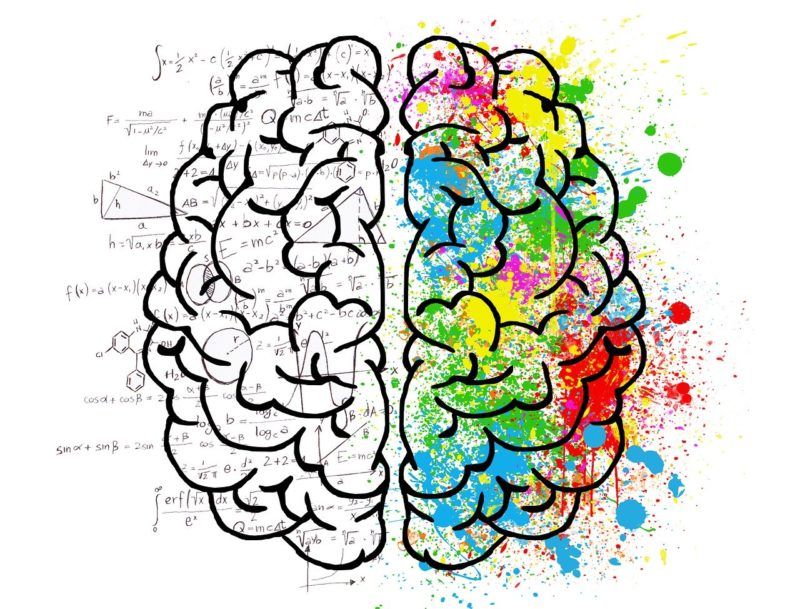

What if your brain was not a mysterious black box, a stubborn roommate, or a slightly dramatic Wi-Fi routerbut an organ you could understand, protect, and train? That is the big, brain-shaped idea behind Dr. Daniel Amen’s work. A psychiatrist, author, and founder of Amen Clinics, Dr. Amen has spent decades popularizing a simple but powerful message: mental health is brain health.
This article revisits the themes behind Re-Build Your Brain: An Interview with Dr. Daniel Amen in a fresh, reader-friendly format. It explores Amen’s central arguments, where his ideas overlap with mainstream science, and where his approachespecially the use of SPECT brain imaging in psychiatryremains debated. Think of it as a guided conversation, minus the awkward chair in the waiting room and the clipboard with 48 questions about your childhood.
The main takeaway is hopeful: while we cannot control every gene, diagnosis, or stressful Tuesday, the brain is not frozen in place. Through neuroplasticity, lifestyle choices, emotional skills, medical care, and better daily habits, people can often improve how they think, feel, focus, sleep, and relate to others.
Who Is Dr. Daniel Amen?
Dr. Daniel G. Amen is an American psychiatrist best known for connecting mental health conversations with brain health education. He is the founder of Amen Clinics, a network that promotes an imaging-informed approach to psychiatric evaluation, and he has written widely read books such as Change Your Brain, Change Your Life and The End of Mental Illness. His public message is memorable because it reframes common strugglesanxiety, impulsivity, depression, addiction, anger, memory problemsnot as moral failures but as problems involving the brain.
That idea matters. When people hear “mental illness,” they often imagine weakness, lack of discipline, or something shameful. Amen’s framing says: wait a minute, the brain is an organ. If the heart can have rhythm problems and the pancreas can have insulin problems, the brain can have regulation problems. This does not remove personal responsibility, but it does reduce blame. And reducing blame is not just polite; it can help people seek care earlier.
The Core Message: Your Brain Can Change
The phrase “re-build your brain” sounds dramatic, as if you are heading into a garage with a wrench, a smoothie, and a motivational playlist. But the science-adjacent idea underneath it is real: the brain can adapt. Neuroplasticity refers to the brain’s ability to reorganize connections, strengthen pathways, weaken unused patterns, and respond to learning, recovery, and experience.
Dr. Amen often emphasizes that people are not permanently stuck with the brain patterns they have today. This does not mean every condition can be solved with blueberries and a brisk walk. Serious mental health conditions deserve professional treatment. But it does mean habits matter. Sleep, nutrition, movement, trauma recovery, learning, social connection, medication when appropriate, and therapy can all influence brain function.
An Interview-Style Look at Amen’s Brain Health Philosophy
Q: Why does Dr. Amen say mental health should be treated as brain health?
The traditional mental health model often starts with symptoms: sadness, panic, poor attention, irritability, compulsive behavior, or memory decline. Amen argues that symptoms are important, but they are not the whole story. In his view, clinicians should ask what is happening in the brain and body that may be driving those symptoms.
This approach can feel validating. A person with depression is not “lazy.” A child with attention problems is not automatically “bad.” A person with addiction is not simply “making poor choices.” The brain’s circuits for reward, judgment, impulse control, mood, and memory may be under stress. Once the problem is viewed as biological as well as psychological, the conversation becomes more practical: What can we measure? What can we change? What habits are hurting? What treatments are helping?
Q: What are ANTs, and why do they matter?
One of Amen’s most popular concepts is ANTs, short for Automatic Negative Thoughts. These are the quick, sneaky thoughts that crawl into the mind and start redecorating the place without permission. Examples include “I always mess things up,” “Nobody cares,” “I’ll never get better,” or “One mistake means everything is ruined.”
ANTs matter because thoughts are not harmless background noise. They influence emotion, stress chemistry, behavior, relationships, and decision-making. If a person repeatedly believes every negative thought, the brain rehearses fear, shame, anger, or hopelessness. Challenging those thoughts is not about pretending life is perfect. It is about asking, “Is this true? Is it completely true? Is there another explanation?”
A practical example: after forgetting a work deadline, an ANT says, “I’m incompetent.” A more accurate thought says, “I missed one deadline. I need a better reminder system.” The first thought attacks identity. The second solves a problem. The brain loves repetition, so the more often you practice realistic thinking, the easier it becomes to find the healthier route.
Q: What role does SPECT imaging play in Amen’s work?
SPECT stands for single-photon emission computed tomography. In general medical use, SPECT imaging can show blood flow and activity patterns in the body, including the brain. Amen Clinics promotes brain SPECT as one tool in a broader evaluation process, arguing that it helps clinicians see patterns that may relate to attention, mood, trauma, addiction, or cognitive problems.
This is also where the conversation becomes more complicated. Many mainstream psychiatric and scientific organizations have been cautious about using brain imaging to diagnose individual psychiatric disorders. Brain scans are valuable in medicine and research, but the evidence for using SPECT as a routine diagnostic tool for conditions such as depression, ADHD, or anxiety remains disputed. In plain English: seeing the brain is fascinating, but interpreting what those patterns mean for a specific person is not as simple as reading a weather map.
A balanced view is best. Amen’s broader messageprotect your brain, treat mental illness with less shame, improve lifestyle habits, and search for root causesoverlaps with many accepted health principles. His heavy emphasis on SPECT imaging, however, is controversial. Readers should talk with licensed medical professionals and seek evidence-based care before making major diagnostic or treatment decisions.
What Does “Re-Building Your Brain” Actually Look Like?
Rebuilding your brain does not require moving to a mountain, becoming a monk, or buying a refrigerator full of mysterious green powders. For most people, it starts with repeated daily choices that support blood flow, reduce inflammation, stabilize mood, and improve cognitive resilience.
1. Protect Blood Flow Like It Is Brain Fuel
The brain depends on healthy circulation. Poor blood flow can affect concentration, memory, mood, and energy. Exercise is one of the most reliable ways to support circulation. Brisk walking, cycling, swimming, strength training, dancing in your kitchen, or chasing your dog after it steals a sock all count as movement, although the dog may not respect your fitness goals.
A simple target for many adults is 150 minutes of moderate aerobic activity per week, spread across several days. The goal is not to become an Olympic athlete. The goal is to remind your brain that the body is still open for business.
2. Sleep Like Your Brain Has a Night Shift
Sleep is not laziness wearing pajamas. It is maintenance. During sleep, the brain supports memory consolidation, emotional regulation, immune function, and waste-clearing processes. Poor sleep can make anxiety louder, cravings stronger, patience shorter, and focus wobblier than a shopping cart with one bad wheel.
Adults generally benefit from seven to nine hours of sleep per night. Helpful basics include a consistent bedtime, morning light exposure, less caffeine late in the day, a cooler bedroom, and reducing screen stimulation before bed. If snoring, gasping, or extreme daytime fatigue is present, a medical evaluation for sleep apnea may be important.
3. Feed the Brain, Not Just the Mood Monster
Food affects the brain because food affects blood sugar, inflammation, energy, gut health, and vascular health. Brain-friendly eating patterns usually emphasize vegetables, berries, beans, nuts, fish, olive oil, whole grains, and lean proteins while limiting ultra-processed foods, excess sugar, and heavy alcohol intake.
The MIND and Mediterranean-style diets are often discussed in brain health because they support cardiovascular health and may help protect cognitive function over time. This does not mean one cookie destroys your hippocampus. It means your everyday pattern matters more than your occasional dessert. The brain is forgiving, but it does appreciate consistency.
4. Challenge Negative Thoughts
Rebuilding the brain also means changing mental habits. Automatic negative thoughts can become emotional shortcuts. The more often a person travels those shortcuts, the more familiar they feel. Cognitive behavioral therapy, journaling, mindfulness, and self-questioning can help interrupt these patterns.
Try this three-question method: What am I thinking? Is it accurate? What is a more useful thought? For example, “I failed at this” can become “This attempt did not work, and I can adjust the strategy.” That small shift may not sound heroic, but it changes the brain from courtroom mode to workshop mode.
5. Treat Trauma and Stress Seriously
Chronic stress is not just “being busy.” It can change sleep, appetite, attention, immune function, and emotional reactivity. Trauma can train the brain to stay on alert long after danger has passed. Amen’s work often highlights the importance of asking what happened to the brain and body, not merely what symptoms appear on the surface.
Evidence-based trauma care may include trauma-focused therapy, EMDR, cognitive processing therapy, somatic approaches, medication, support groups, and safe relationships. The right path depends on the person. Healing is not a straight line; it is more like a hiking trail designed by a committee.
6. Keep Learning New Things
The brain likes novelty. Learning a language, playing music, taking a class, practicing a new recipe, reading challenging books, or learning a skill can stimulate cognitive flexibility. Brain games can be fun, but real-world learning often provides richer benefits because it combines attention, memory, emotion, problem-solving, and sometimes social interaction.
Do not worry about being bad at first. Being bad at something new is not failure; it is your brain filing construction permits.
7. Stay Connected
Social connection is brain exercise disguised as conversation. Meaningful relationships can reduce stress, improve mood, support healthy routines, and challenge the brain to listen, respond, remember, empathize, and laugh. Isolation, by contrast, can worsen depression and cognitive decline risk.
Connection does not require a huge social circle. A weekly call, a walking buddy, a volunteer group, a class, or a neighborly chat can help. The brain is social equipment; it does not thrive when stored in a basement.
Where Amen’s Message Is Most Useful
Dr. Amen’s greatest contribution may be motivational: he makes people care about their brains. Many people obsess over skin, abs, hair, phones, cars, and kitchen counters while ignoring the three-pound organ making every decision. Amen’s message flips the priority list. If your brain works better, your choices tend to improve. Better choices then support a better brain. That loop can be powerful.
His language is also accessible. Instead of burying readers under academic vocabulary, he uses memorable phrases like “love your brain” and “kill the ANTs.” That style may make neuroscientists reach for a red pen, but it helps everyday readers remember the point. And in health education, remembered advice is often more useful than perfect advice nobody follows.
Where Readers Should Be Careful
A hopeful message should not become a magic promise. Brain health habits can support mental wellness, but they are not replacements for professional diagnosis, therapy, medication, emergency care, or medical treatment when those are needed. Depression, bipolar disorder, psychosis, PTSD, addiction, ADHD, dementia, and traumatic brain injury require thoughtful care from qualified professionals.
Readers should also be cautious about any claim that a scan, supplement, diet, or program can neatly explain every emotional struggle. The brain is complex. Mental health is shaped by biology, relationships, trauma, sleep, hormones, environment, culture, genetics, and access to care. Anyone selling one master key to every lock should be asked to show the key, the lock, and preferably a refund policy.
A Practical Brain Re-Build Plan
Week 1: Notice Your Patterns
Track sleep, mood, movement, food, screen time, and negative thoughts for seven days. Do not judge the data. Just collect it. You are becoming the friendly detective of your own nervous system.
Week 2: Add Movement
Walk 20 minutes a day or complete three short exercise sessions per week. Start smaller if needed. The best workout is the one you will actually repeat.
Week 3: Upgrade Sleep
Pick one sleep habit: same wake time, less late caffeine, no phone in bed, or a wind-down routine. Protect it like an appointment with your future self.
Week 4: Challenge ANTs
Write down one automatic negative thought per day and answer it with a more accurate thought. This trains the brain to pause before believing every mental headline.
Week 5: Feed and Connect
Add one brain-friendly meal and one meaningful social interaction each day. A salad with salmon and a phone call with a friend may not look dramatic, but your brain is quietly applauding.
Experiences Related to Re-Building Your Brain
People often imagine brain change as a grand transformation: one inspirational podcast, one perfect morning routine, and suddenly the mind becomes a luxury electric vehicle with heated seats. Real life is usually less glamorous. Brain rebuilding often begins when someone notices that their current habits are not working. Maybe they wake up tired, scroll before breakfast, survive on coffee until noon, forget why they walked into rooms, snap at people they love, and then wonder why their brain feels like a browser with 47 tabs open.
One relatable experience is the “sleep experiment.” A person who believes they are simply anxious may discover that their anxiety becomes far more manageable after two weeks of consistent sleep. Not gone, not magically vaporized, but quieter. The body stops living like it is being chased by invisible wolves. Focus improves. Cravings calm down. The person realizes the problem was not only personality or willpower. Their brain had been under-rested and over-caffeinated, which is basically asking a squirrel to run city hall.
Another common experience involves exercise. Many people start moving because they want to lose weight, but the first benefit they notice is mental. A daily walk becomes a reset button. The rhythm of footsteps helps organize thoughts. Sunlight wakes the body. Blood flow improves. Stress hormones settle. After a month, the person may still have bills, deadlines, and that one email they are avoiding, but they also have more emotional space. The brain feels less trapped.
Then there is the experience of challenging negative thoughts. At first, it can feel silly. Writing down “I am a failure” and replacing it with “I made a mistake and can repair it” may seem too simple. But repetition changes the emotional atmosphere. The person starts catching the thought earlier. Instead of spiraling for three hours, they pause after three minutes. That is not small. That is a neural victory parade, even if nobody brings confetti.
Food changes can also create surprising awareness. Someone may not realize that skipping breakfast, eating a sugary lunch, and crashing at 3 p.m. is affecting mood and concentration. When they add protein, fiber, healthy fats, and more whole foods, their energy becomes steadier. The brain likes steady fuel. It is not impressed by the “donut and panic” productivity method, even if corporate culture occasionally pretends otherwise.
Social connection may be the most underestimated part of brain rebuilding. A lonely person may try supplements, apps, and productivity systems while missing the basic human need for safe connection. One honest conversation can regulate the nervous system more than another hour of doom-scrolling. A weekly coffee with a friend, a support group, a faith community, a hobby club, or volunteering can remind the brain, “I belong somewhere.” That message is medicine of a different kind.
The most encouraging experience is realizing that brain health is not about perfection. People will miss workouts, sleep badly, eat fries, believe an ANT, and forget their meditation streak. Fine. The brain does not require a flawless owner. It responds to patterns. Every healthier choice is a vote for a more resilient mind. Re-building your brain is not a one-time renovation. It is daily maintenance, gentle curiosity, and the decision to stop treating your brain like an afterthought.
Conclusion: A Better Brain Is a Better Starting Point
Re-Build Your Brain: An Interview with Dr. Daniel Amen is ultimately about hope with homework. Amen’s message is not that life becomes easy once you care about your brain. It is that caring for the brain gives you a better chance to handle life with clarity, patience, energy, and purpose.
The strongest version of this message is balanced. Yes, the brain can change. Yes, lifestyle matters. Yes, negative thoughts can be challenged. Yes, sleep, exercise, nutrition, learning, and connection support mental wellness. And yes, serious symptoms deserve serious professional care. Hope works best when it is paired with evidence, humility, and action.
Your brain is involved in every conversation, decision, memory, habit, dream, and relationship you have. Treating it well is not self-indulgent. It is practical. After all, you live in your brain all day. You might as well make the neighborhood nicer.
Note
This article is for educational publishing purposes only and is not medical advice. Readers with mental health symptoms, neurological concerns, medication questions, or thoughts of self-harm should contact a licensed healthcare professional or emergency service in their area.