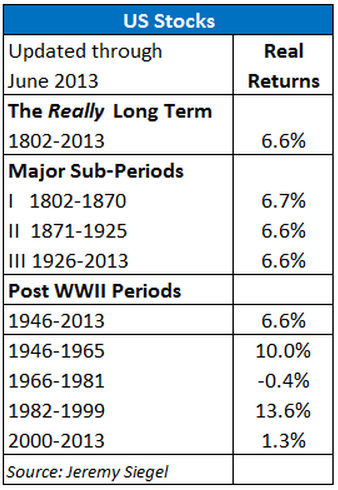

A sideways market is the investing world’s version of being stuck in traffic: the engine is running, everyone is staring ahead, and yet nobody seems to be going anywhere. Prices rise a little, fall a little, tease investors with a breakout, then drift right back into the same old range. For patient investors, this can feel boring. For impatient investors, it can feel like a personal insult from the stock market.
But a sideways market is not a “do nothing” market. It is a market where strategy matters more than excitement, discipline matters more than prediction, and income can matter just as much as capital gains. When stocks are not charging upward like a caffeinated bull, investors need to think differently about asset allocation, diversification, dividends, bonds, cash reserves, valuation, and risk management.
This guide explains how to invest in a sideways market without panic, overtrading, or pretending that every small rally is the beginning of a new golden age. We will look at practical strategies, common mistakes, examples, and real-world lessons that can help investors surviveand possibly thrivewhen the market decides to walk sideways instead of climbing a mountain.
What Is a Sideways Market?
A sideways market, also called a range-bound market, happens when prices move within a relatively narrow band for an extended period. The market may bounce between support and resistance levels, but it does not make a clear long-term move higher or lower. Investors see plenty of motion, but not much progress.
For example, imagine a broad stock index moving between 4,800 and 5,200 for several months. It rallies near the top of the range, investors get excited, headlines start using words like “breakout,” and then prices slide back down. Later, the market drops near the bottom of the range, pessimism returns, and then prices rebound again. The result is emotional whiplash with a side of chart-watching fatigue.
Sideways markets often appear during periods of uncertainty. Interest rates may be unclear, inflation may be stubborn, corporate earnings may be mixed, or investors may be waiting for the economy to choose a direction. The market is not necessarily crashing, but it is also not confidently advancing.
Why Sideways Markets Are Frustrating for Investors
Sideways markets test investor patience because the usual “buy and watch it go up” story does not work neatly. Growth stocks may stall. Index funds may show little progress. Momentum strategies may produce false signals. Investors who check their portfolios too often may feel like they are watching a treadmill with a brokerage account attached.
The biggest challenge is psychological. A sideways market creates the illusion that something must be done immediately. Investors may jump from one strategy to another, sell quality assets too early, chase short-term breakouts, or abandon a well-built portfolio simply because it has been quiet for a while. Quiet, however, is not the same as broken.
In many cases, a sideways market is a consolidation period. Prices digest previous gains, valuations reset, earnings catch up, and investor expectations cool down. The market may be boring, but boring can be useful. Not every season of investing comes with fireworks. Sometimes the best investing work happens during the dull chapters.
Start With Asset Allocation, Not Predictions
The first rule of investing in a sideways market is simple: do not build your entire strategy around guessing the next big move. Market predictions are entertaining, but so are magic tricks, and neither should be the foundation of your retirement plan.
Asset allocation means dividing your portfolio among stocks, bonds, cash, and possibly other assets based on your goals, time horizon, and risk tolerance. In a sideways market, the right allocation can help reduce emotional decision-making. If you already know how much risk you are willing to take, you are less likely to panic when prices bounce around without direction.
A younger investor with decades before retirement may continue investing steadily in diversified stock funds, even if the market feels flat. A retiree may need more focus on income, capital preservation, and cash reserves. A business owner with unpredictable income may want extra liquidity. The correct portfolio is not the one that wins every month. It is the one you can stick with when the market becomes annoying.
Diversification Becomes More Important
In a strong bull market, diversification can feel unnecessary because the hottest sector seems to carry everything upward. In a sideways market, concentration risk becomes much more obvious. If your entire portfolio depends on one sector, one stock, or one theme, a flat market can quickly become a personal bear market.
Diversification spreads investments across different asset classes, industries, geographies, and styles. That may include U.S. large-cap stocks, small-cap stocks, international stocks, high-quality bonds, Treasury bills, dividend-paying companies, real estate investment trusts, or cash equivalents. The goal is not to own everything randomly. The goal is to avoid needing one specific part of the market to perform perfectly.
For example, if mega-cap technology stocks are stuck in a range, dividend stocks or value stocks may still provide income and stability. If equities are choppy, short-term bonds or money market funds may offer a useful parking place for near-term cash. If the U.S. market is expensive, international exposure may provide another source of opportunity. Diversification is not glamorous, but neither is wearing a seat beltand both are easier to appreciate after something goes wrong.
Use Dollar-Cost Averaging to Reduce Timing Pressure
Dollar-cost averaging means investing a fixed amount of money at regular intervals, regardless of market conditions. Instead of trying to identify the perfect entry point, investors buy consistently over time. When prices are lower, the same dollar amount buys more shares. When prices are higher, it buys fewer shares.
This approach can be especially useful in a sideways market because prices may revisit the same range many times. Rather than waiting forever for the “perfect dip,” investors can continue building positions gradually. Dollar-cost averaging does not guarantee profits or prevent losses, but it can reduce the emotional pressure of trying to time every move.
Consider an investor who puts $500 into a diversified index fund every month. During a sideways year, the fund may rise and fall repeatedly, but the investor keeps accumulating shares. If the market eventually breaks higher, those accumulated shares may benefit. If the market falls, the investor has not committed all available cash at one price. This is not exciting cocktail-party material, but it is practicaland practical often ages better than dramatic.
Look for Income, Not Just Price Appreciation
When prices are not moving much, income becomes more valuable. Dividends, bond interest, Treasury yields, and other cash flows can help generate return even when market prices are flat. This is one reason income-oriented strategies often receive more attention during sideways markets.
Dividend-paying stocks can be attractive, especially when the companies have strong balance sheets, reliable cash flow, and a history of maintaining or growing dividends. However, investors should avoid chasing yield blindly. A very high dividend yield may signal trouble if the company cannot support the payout. A juicy yield that gets cut later is not income; it is a financial jump scare.
Bonds can also play an important role. High-quality bonds may provide stability and income, especially for investors who need predictable cash flow or lower volatility. Short-term bonds, Treasury bills, certificates of deposit, and money market funds may also be useful for cash that investors may need within the next few years.
Rebalancing Can Turn Boredom Into Discipline
Rebalancing means adjusting your portfolio back to its target allocation. If your plan is 70% stocks and 30% bonds, but market movement changes it to 75% stocks and 25% bonds, rebalancing would bring it back in line. In a sideways market, this can help investors sell portions of assets that have risen and add to areas that have lagged.
Sideways markets often create rotation beneath the surface. The headline index may go nowhere, but different sectors may take turns leading and lagging. Rebalancing gives investors a rules-based way to respond without guessing which sector will become the next superstar.
Some investors rebalance on a calendar schedule, such as quarterly or annually. Others rebalance when allocations drift by a set percentage, such as 5% or 10% from target. The best method is the one that matches your temperament and account structure. Rebalancing too often can create unnecessary taxes and trading costs. Never rebalancing can allow risk to quietly pile up like laundry in a teenager’s room.
Consider Defensive and Quality Stocks
In a sideways market, investors often pay closer attention to quality. Quality companies tend to have durable earnings, strong cash flow, manageable debt, and competitive advantages. They may not always deliver explosive growth, but they are often better positioned to handle uncertain conditions.
Defensive sectors such as consumer staples, healthcare, and utilities may also attract interest because people continue buying toothpaste, medicine, electricity, and snacks even when the economy gets moody. These sectors are not risk-free, and they can underperform during strong growth rallies, but they may provide stability when investors become cautious.
The key is balance. A portfolio made entirely of defensive stocks may miss upside if the market breaks higher. A portfolio made entirely of aggressive growth stocks may suffer if the range-bound market turns into a downturn. A sideways market rewards investors who can respect both opportunity and risk at the same time.
Covered Calls: Useful, but Not Magic
Some experienced investors use covered calls in sideways markets. A covered call involves owning a stock and selling a call option on that stock. The investor receives option premium, which can create income. If the stock stays below the option’s strike price, the investor may keep the shares and the premium. If the stock rises above the strike price, the shares may be called away.
This strategy can work well when an investor expects limited upside in a stock they already own. However, covered calls are not free money. They cap upside potential, involve tax considerations, and require understanding of options risk. Investors can also regret selling calls if a stock suddenly surges and they are forced to sell at a lower predetermined price.
Covered-call ETFs have become popular because they package this strategy into a fund structure. They may offer higher income, but investors should read the details carefully. Higher distribution yield does not automatically mean higher total return. Sometimes it means the fund is trading future upside for current cash flow. That can be reasonable for some investors, but it should be understood before buying.
Avoid Overtrading the Range
Sideways markets tempt investors to become short-term traders. Buy the bottom of the range, sell the top, repeat forever, retire early, buy a boat, name it “Capital Gains.” Easy, right? Not quite.
Trading ranges look obvious after the fact. In real time, they are messy. A support level can break. A resistance level can become the start of a rally. False breakouts can trap buyers, and false breakdowns can scare sellers. Frequent trading can also increase taxes, transaction costs, and emotional stress.
Long-term investors should be careful about turning a portfolio into a video game. Tactical moves can have a place, but they should be limited, planned, and consistent with your overall goals. If every market wiggle causes a new trade, the problem may not be the market. It may be the investor’s relationship with the refresh button.
Keep Cash, but Do Not Worship It
Cash is useful in a sideways market. It gives investors flexibility, reduces the need to sell assets during weakness, and creates dry powder for opportunities. For retirees or anyone with short-term spending needs, cash reserves can be essential.
However, too much cash can become a long-term problem. Inflation reduces purchasing power over time, and investors who wait too long for the perfect entry point may miss future gains. Cash should have a job. Emergency fund? Good. Upcoming home purchase? Good. Waiting for the market to send a handwritten invitation before investing? Less good.
A practical approach is to separate cash by purpose. Money needed within one to three years should generally be treated conservatively. Long-term money can remain invested according to your plan. This reduces the temptation to make every investment decision based on short-term market noise.
Focus on Valuation and Fundamentals
Sideways markets can be a good time to evaluate what you own. When prices stop rising quickly, investors start caring again about earnings, margins, debt, cash flow, and valuation. Imagine that: businesses being judged like businesses. Revolutionary.
For individual stock investors, this means asking whether a company’s current price is reasonable compared with its future earnings potential. A stock that went nowhere for a year may be quietly becoming cheaper if earnings continue growing. On the other hand, a stock that looks “stable” may still be expensive if profits are weakening.
Fund investors can also review expense ratios, holdings, sector concentration, turnover, and long-term performance versus benchmarks. A sideways market is a useful time to clean up overlapping funds, eliminate expensive products that do not add value, and simplify the portfolio.
Tax Strategy Matters More Than People Think
Sideways markets can create opportunities for tax-loss harvesting in taxable accounts. If an investment is below your purchase price, selling it may realize a loss that can offset capital gains or, within limits, ordinary income. The investor can then replace the position with a similar but not substantially identical investment to maintain market exposure while following wash-sale rules.
Tax strategy should never be the only reason to invest, but it can improve after-tax results. Investors should also think about asset location. For example, tax-inefficient income-producing assets may be better held in tax-advantaged accounts, while broad equity index funds may be more tax-efficient in taxable accounts.
Because tax rules can be complex, investors should consult a qualified tax professional before making major decisions. The goal is not to let taxes wag the investment dog. The goal is to stop the tax tail from biting you when you are not looking.
Common Mistakes in a Sideways Market
Chasing Every Mini-Rally
Investors often mistake a short rally for a new bull market. Buying aggressively after every bounce can lead to frustration if prices fall back into the range. A better approach is to follow a plan rather than react to excitement.
Selling Everything Out of Boredom
A flat market can make good investments feel useless. But selling simply because nothing has happened lately can be a mistake. Some of the best long-term returns come after long periods of consolidation.
Ignoring Income
Investors focused only on price appreciation may overlook dividends, interest, and reinvestment. In a sideways market, income can be an important part of total return.
Taking Too Much Risk for Yield
When markets are flat, high-yield products can look tempting. But higher yield often comes with higher risk. Always ask why the yield is high before treating it like a gift from the finance gods.
Abandoning the Long-Term Plan
The greatest danger is not that the market goes sideways. The greatest danger is that investors abandon a sensible strategy because sideways feels uncomfortable.
Example: A Practical Sideways Market Portfolio Mindset
Suppose an investor has a 15-year time horizon and a moderate risk tolerance. Instead of trying to predict the next breakout, they might keep a diversified portfolio of stock index funds, dividend-focused funds, high-quality bonds, and cash reserves. They continue dollar-cost averaging every month, rebalance once or twice a year, and review holdings for quality and cost.
If the market stays flat, dividends and bond income still contribute to return. If stocks drop, the investor has bonds and cash to reduce pressure. If stocks break higher, the investor remains invested. This is not flashy, but investing does not need to look like a movie trailer. Sometimes the best strategy is more like a well-maintained refrigerator: steady, useful, and quietly saving you from disaster.
Personal Experience and Practical Lessons From Sideways Markets
One of the most useful lessons from watching sideways markets is that boredom can be more dangerous than fear. When markets crash, investors know they are under stress. The danger is obvious. But when markets go sideways, the stress is quieter. It shows up as impatience, second-guessing, and the constant urge to “optimize” something that may not need optimizing.
Many investors begin a sideways period with confidence. They tell themselves they are long-term thinkers. Then six months pass, their portfolio is almost unchanged, and suddenly they are researching leveraged ETFs at midnight. This is where a written investment plan becomes valuable. A plan created during calm conditions can protect you from decisions made during emotional fog.
A helpful experience-based rule is to separate activity from productivity. Checking prices ten times a day is activity. Rebalancing according to a planned schedule is productivity. Reading every market prediction is activity. Reviewing your asset allocation and emergency fund is productivity. Buying a stock because it moved 4% in the morning is activity. Adding steadily to a diversified portfolio because it matches your goals is productivity.
Another lesson is that sideways markets often reveal whether an investor truly understands what they own. When everything is rising, people rarely ask hard questions. When returns flatten, they start wondering why they own certain funds, whether a stock’s valuation makes sense, or whether their portfolio is too concentrated. That discomfort can be useful. A sideways market can become a financial inspection period, like lifting the hood of a car before a long road trip.
It is also important to recognize that income feels different during flat markets. A dividend payment or bond interest deposit may not seem dramatic, but it can remind investors that return does not only come from price movement. Reinvested income can quietly buy more shares while prices are stagnant. Over time, this can improve the investor’s position if the market eventually moves higher.
Sideways markets can also teach humility. Nobody knows exactly when a range will break. A market that looks ready to collapse can suddenly rally. A market that appears ready to soar can fail at resistance again. Investors who admit uncertainty often make better decisions than investors who pretend to have a crystal ball with Wi-Fi.
For long-term investors, the best experience is often gained by doing less, but doing it better. Keep contributing. Keep costs low. Keep risk aligned with your real life. Keep enough cash for emergencies. Keep your portfolio diversified. Keep your ego away from the buy button. A sideways market may not make investors feel brilliant every week, but it can reward those who are prepared, patient, and disciplined.
The biggest takeaway is this: a sideways market is not wasted time. It is preparation time. It is accumulation time. It is review time. It is the market’s way of asking whether your strategy can survive without constant applause. If your plan only works when prices rise quickly, it is not a planit is a mood. A strong investment strategy should be able to handle rallies, declines, and long stretches where the market appears to be doing financial yoga in one place.
Conclusion: How to Win When the Market Goes Nowhere
Investing in a sideways market requires patience, discipline, and realistic expectations. Instead of chasing every breakout or panicking during every pullback, investors should focus on asset allocation, diversification, dollar-cost averaging, income, rebalancing, quality holdings, and risk control.
A sideways market may feel unproductive, but it can be one of the best environments for building good habits. Investors can accumulate shares, improve portfolio structure, harvest tax losses, review fundamentals, and prepare for the next major move. The market may not be racing forward, but your financial plan can still make progress.
The smartest investors do not need the market to entertain them. They need it to serve their long-term goals. When prices move sideways, the winning move is not to force excitement. It is to stay thoughtful, stay diversified, and let time do the heavy lifting. After all, the market may be walking sidewaysbut your strategy does not have to walk in circles.
Note: This article is for educational purposes only and should not be considered personalized financial, tax, or investment advice. Investors should consider their own goals, risk tolerance, and financial situation before making investment decisions.