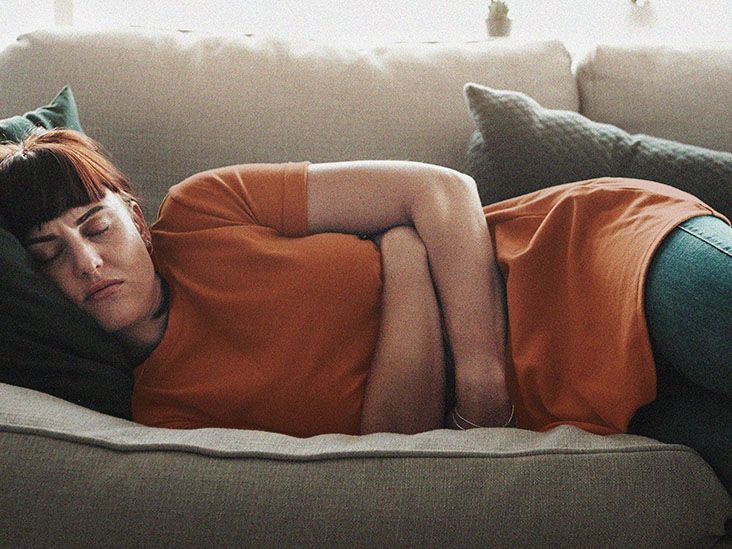

Let’s talk about the bathroom problem nobody wants to announce at brunch: “My poop is too big to come out and hurts.” It sounds awkward, but it is also incredibly common. A large, hard, painful stool usually means constipation, which happens when stool moves too slowly through the colon, loses too much water, and turns into something that feels less like a normal bowel movement and more like passing a small, stubborn brick.
The good news? In many cases, painful large stool can improve with the right combination of hydration, fiber, movement, toilet posture, and safe over-the-counter constipation treatments. The not-so-fun news? Sometimes stool that will not come out may point to fecal impaction, anal fissures, hemorrhoids, medication side effects, pelvic floor dysfunction, or another medical issue that needs professional care.
Important note: This article is for general education only. If you have severe abdominal pain, vomiting, a swollen belly, fever, black stool, heavy rectal bleeding, unexplained weight loss, or you cannot pass stool or gas, seek medical care urgently. Your colon is not a DIY plumbing project.
Why Can Poop Become Too Big to Pass?
Stool becomes large, hard, and painful when it sits in the colon too long. The colon’s job is to absorb water from waste. That is useful when digestion is moving normally. But when stool lingers, the colon keeps pulling out water until the stool becomes dry, bulky, and difficult to pass.
This is why constipation is not just about how often you go. You can technically have a bowel movement every day and still be constipated if the stool is hard, lumpy, painful, or incomplete. A healthy bowel movement should not require heroic effort, sweating, bargaining with the universe, or checking your life choices.
Common Causes of Large, Painful Stool
1. Low Fiber Intake
Fiber helps stool hold water and move through the digestive tract. When your diet is low in fruits, vegetables, beans, lentils, whole grains, nuts, and seeds, stool may become smaller at first, then harder and more difficult to push out. A diet heavy in refined carbs, fried foods, cheese, and ultra-processed snacks can make constipation worse for some people.
2. Not Drinking Enough Fluids
Fiber needs fluid to work well. If you add fiber without drinking enough water, stool may become bulkier but not softer. That can make the “too big to come out” feeling worse. Water, soups, and naturally hydrating foods such as fruit can help stool stay easier to pass.
3. Ignoring the Urge to Go
When you repeatedly hold in bowel movements, stool remains in the rectum longer. Over time, it can become larger and harder. This often happens at work, school, while traveling, or when someone dislikes using public bathrooms. The body gives a signal, you ignore it, and later the body sends a package marked “fragile, oversized, urgent.”
4. Not Moving Enough
Physical activity helps stimulate normal intestinal movement. Long periods of sitting, bed rest, illness, or a very inactive routine can slow digestion. Even daily walking can help many people improve bowel regularity.
5. Medications and Supplements
Several common medicines can contribute to constipation, including opioid pain medicines, some antidepressants, antacids containing aluminum or calcium, iron supplements, calcium supplements, antihistamines, diuretics, and some blood pressure medicines. If constipation started after a new medication, ask a healthcare provider whether there is a safer adjustment. Do not stop prescribed medicine without medical guidance.
6. Pregnancy and Hormonal Changes
Pregnancy can slow bowel movement because of hormonal changes, pressure from the growing uterus, prenatal vitamins containing iron, and reduced activity. Constipation is also common around hormonal shifts, including before periods and during perimenopause.
7. Anal Fissures
An anal fissure is a small tear in the lining of the anus. It can happen after passing hard or large stool. Fissures often cause sharp, glass-like pain during a bowel movement and may leave bright red blood on toilet paper. Because the pain is unpleasant, people may avoid going, which makes constipation worse. It is a cruel little loop, and yes, it deserves a dramatic soundtrack.
8. Hemorrhoids
Hemorrhoids are swollen veins around the anus or lower rectum. Straining, sitting on the toilet too long, and passing hard stool can irritate them. Hemorrhoids may cause itching, swelling, soreness, and bright red bleeding. They can make bowel movements feel scary, even when the stool itself is the main problem.
9. Fecal Impaction
Fecal impaction happens when a mass of hard stool gets stuck in the rectum or colon. It may cause rectal pressure, abdominal pain, bloating, nausea, loss of appetite, watery leakage around the blockage, or the feeling that stool is right there but will not come out. Fecal impaction may require medical treatment such as prescribed laxatives, enemas, or removal by a trained clinician. Avoid trying to dig out stool yourself, because that can cause injury, bleeding, infection, or worsen pain.
10. Pelvic Floor Dysfunction
Sometimes the stool is not the only problem. The pelvic floor muscles may not relax and coordinate properly during a bowel movement. This can make it feel like stool is stuck even when you are pushing hard. People with pelvic floor dysfunction may need evaluation, pelvic floor physical therapy, or biofeedback therapy.
11. Medical Conditions
Constipation can be linked with irritable bowel syndrome with constipation, diabetes, hypothyroidism, neurological conditions, spinal cord problems, intestinal narrowing, inflammatory bowel disease, or, less commonly, colon cancer. New or worsening constipation, especially with bleeding, weight loss, anemia, or a major change in bowel habits, should be checked by a healthcare professional.
What to Do Right Now When Stool Feels Too Big to Come Out
Stop Straining Aggressively
If nothing is moving, pushing harder is not always the answer. Excessive straining can worsen hemorrhoids, trigger fissure pain, and leave you exhausted. Take a break, breathe slowly, and give your muscles a chance to relax. Your bathroom is not a competitive lifting event.
Try Better Toilet Posture
Place your feet on a small stool so your knees are higher than your hips. Lean forward slightly, rest your elbows on your thighs, and relax your belly. This squat-like position can straighten the anorectal angle and make stool easier to pass.
Use Gentle Breathing
Instead of holding your breath and bearing down hard, try slow belly breathing. Inhale gently, then exhale as if fogging a mirror. Relax the jaw, shoulders, abdomen, and pelvic floor. Oddly enough, unclenching your face can help remind the rest of your body to stop acting like a locked bank vault.
Consider Warmth
A warm bath or sitz bath may relax the anal muscles and reduce pain from a fissure or hemorrhoids. Warmth will not magically dissolve a large stool, but it may reduce spasms and make the next attempt more comfortable.
Drink Fluids
Water will not instantly soften stool already at the exit, but hydration supports the rest of the bowel and helps prevent the next stool from becoming another construction project. Warm drinks may also stimulate bowel activity for some people.
Over-the-Counter Treatments That May Help
For occasional constipation, several nonprescription options may help. The right choice depends on your symptoms, age, medical history, pregnancy status, and medications. Ask a pharmacist or healthcare provider if you are unsure.
Polyethylene Glycol
Polyethylene glycol, often called PEG, is an osmotic laxative. It draws water into the bowel, helping soften stool and make it easier to pass. It is commonly recommended for constipation and is often gentler than stimulant laxatives, though it can cause bloating, gas, or loose stool in some people.
Stool Softeners
Stool softeners such as docusate are designed to help water mix into stool. They may be useful when straining should be avoided, such as after surgery or childbirth, but they may not be strong enough for severe constipation or fecal impaction.
Fiber Supplements
Psyllium and other fiber supplements can help mild constipation, especially when taken with enough fluid. Start slowly to reduce gas and bloating. Fiber is excellent prevention, but if you are already severely backed up or impacted, suddenly adding lots of fiber may worsen pressure.
Stimulant Laxatives
Senna and bisacodyl stimulate bowel contractions. They may help short-term or as rescue treatment, but they can cause cramping. Frequent use should be discussed with a healthcare provider.
Suppositories and Enemas
Glycerin suppositories or certain enemas may help when stool is low in the rectum. However, enemas are not right for everyone, especially people with kidney disease, heart disease, severe dehydration, bowel obstruction symptoms, rectal bleeding, or certain medical conditions. Do not use repeated enemas without medical advice.
When to See a Doctor
Get medical help promptly if your poop is too big to come out and you also have severe or worsening abdominal pain, vomiting, fever, a swollen abdomen, inability to pass gas, black or tarry stool, heavy rectal bleeding, dizziness, unexplained weight loss, or severe rectal pain. These symptoms may signal a blockage, infection, bleeding problem, or another condition that needs urgent care.
You should also contact a healthcare provider if constipation lasts more than a couple of weeks, keeps coming back, requires frequent laxatives, starts suddenly without an obvious reason, or is associated with a major change in your usual bowel habits. Children, older adults, pregnant people, and people with chronic illnesses should be extra cautious.
How Doctors Treat Stool That Will Not Come Out
A clinician may ask about bowel habits, diet, medications, pain, bleeding, and how long the problem has been happening. They may examine the abdomen and, when needed, perform a rectal exam. In some cases, imaging or lab tests may be ordered to check for impaction, obstruction, thyroid disease, anemia, or other causes.
Treatment may include oral laxatives, rectal therapies, prescription constipation medicines, treatment for fissures or hemorrhoids, pelvic floor therapy, or supervised disimpaction. If there is a true fecal impaction, medical care is safer than home experiments. The goal is not just to remove the stuck stool, but to prevent the same miserable episode from happening again.
How to Prevent Large, Painful Stool
Increase Fiber Gradually
Add fiber slowly over days or weeks. Good choices include oatmeal, berries, apples with skin, pears, beans, lentils, peas, vegetables, chia seeds, flaxseed, brown rice, and whole-grain bread. A sudden fiber explosion can lead to gas, bloating, and a digestive protest march.
Drink Enough Fluids
Hydration helps fiber do its job. Water is usually best. If you sweat heavily, exercise, live in a hot climate, or eat a high-fiber diet, you may need more fluids. People with kidney, heart, or liver disease should follow their clinician’s fluid advice.
Move Daily
Walking, cycling, swimming, yoga, and basic household activity can support bowel movement. You do not need to train like an Olympic athlete. Your colon appreciates consistency more than drama.
Build a Bathroom Routine
Try sitting on the toilet after breakfast or another meal, when the gastrocolic reflex naturally stimulates the colon. Give yourself time, but do not camp there with your phone for half an hour. Long toilet sitting can worsen hemorrhoids.
Review Medications
If constipation started after beginning a medication or supplement, ask your healthcare provider about options. Sometimes changing the dose, timing, formulation, or adding a bowel plan can help.
Do Not Ignore Pain
Painful bowel movements can cause avoidance. Avoidance causes harder stool. Harder stool causes more pain. Breaking that cycle early is key. Treat constipation, protect the anal skin, and get help if bleeding or severe pain continues.
Special Considerations for Children
Children often develop large, painful stools after withholding poop. One painful bowel movement can make a child afraid to go again. Then stool builds up, stretches the rectum, and becomes even harder to pass. Parents may notice belly pain, skid marks or leakage in underwear, appetite changes, or very large stools that clog the toilet.
Children should not be treated like small adults when it comes to laxatives or enemas. If a child has painful stool, repeated constipation, blood, vomiting, weight loss, fever, or stool accidents, talk with a pediatrician. Treatment may include diet changes, scheduled toilet sitting, rewards, stool softening medicine, or a longer bowel retraining plan.
Real-Life Experiences: What This Problem Often Feels Like
Many people describe this situation as a mix of panic, embarrassment, and pain. You sit down expecting a normal bowel movement, then realize the stool is too large, too hard, or stuck halfway. The body says “go,” but the exit says “absolutely not.” That mismatch can be frightening, especially when rectal pressure builds and every attempt causes sharp pain.
One common experience is the “I waited too long” scenario. Someone feels the urge at work, during a road trip, or while staying at someone else’s house. They decide to hold it until later. Later becomes much later. By the time they finally have privacy, the stool is dry, oversized, and painful. This is one reason responding to the urge matters. Your digestive system is polite at first, but it does not love being ghosted.
Another common story involves a diet shift. A person travels, eats more fast food, drinks less water, skips vegetables, and sits for hours. A few days later, they feel bloated and backed up. When stool finally arrives, it is large and difficult to pass. This does not mean the person is unhealthy forever; it means the colon noticed the vacation menu and filed a complaint.
Some people experience pain from an anal fissure after one hard bowel movement. The next time they need to go, they tense up because they expect pain. That tension makes passing stool harder, which increases pain again. Warm baths, stool softening, hydration, and medical treatment when needed can help break this cycle. The emotional part matters too: fear of pain can train the body to hold back.
Parents often see a similar pattern in children. A child passes one painful stool, then avoids the toilet. The stool gets bigger, accidents may happen, and everyone becomes stressed. The child is not being lazy or difficult. They are trying to avoid pain. Calm support, pediatric guidance, and a consistent routine usually work better than shame or pressure.
Adults may also feel embarrassed to seek help, but clinicians hear about constipation every day. Gastroenterologists, primary care doctors, pediatricians, nurses, and pharmacists are not shocked by poop problems. To them, stool is health information. If you are stuck, bleeding, in severe pain, or repeatedly dealing with giant painful stool, asking for help is practical, not embarrassing.
The biggest lesson from these experiences is simple: do not wait until constipation becomes a crisis. A large painful stool is often the final result of several small factors: not enough fluid, low fiber, holding stool, stress, inactivity, medication effects, or fear after a painful bowel movement. Fixing those small factors early can prevent the dreaded bathroom showdown later.
Conclusion
If your poop is too big to come out and hurts, the most likely cause is constipation with hard, dry stool. However, severe pain, bleeding, vomiting, abdominal swelling, fever, inability to pass gas, or repeated episodes may point to fecal impaction or another condition that needs medical care. Gentle toilet posture, hydration, gradual fiber intake, movement, and appropriate over-the-counter treatments can help many cases, but forcing, excessive straining, or unsafe self-removal can make things worse.
Your digestive system works best with routine, fluids, fiber, movement, and timely bathroom breaks. Treat constipation early, respect warning signs, and get professional help when stool feels truly stuck. Nobody wants to discuss painful poop, but dealing with it wisely can save you from bigger problems later.