
Cat urine on clothes is one of those household surprises that feels personally targeted. One minute, your hoodie is folded peacefully on a chair. The next, it has been “claimed” by your cat like a tiny, furry landlord with strong opinions about interior design. The good news? You can get cat urine smell out of clothes without throwing away half your wardrobe or pretending you suddenly love the scent of eau de litter box.
The trick is understanding that cat pee is not ordinary laundry stink. It contains odor-causing compounds that can cling to fabric, especially if the clothing sits too long or gets tossed straight into a hot dryer. Heat can make the smell harder to remove, which is why your first mission is simple: do not panic-wash, do not overdo the detergent, and absolutely do not bake the odor into your favorite jeans.
This guide walks you through an easy, effective, fabric-friendly method using cold water, baking soda, white vinegar, enzyme cleaner, and smart washing habits. Whether your cat had an accident, marked territory, missed the litter box, or mistook your laundry pile for a five-star restroom, here is how to rescue your clothes and your nose.
Why Cat Urine Smell Is So Hard to Remove
Cat urine has a reputation for being stubborn because it can leave behind strong-smelling residue in fabric fibers. When the urine dries, the odor may seem to fade for a while, then come roaring back when the clothing gets damp, warm, or humid. That is why a shirt can smell fine after washing, then suddenly announce its tragic backstory when you wear it outside on a warm day.
Regular detergent may remove surface dirt, but cat urine often needs deeper treatment. Enzyme-based cleaners are popular because they help break down organic odor compounds rather than simply covering them with perfume. Vinegar can help neutralize odor during washing, while baking soda can absorb lingering smells. Used in the right order, these tools can turn a “lost cause” sweatshirt into wearable clothing again.
Before You Start: What Not to Do
Do Not Use Hot Water First
Hot water may seem like the obvious answer for a nasty smell, but it can make urine odor harder to remove if used too early. Start with cold water to rinse and dilute the urine before any regular wash cycle.
Do Not Put the Clothes in the Dryer Too Soon
The dryer is the villain in many cat-pee laundry disasters. Heat can set odors into fabric, making them much harder to remove. Always air-dry urine-treated clothing until you are completely sure the smell is gone.
Do Not Use Bleach on Cat Urine
Bleach is not the right choice for cat urine laundry. Cat urine can contain ammonia-like compounds, and bleach may create harsh fumes when mixed with certain urine residues. It can also damage colors, weaken fabric, and leave your clothes smelling like a public pool with regrets.
Do Not Use Ammonia-Based Cleaners
Ammonia-based products may smell similar to urine to your cat, which can encourage repeat marking. For cat urine smell removal, choose pet-safe enzymatic cleaners, baking soda, vinegar, and odor-focused laundry products instead.
Supplies You Need to Remove Cat Urine Smell from Clothes
- Cold water
- Paper towels or an old clean towel
- Baking soda
- White vinegar
- Enzyme cleaner or enzyme laundry booster made for pet odors
- Mild laundry detergent
- A bucket, sink, or basin for soaking
- Outdoor clothesline or indoor drying rack
You do not need every product in the cleaning aisle. In fact, using too many products at once can leave residue in the fabric. Think of this process like cooking: the right ingredients in the right order beat dumping the whole spice cabinet into the pot.
Step-by-Step: How to Get Cat Urine Smell Out of Clothes
Step 1: Blot Fresh Urine Immediately
If the urine is still wet, blot it gently with paper towels or an old clean towel. Press down to absorb moisture, but do not rub aggressively. Rubbing can push urine deeper into the fibers and spread the stain. For delicate fabrics, be extra gentle and check the care label before using any treatment.
If the clothing is already dry, do not worry. You can still treat it. Dried urine just needs more patience, a longer soak, and possibly a second wash cycle.
Step 2: Rinse with Cold Water
Hold the affected area under cold running water, preferably from the back side of the stain. This helps push the urine out of the fabric instead of deeper into it. If the whole item smells, rinse the entire garment in cold water.
For machine-washable clothing, you can also run a cold rinse cycle without detergent before treating. This is especially useful for towels, bedding, sweatpants, pajamas, and other thick fabrics that hold odor.
Step 3: Soak in Baking Soda Water
Fill a sink or bucket with cold water and add baking soda. A practical ratio is about half a cup of baking soda for a small basin or one cup for a larger soak. Stir the water, submerge the clothing, and let it soak for at least 30 minutes. For strong odors, soak for several hours.
Baking soda helps absorb odor and freshen fabric. It is especially useful when the smell is noticeable but the stain is not severe. However, baking soda alone may not fully remove old cat urine odor, so use it as part of a complete process rather than the entire solution.
Step 4: Wash with Vinegar
After soaking, place the clothing in the washing machine. Add one cup of white vinegar to the wash cycle, using cold water. Do not add bleach. If you want to use detergent in this cycle, keep it mild and do not over-pour. Too much detergent can leave residue that traps odor.
Vinegar can help neutralize unpleasant smells and loosen odor from fabric. Do not worry, your clothes should not smell like salad dressing after proper rinsing. If they do, run an extra rinse cycle.
Step 5: Treat with an Enzyme Cleaner
For stubborn cat urine smell, enzyme cleaner is the heavy hitter. Apply an enzyme cleaner directly to the affected area, following the product label. Some formulas need to sit for 10 to 15 minutes; others work best after a longer soak. The label matters, so treat it like instructions from a tiny laundry scientist.
Choose a product designed for pet urine and safe for washable fabrics. Test it on a hidden area first if the clothing is dark, delicate, or expensive. Enzyme cleaners work best when they have enough time to contact the odor source, so do not rinse them away immediately unless the label says to.
Step 6: Wash Again with Detergent
Now wash the clothing again using cold or cool water and your regular detergent. If your detergent has odor-fighting enzymes, even better. Use the recommended amount, not half the bottle. More detergent does not mean cleaner clothes; it often means more residue, more rinsing, and more laundry drama.
For heavily soiled items, choose a longer wash cycle. Add an extra rinse if your machine offers that option. The goal is to remove urine residue, cleaning product residue, and odor all at once.
Step 7: Air-Dry Completely
After washing, air-dry the clothing. Hang it outside if possible, or use a drying rack in a well-ventilated area. Sunlight and fresh air can help reduce lingering odors, but avoid leaving delicate fabrics in direct sun for too long because colors may fade.
Once the item is completely dry, smell it carefully. Yes, this is the glamorous part of adulthood: sniff-testing laundry. If you still detect cat urine odor, repeat the enzyme treatment and wash again before using the dryer.
How to Remove Old Cat Urine Smell from Clothes
Old cat urine smell needs a stronger plan because the odor has had time to settle into the fibers. Start with a cold-water soak, then use an enzyme cleaner generously on the affected areas. Let the cleaner sit for the full time recommended on the label. For older smells, rushing the process is like asking a cat to hurry up and leave a cardboard box. Possible? Technically. Likely? Not really.
After enzyme treatment, wash with detergent and vinegar, then air-dry. You may need two or three rounds for older stains, especially on thick cotton, denim, fleece, towels, or bedding. If the smell improves but does not disappear, that is a sign the process is working. Repeat it before deciding the garment is doomed.
How to Get Cat Pee Smell Out of Delicate Clothes
Delicate fabrics require a softer approach. Before using vinegar, baking soda, or enzyme cleaner, check the care label. Silk, wool, rayon, and dry-clean-only fabrics may not tolerate soaking or standard enzyme products. For valuable clothing, professional cleaning may be the safest option.
If the item is washable, blot the urine, rinse with cold water, and use a fabric-safe odor remover. Avoid scrubbing, wringing, or using strong products. For sweaters and delicate knits, press water out with a towel and dry flat. Never hang heavy wet knits, unless you want your sweater to become a fashionable curtain.
Can You Use Vinegar and Baking Soda Together?
Vinegar and baking soda are both useful, but they work best when used thoughtfully. When mixed directly, they fizz and neutralize each other quickly. That fizz is satisfying, but it is not magic. For laundry, it is often better to use baking soda in a soak first, then vinegar in a wash cycle later.
If you do combine them, do it in an open sink or basin, never in a sealed container. For most cat urine clothing problems, separate steps are more effective and less messy.
Best Laundry Routine for Cat Urine Accidents
Here is a simple routine you can repeat whenever your cat pees on clothing:
- Blot fresh urine immediately.
- Rinse the fabric with cold water.
- Soak in baking soda water for 30 minutes or longer.
- Wash with white vinegar and cold water.
- Apply enzyme cleaner if odor remains.
- Wash again with detergent.
- Air-dry and smell-check before using the dryer.
This method works for many everyday fabrics, including cotton shirts, towels, jeans, hoodies, sheets, and washable blankets. For delicate or specialty fabrics, adjust the process based on the care label.
Why Your Cat Might Be Peeing on Clothes
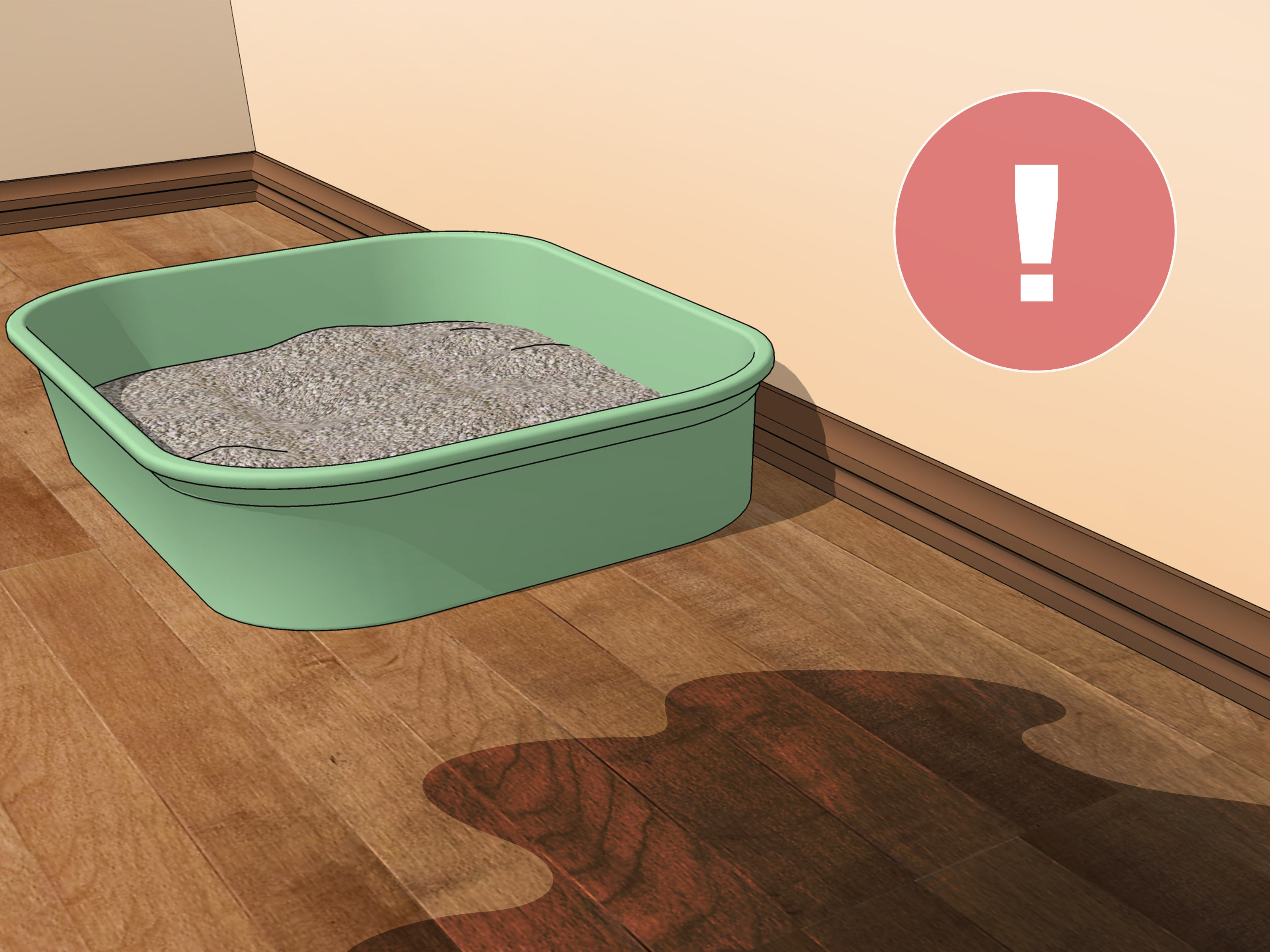
Cleaning the clothes is only half the story. If your cat keeps peeing on laundry, there may be a reason. Cats may urinate outside the litter box because of stress, territorial marking, dirty litter boxes, medical issues, changes at home, or dislike of the litter type. A laundry pile can be especially tempting because it is soft, absorbent, and smells strongly like the people in the home.
If this happens once, it may simply be an accident. If it happens repeatedly, pay attention. A cat who suddenly urinates outside the box may need a veterinary checkup, especially if there are signs of discomfort, frequent trips to the litter box, blood in urine, or sudden behavior changes.
Improve the Litter Box Setup
Keep the litter box clean, easy to access, and located in a quiet place. Many cats prefer one box per cat plus one extra. That may sound like a lot of boxes, but cats are tiny royalty, and apparently royalty requires options.
Reduce Laundry Temptation
Keep laundry baskets off the floor, use hampers with lids, and do not leave damp towels in piles. If your cat has already targeted a specific basket or corner, clean the area thoroughly with an enzyme cleaner so the smell does not invite a repeat performance.
Common Mistakes That Keep the Smell Coming Back
Using Fragrance Instead of Odor Removal
Strong perfumes may temporarily cover cat urine smell, but they do not remove the odor source. Once the fragrance fades, the urine smell can return. Worse, the mix of floral detergent and cat pee can create a scent best described as “haunted garden.”
Washing Too Many Items Together
If one urine-soaked item goes into a crowded load, the odor can spread. Wash affected clothes separately or with only a few similar items. Give the fabric enough room to move, rinse, and release odor.
Skipping the Soak
For mild odors, a normal wash may work. For strong cat urine smell, soaking makes a major difference. It gives baking soda, vinegar, or enzyme cleaner time to work instead of asking the washing machine to solve everything in 35 minutes.
Drying Before the Smell Is Gone
This is the big one. Heat can lock in odor. Air-dry first, smell-check second, and use the dryer only when you are sure the clothing is fresh.
Natural Methods vs. Enzyme Cleaners: Which Works Best?
Natural methods such as baking soda and vinegar are affordable, easy to find, and helpful for mild to moderate odors. They are excellent first steps, especially when the urine is fresh. However, enzyme cleaners are usually better for stubborn, old, or repeat cat urine smells because they are designed to target pet odor compounds more directly.
The best approach is not choosing one side forever. Use baking soda and vinegar for rinsing, soaking, and deodorizing. Use enzyme cleaner when the smell is strong, old, or refusing to leave like a cat sitting on your laptop during a deadline.
of Real-Life Experience: What Actually Works Best
After dealing with cat urine on clothes, the biggest lesson is that speed matters. Fresh urine is much easier to remove than dried urine. When you catch it early, blotting and rinsing with cold water can prevent the smell from sinking deeply into the fibers. The worst thing you can do is toss the item into the laundry basket and tell yourself you will handle it later. “Later” is when the odor becomes a full-time resident.
Another experience-based tip: always separate the affected clothing. It may feel efficient to wash everything together, but cat urine smell can transfer to nearby fabrics. One peed-on towel can make an entire load suspicious. Wash the problem item alone or with a small group of similar washable items. Use plenty of water, avoid overloading the machine, and add an extra rinse when possible.
For strong odors, enzyme cleaner is worth having on hand before disaster strikes. Cat owners often buy it after the first accident, then wonder why they did not own it earlier. Keep a bottle near your laundry supplies, but read the label carefully. Some enzyme cleaners are designed for carpets and upholstery, while others are safe for laundry. A fabric-safe formula makes the process much easier.
White vinegar is helpful, but it is not a miracle potion. It works best as part of a system: cold rinse, soak, vinegar wash, enzyme treatment if needed, detergent wash, then air-dry. If you use vinegar and the smell improves but does not disappear, do not assume the method failed. It may simply need another round. Cat urine is dramatic. Sometimes it requires an encore.
Air-drying is the habit that saves clothes. Many people wash a garment once, think it smells fine, put it in the dryer, and then discover the smell has become permanent-feeling. A better habit is to dry it naturally and check the fabric when it is fully dry. Smell the exact spot that was affected, not just the general area. If there is even a faint odor, treat it again.
One practical trick is to mark the affected area before washing if the stain is hard to see. Use a safety pin nearby or take a quick photo so you know where to apply enzyme cleaner later. Once fabric is wet, every area looks suspicious, and you may end up treating the wrong section while the real offender quietly survives.
Finally, cleaning should come with a little detective work. If your cat peed on clothes once, clean the clothing and move on. If it happens again, look at the litter box, household stress, new pets, new furniture, closed doors, or changes in routine. Cats are not being “bad” in the human sense. They are communicating, reacting, or dealing with discomfort. The laundry problem may be the clue, not the whole mystery.
Conclusion
Getting cat urine smell out of clothes is completely possible when you use the right method. Start with cold water, avoid heat, use baking soda and vinegar wisely, and bring in an enzyme cleaner for stubborn odors. Most importantly, air-dry before deciding the job is done. Your clothes can recover, your laundry room can smell normal again, and your cat can return to being adorable instead of suspiciously damp and emotionally complicated.
The key is patience. Cat urine odor removal is not always a one-wash situation, especially if the stain is old. But with a careful process and a little prevention, you can save your clothes and reduce repeat accidents. Your hoodie deserves a second chance. Your cat, unfortunately, already knows this and is sitting on it.