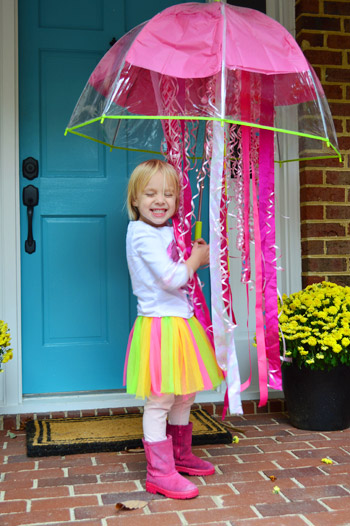

Some Halloween costumes whisper. Some costumes politely wave from across the party. A light-up jellyfish costume, however, floats into the room like it has just escaped from a magical aquarium and is now looking for snacks. It is dramatic, glowing, surprisingly easy to build, andbest of allit can be made with inexpensive craft supplies, a clear umbrella, and battery-powered lights.
This guide explains how to make a jellyfish costume with lights using beginner-friendly materials such as tulle, ribbon, bubble wrap, sheer fabric, LED fairy lights, and a clear dome umbrella. The final result is an illuminated sea creature costume that looks impressive in photos, moves beautifully when you walk, and makes people say, “Wait, did you actually make that?” Yes. Yes, you did. Please accept your imaginary crafting trophy.
Whether you are making a DIY jellyfish Halloween costume for an adult, a child, a school event, a parade, a festival, or an under-the-sea party, the process is flexible. You can keep it simple with soft white lights and ribbon tentacles, or go full bioluminescent superstar with blue LEDs, iridescent fabric, EL wire, and glowing streamers. The trick is balancing three things: the jellyfish shape, the light placement, and safe, comfortable movement.
Why A Light-Up Jellyfish Costume Works So Well
The jellyfish is one of nature’s best costume designers. It already has a rounded bell, flowing tentacles, translucent colors, and a mysterious glow-in-the-dark personality. A clear umbrella naturally mimics the bell shape, while hanging ribbons, tulle, and bubble wrap create the look of drifting tentacles. Add battery-powered LED lights, and the costume suddenly looks like it belongs in the deep sea instead of your living room, where you are probably covered in hot glue strings.
Another reason this costume is popular is that it is visually big without being physically complicated. You do not need advanced sewing skills, foam sculpting, or a degree in marine biology. A jellyfish costume with lights can be made mostly with cutting, tying, taping, gluing, and arranging. It is also budget-friendly because many materials can be found at dollar stores, craft stores, party aisles, or in your own “I might use this someday” drawer.
Materials You Will Need
Before you begin, gather your supplies. You can customize the colors, but white, silver, aqua, lavender, blue, pink, and iridescent materials usually create the most believable glowing jellyfish effect.
Basic Supplies
- 1 clear dome umbrella or clear bubble umbrella
- 2 to 4 strands of battery-powered LED fairy lights
- Tulle in white, blue, purple, pink, or aqua
- Iridescent ribbon, curling ribbon, wired ribbon, or gift-wrap ribbon
- Bubble wrap, cellophane, sheer fabric, or organza
- Clear packing tape, duct tape, or strong craft tape
- Hot glue gun and glue sticks
- Zip ties or twist ties
- Scissors
- Reflective tape or glow tape for extra visibility
- White, silver, blue, or black clothing to wear underneath
Optional Upgrades
- EL wire for a bright bioluminescent outline
- Battery-powered rope lights for a stronger glow
- Glow sticks or glow necklaces
- Self-adhesive gems or sequins
- Battery tea lights for soft dome lighting
- Plastic shower curtain strips for waterproof-looking tentacles
- Small battery pack pouch or fabric pocket
Choose LED lights instead of traditional string lights. LEDs stay cooler, use less power, and are better suited for wearable costumes. Avoid plug-in lights because nobody wants a costume that requires standing near an outlet all night like a festive floor lamp.
Step 1: Choose The Right Umbrella
The umbrella is the skeleton of your jellyfish costume, so choose it carefully. A clear dome umbrella works best because it creates a rounded bell shape and allows the lights to shine through. A standard clear umbrella can also work, but a bubble umbrella gives the costume that smooth, floating jellyfish silhouette.
For adults, choose a full-size umbrella that sits comfortably above the head and shoulders. For kids, use a smaller child-size umbrella so the costume does not become too heavy or awkward. Make sure the umbrella opens smoothly, locks securely, and has no sharp broken ribs. If the handle is too long, you can wrap it with ribbon or foam for comfort, but avoid cutting structural parts unless you know the umbrella will remain stable.
Step 2: Plan Your Color Scheme
A strong color palette makes your DIY light-up jellyfish costume look intentional instead of like a craft drawer had a small explosion. For a classic deep-sea look, use white tulle, silver ribbon, and blue LED lights. For a fantasy jellyfish, mix lavender, pink, aqua, and iridescent strips. For a spooky Halloween version, use black clothing underneath and cool blue or purple lights in the umbrella.
Think about where you will wear the costume. If it is for trick-or-treating or walking outdoors, lighter colors and reflective details help improve visibility. If it is for a party or stage performance, stronger contrast and brighter lights will photograph better. If it is for a school event, keep the tentacles shorter and softer so they do not tickle everyone within a three-foot radius like a glowing pasta monster.
Step 3: Create The Jellyfish Bell
Open the umbrella and turn it upside down on a table or clean floor. This is where the magic begins. If you want a soft, cloudy look, drape sheer fabric, organza, or tulle over the outside of the umbrella. Let the fabric fall slightly over the edge to soften the hard umbrella outline. Secure the fabric at the top and around the ribs with small pieces of clear tape, safety pins, or tiny dots of hot glue.
For a more textured jellyfish bell, add strips of bubble wrap or cellophane to the inside of the umbrella. Bubble wrap gives a watery, bubbly look and catches light beautifully. Cellophane creates shimmer and movement. Keep the layers light. Too much material can make the umbrella heavy, and a jellyfish should floatnot feel like you are carrying a glowing laundry basket.
Step 4: Add The Lights Inside The Umbrella
Now it is time for the glow. Place the battery-powered LED strands inside the umbrella dome. Arrange them along the umbrella ribs, around the rim, and near the center top. Secure the wires with clear tape, zip ties, or twist ties. Keep the battery packs near the handle or attached to the inside ribs where you can reach them easily to turn the lights on and off.
Do not permanently bury the battery packs under layers of glue and fabric. Future you will need access to replace batteries, and future you is already busy trying to find matching socks. Tape or zip-tie the packs securely, but make sure they remain removable.
If you are using more than one strand, spread the lights evenly so the whole bell glows. One strand can circle the rim, another can spiral through the dome, and a third can run downward into a few tentacles. For extra drama, use blue or cool white lights inside the dome and a different color in the tentacles.
Step 5: Make The Tentacles
The tentacles are where the costume gets personality. Cut long strips of tulle, ribbon, bubble wrap, cellophane, and sheer fabric. Vary the widths and lengths so the costume looks natural. Real jellyfish do not have perfectly matching tentacles, and neither should your homemade version. Aim for a mix of thin curling ribbons, soft tulle strips, and wider translucent pieces.
For adults, tentacles can hang from shoulder to knee length. For children, keep them shorteraround waist to mid-thigh lengthto reduce tripping. If the costume will be worn outdoors, avoid dragging pieces on the ground. Dragging tentacles look dramatic for about four seconds, then they become a sidewalk mop.
Easy Tentacle Ideas
- Tulle strips: Soft, floaty, and lightweight.
- Curled ribbon: Adds springy movement and sparkle.
- Bubble wrap strips: Creates an aquatic texture.
- Cellophane strips: Reflects LED light beautifully.
- Organza ribbon: Looks elegant and jelly-like.
- Glow necklaces: Adds quick light without wiring.
Attach the tentacles to the inside rim of the umbrella. You can tie them to the ribs, tape them in place, or use small zip ties. For a cleaner finish, attach a band of ribbon around the inside rim and glue or tie the tentacles to that band. This hides messy attachment points and makes the costume look more polished.
Step 6: Add Lights To The Tentacles
To make the jellyfish costume truly glow, extend some LED strands down into the tentacles. Wrap fairy lights loosely around several ribbon or tulle strips. Use small pieces of clear tape every few inches to hold the wire in place. Keep the wrapping loose enough that the tentacles still move naturally.
If you are using EL wire, run it around the umbrella rim or through a few longer tentacles. EL wire creates a clean neon-like outline and works especially well for a bioluminescent jellyfish costume. Secure it with zip ties or transparent tape, and keep the inverter or battery pack attached near the umbrella frame.
For children’s costumes, use lights with secured battery compartments. Avoid loose button batteries, and check that any battery case is closed with a screw or strong latch. Battery safety is not the glamorous part of costume making, but it is the part that keeps your sea creature from becoming a cautionary tale.
Step 7: Build The Outfit Underneath
The umbrella creates the jellyfish top, but the clothing underneath completes the look. Wear white, silver, pale blue, lavender, or black depending on your theme. White clothing makes the costume look soft and glowing. Black clothing makes the illuminated umbrella stand out dramatically. A sparkly shirt, leggings, tutu, or flowing skirt can add extra ocean energy without much effort.
Comfort matters. Choose shoes you can actually walk in. If you are trick-or-treating, attending a crowded event, or walking up stairs, skip long skirts that tangle with tentacles. A light-up jellyfish costume already has enough moving parts; your shoes do not need to audition for a slapstick comedy.
Step 8: Make It Comfortable To Wear
Test the costume before the event. Hold the umbrella for several minutes, walk around the room, turn sideways through a doorway, and sit down if you will need to sit during the event. If your arm gets tired quickly, consider attaching a soft strap or harness to help support the umbrella. Some DIY makers attach the umbrella to a backpack frame, but for most simple costumes, holding the umbrella is easier and safer.
Check the weight of the lights and decorations. If the umbrella leans to one side, rebalance the battery packs or remove extra materials. The best jellyfish costume is lightweight, flexible, and easy to manage. Remember: you are going for “graceful ocean creature,” not “person fighting a craft octopus in public.”
Step 9: Add Safety Details
A glowing jellyfish costume is already more visible than many Halloween outfits, but do not rely on decoration lights alone. Add reflective tape to the umbrella handle, shoes, treat bag, or clothing. If children are wearing the costume, make sure they can see clearly and move freely. Avoid masks that block vision. Face paint or simple makeup is usually better.
Keep fabric and ribbons away from open flames, candles, fire pits, and jack-o’-lanterns with real candles. Choose flame-resistant materials when possible, and use battery-operated lights instead of anything with heat or exposed wiring. Inspect the costume before wearing it: no loose wires, no sharp zip tie ends, no dragging tentacles, and no accessible batteries.
Step 10: Final Styling And Photo Tips
Once your jellyfish costume is built, turn off the room lights and test the glow. This is the moment when the costume goes from “craft project” to “deep-sea celebrity.” Adjust any dark spots by moving the LED strands. Fluff the tulle, curl the ribbons, and trim any tentacles that hang too low.
For photos, stand in dim lighting rather than total darkness. A little background light helps the camera capture both the glow and the costume details. Try slow walking or gently turning the umbrella for a floating effect. If you are posing with a group, stand slightly behind or above them so the glowing bell is visible. Yes, you may become the unofficial photo booth. Accept your destiny.
Budget-Friendly Tips
You do not need expensive materials to make a memorable DIY jellyfish costume with lights. A dollar-store umbrella, gift ribbon, leftover bubble wrap, and a couple of LED strands can create a strong effect. Reuse holiday lights if they are battery powered and safe for costumes. Look for tulle remnants at fabric stores, save packaging materials, and repurpose sheer scarves or old curtains if they fit your color scheme.
The most important design rule is layering. One ribbon looks lonely. Ten ribbons, three tulle strips, two shiny cellophane pieces, and a glowing strand of LEDs suddenly look intentional. Combine textures, vary lengths, and let the lights do the expensive-looking work.
Common Mistakes To Avoid
Using Lights That Get Too Hot
Stick with battery-powered LED lights. Avoid traditional bulbs, plug-in lights, or anything that warms up against plastic, tulle, or cellophane.
Making Tentacles Too Long
Long tentacles look beautiful in photos but can become a tripping hazard. Keep them above the ground, especially for children.
Overloading The Umbrella
Too many decorations can make the umbrella heavy and difficult to hold. Add materials gradually and test the weight as you go.
Hiding The Battery Packs
Battery packs should be secure but reachable. You need access to switches and batteries throughout the event.
Forgetting Doorways
A dome umbrella is wider than your body. Practice walking through doors, hallways, and crowds before debuting your glowing masterpiece.
Creative Variations
Once you understand the basic structure, you can customize the costume in many ways. A moon jellyfish costume can use white fabric, pearl ribbon, and soft white LEDs. A deep-sea jellyfish can use black clothing, blue lights, and long translucent tentacles. A rainbow jellyfish can use multicolor LEDs and bright ribbons. A glamorous jellyfish can include sequins, metallic fringe, and iridescent organza.
You can also create a group costume. One person can be a jellyfish, another an octopus, another a shark, and someone else can be a confused scuba diver. Group costumes make the jellyfish look even better because the glowing umbrella becomes the visual centerpiece.
Extra Experience: What It Is Really Like To Make And Wear A Light-Up Jellyfish Costume
Making a jellyfish costume with lights is one of those projects that looks more complicated than it feels. At first, the supplies may look chaotic: ribbons everywhere, tulle floating across the table, LED wires trying to become spaghetti, and a glue gun silently judging your life choices. But once the first few tentacles are attached, the costume starts to make sense. The umbrella becomes a bell. The ribbons become movement. The lights become personality. Suddenly you are not just crafting; you are engineering a small portable ocean.
The best experience comes from testing as you go. After attaching one section of tentacles, hold the umbrella up and walk around. You will immediately see what works. Some materials float beautifully, while others hang stiffly and need trimming. Bubble wrap looks especially fun under lights, but it can be noisy if you use too much. Tulle is forgiving and lightweight, but it needs volume to stand out. Curling ribbon adds sparkle and bounce, but if you go overboard, the jellyfish starts looking like it escaped from a birthday gift bag. Balance is everything.
The lighting stage is usually the most exciting. When you turn on the LEDs for the first time, the whole costume changes. Cool white lights create an elegant moon jellyfish effect. Blue lights feel oceanic and mysterious. Pink and purple lights make the costume playful and fantasy-like. If you are making the costume for a child, involve them in choosing the colors. Kids love having creative control, and they are usually very honest critics. If they say, “It needs more sparkle,” they are probably correct.
Wearing the costume is fun, but it does require awareness. You become taller, wider, and much more interesting to strangers. People may ask how you made it, where you bought it, and whether you are supposed to be a jellyfish, a spaceship, or a haunted chandelier. This is part of the charm. The costume is a conversation starter. It photographs well, especially in low light, and it stands out in a crowd without needing scary makeup or uncomfortable accessories.
The biggest practical lesson is to keep the costume lightweight. A beautiful costume that becomes tiring after ten minutes is not a success; it is a glowing arm workout. Use fewer heavy decorations near the outer rim, keep battery packs balanced, and avoid thick layers of fabric that weigh down the umbrella. For outdoor events, wind can also be a factor. A dome umbrella catches air, so hold it firmly and avoid using it in strong wind unless you want your jellyfish to migrate unexpectedly.
Another useful experience tip is to carry a small emergency repair kit. Bring extra tape, a few zip ties, spare batteries, and safety pins. Costumes move, people bump into things, and tentacles sometimes need quick surgery. A two-minute repair can save the night. Also, turn the lights on before arriving at the event to make sure every strand works. Nothing humbles a crafter faster than proudly entering a party as a “glowing jellyfish” with exactly zero glow.
In the end, the best part of this project is how personal it becomes. No two jellyfish costumes look exactly alike. Yours might be elegant, silly, spooky, colorful, minimalist, or wildly dramatic. That is the beauty of DIY. You are not just following instructions; you are making a costume that reflects your own imagination. And if a few glue strings remain hidden under the umbrella? Congratulations. That is not a mistake. That is authentic deep-sea texture.
Conclusion
Learning how to make a jellyfish costume with lights is easier than it looks, and the result can be absolutely spectacular. Start with a clear umbrella, add lightweight tentacles, weave in battery-powered LED lights, and finish with safe, comfortable styling. The key is to create movement, glow, and balance. Keep the tentacles short enough to walk safely, keep the battery packs secure and accessible, and keep the design light enough to enjoy all night.
This DIY jellyfish costume is perfect for Halloween, school events, costume contests, ocean-themed parties, parades, festivals, and anyone who wants to glow like a fabulous creature from the midnight zone. With a little planning and a reasonable amount of craft chaos, you can build a costume that is affordable, memorable, and delightfully weird in the best possible way.
Note: Use only battery-powered LED lights, check all battery compartments before wearing, and keep loose batteries away from children and pets.