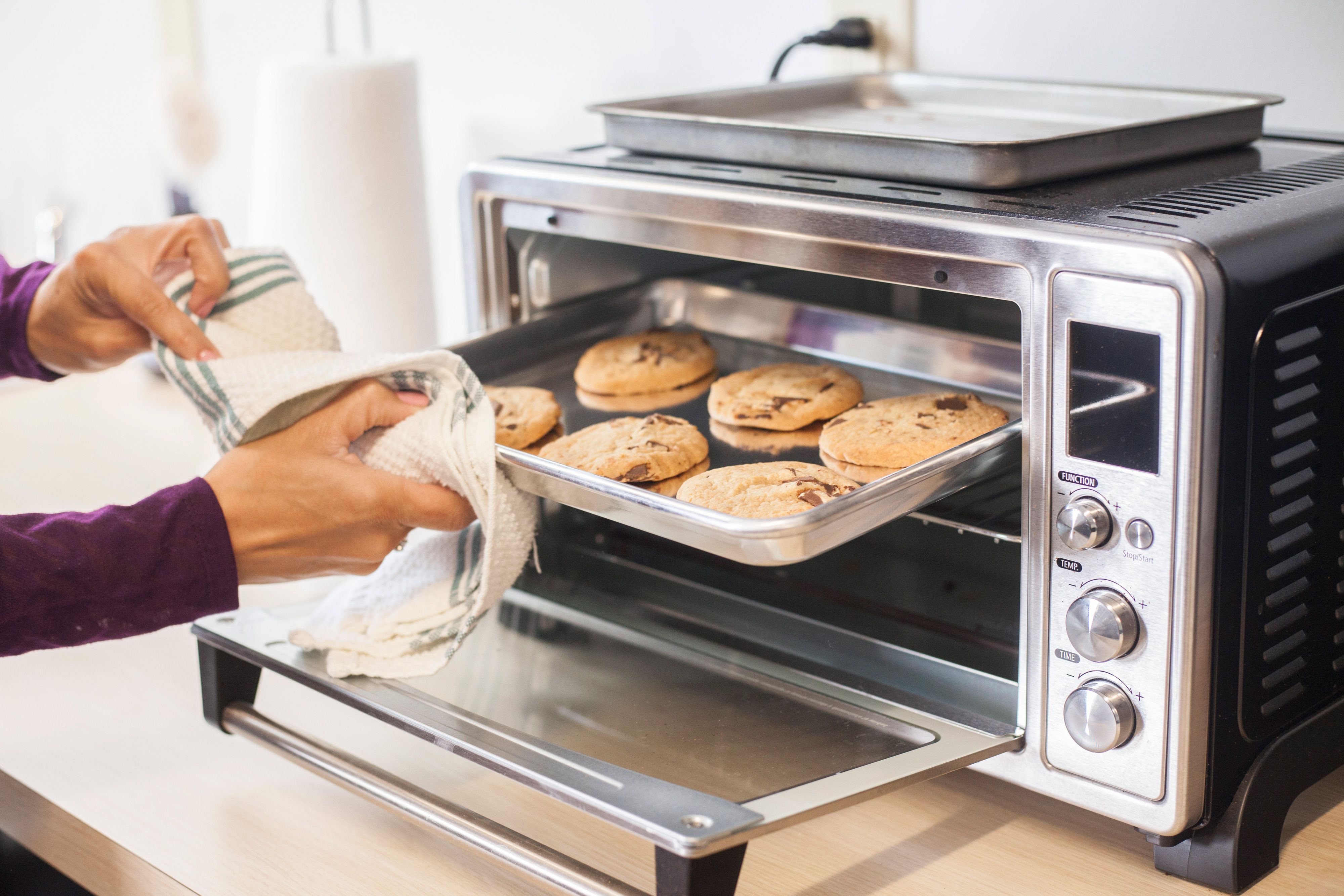

A toaster oven is the tiny kitchen overachiever that sits on your counter acting humble while secretly replacing half your appliances. It can toast bread, bake cookies, roast vegetables, reheat leftovers, broil cheese, crisp frozen snacks, warm pastries, and rescue dinner when your big oven feels like dramatic overkill. In other words, it is not just a toaster with a door. It is a compact oven with ambition.
Learning how to use a toaster oven properly makes your food better, your kitchen cooler, and your weeknight cooking much less annoying. The trick is understanding its settings, rack positions, pan choices, temperature behavior, and safety rules. Once you know those basics, this little box of heat becomes one of the most useful tools in the kitchen.
What Is a Toaster Oven, Really?
A toaster oven is a small countertop oven that uses heating elements to cook food from above, below, or both. Most models include basic settings such as toast, bake, and broil. Many newer models also offer convection, air fry, pizza, reheat, bagel, warm, dehydrate, or roast modes.
The biggest difference between a toaster oven and a regular oven is size. Because the cooking chamber is smaller, it preheats faster and concentrates heat more closely around the food. That is excellent for quick meals, small-batch baking, crispy reheating, and cooking for one or two people. It also means food can brown faster, so you should watch your first few attempts like a hawk with a dinner agenda.
Before You Cook: Set Up Your Toaster Oven Correctly
Give It Breathing Room
Toaster ovens get hot on the outside, especially near the top, back, and door. Place yours on a heat-safe, stable countertop with open space around it. Keep paper towels, curtains, plastic bags, wooden utensils, cookbooks, and snack packaging away from the appliance. If your countertop is crowded, clear the area before cooking. Your toaster oven wants personal space, and honestly, so do most of us.
Use the Right Pans
Use pans that fit comfortably without touching the walls, door, or heating elements. Light-colored metal pans are great for baking because they reduce over-browning. Low-sided pans help air circulate around roasted vegetables and proteins. Dark pans absorb more heat, which can be useful for crisping pizza crust or fries but may brown cookies too quickly.
Avoid paper, cardboard, plastic containers, wax paper, and anything not labeled oven-safe. Foil can be used carefully in many toaster ovens, but never let it touch the heating elements or block airflow. Always check your model’s manual because some manufacturers have specific foil restrictions.
Know Your Rack Positions
Rack placement changes how food cooks. The middle rack is the all-purpose zone for toast, cookies, reheating, and most baked foods. The lower rack works well for roasting, casseroles, and foods that need steady bottom heat. The upper rack is best for broiling, browning, melting cheese, and finishing dishes with a golden top.
Understanding Toaster Oven Settings
Toast
The toast setting uses direct radiant heat to brown bread, bagels, English muffins, waffles, and toaster pastries. Many toaster ovens heat from both top and bottom elements during toasting. For even results, place bread in the center of the rack and avoid crowding slices against the edges.
Start with a medium toast setting and adjust from there. Fresh bread, dense bread, frozen waffles, and thick bagels all toast differently. A slice of airy sandwich bread may be ready fast, while a chewy sourdough slab may need more time. The first test slice is basically the toaster oven’s handshake.
Bake
Bake mode surrounds food with steady heat, similar to a standard oven. Use it for cookies, muffins, small cakes, casseroles, baked potatoes, garlic bread, fish, chicken pieces, and frozen meals. Preheat when baking anything that depends on structure, such as cookies, biscuits, cakes, or pastry.
Because toaster ovens are small, their heating elements sit closer to the food. Check baked goods a few minutes earlier than the recipe says. If the top browns too fast while the center is still underdone, move the rack lower or loosely shield the top with foil, as long as foil is allowed by your manual.
Roast
Roasting uses high, dry heat to brown the outside of food while cooking the inside. It is perfect for vegetables, potatoes, chicken thighs, salmon, sausages, tofu, chickpeas, and small cuts of meat. Spread food in a single layer on a low-sided pan so moisture can escape. Crowding the pan steams food instead of roasting it, and steamed broccoli pretending to be roasted broccoli is not fooling anyone.
For vegetables, toss them with a small amount of oil, salt, pepper, and seasonings. Roast at 400°F to 425°F until browned and tender, flipping once halfway through. Small potato cubes, carrots, Brussels sprouts, cauliflower, and zucchini all work beautifully in a toaster oven.
Broil
Broil mode uses intense top heat. It is best for melting cheese, browning casseroles, crisping bread crumbs, finishing nachos, blistering peppers, and adding color to cooked proteins. Use the upper rack position, but leave enough room between the food and the heating element.
Broiling happens fast. Do not walk away. One minute you have bubbling cheese; the next minute you have culinary charcoal. Keep the door closed unless your manual says otherwise, watch closely, and use oven mitts when removing the pan.
Convection
Convection toaster ovens use a fan to circulate hot air. This can cook food faster and more evenly, especially roasted vegetables, frozen snacks, chicken pieces, fries, and sheet-pan meals. A common rule is to reduce the recipe temperature by about 25°F or begin checking food earlier than usual.
Convection is excellent for crisping and browning, but it is not always ideal for delicate cakes, soufflés, or very light batters. Strong airflow can dry or tilt fragile baked goods. For cookies, biscuits, roasted foods, and reheated pizza, however, convection is a tiny miracle with a fan.
How to Toast Bread, Bagels, and Waffles
Place the rack in the middle position. Put bread or waffles directly on the rack so heat can reach both sides. For bagels and English muffins, place the cut side up if your toaster oven has a bagel setting or if you want the interior more toasted than the outside.
Choose a medium shade for your first attempt. If your toaster oven uses a timer instead of shade controls, start with three to five minutes and watch carefully after the halfway point. Once you find the perfect time for your favorite bread, write it down or remember it like a family secret.
How to Bake in a Toaster Oven
To bake successfully, preheat the toaster oven and use the correct pan size. Small metal pans, quarter-sheet pans, ramekins, muffin cups, and mini loaf pans are toaster oven heroes. Leave space around the pan so heat can circulate.
For cookies, bake a small test batch first. If the bottoms brown too quickly, use a lighter pan, move the rack higher, or reduce the temperature slightly. For cakes or quick breads, check doneness with a toothpick and rotate the pan if one side browns faster. Toaster ovens can have hot spots, and rotating the pan is the kitchen version of diplomacy.
How to Roast Vegetables, Meat, and Fish
For vegetables, cut pieces to similar sizes so they cook evenly. Toss with oil and seasonings, then spread in one layer. Roast at 400°F to 425°F. Stir or flip halfway through for better browning.
For chicken, fish, pork, or beef, use a pan that catches drips. A small roasting rack set inside a pan improves airflow and keeps food from sitting in juices. Always use a food thermometer instead of guessing. Poultry should reach 165°F. Ground meat should reach 160°F. Beef, pork, lamb, and veal steaks, chops, and roasts should reach 145°F with a rest time. Leftovers and casseroles should reach 165°F.
How to Reheat Food Without Making It Sad
The toaster oven is one of the best appliances for reheating foods that should stay crisp. Pizza, fries, fried chicken, roasted vegetables, garlic bread, quesadillas, and pastries usually come back better in a toaster oven than in a microwave.
Use 300°F to 350°F for most leftovers. Lower heat warms food gently without burning the outside. For pizza, place slices directly on the rack or on a preheated pan for a crisp bottom. For fries, use convection if available and spread them in a single layer. For casseroles or saucy foods, use an oven-safe dish and cover loosely at first to prevent drying, then uncover near the end.
Smart Toaster Oven Safety Rules
Never leave a toaster oven unattended while it is cooking, especially when broiling or toasting. Empty the crumb tray regularly because crumbs and grease can burn. Unplug the toaster oven before cleaning it and let it cool completely before wiping the interior.
Do not store anything inside the toaster oven. It may look like a convenient mini cabinet, but that is how plastic lids and forgotten paper wrappers become a very bad surprise. If food ever catches fire, turn off and unplug the appliance if safe to do so, keep the door closed, and let the fire run out of oxygen. Do not throw water into the oven.
Common Mistakes to Avoid
Skipping the Preheat
For toast, reheating, and some frozen snacks, preheating is optional. For baking, roasting, and recipes with exact timing, preheating gives better results.
Using the Wrong Pan
A pan that is too dark, too deep, or too large can cause uneven cooking. Use small, low-sided pans when you want crispness and airflow.
Overcrowding the Food
Food needs space to brown. If vegetables are piled up, they steam. If fries overlap, they soften. Give your food elbow room.
Trusting the Dial Blindly
Some toaster ovens run hot or cool. If yours burns everything at 375°F, use an oven thermometer to test the real temperature and adjust accordingly.
Best Foods to Cook in a Toaster Oven
A toaster oven is ideal for small-batch cooking. Try roasted sweet potatoes, crispy chickpeas, salmon fillets, chicken thighs, baked eggs, mini pizzas, open-faced sandwiches, quesadillas, garlic toast, cookies, roasted nuts, stuffed peppers, baked apples, and reheated pastries.
It is also useful during holidays or dinner parties when the main oven is full. Use it to warm rolls, toast nuts, roast a small tray of vegetables, or keep appetizers warm. It is the backup singer that somehow steals the show.
Real-Life Experience: What Using a Toaster Oven Teaches You
The first thing you learn from using a toaster oven regularly is that it rewards attention. A full-size oven gives you room to be lazy. A toaster oven says, “I am small, powerful, and emotionally unavailable to your distractions.” That is not a flaw. It is part of its charm. Once you learn its personality, it becomes incredibly dependable.
For example, toast is never just toast. Thick sourdough needs more time than sandwich bread. A bagel wants a different rack position than a frozen waffle. A croissant should be warmed gently, not blasted into flakes of regret. After a week or two, you start building a mental map: pizza at 350°F for about six minutes, fries with convection at 400°F, cookies checked two minutes early, nachos under broil with absolutely no wandering away.
Roasting vegetables in a toaster oven is one of the easiest wins. A handful of broccoli florets, sliced carrots, or potato cubes can become a real side dish without heating the entire kitchen. The key is not overcrowding the pan. When I treat vegetables like they deserve a little personal space, they brown at the edges and taste sweeter. When I pile them up like laundry, they steam and sulk.
Reheating is where the toaster oven becomes a hero. Leftover pizza comes out crisp instead of rubbery. Fried chicken gets its crunch back. Garlic bread tastes freshly made. Even roasted potatoes can return from the refrigerator with dignity. The microwave may be faster, but the toaster oven is kinder to texture.
Baking takes a little experimentation. Small batches of cookies are perfect, especially when you want dessert but do not want twenty-four cookies staring at you from the counter. Muffins, mini loaf cakes, and baked oatmeal also work well. The main lesson is to check early. Toaster ovens brown quickly because the heating elements are close to the food. A few minutes can separate “golden and lovely” from “archaeological artifact.”
The other big lesson is safety. Cleaning the crumb tray sounds boring until you smell burnt crumbs during toast. Keeping towels and packaging away from the appliance seems obvious until you realize how hot the sides can get. Using oven mitts matters because small pans are still hot pans. A toaster oven may be compact, but it deserves the same respect as a full-size oven.
In daily life, the best toaster oven habit is starting simple. Toast bread. Reheat pizza. Roast potatoes. Bake six cookies. Learn how your model behaves before trusting it with an expensive piece of salmon or a delicate cake. Once you understand its heat patterns, it stops feeling like a gadget and starts feeling like a reliable cooking partner. A slightly bossy one, maybe, but reliable.
Conclusion
Knowing how to use a toaster oven to roast, toast, bake, and more can make everyday cooking faster, easier, and more enjoyable. The essentials are simple: choose the right setting, use the correct rack position, leave room for airflow, check food early, and follow basic safety rules. Whether you are crisping leftovers, baking a small batch of cookies, roasting vegetables, or broiling melty cheese over an open-faced sandwich, a toaster oven can do far more than brown bread.
Think of it as your compact kitchen assistant: quick to preheat, easy to use, and surprisingly versatile. Treat it well, clean it often, and do not abandon it during broiling. It will reward you with crisp edges, golden tops, warm pastries, and weeknight dinners that taste like you tried harder than you actually did.