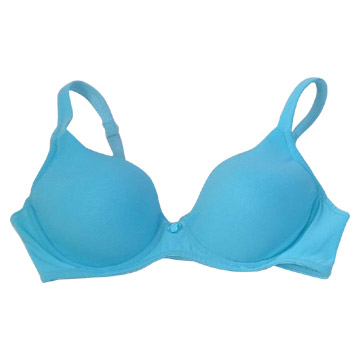

There are grand moments in life: crossing a finish line, hearing your name called for an award, or watching the waiter approach with the dessert you definitely said you were “too full” to order. Then there is the smaller, quieter triumph that happens at home after a long day. The door closes. The shoes come off. The shoulders drop. One hand reaches behind your back with the precision of a seasoned safecracker, andclickthe bra is officially off duty.
For anyone who has spent hours inside bands, straps, hooks, cups, padding, lace, wire, or some highly engineered arrangement that promised “all-day comfort,” taking your bra off can feel like releasing a tiny pressure valve on your entire personality. It is not merely changing clothes. It is a ceremony. A private parade. A declaration that the outside world has lost its jurisdiction over your rib cage.
Why Taking Your Bra Off Feels So Satisfying
The Relief Is Physicaland Instant
A bra is designed to provide support, shaping, coverage, or some combination of the three. To do that job, it must stay close to the body. Even a well-fitting bra creates contact around the torso and shoulders, while a poor fit may produce rubbing, pinching, slipping, or deep strap marks. Add heat, sweat, a long commute, several hours at a desk, and one heroic attempt to carry every grocery bag in a single trip, and the garment can become increasingly noticeable as the day goes on.
Removing it ends that contact in one swift motion. The band no longer hugs the ribs. The straps stop negotiating with the shoulders. The underwire, if present, returns from whence it came. The body receives a simple message: the structured portion of the day is over.
This is also why the moment can feel better at 8:00 p.m. than it would at 8:00 a.m. Comfort is partly about contrast. After hours of pressure and fabric against the skin, freedom feels unusually vivid. It is the clothing equivalent of stepping out of tight shoes, loosening a belt after Thanksgiving dinner, or deleting a meeting that should have been an email.
Your Brain Recognizes a Transition
The bra-removal moment is also a cue. Structured clothing often belongs to work, errands, appointments, or public-facing life. Taking it off can separate “I am still handling things” from “I am officially unavailable unless the house is on fire.” Like washing off makeup or changing into soft pants, the body changes first and the mood follows.
In other words, the unclasp is punctuation. It is the period at the end of the sentence called Today.
The Anatomy of the Perfect Bra-Off Moment
Step One: Getting Through the Front Door
The best bra-off moments begin with a race against delay. Keys hit the bowl, the bag lands on a chair, and mail is ignored. Some people remove the bra neatly in the bedroom. Others perform the famous sleeve escape, producing it from beneath a fully intact shirt like a magician revealing a silk scarf. The maneuver deserves applause, especially when completed without sacrificing glasses, earrings, or dignity.
Step Two: The Shoulder Roll
Immediately after release comes the shoulder roll. Arms stretch overhead. Someone says “ahhh” to an empty room with the sincerity of a traveler spotting land. Traffic and deadlines may still have happened, but the shoulders have voted: the evening has begun.
Step Three: Entering Soft-Clothes Civilization
A bra rarely leaves alone. It is usually the first domino in a chain of comfort decisions. Jeans become sweatpants. A fitted blouse becomes an old T-shirt that has survived three apartments and one regrettable haircut. Socks may disappear. Hair goes up or comes down. A blanket becomes formal eveningwear.
At this stage, a person is no longer dressed for society. Society must submit a request in writing.
When “Normal Discomfort” Is Actually a Fit Problem
There is a difference between enjoying the freedom of going braless at home and counting the minutes until you can escape a bra that actively hurts. A bra should not make breathing feel restricted, leave painful grooves, repeatedly rub the skin raw, force breast tissue to spill dramatically from the cups, or require constant strap adjustment. Those are not signs of moral weakness. They are signs that the size, style, or construction may not suit your body.
Bra size is less permanent than people assume. Bodies change with weight shifts, hormones, pregnancy, aging, exercise, and ordinary life. A size that worked two years ago may now be an old number with excellent public relations. A better fit generally means a secure band without digging, cups without gaping or overflow, and straps that support without carrying the entire burden. Different activities may also call for different designs.
Fabric and Construction Matter, Too
Even the correct numerical size can feel wrong if the fabric is scratchy, the seams sit in sensitive places, the elastic traps heat, or the underwire shape does not match the body. Breathable materials, softer edges, wider straps, adjustable bands, wireless options, and activity-appropriate support can all change the wearing experience.
The important point is not that everyone must find one mythical “perfect bra.” It is that discomfort provides information. If one style consistently makes you itchy, sore, overheated, or distracted, your body is not being dramatic. It is submitting a product review.
Skin, Sweat, and the Under-Bra Ecosystem
Bras live in a challenging neighborhood. They sit close to warm skin, move with the torso, and may collect sweat during hot weather or exercise. Friction combined with moisture can irritate skin, especially beneath the breasts, along the band, near the underarms, or under the straps. Sensitive skin may also react to detergent, fragrance, dyes, elastic, or rough decorative materials.
Simple habits can improve comfort. Rotate bras instead of wearing the same one endlessly, wash them according to their care instructions, let damp sports bras dry promptly, and change out of sweaty clothing after exercise. If skin becomes irritated, take a break from the garment or style that caused the rubbing. Soft, clean, dry fabric is far friendlier than yesterday’s sports bra fermenting in a gym bag like a science fair project.
Persistent rash, broken skin, swelling, unusual warmth, discharge, a new lump, or pain that does not improve deserves medical attention. The joy of taking off a bra is ordinary. Ongoing symptoms should not automatically be dismissed as “just the bra.”
Going Braless Is a Preference, Not a Personality Test
Some people love going braless whenever possible; others prefer support for comfort, movement, modesty, work, exercise, or style. Many switch with the outfit and activity. Clothing choices are practical and personal, not a personality test.
Still, the after-hours ritual has special charm because it is chosen. The bra may have done useful work all day, but its shift has ended. We can appreciate the employee and still ask it to leave the building.
How to Make the End-of-Day Relief Even Better
Create a Comfortable Landing Zone
Keep a soft shirt, robe, or lounge set nearby. This prevents the classic mistake of removing a bra and then remembering the delivery driver is two minutes away, forcing an emergency strategy involving crossed arms and a throw pillow.
Give Your Shoulders a Reset
A few gentle shoulder rolls, arm circles, or an overhead stretch can feel good after a day spent at a computer or in structured clothing. The goal is not to launch a surprise fitness program at 9:00 p.m. It is simply to notice where tension has gathered and invite it to stop paying rent.
Choose Tomorrow’s Bra Based on Tomorrow’s Life
A high-impact sports bra for a morning run, a seamless style beneath a fitted top, a soft wireless bra for travel, and a supportive everyday bra serve different purposes. Matching the garment to the activity can reduce the urge to declare war on all bras by lunchtime.
Retire the Bras That Have Become Villains
Every drawer contains at least one bra that survives entirely through guilt. It cost money. It looked nice in the store. It may technically be the right size. Yet every time it is worn, one strap twists, one cup behaves suspiciously, and the underwire begins plotting before noon.
Thank it for whatever lessons it provided, then let it go if it is still wearable enough to donate through an appropriate clothing or textile program. Life is too short to be repeatedly betrayed by beige engineering.
Related Experiences: 500 More Words of Bra-Off Bliss
The first experience is the stealth removal in a public-adjacent place. Maybe you are still in the car after a long event, safely parked in your own driveway. Maybe you are in an airport restroom after a delayed flight. Maybe you are at a friend’s house for an overnight stay and have finally reached the “we are close enough for loungewear” stage of the relationship.
The bra comes off, gets folded into a bag, and suddenly the situation improves by at least 37 percent. The room has not changed. The problems have not changed. Yet you have changed, because your rib cage has regained diplomatic immunity.
Then there is the hot-day removal. This is a different category of relief. The band has spent hours collecting evidence that summer is personal. When the bra comes off, cool air reaches skin that had forgotten weather existed. You stand in front of a fan for a moment, not because you are being dramatic, but because you have discovered renewable energy.
There is also the post-event version. Weddings, interviews, holiday dinners, formal presentations, school ceremonies, and any gathering involving a garment labeled “shapewear” create a special kind of anticipation. You smile for photos. You sit carefully. You participate in conversation. But part of your mind is already at home, ten steps ahead, planning the exact order in which every structured item will be removed.
When the moment finally arrives, the bra lands on a chair beside the shoes, and the entire outfit looks like the aftermath of a very polite tornado.
The work-from-home version has its own storyline. You put on a real bra in the morning to feel professional. At 2:14 p.m., after three video calls and one spreadsheet that appears to contain a personal grudge, you reconsider. The camera only sees from the shoulders up. The bra disappears. Productivity may or may not improve, but morale certainly does.
Another familiar experience is forgetting you already took it off. You walk through the house with unusual lightness and wonder why the evening feels so peaceful. Then you spot the bra draped over a doorknob, chair, lamp, or other object that was never included in the manufacturer’s storage recommendations. Ah, yes. Freedom has been active for twenty minutes.
Finally, there is the perfect Sunday with nowhere to go. The bra remains in the drawer all day, untouched and possibly confused. You make coffee, answer messages, fold laundry, read, cook, or do absolutely nothing of measurable economic value. At some point, you realize you never had to experience the relief of taking it off because you enjoyed the advanced version: never putting it on.
That is not laziness. That is efficiency.
Conclusion: A Small Freedom Worth Celebrating
Taking your bra off after wearing it for hours is awesome because it turns an ordinary action into a full-body exhale. It combines physical relief, emotional transition, privacy, humor, and the unbeatable luxury of soft clothes. The moment asks for nothing except that you have reached the part of the day when comfort outranks presentation.
A supportive, well-fitting bra can be useful and comfortable. A bad fit can make every hour feel longer. Either way, the end-of-day unclasp remains one of life’s most reliable tiny celebrations. It is proof that happiness does not always arrive with fireworks. Sometimes it arrives with a quiet click behind your back, a dramatic shoulder roll, and a bra tossed across the room with the accuracy of an Olympic discus thrower.