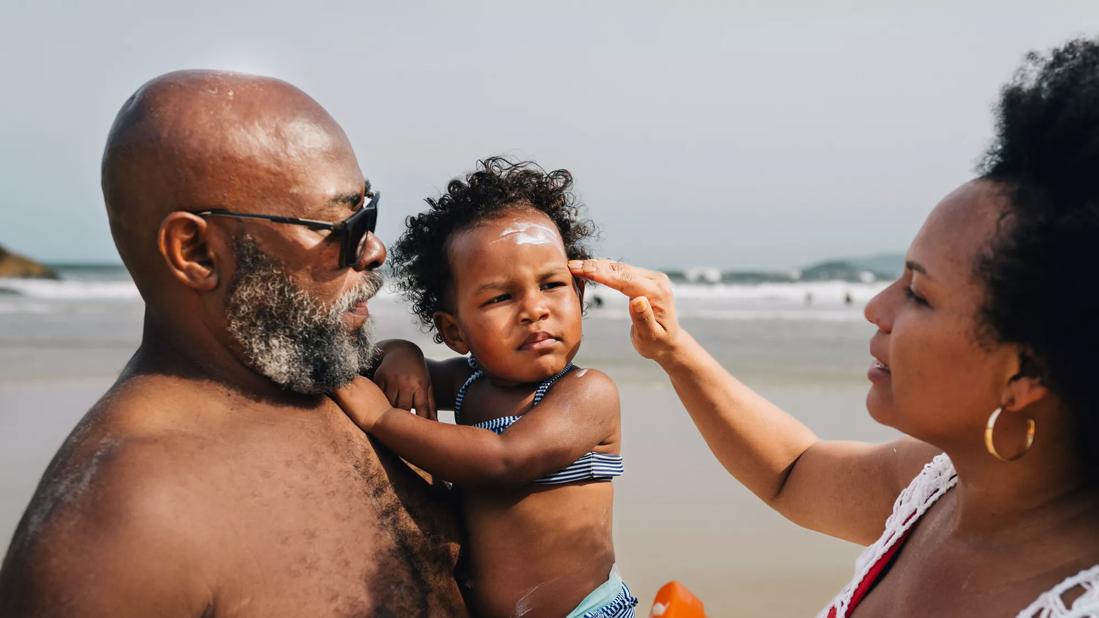

Taking a baby outdoors can require enough equipment to suggest you are leading a small expedition. There is the stroller, diaper bag, backup outfit, mysterious emergency cracker, and perhaps three toys the baby will ignore in favor of your keys. Add sunshine to the itinerary, and another question appears: Can babies wear sunscreen?
The short answer depends mainly on age. Babies younger than 6 months should generally be protected with shade, lightweight clothing, and careful scheduling instead of routine, full-body sunscreen use. Once a baby is 6 months old, sunscreen can become part of a broader sun-protection plan.
That does not mean sunscreen should do all the work. Even an excellent baby sunscreen cannot replace shade, protective clothing, or common sense when the midday sun is behaving like an overhead broiler. Here is how to protect delicate infant skin without turning every trip outside into a military operation.
Why Babies Need Extra Sun Protection
Infant skin is thinner and more sensitive than adult skin. It can burn quickly, and babies cannot tell you that their cheeks feel hot or that the sun is becoming uncomfortable. Their bodies are also less efficient at regulating temperature, which makes overheating and dehydration additional concerns on warm days.
Ultraviolet radiation comes primarily in two forms that affect the skin. UVB rays are strongly associated with sunburn, while UVA rays penetrate more deeply and contribute to long-term skin damage. Both types are involved in skin cancer risk, which is why broad-spectrum protection matters.
Skin color does not eliminate the need for protection. Although melanin provides some natural defense against ultraviolet radiation, babies with brown or black skin can still experience sunburn, pigment changes, eye damage, and cumulative UV injury. Every baby needs a sensible sun-safety routine.
Can You Put Sunscreen on a Baby?
Babies Younger Than 6 Months
The American Academy of Pediatrics, U.S. Food and Drug Administration, and American Academy of Dermatology agree on the main strategy for young infants: keep them out of direct sunlight whenever possible. Use shade, clothing, and a brimmed hat as the first lines of defense.
Routine sunscreen application over large areas of an infant’s body is generally not recommended before 6 months. Young babies have a higher skin-surface-area-to-body-weight ratio than adults, and their skin may be more likely to react to topical products.
Real life, however, occasionally laughs at perfect plans. If adequate shade and clothing are not available, pediatric guidance allows a minimal amount of sunscreen on small exposed areas, such as the face or backs of the hands. Parents should preferably discuss this situation with their pediatrician, especially if the baby was premature, has eczema, or has another skin condition.
Babies 6 Months and Older
At 6 months, sunscreen can be applied to exposed skin as directed on the product label. Choose a broad-spectrum, water-resistant sunscreen with an SPF of at least 30. Continue using shade and protective clothing because sunscreen reduces UV exposure; it does not create an invisible force field.
A “baby” label is not the most important feature. The active ingredients, broad-spectrum coverage, SPF, water-resistance rating, and fragrance content tell you more than a cartoon duck on the bottle.
How To Choose the Best Sunscreen for a Baby
Look for Broad-Spectrum SPF 30 or Higher
Broad-spectrum sunscreen helps protect against both UVA and UVB radiation. SPF primarily describes protection from UVB rays when the product is applied correctly. SPF 30 blocks approximately 97% of UVB radiation under testing conditions, but higher numbers do not last longer or excuse skipped reapplication.
Products below SPF 30 may meet some minimum recommendations, but SPF 30 or higher offers a practical margin because caregivers commonly apply less sunscreen than testing protocols require.
Consider Mineral Active Ingredients
Mineral sunscreens containing zinc oxide, titanium dioxide, or both are often preferred for babies and children with sensitive skin. These ingredients provide broad UV protection and are generally less likely to sting or cause irritation than some chemical filters.
The tradeoff is cosmetic. Mineral formulas may leave a white or gray cast, particularly on darker skin. Newer tinted or sheer products can be easier to blend, but the best formula is ultimately one that is gentle, provides adequate coverage, and will actually be used consistently.
Choose Fragrance-Free Products
Fragrance adds no sun-protection benefit and can irritate sensitive or eczema-prone skin. Look for a simple, fragrance-free formula. “Hypoallergenic” can be helpful as a shopping clue, but it is not a guarantee that every baby will tolerate the product.
Before using a new sunscreen widely, place a small amount on a limited area of skin and watch for redness, swelling, itching, or bumps. Stop using the product and contact a healthcare professional if a significant reaction develops.
Prefer Lotion, Cream, or a Carefully Used Stick
Lotions and creams make it easier to see where sunscreen has been applied. Sticks can be convenient for the cheeks, nose, and ears, but several passes are needed to create an even layer.
Sprays are less suitable for babies because droplets can be inhaled and wind can carry much of the product away. They also make it surprisingly easy to miss patches. If a spray is the only available option for an older baby, spray it into your hands away from the child and then rub it onto the skin. Never spray sunscreen directly toward a baby’s face.
Understand Water-Resistance Labels
No sunscreen is waterproof. In the United States, water-resistant products are labeled to indicate whether they maintain their tested SPF for 40 or 80 minutes while swimming or sweating. Once that period endsor immediately after towel dryingthe sunscreen needs another round.
How To Apply Sunscreen to a Baby Correctly
Apply sunscreen about 15 to 30 minutes before going outside, following the directions on the label. Cover all exposed skin with a generous, even film rather than a decorative dab. Commonly missed places include the ears, hairline, back of the neck, shoulders, tops of the feet, and backs of the hands.
Be careful around the eyes and mouth. A broad-spectrum sunscreen stick may offer better control on the face, but it still needs to be spread evenly. Avoid placing sunscreen on broken or severely irritated skin unless a clinician recommends it.
Reapply at least every two hours and sooner after swimming, sweating, rubbing, or towel drying. A stroller nap does not reset the clock. Neither does a confident declaration that the baby “was mostly under the umbrella.”
A Simple Application Checklist
- Use sunscreen on babies 6 months and older.
- Choose broad-spectrum SPF 30 or higher.
- Select a water-resistant formula for swimming or sweaty weather.
- Apply 15 to 30 minutes before outdoor exposure.
- Use enough to create a visible, even layer before rubbing it in.
- Reapply every two hours and after water exposure or towel drying.
- Wash the sunscreen off gently when outdoor activities are finished.
Sunscreen Is Only One Part of Baby Sun Safety
Create Reliable Shade
Use a stroller canopy, umbrella, tree, covered porch, or other shade structure. Remember that shade moves as the sun travels, so the wonderfully shaded stroller at 10 a.m. may become a tiny solar oven at noon.
Never drape a heavy blanket completely over a stroller. Although it appears to create shade, it can reduce airflow and allow heat to build rapidly. Use a ventilated sunshade designed for the stroller, and check the baby frequently.
Shade also does not block every UV ray. Sand, pavement, snow, and water can reflect radiation into shaded areas. Protective clothing remains useful at the beach, pool, lake, and other reflective settings.
Dress for Protection Without Trapping Heat
Choose loose, lightweight clothing that covers the arms and legs. Tightly woven fabric generally blocks more ultraviolet radiation than loose or sheer material. If you can easily see sunlight through the fabric when holding it up, it provides limited protection.
UPF-rated clothing offers more predictable protection and can reduce the amount of exposed skin requiring sunscreen. A wide-brimmed or legionnaire-style hat should shade the face, ears, and neck. Baseball caps are adorable but leave the ears and neck negotiating with the sun on their own.
Baby sunglasses should block 99% to 100% of UVA and UVB radiation and fit securely without pinching. Dark lenses alone do not prove that glasses provide UV protection, so check the label.
Time Outdoor Activities Wisely
UV radiation is typically strongest from late morning through midafternoon, often between 10 a.m. and 4 p.m. Schedule walks and outdoor play earlier in the morning or later in the day when practical.
Check the local UV Index rather than judging risk by temperature. A cool, breezy, or cloudy day can still have substantial ultraviolet radiation. Protection becomes increasingly important when the UV Index reaches 3 or higher.
Common Baby Sunscreen Mistakes
Applying Too Little
A whisper-thin coating will not provide the protection stated on the bottle. Apply an even layer to every exposed area and rub it in thoroughly. If application seems suspiciously fast, there is a good chance an ear or ankle has escaped.
Forgetting To Reapply
Morning sunscreen cannot be expected to survive an entire afternoon of swimming, sweating, drooling, wiping, and general baby activity. Set a phone reminder or connect reapplication with a routine event such as a snack or diaper check.
Relying on Sunscreen Alone
Sunscreen should not be used to extend a baby’s time in strong sunlight. Combining shade, clothing, hats, sunglasses, appropriate timing, and sunscreen provides more dependable protection than any single measure.
Using Expired or Poorly Stored Sunscreen
Check the expiration date and replace expired products. If no expiration date is printed, FDA guidance generally treats sunscreen as stable for up to three years after purchase. Write the purchase date on the bottle, and discard sunscreen that has changed in color, smell, or texture.
Do not leave the container baking in a hot car or sitting in direct sunlight. Store it according to the label and wrap it in a towel or keep it in shade when spending time outdoors.
Assuming Clouds or a Darker Skin Tone Remove the Risk
UV radiation can pass through clouds, and reflected rays can reach a baby under an umbrella. Babies of every skin tone require protection. Sunburn may look bright red on lighter skin and appear as warmth, tenderness, swelling, or a deeper change in color on darker skin.
What To Do If a Baby Gets Sunburned
Move the baby indoors or into a cool, shaded place immediately. Apply a cool, damp compress to the affected skin. Do not use ice directly, pop blisters, scrub the area, or apply products containing numbing ingredients unless a healthcare professional recommends them.
Offer breast milk or formula normally and watch for signs of dehydration or heat illness. These may include unusual sleepiness, excessive fussiness, poor feeding, a dry mouth, fewer wet diapers, rapid breathing, or skin that remains hot.
Contact the pediatrician promptly about sunburn in a baby younger than 6 months. Seek urgent medical care if the burn is blistering or widespread, or if the baby develops fever, vomiting, severe pain, lethargy, breathing changes, poor responsiveness, or signs of dehydration. A severe infant sunburn can be a medical emergency.
Practical Experiences and Lessons From Everyday Outings
The following composite examples reflect common situations families encounter. They are not substitutes for personalized medical advice, but they reveal why good sun protection is usually about planning rather than finding one magical bottle.
The “Quick” Stroller Walk
A family plans a 15-minute morning walk with their 4-month-old. The baby is dressed in lightweight pants, a long-sleeved shirt, and a brimmed hat. Halfway through the walk, an interesting conversation with a neighbor turns 15 minutes into 45. Meanwhile, the sun shifts and reaches one side of the stroller.
The lesson is simple: short outings have a talent for becoming long ones. A ventilated stroller shade, a route with reliable tree cover, and regular checks of the baby’s temperature and position offer better protection than trusting the original schedule. For a child younger than 6 months, physical barriers remain the priority.
The First Family Beach Day
At the beach, parents place their 8-month-old under an umbrella and assume the job is finished. Later, they notice that the baby’s feet and lower legs were exposed. Sand and water can reflect ultraviolet radiation, allowing meaningful exposure even in partial shade.
A better routine begins before leaving home: apply broad-spectrum SPF 30 or higher to all exposed skin, dress the baby in a long-sleeved UPF swim shirt, add a wide-brimmed hat, and pack more sunscreen than seems necessary. Reapplication should happen after water play, towel drying, or according to the product’s water-resistance time.
The Sunscreen That Caused a Rash
Another family tries a heavily scented sunscreen on their 7-month-old. Several hours later, small red bumps appear where the product was applied. The parents stop using it, gently wash the skin, and consult their pediatrician when the irritation persists.
For the next outing, they test a fragrance-free zinc oxide formula on a small patch of skin before using it more broadly. The new product leaves a faint white cast, but it does not irritate the baby’s skin. In this contest, comfortable skin beats cosmetic perfection by a landslide.
The Spray Sunscreen Shortcut
A caregiver chooses an aerosol sunscreen because the baby refuses to sit still. Most of the spray lands on the patio, some drifts toward the child’s face, and coverage becomes impossible to judge. Switching to lotion solves much of the problem. One adult distracts the baby with a toy while the other applies an even layer in sections.
The broader lesson is that convenience matters only when the product is used correctly. A theoretically excellent sunscreen that floats away in the breeze provides less protection than an ordinary lotion applied thoroughly.
The Routine That Finally Works
Many families eventually create a “sun station” beside the door containing sunscreen, hats, sunglasses, and a spare lightweight cover-up. Sunscreen goes on before shoes, and a phone reminder signals when it is time to reapply. The diaper bag carries a second bottle so nobody has to perform the traditional vacation ritual of buying overpriced sunscreen at a beach kiosk.
This approach works because it makes sun safety automatic. Babies do not need a flawless outdoor environment. They need adults who use several layers of protection, notice changing conditions, and respond before warm skin becomes a burn.
Conclusion
For babies younger than 6 months, shade and protective clothing should lead the sun-safety plan. If exposed areas cannot be covered, ask the pediatrician whether a small amount of mineral sunscreen is appropriate. Beginning at 6 months, use a broad-spectrum, water-resistant SPF 30 or higher sunscreen on exposed skin and reapply it consistently.
The most effective strategy combines sunscreen with lightweight clothing, a wide-brimmed hat, UV-protective sunglasses, dependable shade, and outdoor activities scheduled away from peak sunlight. It may sound like a lot, but the routine quickly becomes as ordinary as packing diapersand usually involves fewer surprises.
Note: This article provides general educational information and does not replace advice from your child’s pediatrician. Seek medical care promptly for a severe sunburn, suspected heat illness, dehydration, or an unusual reaction to sunscreen.