
Skirts and dresses are supposed to feel effortless. Unfortunately, wind, thigh chafing, transparent fabric, and the occasional poorly timed staircase can turn an effortless outfit into a full-time security assignment.
Wearing spandex shorts under skirts and dresses offers a practical solution. The right pair can provide discreet coverage, reduce friction between the thighs, absorb moisture, smooth visible lines, and make it easier to sit, walk, dance, commute, or chase a runaway shopping cart without worrying about accidental exposure.
The key is choosing undershorts that work with the outfit rather than fighting it. They should stay hidden, move comfortably, and avoid creating new problems such as rolling waistbands, visible hems, trapped heat, or uncomfortable compression.
This nine-step guide explains how to wear spandex shorts under dresses and skirts comfortably, confidently, and almost invisibly.
Why Wear Spandex Shorts Under a Dress or Skirt?
Spandex shorts are not just emergency protection against enthusiastic breezes. Depending on their design, they can serve several useful purposes.
Close-fitting shorts create a barrier between the inner thighs, which can reduce skin-on-skin friction. This is particularly helpful during hot weather, long walks, sightseeing, outdoor events, or any day involving more than a ceremonial amount of movement. Moisture-wicking synthetic fabrics can also move perspiration away from the skin more effectively than heavy, absorbent materials.
Undershorts provide extra coverage beneath short skirts, loose dresses, wrap styles, and garments made from lightweight fabric. Some designs also smooth underwear lines without delivering the intense squeeze associated with firm shapewear.
The goal is not to change your body. It is to make your clothes easier to enjoy. Your dress gets to be dramatic; your underlayer should quietly handle logistics.
Step 1: Decide What You Need the Shorts to Do
Start by identifying your main reason for wearing shorts under your outfit. This decision will help determine the best fabric, length, rise, and compression level.
For modesty and coverage
Choose lightweight, opaque shorts that fit close to the body. They should provide enough coverage to help you feel secure without adding unnecessary thickness beneath the skirt.
For thigh-chafing prevention
Look for anti-chafing shorts that extend beyond the area where your thighs normally rub. A tiny pair that ends above the friction zone may look cute in the package but contribute absolutely nothing once you start walking.
For smoothing
Select light-compression slip shorts with flat seams and a wide waistband. Firm shapewear can create a more sculpted appearance, but it may be too restrictive for everyday wear or warm conditions.
For active movement
If you plan to cycle, dance, travel, or walk for several hours, prioritize moisture management, four-way stretch, and hems that resist riding up. A pocket can also be useful, although placing a large phone beneath a delicate dress may produce a mysterious rectangular silhouette.
Step 2: Match the Shorts Length to the Hemline
The shorts must be long enough to perform their job but short enough to remain hidden. Before leaving home, check the outfit while standing, sitting, bending, and climbing stairs.
Short dresses and miniskirts usually work best with short inseams. A fitted two- to four-inch style may provide coverage without peeking below the hem. Above-the-knee dresses often allow four- to six-inch shorts, while midi and maxi garments can accommodate longer anti-chafing styles.
Leave a reasonable gap between the bottom of the shorts and the skirt hem. A pair that disappears while you are standing may emerge when you sit down or when the dress shifts upward.
Pay special attention to asymmetrical hems, wrap skirts, side slits, and curved hemlines. The shortest point of the garment determines how much room you actually have. Check every angle in a full-length mirror rather than trusting the front view alone.
For a high slit, consider shorter shorts, shorts in a color that blends with your skin, or a one-legged undergarment designed for slit dresses. Regular mid-thigh shorts can become unexpectedly visible each time you take a step.
Step 3: Choose a Lightweight, Breathable Fabric
Most comfortable undershorts use a blend of spandex, also called elastane, with nylon or polyester. Spandex supplies stretch and shape recovery, while the other fibers provide structure, durability, and moisture management.
For warm weather, look for thin, breathable, quick-drying fabric. A smooth knit slides more easily beneath a dress and is less likely to grab the outer material. Matte fabric is usually more discreet than shiny athletic spandex, especially beneath pale or loosely woven clothing.
Cotton-rich shorts may feel soft at first, but cotton can retain moisture and become heavy during a hot, active day. A synthetic performance blend is often more comfortable when sweat and thigh friction are the main concerns.
Inspect the seams as well. Flat seams, bonded edges, or seamless construction can reduce bulky ridges and irritation. Avoid rough stitching positioned directly along the inner thigh, particularly when the shorts will be worn for several hours.
Very thin fabric should pass an opacity test. Stretch the shorts over your hand or perform a squat in bright light. If the material becomes transparent, remember that your dress is an outer layer, not a legally binding confidentiality agreement.
Step 4: Select the Correct Size and Compression Level
Spandex shorts should feel snug, but tighter is not automatically better. Shorts that are too small may dig into the waist, pinch the thighs, roll down, restrict movement, or create visible bulges at the hems.
Begin with the manufacturer’s size chart and use current waist and hip measurements rather than the size you hope still applies after a generous weekend brunch. Clothing sizes vary substantially between brands.
Once the shorts are on, walk, sit, squat, and raise your knees. The waistband should remain stable without making breathing feel like an advanced elective. Leg openings should stay flat without cutting into the skin.
For everyday coverage and chafing prevention, light compression is usually sufficient. Medium or firm compression may be appropriate when smoothing is the priority, but it should still allow normal movement and comfortable sitting.
If you fall between sizes and primarily want comfort, the larger size is often the safer choice. Replace shorts that have stretched out, developed loose elastic, or begun migrating north every six steps.
Step 5: Coordinate the Color With Your Outfit
Black shorts are versatile beneath dark and opaque garments, but they may show through white, cream, pastel, or thin fabrics. Under light-colored dresses, a shade close to your skin tone is usually less visible than bright white.
Do not assume the outfit is opaque simply because it looks fine indoors. Stand near a sunny window and check the back and sides. Phone-camera flash can reveal contrasts that ordinary room lighting hides.
When wearing a loose skirt that may lift in the wind, the shorts can either disappear or become a deliberate part of the outfit. Neutral undershorts create a discreet look. Coordinated bike shorts can appear intentional beneath sporty dresses, oversized shirts, or casual skirts.
Avoid bold prints, neon colors, thick logos, and contrasting waistbands under sheer clothing unless they are part of the styling plan. Surprise polka dots are charming on gift wrap and less charming under a formal chiffon dress.
Step 6: Decide Whether to Wear Underwear
Whether to wear underwear beneath spandex shorts depends on the garment’s construction, your comfort, hygiene preferences, and the length of time you will wear it.
Some slip shorts and athletic shorts include a lined gusset or built-in liner and are designed to function as a next-to-skin layer. Others are simply outer-style bike shorts and may feel more comfortable with underwear.
If you wear underwear, choose a breathable, well-fitting pair that lies smoothly beneath the shorts. Seamless briefs, laser-cut underwear, or lightweight moisture-wicking styles can minimize bunching and visible lines.
Avoid stacking several tight layers. Underwear with thick seams beneath compression shorts can create pressure points, trap heat, and cause the very lines you were trying to eliminate.
For all-day wear, start with clean, dry garments and change after heavy sweating. If you regularly experience irritation, unusual discomfort, or recurring skin problems, discuss the issue with a qualified healthcare professional rather than attempting to solve everything with increasingly complicated underwear architecture.
Step 7: Put the Shorts On Slowly and Smooth Them Flat
Do not yank compression-style shorts on by the waistband. Gather each leg, step into the garment, and gradually pull the fabric upward. This distributes the stretch more evenly and reduces strain on the elastic.
Once the shorts are in place, smooth the fabric from the thighs toward the hips. Remove twists, wrinkles, and folds, especially along the inner legs. Bunched material can create friction and visible ridges beneath a fitted skirt.
Position the waistband at its intended height. High-rise shorts generally work best near the natural waist, while mid-rise styles should sit securely across the hips. Constantly pulling a high-rise garment downward usually encourages rolling rather than preventing it.
Check that the gusset and center seams are aligned comfortably. If the shorts pull sharply at the crotch or sag between the legs, the size or cut may be wrong for your proportions.
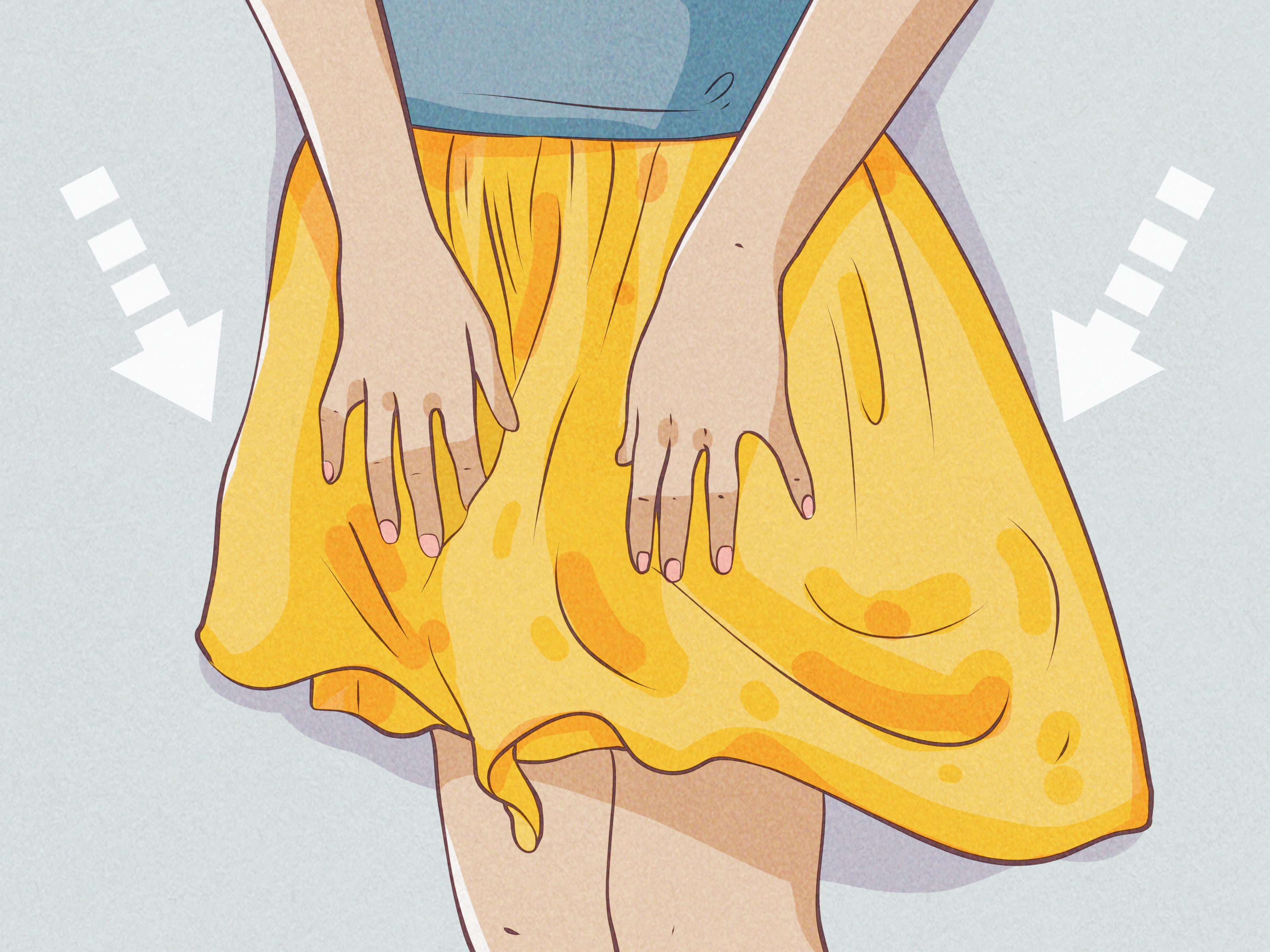
Finally, put on the skirt or dress carefully so the outer fabric does not drag the shorts upward. Smooth both layers separately.
Step 8: Perform a Full Movement and Visibility Test
A mirror check while standing perfectly still is only the beginning. Real life includes chairs, stairs, sidewalks, vehicle seats, wind, dropped keys, and at least one object placed inconveniently on a low shelf.
Before leaving home, perform a practical movement test:
- Walk normally and take several long strides.
- Sit in a chair and cross your legs.
- Climb a few stairs.
- Bend forward and squat carefully.
- Raise your arms to see whether the dress lifts.
- Check the front, back, sides, and any slits.
Make sure the shorts do not roll, ride up, or extend below the hem. Confirm that the waistband does not show through the dress and that the outer fabric hangs naturally rather than clinging to the shorts.
Static can cause lightweight skirts to attach themselves to synthetic undershorts. An anti-static spray approved for the garment, a light slip, or a different fabric combination may help. Test any product on a hidden area first.
Step 9: Keep the Shorts Comfortable and Care for Them Properly
During long days, moisture and repeated movement can still cause irritation. Keep the skin clean and dry, and consider applying a small amount of anti-chafing balm to areas prone to rubbing. Follow the product directions and stop using it if irritation develops.
If the shorts begin rolling or riding up, adjusting them every few minutes is not a long-term solution. Try a longer inseam, a wider waistband, flat leg openings, or a different size. Shorts that fit correctly should not require a dedicated maintenance crew.
Wash spandex shorts after sweaty wear. Always check the care label, but many performance garments do best in cold water with similar lightweight fabrics. Turn the shorts inside out, use a mild detergent, and place delicate styles in a mesh laundry bag.
Avoid chlorine bleach unless the label specifically permits it. Fabric softener can leave residue on technical materials and may interfere with moisture-wicking performance. High heat can also weaken elastic fibers, so air-drying is often the gentlest option. When machine drying is permitted, use low heat.
Keep spandex away from rough zippers, hook-and-loop fasteners, and abrasive towels in the wash. Proper care helps preserve stretch, prevent pilling, and stop the waistband from retiring earlier than expected.
Common Mistakes to Avoid
Choosing shorts that are too short
If the purpose is preventing thigh rub, the fabric must cover the area where friction occurs. Shortening the inseam for invisibility is not useful when the shorts fail to reach the problem zone.
Using heavy athletic shorts under delicate dresses
Thick seams, drawstrings, pockets, and large waistbands may show beneath satin, jersey, silk-like fabrics, or fitted knits. Choose lightweight slip shorts for delicate outfits.
Assuming firm compression is required
You do not need industrial-strength shapewear merely to enjoy a sundress. Light, flexible shorts often provide sufficient coverage and anti-chafing protection with far less squeezing.
Ignoring the dress slit
Shorts can remain hidden beneath the front hem while appearing through a side or back slit. Test the outfit while walking, not just while posing.
Skipping the weather check
Warm, humid conditions call for breathable, moisture-wicking fabric. Cold or windy weather may justify a slightly heavier layer. One pair does not have to serve every season and occasion.
Real-World Experiences: What You Learn After Wearing Undershorts All Day
The difference between shorts that feel perfect for five minutes and shorts that remain comfortable for ten hours usually appears after the wearer leaves the house. Several common situations reveal which features genuinely matter.
The summer wedding experience
Consider a guest wearing a flowing midi dress to an outdoor wedding. At home, short cotton undershorts may seem soft and adequate. After the ceremony, however, heat and perspiration make the cotton damp, while the short inseam creeps above the point where the thighs rub.
A lightweight nylon-and-spandex pair with a longer inseam would probably perform better. It creates continuous coverage, dries faster, and is less likely to bunch during dancing. The lesson is simple: select shorts for the entire event, not merely for the air-conditioned mirror inspection before departure.
The office commute experience
A commuter wearing a knee-length skirt may choose firm shapewear because it creates a beautifully smooth line. The outfit looks excellent while standing, but the waistband folds during a train ride and becomes uncomfortable at a desk.
For an ordinary workday, light-compression slip shorts with a wide, flexible waistband may provide a better balance. They can smooth underwear lines and add coverage without turning lunch into a negotiation between the waistband and the stomach.
Sitting tests are therefore just as important as walking tests. Any garment worn for work should remain comfortable through meetings, meals, and several hours in a chair.
The windy-day experience
A loose wrap dress can behave perfectly in the bedroom and become surprisingly ambitious on a windy street. Discreet spandex shorts remove much of the anxiety from holding a bag, opening an umbrella, or walking across an exposed parking lot.
In this situation, opacity matters more than shaping. The best shorts are close-fitting, fully opaque when stretched, and short enough to remain under the dress. A neutral color prevents the underlayer from becoming the star of an unplanned performance.
The sightseeing experience
Travel often combines long walks, heat, stairs, public transportation, and limited opportunities to change clothes. Shorts that roll after fifteen minutes can become unbearable by lunchtime.
A traveler usually benefits from longer anti-chafing shorts with flat seams and quick-drying fabric. Washing them in a hotel sink is easier when the material releases moisture quickly. Carrying a second pair also allows one to dry while the other is worn.
Pockets can be helpful during sightseeing, but loaded pockets may pull on the shorts or show beneath a lightweight dress. A room key or small card may work well; a phone, portable battery, passport, and snack collection probably belong in a bag.
The fitted-dress experience
Under a body-skimming knit dress, ordinary bike shorts may create visible leg bands. The solution is not necessarily stronger compression. Shorts with bonded hems, laser-cut edges, or a slightly longer leg can produce a smoother transition.
Color is also critical. White underwear beneath a white dress can appear surprisingly obvious, while a shade closer to the wearer’s skin often blends more effectively.
The most useful overall lesson
The best undershorts are the pair you forget about. They do not pinch, announce themselves through the dress, crawl upward, or require adjustment every time you stand. Finding that pair may involve trying several rises and inseams because bodies and garments are shaped differently.
Once you find a reliable style, consider owning versions in a dark color and a skin-blending neutral. This small wardrobe system covers most skirts and dresses without demanding a separate engineering consultation before every outfit.
Conclusion
Learning how to wear spandex shorts under skirts and dresses is mostly about matching the underlayer to the outfit and the activity. Choose the right inseam, breathable fabric, comfortable size, suitable color, and appropriate compression level. Then test the complete outfit while moving, sitting, and viewing it under realistic lighting.
Properly fitted slip shorts or bike shorts can reduce thigh friction, provide dependable coverage, and make skirts and dresses easier to wear in everyday life. The result should feel secure without being restrictive and discreet without requiring constant adjustment.
Your skirt can twirl, your dress can float, and the wind can submit its application for chaos. The shorts underneath will already have the situation handled.
SEO Metadata