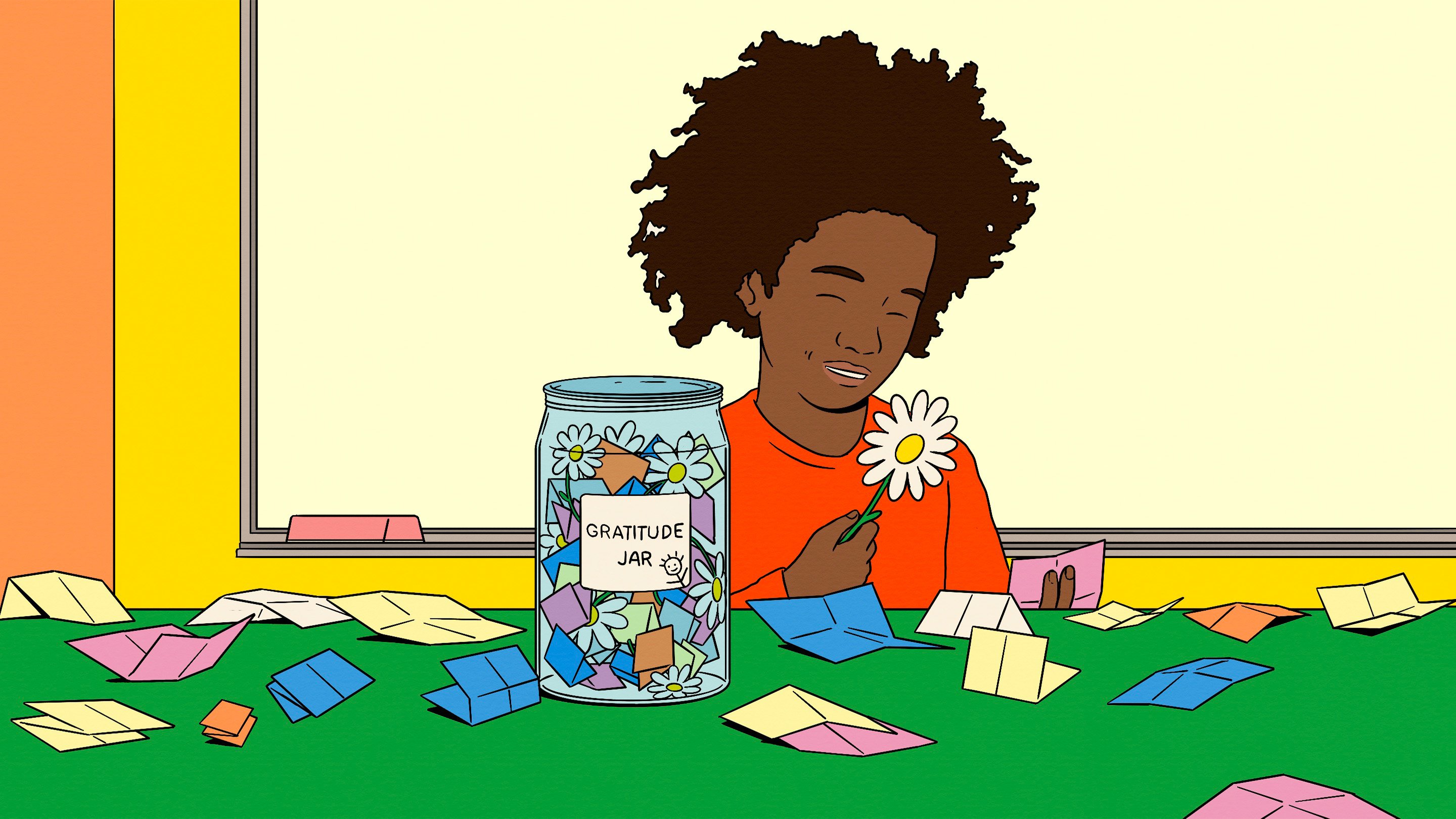

A well-run elementary classroom can look a little like a tiny town. Someone takes care of shared supplies. Someone welcomes visitors. Someone keeps the library from becoming a mysterious mountain of upside-down books. And, ideally, the teacher is not the mayor, sanitation department, technology desk, postal service, and pencil-rescue squad all at once.
That is where elementary classroom jobs become surprisingly powerful. When thoughtfully designed, classroom responsibilities do much more than save teachers a few minutes. They give children meaningful opportunities to contribute, practice leadership, cooperate with classmates, and experience what it feels like to be an important member of a community.
Research and classroom guidance from organizations focused on social-emotional learning, positive behavior support, student belonging, and elementary education consistently emphasize several related ideas: children benefit from predictable routines, explicit teaching of expectations, meaningful participation, supportive relationships, and opportunities to exercise responsibility. Classroom jobs can bring all of those elements together in a simple daily system.
The trick is to stop thinking of classroom jobs as a list of chores and start thinking of them as community roles.
Why Classroom Jobs Matter in Elementary School
There is an enormous difference between telling a student, “Pick up those markers,” and telling that student, “You are our Supply Manager this week, and everyone is depending on you to help keep our art materials ready.”
The physical task may be almost identical. The meaning is not.
A meaningful role communicates trust. It tells a child that the classroom does not merely belong to the teacher; it belongs to everyone who learns there.
Classroom Jobs Create a Sense of Belonging
Students are more likely to feel connected to a classroom when they can see evidence that their presence matters. A child who waters the plants, organizes books, welcomes classmates, or prepares materials has a visible contribution to make.
That sense of contribution can be especially valuable in the elementary years, when children are developing ideas about competence, friendship, responsibility, and their place within a group.
The most effective jobs answer a simple question: Who benefits when I do this well? If students can identify the answermy classmates, my teacher, our visitors, our classroom environmentthe responsibility feels authentic rather than invented.
Jobs Build Responsibility Through Practice
Responsibility is difficult to teach as an abstract concept. A poster reading “Be Responsible!” may look impressive next to a cartoon eagle, but children need opportunities to actually practice responsibility.
A classroom job provides a small, manageable commitment. Students remember a task, follow steps, notice whether it has been completed, and sometimes solve a minor problem without immediately asking an adult to take over.
Those experiences develop independence one ordinary moment at a time.
Jobs Support Social-Emotional Learning
Many classroom responsibilities naturally involve skills associated with social-emotional learning, including self-management, social awareness, relationship skills, cooperation, and responsible decision-making.
A greeter practices communication. A materials manager practices organization. A peer helper practices patience. A cleanup coordinator practices teamwork. A kindness observer practices noticing other people.
No thirty-minute lecture titled “Today We Will Learn Cooperation” is required. The skills are embedded in classroom life.
20 Elementary Classroom Jobs That Build Community
The best classroom job system does not need 40 laminated badges and an organizational chart worthy of a multinational corporation. Choose responsibilities that genuinely help your particular classroom function.
1. Morning Greeter
The Morning Greeter welcomes classmates at the classroom door with a friendly hello, wave, fist bump, or other teacher-approved greeting.
This role establishes the idea that creating a welcoming environment is everyone’s responsibility. It can also provide a low-pressure opportunity to practice eye contact, names, manners, and friendly communication.
2. Supply Manager
The Supply Manager checks frequently used materials such as pencils, paper, crayons, scissors, glue sticks, and dry-erase markers.
Instead of discovering during an activity that 23 children have somehow consumed every usable pencil in North America, the class has a simple system for identifying supplies that need attention.
3. Classroom Librarian
The Classroom Librarian returns books to the correct locations, straightens shelves, and may help create a small featured-book display.
Older elementary students can take additional ownership by recommending books or organizing a rotating “Students Are Reading” shelf.
4. Technology Helper
A Technology Helper can assist with basic routines such as checking whether shared devices are plugged in, distributing headphones, or helping classmates remember established login procedures.
This job should have clear boundaries. Students should never be expected to access private accounts, change administrative settings, or perform tasks reserved for school technology staff.
5. Plant Caretaker
Give one student responsibility for checking classroom plants and watering them according to a simple schedule.
This peaceful little job connects responsibility with caring for a shared environment. It can also create natural conversations about plant biology, resources, and environmental stewardship.
6. Classroom Courier
The Classroom Courier delivers teacher-approved materials or messages to designated locations in the school.
Besides being useful, the role requires students to practice independence, appropriate hallway behavior, and polite communication with adults outside their classroom.
7. Recycling Monitor
The Recycling Monitor helps classmates use recycling and trash containers correctly and checks the area at appropriate times.
Rather than turning the student into the Recycling Police, frame the job around conservation and caring for shared resources.
8. Attendance Assistant
Depending on school procedures, a student can help update a classroom attendance display, count students, or complete another non-confidential part of the morning routine.
It is a quick responsibility that encourages observation and numerical thinking while making arrival procedures more student-centered.
9. Calendar Captain
Especially useful in primary classrooms, the Calendar Captain updates the date, day of the week, weather chart, school-day count, or another calendar routine.
The role can quietly reinforce sequencing, number sense, time concepts, and speaking skills.
10. Materials Distributor
This student distributes notebooks, worksheets, manipulatives, or other materials before a lesson.
Teach an efficient procedure first. Without one, a Materials Distributor can accidentally transform a 20-second task into a dramatic walking tour of the entire classroom.
11. Table Captain
Instead of giving one child authority over classmates, make the Table Captain responsible for helping the group complete shared routines, such as collecting materials or checking that the workspace is ready.
The distinction matters. Classroom jobs should create service-oriented leadership, not miniature management positions.
12. Line Leader
The classic Line Leader survives for a reason. Elementary students often enjoy the responsibility, and the job creates a predictable transition routine.
Rotate it fairly so leadership does not become a prize reserved for the fastest, quietest, or most compliant students.
13. Door Holder
The Door Holder assists during class transitions when appropriate and safe.
Although simple, the role provides a practical example of courtesy: one person’s small action can make movement easier for an entire group.
14. Cleanup Coordinator
The Cleanup Coordinator does not clean the room for everyone. Instead, the student helps initiate and organize the class’s shared cleanup routine.
That wording is important. Community means everyone participates; it does not mean one eight-year-old becomes unpaid facilities management.
15. Kindness Observer
This role moves beyond physical chores. The Kindness Observer notices examples of classmates helping, including, encouraging, or showing consideration for others.
During a class meeting, the student might share one or two observations without turning the activity into a popularity contest. The goal is to strengthen awareness of positive community behavior.
16. Brain Break Leader
Allow a student to lead a teacher-approved stretch, movement break, breathing exercise, or quick classroom activity.
Students experience leadership while also learning that maintaining a productive classroom sometimes involves recognizing when bodies and brains need a reset.
17. Energy Saver
The Energy Saver checks lights, projectors, or other teacher-designated devices when the class leaves the room.
The role transforms sustainability from something discussed during Earth Day into something practiced throughout the school year.
18. Absent Classmate Helper
An Absent Classmate Helper can help returning students locate missed handouts or understand routine classroom information.
Keep academic instruction with the teacher, but allow students to participate in welcoming a returning classmate back into the group.
19. Celebration Coordinator
This student helps the class acknowledge birthdays, accomplishments, completed projects, or other appropriate milestones.
Celebrations do not need cupcakes, confetti cannons, or a budget. A card, class cheer, compliment, or cheerful message can communicate that people’s important moments are noticed.
20. Community Connector
For older elementary students, create a Community Connector role that gathers ideas for helping the school or local community.
Suggestions could include a book drive, thank-you notes for school staff, playground cleanup, food collection, or another age-appropriate service project approved by the school.
This role helps students see the classroom as part of a larger network of people rather than an isolated room where multiplication mysteriously happens.
How to Create a Classroom Job System That Actually Works
Choose Real Jobs, Not Busywork
Students notice remarkably quickly when a job exists only because the teacher needed another rectangle on the job chart.
Ask yourself whether the responsibility makes classroom life better. If nobody cares whether the task happens, eliminate it.
A smaller collection of meaningful roles is more effective than dozens of artificial assignments.
Explain Why Each Job Matters
Connect every responsibility to the community.
Instead of saying, “Your job is straightening the library,” explain, “Organized shelves help classmates find books they want to read.” Instead of “Turn off the lights,” explain that conserving electricity prevents waste.
Purpose changes a chore into contribution.
Model the Job Explicitly
Adults frequently underestimate how many steps are hiding inside an apparently simple routine.
Show students exactly what successful completion looks like. Model where materials belong, when the job should happen, what students should do if something goes wrong, and when they should ask for help.
Then let them practice.
Clear procedures support independence far better than repeatedly correcting mistakes after students have already guessed what the teacher wanted.
Rotate Responsibilities Fairly
Rotation allows students to practice different skills and prevents the same children from monopolizing desirable leadership roles.
Weekly rotation works well for many classrooms because it gives students enough time to learn a job without remaining in it forever. Some teachers prefer two-week rotations for more complicated positions.
Whatever system you choose, make it visible and predictable.
Offer Choice When Possible
Student agency can make classroom responsibilities more meaningful. Older elementary students might rank several preferred jobs, submit a simple application, suggest a new role, or explain why they would like to try a particular responsibility.
Choice does not mean every child always receives a favorite position. It means students have an appropriate voice in how they participate.
Make Classroom Jobs Inclusive
A strong job system should create opportunities for every student to contribute without demanding that all students contribute in exactly the same way.
Consider mobility, sensory needs, communication preferences, attention needs, language development, learning differences, and individual accommodations when assigning responsibilities.
A student uncomfortable greeting people at the door might excel as a librarian. A child who needs movement may enjoy delivering materials. A student who communicates differently could manage a visual calendar or supply checklist.
Do not make accommodations feel like exclusions. The objective is to create meaningful access to classroom participation.
Teachers should also avoid using desirable jobs as rewards for “good” students or permanently withholding responsibility from students who struggle with behavior. Responsibility can itself provide structure, connection, and an opportunity to experience success.
Common Classroom Job Mistakes to Avoid
Turning Jobs Into a Competition
When prestigious roles go only to students who earn the most points, classroom service becomes a status symbol instead of a shared responsibility.
Keep the emphasis on contribution rather than hierarchy.
Creating Student Police Officers
A Line Leader should model appropriate hallway behavior, not issue citations. A Supply Manager should care for pencils, not interrogate suspects about the missing purple marker.
Students can remind, model, assist, and communicate. Classroom discipline remains an adult responsibility.
Doing the Job for Students
The first few attempts may be slower than doing everything yourself. That is normal.
If teachers immediately take over whenever students struggle, children learn that the responsibility was never really theirs. Provide guidance, simplify the procedure if necessary, and leave room for improvement.
Keeping the Same System All Year
Classroom needs change.
A job that is essential in September may become unnecessary in January, while a new classroom routine may create another useful responsibility. Hold occasional discussions about which jobs are helpful, which should change, and whether students see needs adults have missed.
That conversation itself strengthens student ownership.
Using Classroom Jobs to Strengthen Community Meetings
Class meetings provide an excellent opportunity to connect jobs with community reflection.
Once a week, spend a few minutes asking questions such as:
- Which classroom job helped you this week?
- What responsibility was harder than expected?
- Did you notice someone helping without being asked?
- Is there a classroom problem that needs a new job or routine?
- What could make our current job system fairer or easier?
These conversations move responsibility beyond task completion. Students begin examining how individual actions influence the larger group.
Experience-Based Lessons: What Teachers Often Discover Once Classroom Jobs Begin
Classroom job charts can look wonderfully organized before students actually use them. Then Monday arrives.
The new librarian meticulously organizes every book by height instead of category. The plant caretaker becomes so enthusiastic that the pothos receives enough water to qualify as a wetland. The materials helper proudly distributes worksheetsjust not the worksheets anyone needs.
These moments are not evidence that classroom jobs have failed. They are often exactly where the learning begins.
The First Lesson: Never Assume a Job Is Obvious
One of the most practical lessons from classroom job systems is that students usually need more modeling than adults expect.
Consider a seemingly simple role such as Materials Distributor. A teacher may understand the routine instantly: pick up one stack, walk around the room, place one sheet on each desk, return extras, and sit down.
A child may see 25 pieces of paper and approximately 700 possible strategies.
Teachers tend to get better results when they demonstrate a responsibility, invite students to describe what they noticed, let someone practice it, and briefly review what worked. After a few repetitions, the procedure becomes routine.
The Second Lesson: Small Responsibilities Can Transform Quiet Students
Some children do not naturally volunteer to lead discussions or perform in front of classmates. A formal classroom role can provide a safer route into participation.
A quiet student may initially say almost nothing during morning meeting but take tremendous pride in maintaining the classroom library. Another may become noticeably more comfortable speaking after spending a week as Calendar Captain.
The important point is not to use jobs as forced personality therapy. Instead, responsibilities can give students different ways to become visible contributors.
The Third Lesson: Children Notice Fairness Immediately
Teachers rarely need to announce that the rotation system has accidentally given one student Technology Helper twice while another has never gotten the coveted position.
The class already knows.
Elementary students can possess memories of astonishing precision when fairness is involved.
A visible rotation board, checklist, or digital record prevents many arguments and communicates that everyone will eventually have access to different responsibilities.
The Fourth Lesson: The Best Jobs Often Come From Students
After students understand the idea of community responsibility, they frequently notice needs adults overlook.
Someone may suggest a Lost-and-Found Helper because abandoned erasers and sweaters accumulate every afternoon. Another student may recommend a New Student Buddy. Someone else might propose a Compliment Collector for weekly meetings.
Inviting these ideas changes the conversation from “Here are the jobs my teacher invented” to “Here is how we have decided to take care of our classroom.”
The Fifth Lesson: Recognition Works Better When It Is Specific
A vague “Good job!” disappears quickly.
A specific acknowledgment connects action with impact: “Thank you for organizing the math tools before our lesson. Everyone was able to get started quickly.”
Students hear not simply that the teacher approves, but why their work mattered to other people.
The Sixth Lesson: Eventually, Students Stop Thinking of Everything as a Job
This may be the most encouraging stage.
A student notices books on the floor and picks them up despite not being the librarian. Someone holds the door even though another child technically has Door Holder duty. Three students begin straightening materials because they can see that the classroom needs attention.
At that point, the job chart has accomplished something larger than its original purpose.
Students are beginning to understand that membership in a community includes noticing what needs to be done and helping when they can.
Conclusion: Classroom Jobs Are Really Lessons in Community
The strongest elementary classroom jobs are not primarily about saving teachers from sharpening pencils, passing papers, or watering plants. Their real value is the message underneath those tasks: we share this space, our actions affect one another, and everyone has something useful to contribute.
Keep the system simple. Choose meaningful responsibilities. Explicitly teach each job. Rotate opportunities fairly. Adapt roles so every learner can participate. Invite students to improve the system as the year progresses.
When classroom responsibilities are treated as authentic acts of community care rather than random chores, students practice leadership, cooperation, empathy, organization, problem-solving, independence, and shared ownership in ways that fit naturally into the school day.
And if the classroom library stays organized for more than 48 consecutive hours, consider that a delightful bonus.
Note: Classroom jobs should always be adapted to students’ ages, abilities, accessibility needs, individual education plans when applicable, school safety procedures, and local policies.