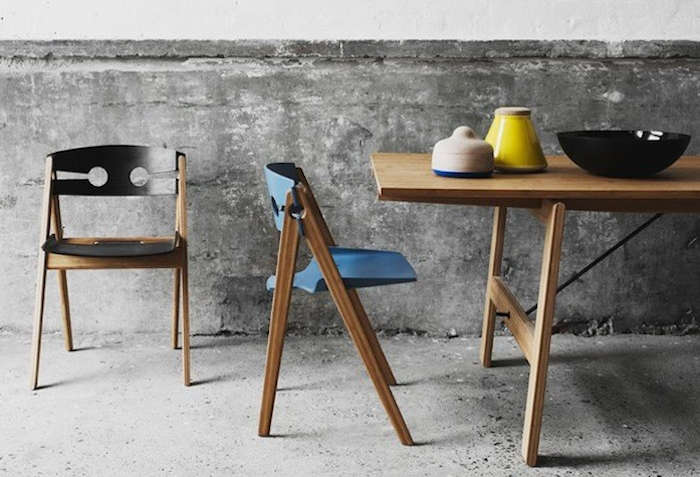

Bamboo has had a strange career. For years, it was the material people associated with tiki bars, beach-house blinds, and that one wobbly patio chair your uncle swore was “still perfectly good.” Then a Danish design duo looked at it and said, more or less, “What if this fast-growing grass became elegant furniture?” That is the spirit behind We Do Wood, the Danish furniture label associated with designers Henrik Thygesen and Sebastian Jørgensen, whose work helped reframe bamboo as a serious material for modern, sustainable interiors.
Their approach is not about turning homes into jungles or asking everyone to live inside a biodegradable science project. It is more subtle than that. We Do Wood uses bamboo and responsibly sourced wood to create furniture that looks clean, architectural, and unmistakably Scandinavian. Think simple silhouettes, visible function, flat-pack practicality, and just enough playfulness to keep minimalism from becoming emotionally unavailable.
The result is a design story that sits at the intersection of Danish craftsmanship, sustainable furniture, bamboo innovation, and modern home living. It is also a reminder that eco-friendly design does not have to look like a compromise. Done well, it can look like the best thing in the room.
Who Are the Danish Designers Behind the Bamboo Shift?
Henrik Thygesen and Sebastian Jørgensen are often described as the creative minds behind We Do Wood, a Danish furniture brand known for combining traditional woodworking sensibilities with environmentally conscious materials. Both brought a strong respect for carpentry, proportion, and usefulness into the brand’s identity. In true Scandinavian fashion, the work is not trying to shout. It quietly stands in the room, does its job, and looks fantastic while doing it.
The philosophy is simple: design, quality, and values should go hand in hand. That idea may sound tidy enough to fit on a throw pillow, but in furniture production it has real consequences. It affects which materials are chosen, how products are manufactured, how easily they ship, how long they last, and whether they are pleasant to live with after the honeymoon period ends.
We Do Wood became especially recognized for using bamboo in furniture pieces such as shelves, wardrobes, tables, benches, coat racks, and children’s furniture. Instead of treating bamboo like a novelty, the designers gave it the discipline of Danish design: clean geometry, modular thinking, practical storage, and a warm but restrained visual language.
Why Bamboo Works So Well for Sustainable Furniture
Bamboo is technically a grass, not a tree, which makes it the overachiever of the plant world. Many species grow quickly, regenerate after harvesting, and can be cultivated without the long growth cycles associated with hardwood forests. This is one reason bamboo is so frequently discussed in sustainable design, green building, eco-friendly furniture, and renewable materials conversations.
Its appeal is not only environmental. Bamboo has a handsome grain, a light natural tone, and a strength-to-weight quality that makes it practical for furniture. It can be laminated, cut, shaped, and finished in ways that bring it closer to engineered wood while still preserving a natural texture. For designers, that means bamboo can move beyond baskets and blinds into dining tables, shelving systems, cabinets, storage benches, and modern seating.
Of course, bamboo is not magic. It must be responsibly harvested, properly processed, and manufactured with safe adhesives and finishes. A poorly made bamboo product is still a poorly made product, even if it grew quickly and has excellent marketing photos. That is why certifications, formaldehyde-free glues, water-based finishes, low-waste production, and responsible supply chains matter. Sustainability is not a sticker; it is a chain of decisions.
The We Do Wood Aesthetic: Calm, Clever, and Useful
The best Danish furniture often feels like common sense made beautiful. We Do Wood follows that tradition. The brand’s designs are not overloaded with ornament. They rely on proportion, function, texture, and modular flexibility. A shelf is not just a shelf; it is a system. A coat rack is not just a place to abandon jackets; it becomes an interactive wall object. A bench is not just somewhere to sit; it can also store things, connect with other benches, and rescue a hallway from chaos.
This is where bamboo becomes especially interesting. Its warm surface softens the crispness of Scandinavian design. Many minimalist interiors can become cold when every surface is white, gray, or aggressively “gallery-like.” Bamboo adds warmth without visual clutter. It says, “I care about natural materials,” without also saying, “I churn my own butter.”
The Scoreboard Wardrobe: A Coat Rack With a Personality
One of the best-known We Do Wood examples is the Scoreboard Wardrobe, a pegboard-style hanging rack with movable pegs. It is practical, colorful, and flexible. The concept is simple: a board with holes and pegs that can be rearranged depending on what you need to hang. Coats, bags, scarves, hats, keys, and the mysterious tote bag full of tote bags all get a home.
Its charm lies in the way it turns storage into interaction. Families can assign different peg colors to different people, or users can shift the layout as their needs change. That adaptability gives the piece a long life because it is not designed for one fixed scenario. It can evolve from entryway organizer to bedroom rack to children’s room utility board.
The SJ Bookcase: Storage That Refuses to Be Boring
The SJ Bookcase shows how bamboo furniture can become modular and expressive without becoming messy. Its differently sized boxes attach to a rack, creating open storage for books, objects, plants, and personal displays. The structure gives users flexibility while maintaining a clean design framework.
This is a smart move because modern homes often need furniture that can multitask. Apartments are smaller, rooms do double duty, and shelves must carry books, ceramics, speakers, chargers, and at least one plant purchased during a burst of optimism. A modular bamboo bookcase makes room for personality while keeping the overall look controlled.
Dining Table No. 1: Scandinavian Simplicity in Bamboo
A bamboo dining table is a strong statement because dining tables are high-traffic pieces. They host breakfasts, bills, laptops, homework, dinner guests, and occasional emotional negotiations over who finished the last cookie. The We Do Wood Dining Table No. 1 demonstrates how bamboo can be used in a refined, everyday object without looking rustic or temporary.
The design leans into Scandinavian simplicity: clean lines, honest material, and a form that does not beg for attention. That restraint is exactly what allows the bamboo to shine. The table can work in minimalist interiors, family spaces, and modern apartments where durability and beauty both matter.
The Correlations Bench: Seating Meets Storage
The Correlations Bench is another example of practical design thinking. It functions as seating, storage, and even a side-table-like element. With a removable lid and the ability to connect multiple benches, it addresses a very real home problem: humans own stuff, and stuff needs somewhere to go.
Benches like this are especially useful in entryways, living rooms, bedrooms, and children’s spaces. They provide a landing zone without making a room feel crowded. In bamboo, the piece gains visual warmth while staying light and architectural.
Why Danish Design and Bamboo Make Sense Together
At first, Denmark and bamboo may seem like an unexpected pairing. Denmark is better known for oak, teak, beech, leather, wool, and classic midcentury furniture icons. Bamboo, meanwhile, is more strongly associated with Asia, tropical climates, and traditional craft. But the combination works because Danish design has always cared about function, material honesty, and human-scale living.
Bamboo brings a new ecological dimension to that tradition. It allows designers to explore renewable materials while maintaining the discipline of Danish form. Instead of asking bamboo to imitate old hardwood furniture, We Do Wood gives it a modern design language of its own.
This is an important distinction. Sustainable furniture becomes more compelling when it is not merely a substitute for something else. Bamboo does not need to apologize for not being walnut. It has its own character: linear grain, natural warmth, lightness, strength, and a quiet sense of movement. Danish design gives those qualities structure.
The Bigger Bamboo Trend in Modern Interiors
The Danish duo’s work fits into a broader design movement. Bamboo furniture, bamboo flooring, bamboo cabinetry, bamboo accessories, and bamboo architectural elements have all gained attention as homeowners and designers look for natural materials with a smaller environmental footprint. In American interiors, bamboo has moved far beyond the “beach cabana” category. It now appears in refined living rooms, serene bedrooms, modern kitchens, entryways, home offices, and hospitality spaces.
Part of this trend is aesthetic. After years of cold minimalism, many people want homes that feel warmer, more tactile, and more grounded. Bamboo helps deliver that. Its grain adds texture, but it is not visually heavy. Its color feels natural, but it can still fit with white walls, black accents, soft neutrals, stone, linen, and muted color palettes.
Another part is ethical. More buyers are asking what furniture is made from, how long it will last, whether it contains questionable chemicals, and whether the material choice supports responsible production. The rise of FSC-certified wood, low-VOC finishes, formaldehyde-free adhesives, recycled materials, and flat-pack shipping strategies reflects a larger shift in consumer expectations.
What Makes Bamboo Furniture a Smart Choice?
Bamboo furniture offers several advantages when it is well made. It is renewable, visually warm, relatively lightweight, strong for its weight, and adaptable to many styles. It can appear sleek in a city apartment, relaxed in a family home, and refined in a design-forward office. It also pairs beautifully with other natural materials, such as wool rugs, linen curtains, cork, clay, stone, and responsibly sourced wood.
For small spaces, bamboo’s visual lightness is a gift. Heavy furniture can make a room feel like it is wearing boots indoors. Bamboo pieces often feel airier, especially when paired with open shelving or slim frames. This makes them useful for apartments, narrow hallways, children’s rooms, and multipurpose rooms where every inch matters.
Maintenance is another plus, provided the furniture is properly finished. Most bamboo furniture can be kept clean with simple dusting and a slightly damp cloth. As with wood, owners should avoid soaking it, placing it in extreme humidity, or treating it like an indestructible superhero. Bamboo is tough, but it is still a natural material, not a cutting board with legs.
What Buyers Should Watch Out For
Not all bamboo products are created equal. Some are beautifully made; others are cheap, over-processed, and held together by adhesives that deserve a side-eye. Buyers should look for credible certifications, responsible sourcing, clear information about finishes, and brands that explain their production standards. Formaldehyde-free glue and water-based finishes are especially worth noting for indoor furniture.
Quality also depends on construction. Edges should feel clean, joints should be stable, finishes should be even, and surfaces should not show signs of sloppy lamination. A good bamboo table or shelf should feel like furniture, not like a craft project that got promoted too quickly.
It is also wise to consider where the piece will live. Bamboo is not ideal for constantly wet environments unless specifically designed and treated for that use. Direct sunlight may affect color over time, and extreme humidity swings can challenge many natural materials. In other words, bamboo is sustainable, stylish, and strong, but it still appreciates being treated with basic respect. Same, honestly.
How to Style Bamboo Furniture Without Making Your Home Look Like a Spa Lobby
Bamboo furniture is easy to style when you let it breathe. Pair it with soft textiles, matte ceramics, black metal accents, warm white walls, or muted greens and browns. It also works well with Scandinavian, Japandi, coastal modern, organic modern, and minimalist interiors.
The key is restraint. If every item in the room is bamboo, rattan, cane, jute, and wicker, the space may begin applying for a resort license. Instead, use bamboo as a feature material. A bamboo shelf, bench, dining table, or wall rack can introduce warmth while other pieces provide contrast.
For a clean Danish-inspired look, pair bamboo with simple lighting, uncluttered walls, neutral upholstery, and functional storage. For a warmer American home style, mix bamboo with vintage pieces, handmade pottery, colorful books, plants, and textured rugs. Bamboo is versatile enough to behave in both settings.
Why We Do Wood Still Feels Relevant
The reason We Do Wood remains interesting is that the brand did not treat sustainability as a trend layered on top of furniture. It treated material choice as part of the design problem. How can a piece be useful? How can it be beautiful? How can it reduce waste? How can it be shipped efficiently? How can it last long enough to matter?
Those questions are more relevant now than ever. Consumers are tired of disposable furniture that looks fine for six months and then starts wobbling like it has a secret. Designers are also under pressure to think beyond surface aesthetics. A beautiful chair is wonderful. A beautiful chair made responsibly, shipped efficiently, and designed to serve for years is better.
That is the real “new level” in the title. It is not simply that a Danish duo used bamboo. It is that they showed how bamboo could participate in serious modern furniture design without losing its natural charm.
Experience Notes: Living With Bamboo Design in Real Homes
Living with bamboo furniture is different from simply admiring it in a showroom. In photographs, bamboo looks clean, calm, and effortlessly stylish. In a real home, it has to survive coffee cups, backpacks, house keys, children, pets, dust, sunlight, and the occasional person who believes coasters are decorative mythology. That is where the material’s practical personality becomes clear.
One of the best experiences with bamboo is how quickly it warms up a room. Place a bamboo bench in an entryway, and the space immediately feels less sterile. Add a bamboo shelf to a white wall, and suddenly the wall has texture and rhythm. Use a bamboo dining table in a small apartment, and the room feels lighter than it might with a dark, heavy hardwood table. Bamboo has a way of making a space feel designed without making it feel staged.
Another real-life advantage is flexibility. Pieces like peg racks, modular shelves, and storage benches work well because modern homes change constantly. A young couple may use a bamboo rack for coats and bags. Later, the same rack might hold children’s backpacks, dog leashes, sports gear, or headphones. A bamboo bookcase might begin as a place for novels and ceramics, then become a plant stand, then a home-office organizer. Furniture that adapts earns its square footage.
The tactile experience also matters. Bamboo feels smoother and more refined than many people expect. It does not have the heavy drama of dark walnut or the rustic ruggedness of reclaimed pine. Instead, it offers a clean, linear grain that feels modern and natural at the same time. That balance is one reason it works so well with Danish design. It keeps the room calm but not dull. Think “quiet confidence,” not “waiting room with ambition.”
There are a few practical lessons, too. Bamboo furniture appreciates gentle care. Do not leave standing water on it. Do not place it directly beside a heater or in a damp basement and then act shocked when nature behaves like nature. Use felt pads under objects that might scratch. Clean with a soft cloth. Keep harsh chemicals away unless you want your furniture to file a complaint.
In everyday use, bamboo’s biggest gift may be emotional. It gives people a way to make a more thoughtful material choice without sacrificing style. Nobody wants their home to feel like a guilt trip with throw pillows. Good bamboo design avoids that problem. It looks good first, performs well second, and carries a sustainability story underneath. That order matters because people keep furniture they enjoy using.
The Danish duo’s bamboo work is especially useful as inspiration because it proves sustainable interiors do not need to be loud about their ethics. A well-designed bamboo shelf does not lecture anyone. It simply holds books, looks graceful, and quietly suggests that better choices can be built into beautiful things. That is a pretty strong argument for a piece of grass.
Conclusion: Bamboo, but Make It Danish
A Danish duo takes bamboo to a new level by proving that renewable materials can be sophisticated, functional, and emotionally durable. Through We Do Wood and its bamboo-centered design language, Henrik Thygesen and Sebastian Jørgensen helped show that sustainable furniture can be more than a category. It can be a design philosophy.
Their work blends Scandinavian minimalism, traditional craftsmanship, modular function, and environmental awareness. From the Scoreboard Wardrobe to the SJ Bookcase, Dining Table No. 1, and Correlations Bench, the best examples show bamboo not as a novelty but as a serious material for modern living.
For homeowners, designers, and anyone trying to make better choices without turning their living room into a lecture hall, bamboo furniture offers a practical path forward. It is warm, renewable, versatile, and stylish when handled with care. And if Danish design has taught us anything, it is that useful objects deserve beauty too.
Note: This article is based on real information about We Do Wood, Danish furniture design, bamboo as a renewable material, sustainable interior trends, FSC-certified materials, formaldehyde-free production practices, and modern bamboo furniture applications. The content has been fully rewritten in original American English for web publication.