
Hearing the word carcinoma can make an already confusing cancer conversation feel as though someone suddenly switched the medical dictionary to hard mode. The reassuring part is that carcinoma is not one single disease. It is a broad family of cancers that begin in epithelial cellsthe cells covering the skin and lining many organs, glands, ducts, and internal passageways.
Carcinomas are the most common category of cancer. They include familiar diagnoses such as adenocarcinoma of the lung or colon, basal cell carcinoma of the skin, squamous cell carcinoma, renal cell carcinoma of the kidney, hepatocellular carcinoma of the liver, and urothelial carcinoma of the bladder.
The symptoms, treatment, and outlook of carcinoma can vary enormously depending on where it starts, what the cells look like under a microscope, whether certain molecular changes are present, and how far the cancer has spread. In other words, the word carcinoma is the beginning of the diagnostic story, not the ending.
What Is Carcinoma?
Carcinoma is cancer that begins in epithelial tissue. These tissues cover the outside of the body and line organs and structures such as the lungs, digestive tract, urinary system, breasts, prostate, pancreas, and liver.
Carcinoma differs from several other major cancer categories. Sarcomas develop in tissues such as bone, muscle, and connective tissue. Leukemias originate in blood-forming tissues, while lymphomas begin in cells of the lymphatic system.
Doctors also describe carcinomas according to how far they have progressed:
- Carcinoma in situ: Abnormal cancer cells remain where they originated and have not invaded surrounding tissue.
- Invasive carcinoma: Cancer cells have grown beyond their original layer and entered neighboring tissue.
- Metastatic carcinoma: Cancer has spread from its original location to distant organs or tissues.
This distinction matters because an early localized carcinoma may sometimes be removed with relatively straightforward treatment, while metastatic disease usually requires systemic therapy such as chemotherapy, targeted therapy, immunotherapy, or hormone therapy.
Major Types of Carcinoma
1. Adenocarcinoma
Adenocarcinoma develops from glandular epithelial cells, which produce substances such as mucus, digestive fluids, or other secretions. Because glandular tissue exists throughout the body, adenocarcinoma can arise in many organs.
Common examples include adenocarcinomas of the:
- Lung
- Colon and rectum
- Breast
- Prostate
- Pancreas
- Stomach
- Esophagus
Symptoms depend mainly on the organ involved. Colon adenocarcinoma may cause changes in bowel habits, rectal bleeding, anemia, or unexplained weight loss. Lung adenocarcinoma may eventually cause persistent coughing, shortness of breath, chest discomfort, fatigue, or coughing up blood.
Pancreatic adenocarcinoma is particularly tricky because early tumors may produce few obvious symptoms. Later signs can include upper abdominal or back pain, jaundice, dark urine, pale stools, loss of appetite, and unexplained weight loss.
Treatment may involve surgery, chemotherapy, radiation therapy, targeted drugs, immunotherapy, or combinations of these approaches. Increasingly, molecular testing of tumors helps doctors identify genetic or protein abnormalities that may be targeted with specific medications.
2. Basal Cell Carcinoma
Basal cell carcinoma (BCC) begins in basal cells near the bottom of the epidermis, the outer layer of skin. It is the most common form of skin cancer and frequently develops on areas receiving substantial ultraviolet exposure, particularly the face, ears, scalp, neck, shoulders, and arms.
A basal cell carcinoma may appear as:
- A shiny or pearly bump
- A pink, red, brown, or skin-colored growth
- A sore that heals and then returns
- A scaly patch
- A scar-like area without a previous injury
- A lesion that crusts or bleeds repeatedly
BCC generally grows slowly and rarely spreads to distant organs. That does not make ignoring it a good hobby. Untreated tumors can grow deeply into nearby tissue, including cartilage, muscle, or bone.
Treatments include surgical excision, Mohs surgery, electrodesiccation and curettage, topical medications for selected superficial tumors, radiation therapy, and systemic medicines for uncommon advanced cases.
3. Squamous Cell Carcinoma
Squamous cell carcinoma (SCC) develops from flat squamous epithelial cells. These cells are found in the skin but also line structures such as the mouth, throat, esophagus, lungs, and other organs.
Cutaneous squamous cell carcinoma commonly appears as a rough scaly patch, firm bump, wart-like growth, or persistent sore. Some lesions bleed, itch, hurt, or become tender.
When detected early, most skin SCCs are highly treatable. However, squamous cell carcinoma generally has a greater ability to invade deeper tissues or spread than basal cell carcinoma, particularly when a tumor is large, aggressive under the microscope, recurrent, or develops in someone with a weakened immune system.
Surgery or Mohs surgery is frequently used for localized skin SCC. Depending on the cancer site and stage, radiation therapy, chemotherapy, targeted treatments, and immunotherapy may also be considered.
4. Urothelial or Transitional Cell Carcinoma
Urothelial carcinoma, historically called transitional cell carcinoma, starts in the urothelium. This specialized lining can stretch and contract as the urinary tract fills and empties.
It most commonly occurs in the bladder but can also develop in the ureters or renal pelvis.
Possible symptoms include:
- Blood in the urine
- Frequent urination
- Pain or burning during urination
- Urgent need to urinate
- Back or pelvic pain in more advanced disease
Visible blood in the urine can have many noncancerous causes, including infections and kidney stones, but it deserves medical evaluation rather than a wait-and-see experiment.
Treatment depends heavily on how deeply the tumor has invaded the bladder wall. Options can include removing tumors through the urethra, medications delivered directly into the bladder, surgery, chemotherapy, immunotherapy, targeted therapy, and radiation.
5. Renal Cell Carcinoma
Renal cell carcinoma (RCC) is the most common type of kidney cancer in adults. It develops from cells lining tiny kidney tubules involved in filtering blood and producing urine.
Many kidney tumors are discovered incidentally during imaging performed for an unrelated reason. When symptoms develop, they may include blood in the urine, persistent pain in the side or back, an abdominal mass, fatigue, fever, anemia, or unexplained weight loss.
Localized RCC is commonly treated surgically by removing part or all of the affected kidney. Some small kidney tumors may be monitored or treated with ablation in selected patients. Advanced renal cell carcinoma can be treated with immunotherapy, targeted therapies, or combinations of these medications.
6. Hepatocellular Carcinoma
Hepatocellular carcinoma (HCC) is the most common primary cancer arising in the liver. It frequently develops in people whose livers have already experienced chronic injury, particularly cirrhosis or long-standing viral hepatitis.
Symptoms may include upper-right abdominal discomfort, abdominal swelling, loss of appetite, unexplained weight loss, nausea, jaundice, weakness, or worsening liver function.
Treatment requires doctors to evaluate two problems simultaneously: the tumor and the health of the remaining liver. Depending on those factors, options can include liver transplantation, surgical removal of part of the liver, tumor ablation, embolization or radioembolization, radiation, targeted therapy, and immunotherapy.
7. Breast Carcinomas
Most breast cancers are carcinomas. Two widely recognized forms are invasive ductal carcinoma, which begins in a milk duct, and invasive lobular carcinoma, which starts in milk-producing lobules.
Ductal carcinoma in situ (DCIS), meanwhile, consists of abnormal cells confined within a breast duct and is considered a noninvasive form of breast cancer.
Possible breast carcinoma symptoms include a new lump, thickening, nipple changes, unusual discharge, skin dimpling, swelling, or a change in breast shape. Some breast cancers, however, are detected on screening mammography before any symptoms appear.
Treatment may include surgery, radiation therapy, chemotherapy, hormone therapy, HER2-directed therapy, other targeted medications, and immunotherapy. Decisions increasingly depend on tumor biologynot simply tumor size.
What Symptoms Can Carcinoma Cause?
There is no single universal carcinoma symptom. A skin carcinoma may be visible in the mirror, while a small lung, kidney, or pancreatic carcinoma may quietly mind its own terrible business for months without producing obvious warning signs.
Potential general cancer symptoms include:
- Unexplained weight loss
- Persistent fatigue
- Loss of appetite
- Unexplained bleeding
- A new or enlarging lump
- Persistent or worsening pain
- Unexplained changes in skin
- A sore that does not heal
- Persistent coughing or hoarseness
- Changes in bowel or urinary habits
These symptoms are much more commonly caused by noncancerous conditions. The important issue is persistence, progression, or an unusual change from what is normal for you.
How Is Carcinoma Diagnosed?
Diagnosis usually starts with medical history, physical examination, and tests tailored to the affected organ.
Imaging may include ultrasound, mammography, CT, MRI, PET scans, or other specialized studies. Blood and urine tests may provide additional clues, but they generally cannot confirm most carcinomas on their own.
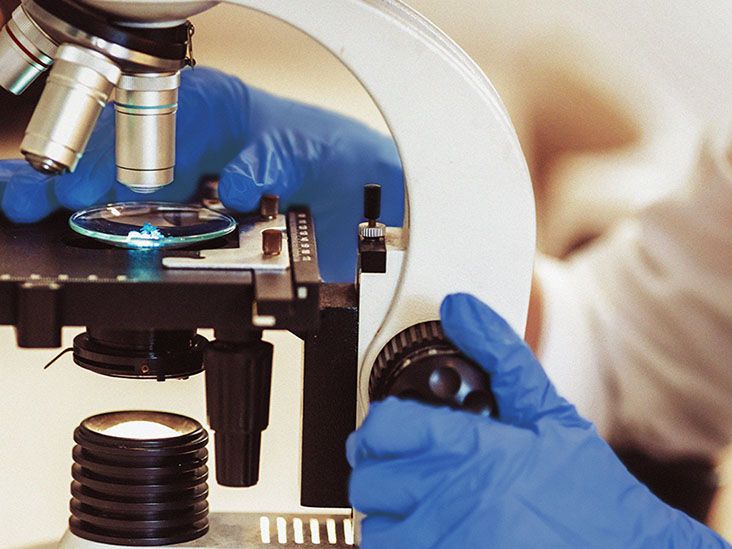
In many cases, a biopsy provides the definitive diagnosis. A pathologist examines tissue under a microscope to identify the cancer type, subtype, and grade. Additional testing can measure tumor proteins, hormone receptors, gene mutations, or other biomarkers.
This information may dramatically influence treatment. Two people can both have “lung carcinoma,” for example, yet receive very different medications because their tumors contain different molecular features.
How Are Carcinomas Treated?
Surgery
Surgery can potentially eliminate some localized carcinomas by removing the tumor and an appropriate margin of surrounding tissue. Examples include removing an early colon tumor, performing partial nephrectomy for kidney cancer, or using Mohs surgery for certain skin cancers.
Radiation Therapy
Radiation uses high-energy treatment to damage cancer cells. It may be used as the primary treatment, before surgery to shrink a tumor, after surgery to reduce recurrence risk, or to relieve symptoms of advanced cancer.
Chemotherapy
Chemotherapy uses medicines that travel through the bloodstream and affect rapidly dividing cells. Some carcinomas respond strongly to chemotherapy, while others are more effectively treated using different systemic therapies.
Targeted Therapy
Targeted treatments interfere with specific proteins, signaling pathways, or genetic alterations that cancer cells rely on. Tumor biomarker testing has made targeted therapy particularly important in diseases such as non-small cell lung cancer and several types of breast, kidney, and other carcinomas.
Immunotherapy
Immunotherapy helps the immune system recognize or attack cancer more effectively. Immune checkpoint inhibitors have become important treatments for several advanced carcinomas, including certain lung, kidney, bladder, skin, liver, and head and neck cancers.
Hormone Therapy
Certain breast and prostate carcinomas depend on hormones for growth. Treatments that reduce hormone production or block hormone signaling can slow these cancers and reduce the risk of recurrence.
Does Carcinoma Always Mean a Poor Prognosis?
No. Saying someone has “carcinoma” without knowing the type and stage tells you relatively little about the person’s outlook.
An early basal cell carcinoma removed completely from the skin is profoundly different from metastatic pancreatic adenocarcinoma. Even cancers arising in the same organ can behave differently depending on tumor grade, molecular characteristics, treatment response, age, general health, and other factors.
Earlier detection often expands treatment choices. That is one reason recommended screeningsuch as mammography, colorectal cancer screening, cervical screening, and low-dose CT lung cancer screening for eligible peoplecan matter.
Can Carcinoma Be Prevented?
Not every carcinoma is preventable, but certain steps can lower the risk of several cancers.
- Avoid smoking and other tobacco products.
- Protect skin from excessive ultraviolet radiation and avoid tanning beds.
- Maintain a healthy weight and stay physically active.
- Limit alcohol consumption.
- Receive recommended vaccines, including HPV and hepatitis B vaccines when appropriate.
- Follow recommended cancer-screening schedules.
- Discuss significant family cancer history with a healthcare professional.
Risk reduction is about improving the odds, not earning an imaginary certificate guaranteeing that cancer can never happen.
When Should You See a Doctor?
Consider medical evaluation for symptoms that persist, worsen, recur, or cannot be reasonably explainedespecially unusual bleeding, a persistent lump, unexplained weight loss, jaundice, coughing up blood, blood in the urine, or a skin lesion that repeatedly bleeds or refuses to heal.
Emergency care may be necessary for severe breathing difficulty, heavy bleeding, sudden neurological symptoms, or other serious acute problems.
Real-World Experiences With Carcinoma: What Patients Often Learn Along the Way
The clinical definition of carcinoma fits neatly into a textbook paragraph. Living through testing, diagnosis, and treatment rarely fits neatly anywhere.
One common experience is discovering that the waiting can feel almost as difficult as the treatment. A suspicious scan may lead to another scan, then a biopsy, then pathology, followed by molecular testing. Patients sometimes expect a cancer diagnosis to produce an immediate treatment plan, only to discover that doctors need several layers of information before choosing one.
This delay can feel frustrating, but more information can prevent the wrong treatment from being started too quickly. Pathology may reveal whether a tumor is adenocarcinoma or squamous carcinoma. Imaging determines whether disease appears localized or metastatic. Biomarker testing can then identify characteristics that make targeted therapy or immunotherapy possible.
Learning the Vocabulary Makes Appointments Easier
Newly diagnosed patients can encounter an impressive avalanche of terms: stage, grade, margins, lymph nodes, mutation, receptor status, progression, remission, neoadjuvant therapy, adjuvant therapy, and about seventeen acronyms before breakfast.
Writing down the exact diagnosis can make the situation easier to understand. Instead of remembering only “carcinoma,” patients may benefit from knowing the organ, subtype, stage, grade, and relevant biomarkers.
Useful questions include: Where did the cancer begin? Has it spread? What is the goal of treatment? Is surgery possible? Were biomarkers tested? What side effects should trigger an urgent phone call? Is a second opinion reasonable?
Treatment Experiences Can Be Very Different
Carcinoma treatment does not automatically mean months of chemotherapy. Someone with a small basal cell carcinoma might undergo an outpatient procedure with local anesthetic and go home the same day. A patient with early kidney carcinoma might need surgery followed primarily by surveillance. Another person with advanced lung adenocarcinoma could take a targeted oral medication because testing identified a treatable molecular alteration.
Others may receive combinations of surgery, chemotherapy, immunotherapy, and radiation over many months. Comparing treatment plans with another patient’s plan can therefore create unnecessary confusion. The same wordcarcinomacovers diseases with remarkably different biology.
Side-Effect Management Is Part of Cancer Treatment
Patients sometimes assume they should quietly endure treatment side effects because discomfort means the medicine is “working.” In reality, oncology teams want to know about problems such as nausea, diarrhea, constipation, skin reactions, mouth sores, pain, numbness, fever, appetite loss, or severe fatigue.
Many side effects can be treated or reduced. Reporting them early may prevent a manageable problem from becoming a treatment interruption or hospital visit.
Life After Treatment May Still Include Follow-Up
Finishing active treatment can bring relief, but it can also introduce an unexpected question: “What happens now?”
Follow-up care may include physical exams, imaging, blood tests, skin examinations, mammography, colonoscopy, or other surveillance depending on the original carcinoma. Doctors also watch for long-term treatment effects and, when appropriate, recurrence.
Many survivors describe feeling nervous before follow-up scans or appointments. Having a written surveillance planwhat tests are needed, how often they occur, and which symptoms require earlier evaluationcan make this stage more predictable.
Practical Organization Can Reduce the Chaos
Keeping copies of pathology reports, imaging results, medication lists, treatment summaries, and molecular test reports can be surprisingly useful, particularly when seeking a second opinion or changing healthcare systems.
Some patients bring another person to major appointments or record conversations when their medical center permits it. Cancer appointments contain a lot of information, and the human brain occasionally responds to stress by remembering exactly none of it until arriving home.
Above all, the experience of carcinoma is highly individual. Statistics describe populations, not guarantees for one person. The most useful information comes from knowing the precise cancer subtype, its stage and biological characteristics, available treatments, and how those factors apply to the individual patient.
Conclusion
Carcinoma is the largest family of cancers, but the term covers many very different diseases. Adenocarcinoma, basal cell carcinoma, squamous cell carcinoma, urothelial carcinoma, renal cell carcinoma, hepatocellular carcinoma, and breast carcinomas can arise from different tissues, produce different symptoms, and require very different treatments.
Modern carcinoma treatment is increasingly personalized. Doctors combine the cancer’s location and stage with pathology, molecular testing, overall health, and patient priorities to select among surgery, radiation, chemotherapy, targeted therapy, immunotherapy, hormone therapy, and specialized local treatments.
The most useful takeaway is simple: a diagnosis containing the word carcinoma should always be followed by more questions. What type? Where did it begin? What stage is it? What does the pathology show? Are biomarkers important? Those details transform one intimidating word into information that can actually guide the next decision.
Medical note: This article is intended for general education and should not be used to diagnose cancer or replace individualized advice from a physician or oncology team.