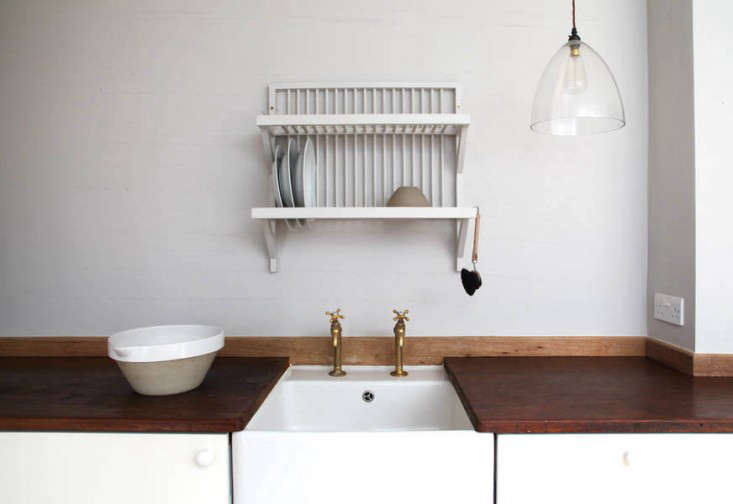

British kitchen style has crossed the Atlantic again, but this time it has left the themed tea towels at home. The New British Wave is warmer, more useful, and considerably less interestd shapes, and objects that become more attractive after years of actual use.
Think painted cabinetry, substantial cookware, patterned plates, natural wood, slightly rumpled linen, and a table that looks collected rather than unpacked from one enormous cardboard box. The goal is not to recreate a television period drama. It is to build a kitchen that feels welcoming at 7 a.m., works hard at 7 p.m., and still looks charming when someone leaves a loaf of bread on the counter.
The following 12 kitchen and dining essentials capture that balance. Each item earns its place through function, durability, or atmosphereand preferably all three.
What Is the New British Wave?
The New British Wave is a contemporary interpretation of classic British kitchen design. It borrows familiar elements such as Shaker-style simplicity, freestanding furniture, natural materials, patterned ceramics, deep colors, and practical storage. It then combines them with the expectations of a modern American kitchen: efficient cookware, easy maintenance, flexible entertaining, and enough counter space to open a pizza box without initiating a domestic emergency.
Unlike highly polished minimalist kitchens, this style welcomes evidence of life. A wooden board can remain on display. Mugs do not have to match. A copper pan may darken. Linen napkins may wrinkle. These details create depth because the kitchen looks assembled over time rather than installed in a single afternoon.
Function Comes Before Decoration
Authentic British-inspired design is practical at heart. Farmhouse tables, plate racks, durable casseroles, and utility linens were not invented solely to look photogenic. They solved everyday problems. The modern version follows the same principle: choose pieces that cook, serve, store, or organize well before considering whether they look good beside a vase of garden flowers.
Character Comes From the Mix
The most successful rooms combine old and new, refined and rustic, plain and patterned. A streamlined stainless-steel skillet can sit beside floral stoneware. A contemporary pendant can hang above an antique table. That tension keeps the room fresh and prevents “English country” from turning into “gift shop near a castle.”
12 British-Inspired Kitchen and Dining Essentials
1. A Heavy Enameled Cast-Iron Casserole
Few pieces represent the cozy, hearth-centered spirit of British cooking better than an enameled cast-iron casserole, commonly called a Dutch oven in the United States. Its thick walls retain heat, while the tight-fitting lid makes it useful for stews, braised meats, soups, baked beans, bread, and Sunday-style roasts.
Choose a size between 5 and 7 quarts for general household use. Deep green, oxblood, cream, navy, and muted yellow work particularly well in a British-inspired kitchen. Because attractive enameled cookware can move directly from oven to table, it also reduces the number of serving dishes that must be washed later. That is elegance with a very sensible escape plan.
2. A Reliable Stainless-Steel Skillet
Traditional appearance should not mean outdated performance. A fully clad stainless-steel skillet brings modern control to a kitchen filled with heritage-inspired pieces. It can brown meat, sauté vegetables, reduce sauces, and move from the stovetop into the oven without complaining.
A 10- or 12-inch pan offers the most versatility. Look for a comfortable handle, solid construction, and enough weight to distribute heat evenly without requiring the forearms of a competitive rower. Stainless steel also develops a handsome working patina, fitting naturally into a kitchen that values longevity over showroom perfection.
3. One Excellent Chef’s Knife
The New British Wave celebrates objects that do their jobs exceptionally well, and no kitchen tool works harder than a sharp chef’s knife. An 8-inch blade is large enough for chopping cabbage or slicing a roast but manageable enough for herbs, garlic, and everyday vegetable preparation.
Ignore decorative knife blocks containing 17 mysterious blades. A well-balanced chef’s knife, a smaller paring knife, and a serrated bread knife cover most home-cooking tasks. Store them on a magnetic strip or in a simple wooden holder, where they remain accessible without turning the counter into a cutlery convention.
4. A Substantial Wooden Prep and Serving Board
A thick wooden board immediately softens hard kitchen surfaces. It functions as a cutting area, cheese board, bread station, serving platter, and emergency platform for a hot casserole. Oak, walnut, and maple provide the rich grain associated with collected English interiors, while lighter woods create a more relaxed cottage look.
Choose a board large enough to remain useful but not so enormous that washing it becomes a plumbing project. Regular hand-washing, thorough drying, and occasional treatment with food-safe mineral oil help prevent splitting. Over time, knife marks and subtle color changes become part of its appeal rather than defects to hide.
5. A Proper Electric Kettle and Everyday Teapot
A British-influenced kitchen without a dependable kettle feels like a library without books. An electric kettle boils water quickly for tea, coffee, oatmeal, stock, or the moment someone announces they are “just popping by” with three additional people.
Pair it with a ceramic teapot sized for two to four servings. A removable infuser is helpful for loose-leaf tea, but the pot should also work with ordinary tea bags. Patterned earthenware provides nostalgic character, while a plain cream or deep-colored teapot blends easily with mixed dinnerware. The best choice pours cleanly; charming dribbles are still dribbles.
6. A Glazed Stoneware Baking Dish
Stoneware transitions effortlessly from preparation to presentation, making it ideal for the informal hospitality central to the New British Wave. Use a medium rectangular dish for fruit crumbles, shepherd’s pie, roasted vegetables, baked pasta, or bread pudding.
Look for oven-safe stoneware with comfortable handles and a glaze that resists stains. Slight color variation, softly rounded edges, and visible craftsmanship make the dish feel more personal. A handsome baker also encourages family-style serving, allowing guests to help themselves instead of waiting for perfectly arranged portions worthy of a tiny restaurant menu.
7. Patterned or Hand-Finished Dinnerware
British tableware has a long association with botanical motifs, transferware, stripes, scalloped borders, and richly colored glazes. You do not need a complete formal service. In fact, the New British Wave looks better when several compatible designs share the table.
Begin with durable everyday dinner plates in a simple color. Add patterned salad plates, hand-glazed bowls, or floral dessert dishes for contrast. Keeping one repeated elementsuch as blue, green, cream, or a consistent rim shapeprevents the collection from feeling chaotic. The result should resemble a family assortment accumulated with affection, not a yard sale conducted during an earthquake.
8. Colored or Textured Glassware
Clear glasses are useful, but a few colored or textured tumblers can transform an ordinary table. Soft amber, moss green, smoky gray, and pale blue work beautifully with wood, linen, and patterned ceramics. Fluted or lightly rippled surfaces add detail without demanding a formal occasion.
Choose glasses that feel stable in the hand and can serve water, juice, cocktails, or wine. Versatility matters more than strict labels. A handsome tumbler should not become unemployed because someone poured lemonade into a glass originally marketed for whiskey.
9. Linen or Cotton Table Textiles
Table linens are among the easiest ways to introduce British-inspired color and pattern. A washable linen tablecloth, striped runner, or set of fabric napkins softens the dining area and makes even takeout feel mildly organized.
Pure linen develops a relaxed texture and becomes softer with washing. Cotton is generally less expensive and easier to maintain. Both work well in checks, narrow stripes, botanical prints, or earthy solids. Avoid saving fabric napkins exclusively for guests. Using them daily makes meals feel more intentional and prevents a beautiful set from spending its entire life folded in a dark drawer.
10. A Generous Serving Bowl and Platter
British-style entertaining favors abundant, family-style food over architectural portions balanced on oversized white plates. A broad serving bowl can hold salad, roasted potatoes, pasta, fruit, or a centerpiece of citrus and garden clippings. An oval platter handles roast chicken, grilled vegetables, fish, sandwiches, or a dangerously ambitious cheese arrangement.
Stoneware, ceramic, and wood all suit the look. Neutral serving pieces are especially useful because they connect mismatched dinnerware and allow colorful food to stand out. Select shapes that fit your cabinets before buying; discovering that a platter is two inches wider than every available shelf is a particularly dull form of tragedy.
11. Vintage-Inspired Flatware and Serving Utensils
Flatware brings subtle personality to the table without occupying additional counter space. Brushed stainless steel, softly rounded handles, or restrained decorative details create an heirloom feeling while remaining practical for everyday use.
Avoid overly ornate sets that compete with patterned plates and textiles. Instead, choose weight and balance first. Add a substantial serving spoon, slotted spoon, cake server, and carving set as needed. Mixing a few older serving pieces with contemporary place settings can create a collected appearance, provided all items are safe, sturdy, and free from questionable finishes.
12. Low Candlesticks or Portable Table Lamps
Lighting completes the New British dining experience. Overhead fixtures provide visibility, but low candlesticks or small rechargeable table lamps create warmth at eye level. They make weeknight dinners feel calmer and help large tables seem more intimate.
Keep centerpieces low enough for conversation. A pair of brass candlesticks, simple ceramic holders, or a compact pleated-shade lamp adds atmosphere without constructing a decorative wall between guests. Unscented candles are best around food; the roast should smell like rosemary, not compete with something called Midnight Rainforest Cashmere.
How to Combine the Essentials Without Creating a Theme Room
The secret is restraint. Choose two or three recognizably British-inspired features and let the remaining pieces provide quiet support. A green enameled casserole, striped linen napkins, and botanical plates may be enough. Adding plaid wallpaper, royal portraits, miniature red telephone booths, and a bulldog-shaped butter dish would be less “New British Wave” and more “airport souvenir shop.”
Build Around a Restrained Color Palette
Start with one deep or earthy color, one lighter neutral, and one small accent. Forest green with cream and mustard feels warm. Dusty blue with natural wood and burgundy feels more tailored. Butter yellow with white and dark metal creates a cheerful cottage effect.
Mix Materials Instead of Buying Matching Sets
Combine smooth enamel, warm wood, glazed ceramics, brushed metal, and soft linen. Material contrast supplies visual interest even when the palette is quiet. It also makes individual purchases easier because each item does not need to match perfectly.
Let Useful Objects Remain Visible
A wooden board, teapot, fruit bowl, or cast-iron casserole can live on an open shelf or counter when used regularly. Rotate decorative pieces rather than covering every surface. A room feels collected when objects have breathing space; otherwise, it simply feels overdue for a cupboard.
Purchase Slowly
The collected look cannot be convincingly rushed. Begin with the workhorses: cookware, a knife, a board, and everyday dinnerware. Add linens, glassware, serving pieces, and lighting over time. Thrift stores, antique markets, estate sales, independent potters, and mainstream retailers can all contribute to the same room.
Living With the New British Wave: Practical Experience Notes
What does this approach feel like after the photographs have been taken and the first dinner has been served? Based on typical household use, the experience is less about maintaining a specific aesthetic and more about changing how the kitchen supports daily routines.
The Kitchen Becomes Easier to Use
The biggest improvement comes from selecting fewer, more capable tools. A strong chef’s knife, large board, skillet, casserole, and stoneware baker can handle an impressive range of meals. Because these objects are attractive enough to remain visible, they are also easier to reach. That small advantage matters on busy evenings when dinner needs to happen before everyone starts eating crackers directly over the sink.
Open storage requires discipline, however. A plate rack filled with coordinated everyday dishes looks charming. The same rack filled with promotional travel mugs, five chipped bowls, and an unidentified appliance attachment looks like evidence. Editing is essential.
Wear Makes the Room Better
Many British-inspired materials age gracefully. Wood develops darker tones, linen softens, brass gains depth, and enameled cookware acquires minor marks that suggest regular use. This can be liberating for anyone exhausted by interiors that appear ruined by a fingerprint.
The approach does not mean neglecting maintenance. Wooden boards still need oil. Knives still need sharpening. Cast iron must be cleaned properly, and linens benefit from prompt stain treatment. The difference is that natural aging is accepted while genuine damage is prevented.
Meals Feel More Relaxed
Family-style serving changes the rhythm of dinner. Food arrives in generous bowls and platters, guests choose their portions, and second helpings require no formal announcement. Patterned plates and cloth napkins add a sense of occasion without making the table feel fragile.
This relaxed mood is especially effective for casual entertaining. Hosts can prepare a braise or baked dish earlier, bring it directly to the table, and spend less time plating food alone in the kitchen. The cookware becomes part of the presentation, reducing cleanup and allowing the host to participate in the evening. Revolutionary concept, really.
Mismatched Pieces Reduce Pressure
A collected table is forgiving. When one glass breaks, the entire set does not become incomplete. When two extra guests appear, different plates can join the arrangement without looking accidental. The repeated use of color, shape, or material provides cohesion.
This flexibility also makes shopping more enjoyable. Instead of hunting for twelve identical pieces, homeowners can choose individual objects with appealing proportions or craftsmanship. A handmade bowl from a local potter can sit beside mass-produced plates, while an inherited serving spoon adds history that no new matching set can manufacture.
Atmosphere Comes From Small Rituals
The most memorable experience is not visual. It is the ritual of boiling the kettle, lighting candles before dinner, unfolding cloth napkins, or placing bread on a wooden board. These actions take seconds, yet they signal a transition from preparation to enjoyment.
The New British Wave succeeds because it does not require a large country house or an expensive renovation. It can begin with a teapot, a durable casserole, and a table set with care. The style grows through repetition as useful objects become associated with ordinary breakfasts, weekend baking, family dinners, and evenings when friends stay much later than planned.
Conclusion: A Kitchen Designed for Use, Not Display
The New British Wave offers an appealing alternative to kitchens built around temporary trends. It values sturdy cookware, tactile materials, flexible tableware, and details that make people want to stay. Its beauty comes from usefulness, personality, and the gentle evidence of everyday life.
Start with one or two essentials that improve how you cook. Add patterned ceramics, linen, colored glass, or atmospheric lighting when they genuinely suit your routines. The result should not look perfectly British. It should look unmistakably yourscomfortable, capable, and always prepared to put the kettle on.