Research basis: This article synthesizes current guidance from the American Society for Metabolic and Bariatric Surgery, NIDDK, MedlinePlus, Mayo Clinic, Cleveland Clinic, Johns Hopkins Medicine, Penn Medicine, Stanford Health Care, UCSF Health, and NYU Langone Health.
After gastric sleeve surgery, your stomach is smaller, but your nutritional responsibilities are considerably larger. Every sip, spoonful, and bite needs to earn its place. That does not mean meals must become joyless trays of beige mush forever. It means food now has a new job description: help you heal, protect muscle, prevent dehydration, and support lasting weight loss.
A gastric sleeve diet usually progresses from clear liquids to protein-rich liquids, puréed foods, soft foods, and finally regular textures. The exact schedule varies among bariatric programs, so your surgeon’s instructions always outrank a timeline found online. Consider this guide a detailed road map, not permission to skip three exits because mashed potatoes are calling your name.
Why the Gastric Sleeve Diet Matters
During sleeve gastrectomy, a surgeon removes a large portion of the stomach and shapes the remaining stomach into a narrow tube. The operation limits how much food you can comfortably eat and may alter appetite-related hormones. Unlike gastric bypass, it does not reroute the intestines, but nutritional deficiencies can still develop because total food intake becomes much smaller.
The postoperative diet serves several purposes:
- It protects the healing stomach and staple line.
- It reduces nausea, pressure, pain, and vomiting.
- It supplies protein needed for healing and muscle maintenance.
- It helps prevent dehydration and constipation.
- It teaches portion control before regular food returns.
- It supports steady weight loss without turning every meal into a wrestling match.
Sleeve anatomy, staged progression, small portions, supplements and long-term lifestyle guidance.
Gastric Sleeve Diet Stages
Diet progression differs by surgeon, procedure, healing rate, and individual tolerance. Some programs move patients toward regular textures in about four weeks, while others take six to eight weeks or longer. Never advance simply because the calendar says Tuesday. Advance only after your care team approves it and your current foods are going down comfortably.
Stage 1: Clear Liquids
The first phase commonly begins in the hospital or shortly after surgery. The goal is hydration, not culinary excitement. Your stomach is healing, swollen, and understandably uninterested in hosting a buffet.
Appropriate choices may include:
- Water
- Sugar-free electrolyte drinks
- Clear, low-sodium broth
- Decaffeinated tea without sugar
- Sugar-free gelatin, when approved
- Clear protein beverages recommended by your program
Take tiny, frequent sips rather than large swallows. Gulping can introduce pressure, nausea, or discomfort. Many programs eventually recommend about 64 ounces of fluid daily, but reaching that goal may take time. Your team may give you a sipping schedule, such as one or two ounces every 15 minutes while awake.
Avoid carbonated drinks, sugary beverages, alcohol, and any liquid containing pulp or solid pieces. Your stomach is recovering from surgery; it does not need a surprise orange-pulp obstacle course.
Stage 2: Full Liquids and Protein Drinks
Once clear liquids are tolerated, the next phase typically introduces thicker, protein-containing liquids. Protein becomes the nutritional headliner because it supports tissue repair and helps preserve lean body mass during rapid weight loss.
Common options include:
- Low-sugar protein shakes
- Skim or low-fat milk, if tolerated
- Lactose-free milk
- Unsweetened fortified soy milk
- Smooth, low-fat yogurt without fruit pieces
- Strained cream soups made without chunks
- Thin, smooth protein-enriched soups
The American Society for Metabolic and Bariatric Surgery advises many patients to consume approximately 60 to 100 grams of protein per day and at least 64 ounces of fluid, although personal targets vary. Do not force a generic number if your medical team has prescribed something different.
Read protein-drink labels carefully. A bottle decorated with dumbbells can still contain enough sugar to qualify as dessert. Choose products based on your program’s requirements for protein, calories, fat, and added sugar.
Stage 3: Puréed Foods
Puréed food should be completely smooth, moist, and free of lumps. A useful rule is that the food should resemble smooth baby food or thick applesauce. If chewing is required, it probably does not belong in the purée phase.
Good choices may include:
- Puréed chicken, turkey, or fish mixed with broth
- Blended tuna with a small amount of plain Greek yogurt
- Soft scrambled egg blended until smooth
- Low-fat cottage cheese blended smooth
- Plain Greek yogurt
- Mashed beans thinned with broth
- Puréed lentil soup
- Silken tofu
- Puréed vegetables without skins or seeds
Introduce one food at a time. This makes it easier to identify what causes pressure, nausea, reflux, or other discomfort. Begin with very small portions, often a few tablespoons, and stop at the first sign of fullness.
Stage 4: Soft Foods
Soft foods require gentle chewing but should be easy to break apart with a fork. Moisture matters. Dry chicken breast can transform from “healthy protein” into “tiny poultry brick” surprisingly quickly.
Suitable foods may include:
- Soft scrambled or poached eggs
- Flaky fish
- Ground turkey or chicken with broth or sauce
- Slow-cooked lean meat that shreds easily
- Low-fat cottage cheese or ricotta
- Soft tofu
- Mashed beans
- Well-cooked vegetables
- Soft fruit without tough skin or seeds
Continue prioritizing protein. Eat slowly, take small bites, and chew until the food is nearly smooth before swallowing. A meal may take 20 to 30 minutes even when the portion looks small enough to fit on a saucer.
Stage 5: Regular Textures
When your bariatric team approves regular foods, you can gradually build a balanced long-term diet. “Regular” does not mean returning to former portion sizes or eating whatever happens to fit. It means choosing nutrient-dense foods in portions your sleeve can comfortably handle.
A practical meal order is:
- Eat lean protein first.
- Add non-starchy vegetables.
- Include a small amount of fruit or high-fiber carbohydrate if space remains and your plan allows it.
Eating protein first reduces the chance that your limited stomach space will be filled by crackers, bread, or another food that contributes fewer essential nutrients.
Hydration and protein targets, slow eating, staged textures and protein-first guidance.
Best Foods to Eat After Gastric Sleeve Surgery
Lean Protein
Protein is usually the priority at every meal. Depending on your diet stage, helpful options include eggs, fish, chicken, turkey, lean beef, low-fat dairy, tofu, beans, lentils, and approved protein supplements.
Choose moist cooking methods such as poaching, baking in broth, slow cooking, or steaming. Grilled meat may be nutritious, but if it is dry enough to repair a sidewalk crack, it may be difficult to tolerate.
Low-Fat Dairy or Dairy Alternatives
Plain Greek yogurt, cottage cheese, reduced-fat cheese, and milk can provide protein and calcium. Some people temporarily develop difficulty tolerating lactose after stomach surgery. Lactose-free dairy or unsweetened fortified soy products may be easier to digest.
Cooked Non-Starchy Vegetables
Once approved, gradually introduce vegetables such as zucchini, carrots, green beans, spinach, squash, and cauliflower. Begin with well-cooked, soft textures before experimenting with raw salads or fibrous vegetables.
Fruit in Small Portions
Soft fruit such as banana, melon, canned fruit packed in water, or peeled peaches may be tolerated before raw fruit with tough skins. Whole fruit is generally preferable to juice because juice delivers sugar quickly without much fiber or fullness.
Healthy Fats
Small amounts of avocado, smooth nut butter, olive oil, or other unsaturated fats can improve flavor and nutrient intake. Portions still matter because fats are calorie-dense. A drizzle is useful; turning the plate into an olive-oil swimming pool is less so.
High-Fiber Carbohydrates, When Tolerated
Later in recovery, your team may allow small portions of oatmeal, quinoa, beans, lentils, or other fiber-rich carbohydrates. Protein should usually remain the first priority. Introduce bread, rice, and pasta cautiously because they can expand, clump, or feel uncomfortable in a small stomach.
Foods and Drinks to Avoid
Carbonated Beverages
Soda, sparkling water, beer, and other fizzy drinks may cause pressure, belching, or discomfort. They can also take up valuable stomach space without supplying the protein and nutrients you need.
Added Sugar and Sugary Drinks
Avoid regular soda, sweet tea, milkshakes, sweetened coffee drinks, candy, pastries, and heavily sweetened yogurt. These foods add calories quickly and may contribute to nausea, diarrhea, blood sugar swings, or rapid gastric emptying symptoms in some patients.
Fried and High-Fat Foods
French fries, fried chicken, greasy pizza, sausage, bacon, and creamy sauces may trigger nausea or digestive discomfort. They are also easy to overconsume relative to their nutritional value.
Tough, Dry, or Stringy Foods
Steak, dry poultry, celery strings, corn, fibrous vegetable stalks, and fruit skins can be difficult to tolerate, especially early in recovery. Texture can sometimes be improved by slow cooking, chopping finely, removing skins, or adding a low-fat sauce.
Bread, Rice, and Pasta During Early Recovery
These foods may form a sticky mass or swell after swallowing. Many bariatric programs delay them until healing is well established. When approved, try a tiny portion, chew thoroughly, and stop immediately if you feel pressure.
Popcorn, Nuts, Seeds, and Crunchy Snacks
These items are generally postponed during early healing. Later, some may fit in small portions, but crunchy snack foods can encourage grazing. Grazing is the habit of eating small amounts continuously, which can quietly deliver a large number of calories without producing a satisfying meal.
Alcohol
Alcohol provides calories without meaningful nutrition and may be absorbed differently after bariatric surgery. It can also worsen dehydration and weaken judgment about food choices. Ask your surgical team when or whether alcohol is appropriate for you.
Caffeine During Early Recovery
Some programs temporarily restrict coffee, energy drinks, and caffeinated tea because caffeine may irritate the stomach or make hydration more difficult. Follow your team’s instructions rather than assuming your pre-surgery triple espresso is now an essential medical device.
Food intolerance, concentrated sugar, high-fat foods, carbonation, alcohol and difficult textures.
Essential Eating Rules for Long-Term Success
Keep Food and Fluids Separate
Many bariatric programs advise stopping liquids about 30 minutes before eating and waiting approximately 30 minutes afterward before drinking again. Drinking with a meal may fill the stomach too quickly or move food through it before you feel satisfied. Timing recommendations vary, so use the interval given by your dietitian.
Eat Slowly and Chew Thoroughly
Take small bites and chew each bite until it has a soft, smooth texture. Put the fork down between bites. Stop when you first feel satisfied, pressure, tightness, hiccups, a runny nose, or another fullness signal identified by your care team.
Do Not Test Your Sleeve
Your sleeve is not a laboratory beaker, and “Let’s see how much fits” is not a useful experiment. Overeating can cause pain, reflux, nausea, or vomiting. Use small plates, measure portions when necessary, and serve one portion rather than eating from a package.
Avoid Grazing
Structured meals generally work better than taking bites throughout the day. A cracker here, a spoonful there, and half a cookie while standing near the pantry can accumulate without delivering adequate protein or lasting fullness.
Take Prescribed Vitamins
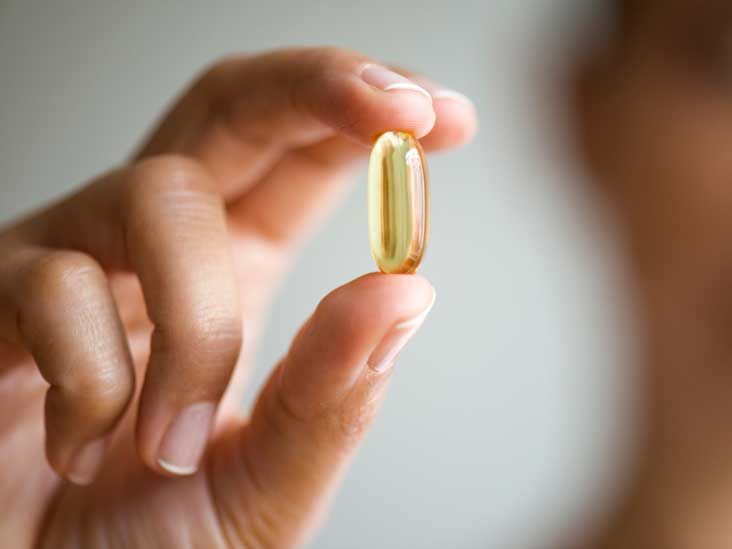
Vitamin and mineral supplements are commonly required after gastric sleeve surgery. Your regimen may include a bariatric multivitamin, calcium, vitamin D, vitamin B12, iron, or other nutrients based on your laboratory results and medical history.
Do not copy another patient’s supplement schedule. Requirements differ by procedure, age, medications, diet, pregnancy status, and laboratory findings. Attend follow-up appointments and complete the blood tests ordered by your bariatric team.
Long-term supplements, follow-up, fluid separation, slow meals and laboratory monitoring.
Sample One-Day Gastric Sleeve Menu
This example is intended for someone who has been cleared for regular textures. Portions should be adjusted to personal tolerance and the plan provided by a registered dietitian.
- Breakfast: One soft scrambled egg with two tablespoons of cottage cheese.
- Midmorning: Water or a sugar-free beverage, taken separately from meals.
- Lunch: Two to three ounces of moist baked fish with a few fork-tender green beans.
- Afternoon snack, if prescribed: Plain Greek yogurt or a small protein shake.
- Dinner: Two to three ounces of ground turkey with cooked zucchini.
- Evening: Continue sipping calorie-free fluids until the daily hydration goal is reached.
Early after surgery, you may not tolerate these amounts. Later, you may be able to eat somewhat more. Comfort, nutrition, and your clinical plan matter more than matching someone else’s plate.
Common Problems and Practical Solutions
Nausea or Pressure After Eating
Possible causes include eating too quickly, taking bites that are too large, swallowing insufficiently chewed food, eating too much, or advancing textures too soon. Return to a texture you tolerate and contact your bariatric team if symptoms continue.
Constipation
Low fluid intake, reduced food volume, low fiber intake, iron supplements, and pain medication may contribute to constipation. Focus first on hydration and follow your team’s recommendations for gradually increasing fiber or using an approved medication.
Food Feels Stuck
Stop eating immediately. Do not try to push the food down with several gulps of water. Repeated vomiting, difficulty swallowing, or inability to tolerate liquids deserves prompt medical advice.
Hair Thinning
Temporary hair shedding can occur during rapid weight loss. Meeting protein goals, taking prescribed supplements, and completing laboratory monitoring may help identify correctable nutritional problems. Randomly swallowing a shelf full of beauty supplements is not a substitute for medical evaluation.
Dehydration
Because you cannot comfortably drink a large amount at once, hydration must happen in small sips throughout the day. Dark urine, dizziness, dry mouth, unusual fatigue, or very low urine output may indicate inadequate fluid intake. Contact your care team if you cannot meet your fluid goal or keep liquids down.
Postoperative nausea, vomiting, constipation, dysphagia and hydration concerns.
Experiences and Lessons From Life on a Gastric Sleeve Diet
The first lesson many patients discover is that hunger, appetite, and eating habits are not identical. Physical hunger may decrease after surgery, yet familiar routines can remain remarkably punctual. Someone who previously ate chips every night while watching television may still feel that something is missing at 9 p.m., even when the stomach is not asking for food. Recognizing this difference can prevent grazing and help replace automatic eating with another routine, such as tea, a short walk, journaling, or calling a friend.
A second common experience is the surprise of how much time hydration requires. Before surgery, drinking a glass of water may have taken 20 seconds. After surgery, that same amount may need to be spread across many careful sips. Patients often find that carrying a measured bottle, using phone reminders, or tracking ounces on a simple checklist works better than trusting memory. By evening, “I thought I drank plenty” can turn into a bottle that is still suspiciously full.
Protein fatigue is another real-world challenge. In the early stages, sweet protein shakes may taste convenient on day one, acceptable on day four, and like melted birthday candles by day twelve. Variety helps. Patients may alternate sweet shakes with unflavored protein added to approved soups, plain Greek yogurt, blended cottage cheese, or savory purées. Temperature also matters: one product may taste better very cold, while another may be easier to tolerate at room temperature.
Food tolerance can be oddly individual. One person may comfortably eat flaky salmon but struggle with chicken. Another may tolerate cottage cheese yet feel bloated after milk. A food that causes discomfort one month may work several weeks later when swelling has decreased and chewing habits have improved. Keeping a brief food log can identify patterns without turning every meal into a doctoral dissertation.
Social situations often require more planning than expected. Restaurant portions are enormous compared with a post-sleeve meal, and servers may wonder why only five bites disappeared. Some patients order an appetizer, split an entrée, or ask for a takeout container when the meal arrives. A simple explanation such as, “I had stomach surgery and eat small portions,” is enough. Nobody at the table is entitled to a documentary about your digestive system.
Many patients also learn that fullness signals can be subtle. Instead of feeling dramatically stuffed, they may notice a hiccup, pressure beneath the breastbone, a runny nose, or sudden disinterest in the next bite. Learning to stop at that first signal is more comfortable than waiting for the stomach to send a strongly worded follow-up message.
Meal preparation becomes easier when protein is made convenient. Useful habits include cooking moist ground turkey in small portions, keeping peeled hard-boiled eggs available, freezing individual servings of soup, and storing plain Greek yogurt where it is easy to see. When the best choice requires 45 minutes of cooking but crackers require opening a box, the crackers tend to run an extremely effective campaign.
Weight loss itself may not occur in a perfectly smooth line. Fluid shifts, constipation, hormonal changes, sodium intake, and ordinary biological variation can temporarily affect the scale. A short stall does not automatically mean the surgery has stopped working. Long-term progress is better evaluated through trends, measurements, improved mobility, laboratory results, medication changes, and guidance from the bariatric team.
Perhaps the most valuable experience is realizing that the sleeve is a tool rather than an automatic meal planner. It can limit portions and support appetite control, but it cannot buy groceries, measure protein, schedule follow-up visits, or prevent grazing. Successful patients usually build repeatable systems: planned meals, protein first, fluids between meals, vitamins on schedule, and professional help when problems appear. The goal is not perfect eating. The goal is a pattern sturdy enough to survive busy mornings, restaurants, holidays, bad moods, and the occasional encounter with a cookie.
Conclusion
A successful gastric sleeve diet is based on gradual progression, careful hydration, adequate protein, small portions, and lifelong nutritional follow-up. Begin with the textures approved by your surgical team, introduce foods slowly, chew thoroughly, and stop eating at the earliest sign of fullness.
Choose lean protein, low-sugar liquids, soft vegetables, modest amounts of healthy fat, and nutrient-dense foods that provide real value in limited stomach space. Avoid carbonation, sugary drinks, fried foods, alcohol, oversized portions, and difficult textures until your team says they are appropriate.
Most importantly, treat your bariatric program’s instructions as the final authority. Healing speeds and food tolerances differ. Progress is not measured by how quickly you return to regular food, but by how safely you build habits that support health for years to come.
SEO Information