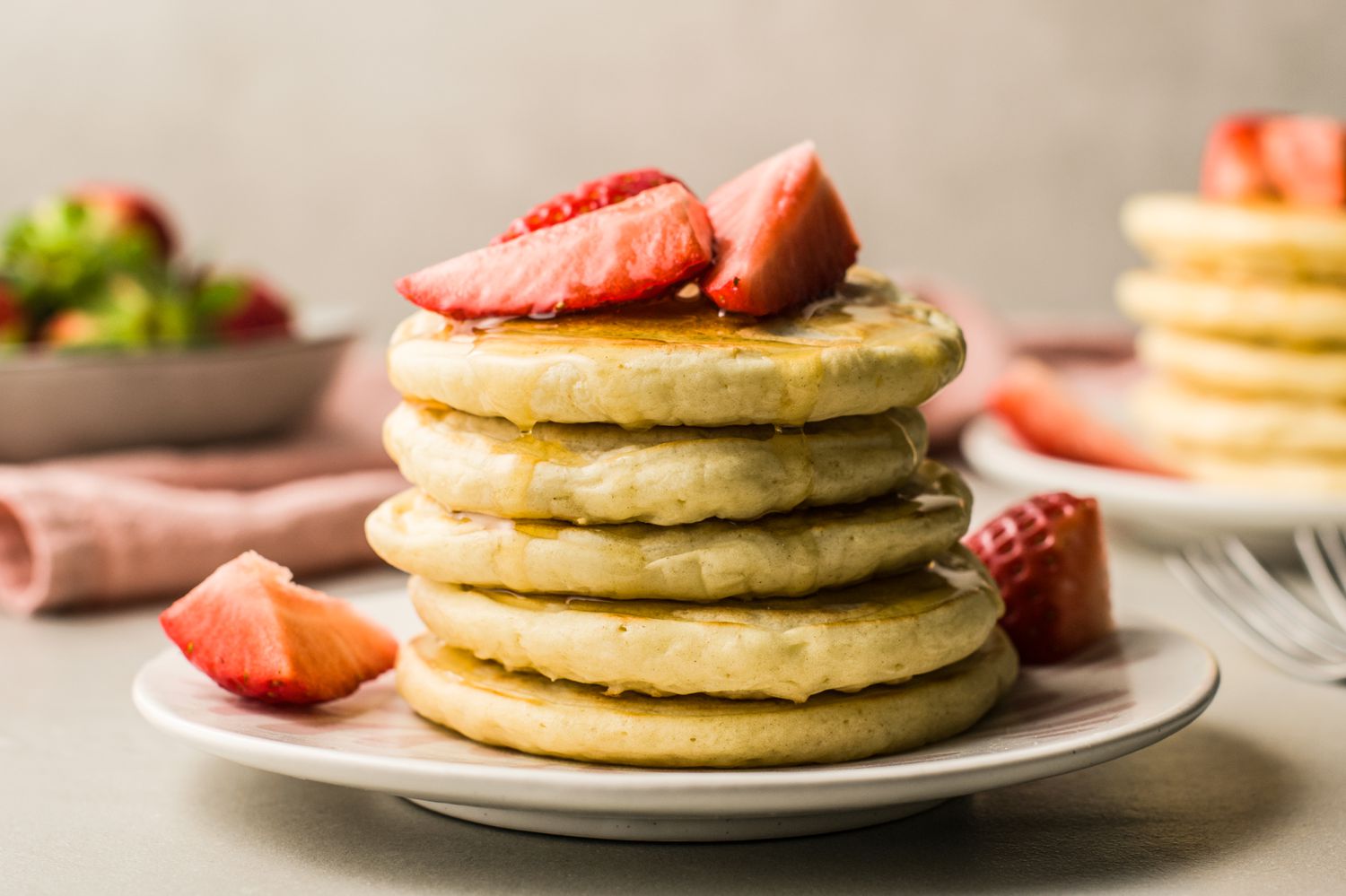
Food and Recipes Center: Easy, Healthy Recipe Ideas for Your Health Needs and Preferences

A useful food and recipes center takes a more practical approach. It helps you find meals that fit your health needs, food preferences, schedule, budget, cooking skills, and actual appetite. Whether you are managing diabetes, supporting heart health, avoiding gluten, cooking for food allergies, eating more plant-based meals, or simply trying to get dinner on the table before everyone becomes cranky, the same principle applies: start with flexible building blocks and customize from there.
What Makes a Recipe Healthy?
A healthy recipe is not defined by a trendy ingredient, a tiny portion, or the presence of kale wearing a heroic expression. It should provide useful nutrients, fit your personal needs, and leave you satisfied enough that you are not hunting for cookies 20 minutes later.
Current nutrition guidance generally emphasizes whole or minimally processed foods, including vegetables, fruits, protein foods, whole grains, dairy or suitable alternatives, and healthy fats. It also encourages reducing foods that are heavily processed or unusually high in refined carbohydrates, added sugars, sodium, or less desirable fats.
Use a Flexible Balanced-Meal Formula
For many lunches and dinners, try building the plate with four components:
- Vegetables or fruit: Aim for generous portions and a variety of colors.
- Protein: Choose fish, poultry, eggs, beans, lentils, tofu, yogurt, cottage cheese, or lean meat.
- High-fiber carbohydrate: Try oats, brown rice, quinoa, barley, whole-grain bread, beans, fruit, corn, potatoes, or sweet potatoes.
- Flavorful fat: Add olive oil, avocado, nuts, seeds, tahini, or another option appropriate for your needs.
This is a blueprint, not a food constitution. Portions and ingredients should change based on your age, activity level, medical needs, appetite, medications, culture, and goals.
Easy Healthy Breakfast Ideas
Breakfast does not need to be elaborate. It simply needs to work with your morning instead of actively fighting it.
Berry Overnight Oats
Combine rolled oats, milk or an unsweetened fortified alternative, chia seeds, cinnamon, and berries. Refrigerate overnight. Add chopped walnuts or pumpkin seeds before eating. This breakfast provides fiber, slow-digesting carbohydrates, and a convenient grab-and-go format.
Vegetable Egg Scramble
Sauté spinach, mushrooms, bell peppers, or leftover roasted vegetables. Add eggs or a mixture of eggs and egg whites, then serve with whole-grain toast or fruit. For a dairy-free version, skip the cheese or use a suitable alternative.
Protein-Packed Yogurt Bowl
Top plain Greek yogurt with fruit, oats, cinnamon, and seeds. Unsweetened soy yogurt can work for a plant-based version. Check labels because flavored yogurts can contain considerably more added sugar than plain varieties.
Quick Savory Breakfast Wrap
Fill a whole-grain or gluten-free tortilla with scrambled eggs or tofu, black beans, spinach, tomato, and avocado. Wrap tightly and refrigerate or freeze individual portions for busy mornings.
Healthy Lunches That Travel Well
A satisfying lunch should contain enough protein and fiber to prevent the afternoon energy crashthe one that makes the office vending machine look like a five-star restaurant.
Mediterranean Chickpea Bowl
Layer greens, chickpeas, cucumber, tomatoes, brown rice or quinoa, and a lemon-tahini dressing. Add feta if desired. Use rinsed no-salt-added or lower-sodium chickpeas when sodium is a concern.
Turkey and Avocado Crunch Wrap
Use sliced turkey, avocado, shredded cabbage, carrots, and mustard in a whole-grain wrap. Compare packaged turkey products because sodium levels can vary widely. Leftover home-cooked chicken is another useful option.
Salmon White Bean Salad
Mix canned salmon, rinsed white beans, celery, parsley, lemon juice, olive oil, and black pepper. Serve over greens, in lettuce cups, or with whole-grain crackers. This recipe delivers protein and fiber without requiring a stove.
Leftover Remix Box
Pack leftover roasted vegetables, chicken or tofu, cooked grain, fruit, and a small container of sauce. Calling it a “remix box” sounds much more exciting than “Wednesday’s leftovers,” although both are technically accurate.
Easy Healthy Dinner Ideas
Sheet-Pan Chicken and Vegetables
Arrange chicken breast or thighs, broccoli, bell peppers, onions, and sweet potato on a sheet pan. Toss lightly with olive oil, garlic, smoked paprika, and black pepper. Roast until the chicken reaches a safe internal temperature and the vegetables are browned around the edges.
For a vegetarian version, replace the chicken with extra-firm tofu or drained chickpeas. Add lemon juice after cooking to brighten the flavor without adding more salt.
One-Pot Lentil Tomato Soup
Simmer lentils with no-salt-added tomatoes, carrots, celery, onions, garlic, broth, cumin, and herbs. Add spinach near the end. Serve with whole-grain bread or a side salad. Lentils provide plant protein and fiber while remaining inexpensive and pantry-friendly.
Ginger Vegetable Stir-Fry
Quickly cook broccoli, mushrooms, snap peas, carrots, and tofu, shrimp, or chicken in a small amount of oil. Finish with ginger, garlic, lime juice, and a modest amount of lower-sodium soy sauce or tamari. Serve over brown rice, quinoa, or cauliflower rice, depending on your preferences.
Baked Salmon With Herbed Potatoes
Bake salmon with lemon, dill, garlic, and black pepper. Serve it with roasted potatoes and green beans. Salmon supplies protein and unsaturated fats, while the simple seasoning keeps the recipe approachable for beginner cooks.
Build-Your-Own Taco Night
Set out corn tortillas, seasoned beans, grilled chicken or fish, cabbage, tomatoes, salsa, avocado, and plain yogurt. A build-your-own meal lets family members adjust portions and ingredients without requiring the cook to prepare four completely different dinners.
Recipe Ideas for Specific Health Needs
Diabetes-Friendly Recipes
A visual plate method can simplify meal planning. Fill roughly half the plate with non-starchy vegetables, one-quarter with protein, and one-quarter with a quality carbohydrate food. Examples include grilled chicken with roasted broccoli and quinoa, bean chili with a cabbage salad, or baked fish with green beans and a small sweet potato.
Carbohydrates do not have to disappear. Choosing fiber-rich sources, watching portions, and pairing carbohydrates with protein or fat may help create a steadier, more satisfying meal. People using insulin or glucose-lowering medications should follow the individualized plan provided by their health care team.
Heart-Healthy and Lower-Sodium Recipes
Mediterranean-style and DASH-inspired meals often emphasize vegetables, fruits, beans, whole grains, fish, nuts, and unsaturated fats. Try vegetable and bean soup, oatmeal with berries, grilled fish tacos, lentil salad, or chicken roasted with garlic and herbs.
Flavor does not require a salt avalanche. Use citrus, vinegar, garlic, ginger, toasted spices, fresh herbs, chiles, onions, and roasted vegetables. Compare Nutrition Facts labels on broths, sauces, breads, canned foods, and deli meats because these products can contribute significant sodium.
Kidney-Friendly Recipes
There is no universal kidney diet. Protein, sodium, potassium, phosphorus, and fluid recommendations can change according to kidney function, laboratory results, dialysis status, medications, and other conditions.
A recipe labeled “kidney-friendly” may not be appropriate for every person with kidney disease. Work with a renal dietitian before making major restrictions. A personalized meal might include herb-baked chicken, rice, and lower-potassium vegetables, while another person may need an entirely different combination.
Gluten-Free Recipes
Naturally gluten-free foods include fruits, vegetables, plain meat, fish, eggs, dairy, beans, nuts, rice, quinoa, corn, and potatoes. Easy meal ideas include quinoa bowls, corn-tortilla tacos, rice noodle stir-fries, baked potatoes with bean chili, and vegetable frittatas.
People with celiac disease must also consider cross-contact. Shared toasters, cutting boards, utensils, fryers, bulk bins, and condiment containers can transfer gluten. Use certified or clearly labeled products when needed, and keep preparation areas clean and separate.
Food-Allergy-Friendly Recipes
Food allergies require more than removing a visible ingredient. Read every package label, verify substitutions, clean surfaces and equipment, and prevent allergen cross-contact. Cooking does not reliably make an allergen safe.
Instead of trying to create one “free-from-everything” recipe, begin with a naturally simple dish. Rice bowls, roasted vegetables, plain proteins, soups, and salads can be customized with verified ingredients. Anyone with a diagnosed allergy should follow their allergist’s treatment and emergency plan.
Plant-Based and Vegetarian Recipes
Beans, lentils, peas, tofu, tempeh, edamame, nuts, seeds, and certain meat alternatives can anchor plant-based meals. Try lentil tacos, tofu stir-fry, chickpea curry, black bean burgers, or pasta with white beans and vegetables.
A strict vegan diet requires thoughtful planning for nutrients such as vitamin B12 and may require fortified foods or supplements. A registered dietitian can help ensure that the eating pattern remains balanced through different life stages.
Digestive-Sensitive Recipes
Digestive triggers vary widely. Someone with reflux, irritable bowel syndrome, gastroparesis, inflammatory bowel disease, or another condition may need a plan that differs from standard high-fiber advice.
Keep recipes simple while identifying triggers. Introduce extra fiber gradually when medically appropriate, and maintain a record of foods, portions, symptoms, and preparation methods. Avoid adopting a highly restrictive elimination diet without professional guidance.
Healthy Snacks and Desserts
Snacks can bridge a long gap between meals, support activity, or prevent arriving at dinner with the emotional stability of a hungry raccoon.
- Apple slices with peanut or sunflower seed butter
- Plain yogurt with berries
- Carrots and cucumbers with hummus
- A hard-boiled egg with fruit
- Roasted chickpeas
- Whole-grain crackers with tuna or cottage cheese
- Air-popped popcorn seasoned with herbs
For dessert, try baked cinnamon apples, frozen yogurt bark, chia pudding, fruit with dark chocolate, or banana “nice cream.” Dessert can be part of a balanced eating pattern; it does not need to disguise itself as a salad to earn permission.
How to Customize Almost Any Recipe
For More Vegetables
Add spinach to soups, mushrooms to ground-meat dishes, grated zucchini to sauces, or frozen vegetables to pasta and stir-fries. Frozen produce is convenient, nutritious, and less likely to become an expensive science experiment in the back of the refrigerator.
For More Protein
Add eggs, Greek yogurt, cottage cheese, tofu, beans, lentils, fish, chicken, or seeds. Choose the option that fits the flavor and your dietary restrictions.
For More Fiber
Use whole grains, beans, vegetables, fruit, nuts, and seeds. Increase fiber gradually when necessary and drink adequate fluids unless your medical team has advised fluid restriction.
For Less Sodium
Choose lower-sodium products, rinse canned beans and vegetables, reduce salty sauces, and build flavor with acids, aromatics, herbs, and spices.
For Less Added Sugar
Start by reducing the sugar in sauces, drinks, oatmeal, yogurt bowls, and baked goods. Use fruit, cinnamon, vanilla, or unsweetened cocoa to add flavor. “Natural” sweeteners such as honey and maple syrup still count as added sugars.
A Practical Healthy Pantry
A useful pantry makes healthy cooking faster than ordering takeout. Consider keeping several of these staples available:
- No-salt-added beans and tomatoes
- Lentils, brown rice, quinoa, oats, and whole-grain pasta
- Canned tuna, salmon, or chicken
- Frozen vegetables, fruit, fish, and cooked grains
- Olive oil, vinegar, mustard, and lower-sodium broth
- Nuts, seeds, nut or seed butter, and dried fruit without added sugar
- Garlic, onions, herbs, spices, and citrus
Check labels for allergens, sodium, added sugars, saturated fat, serving size, and fiber. The best product is not always the one with the loudest health claim on the front. The Nutrition Facts panel is less glamorous, but it is considerably better at telling the truth.
Real-World Experience: What Makes Healthy Cooking Sustainable
Real-world meal-planning experience reveals an important truth: people rarely stop cooking healthy meals because they suddenly develop a philosophical objection to broccoli. They stop because the routine becomes too complicated.
The first practical lesson is to repeat ingredients without repeating the exact same meal. A batch of roasted vegetables can become a grain bowl on Monday, a wrap filling on Tuesday, and part of an omelet on Wednesday. Cooked chicken can appear in tacos, soup, salads, and sandwiches. This approach saves money and preparation time while reducing food waste.
The second lesson is that sauces and seasonings create variety. Brown rice, vegetables, and protein may sound painfully responsible, but the experience changes with a lemon-herb dressing, a yogurt-cucumber sauce, a tomato salsa, or a ginger-lime drizzle. Preparing one or two sauces each week can make basic ingredients feel like different meals.
Another useful experience is learning which convenience foods genuinely help. Prewashed greens, frozen vegetables, canned beans, microwaveable whole grains, rotisserie chicken, and chopped produce can make balanced meals realistic on a busy night. Convenience is not a nutritional failure. It is often the bridge between an adequate home-cooked dinner and eating crackers over the sink.
Successful cooks also build an emergency-meal list. These are meals requiring little thought and about 15 minutes of effort. Examples include eggs with toast and fruit, tuna and white bean salad, vegetable quesadillas, oatmeal with yogurt, or frozen vegetables combined with rice and a simple protein. An emergency dinner does not need to be impressive. It needs to exist.
Portioning is another skill learned through repetition rather than perfection. Measuring every ingredient forever is unrealistic for many people, but temporarily measuring oils, sauces, cereal, pasta, or snack foods can improve portion awareness. Visual methods, including plate-based planning, make everyday decisions simpler after that initial learning period.
Meal preparation works best when it targets bottlenecks. Some households benefit from cooking complete meals on Sunday. Others become tired of those meals by Tuesday and begin negotiating with a pizza menu. A more flexible method is ingredient preparation: wash vegetables, cook one grain, prepare one protein, mix one sauce, and leave room to assemble different combinations.
Finally, the most durable healthy eating routine includes food people actually enjoy. A technically perfect meal plan that ignores culture, comfort, budget, and taste will eventually be abandoned. Favorite dishes can often be adjusted rather than erased: add vegetables, use a more suitable cooking method, reduce salty ingredients, change the portion, or serve the dish with lighter sides.
Healthy cooking becomes sustainable when it is forgiving. Some weeks will include colorful homemade meals; others will include canned soup, toast, and the last edible apple. Progress comes from having a dependable framework, not from winning an imaginary award for nutritional purity.
Conclusion
A helpful food and recipes center should offer more than a random pile of attractive dishes. It should help you build easy, healthy recipes around your health needs, food preferences, cooking ability, schedule, and budget.
Begin with vegetables or fruit, add an appropriate protein, include a satisfying carbohydrate, and use healthy fats and bold seasonings for flavor. Then customize the formula for diabetes, heart health, kidney disease, gluten-free eating, food allergies, plant-based preferences, or other needs. When a medical condition affects your diet, personalized advice from a physician or registered dietitian is more reliable than a one-size-fits-all recipe label.
The goal is not to cook perfectly. The goal is to create meals that nourish you, taste good, and remain practical enough to make again.
Editorial note: This educational article synthesizes current guidance from U.S. public-health agencies, medical organizations, nutrition professionals, food-safety authorities, and condition-specific patient resources. It is not a substitute for individualized medical or dietary care.