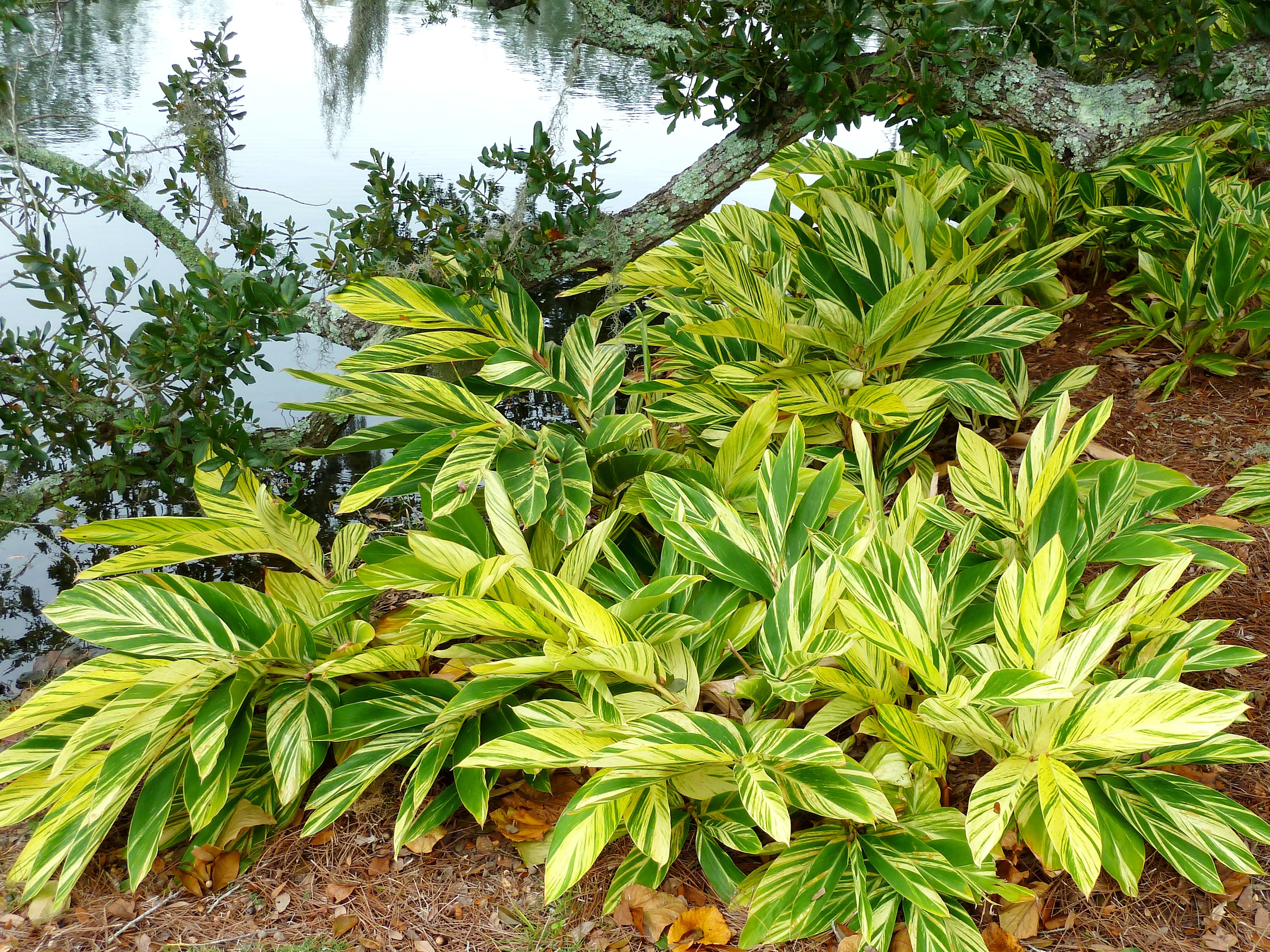

Shell ginger (Alpinia zerumbet) is the plant you buy when you want your yard (or patio) to look like it
just came back from a tropical vacationwearing sunglasses and refusing to answer emails. With tall canes, lush
leaves (often striped in the popular variegated forms), and dangling “shell-like” flower clusters, it’s a
showstopper in warm climates and a fantastic container plant everywhere else.
This guide covers how to plant shell ginger, how to keep it thriving, and how to handle real-world issues like
winter, containers, and the “why is my plant suddenly dramatic?” moments that happen to even the best gardeners.
Expect practical steps, specific examples, and a few gentle jokesbecause plants are already serious enough.
Meet Shell Ginger: What You’re Growing (and Why It’s Worth It)
Shell ginger is a rhizomatous perennial in the ginger family (Zingiberaceae). It grows in clumps from thick,
fleshy rhizomes (underground stems) and sends up upright, leafy canes. In mild climates, it can be evergreen; in
colder snaps, it may die back and return when warmth comes backlike it’s taking a very long weekend.
Hardiness and where it grows best
Shell ginger is generally grown outdoors year-round in USDA Zones 8–10 (sometimes noted as 8–10 for landscape use),
while gardeners in cooler regions often grow it as a container plant and overwinter it indoors or in a protected
space. Some references note it may survive in Zone 7 with serious winter protection, but it’s not a “set it and
forget it” situation there.
Before You Plant: Pick the Right Spot (Future You Will Say Thanks)
Light: sun, shade, and the “crispy leaf” problem
Shell ginger typically performs best in full sun to part shade, with many gardeners giving it some afternoon shade
in hotter climates to prevent leaf scorch. Variegated types are especially appreciated for their foliage, so you
want lighting that supports good color without burning the leaves.
- Warm/hot summers: Morning sun + afternoon shade is often a sweet spot.
- Milder/coastal areas: More sun can be tolerated, especially with consistent moisture.
- Deep shade: The plant may survive, but growth can become lanky and flowering may decrease.
Soil: rich, well-drained, and consistently moist
Think “forest-floor comfy”: organically rich soil that drains well but doesn’t dry out. Shell ginger appreciates
steady moisture, and many reputable horticultural sources emphasize not letting the soil go bone-dry.
Quick soil upgrade (in-ground): Mix 2–4 inches of compost into the top 8–12 inches of soil before
planting. If your soil is heavy clay, incorporate compost and consider planting slightly high (a gentle mound) to
reduce soggy-root risk.
Spacing: give it room to become itself
Shell ginger grows in clumps and can become sizable. Landscape guidance commonly suggests spacing plants roughly
24–36 inches apart so clumps can fill in without turning into a tangled group chat.
How to Plant Shell Ginger
Option A: Planting nursery plants in the ground
-
Time it right: Plant after frost danger has passed and soil is warming. In Zones 8–10, spring
through early summer is ideal for quick establishment. -
Dig a wide hole: Make the hole about 2–3 times the width of the pot and roughly the same depth.
This encourages roots to expand outward. -
Set the crown at the same level: Keep the top of the root ball level with surrounding soil.
Planting too deep can invite rot. - Backfill and water thoroughly: Water settles soil around roots and removes air pockets.
-
Mulch: Add 2–3 inches of mulch (not piled against stems) to conserve moisture and moderate soil
temperature.
Option B: Planting from rhizome divisions (the easiest way to propagate)
Shell ginger spreads via rhizomes, and division is a common, practical propagation method. The general approach is
to separate a piece of rhizome with at least one growing point (bud/eye) and some roots, then replant it in warm
conditions with consistent moisture.
- Choose a healthy clump: Best done in spring when active growth is beginning.
- Lift and split: Use a sharp spade or knife to separate rhizomes into sections.
- Replant promptly: Don’t let rhizomes sit out and dry for longthink “fresh produce,” not “garage storage.”
- Water in and keep evenly moist: New divisions need stable moisture to re-root confidently.
Growing Shell Ginger Successfully: Ongoing Care
Watering: consistent moisture without swamp conditions
Shell ginger likes evenly moist soilespecially during active growth. In-ground plants in hot weather may need deep
watering 1–2 times per week depending on rainfall and soil type; containers may need watering more frequently
because pots dry out faster. Avoid waterlogged soil, which can stress rhizomes.
Simple test: Stick a finger 2 inches into the soil. If it feels dry at that depth, water. If it
feels cool and moist, wait a day and check again.
Fertilizing: feed for foliage and flowers
Shell ginger responds well to fertile soil and regular feeding, especially in containers. One extension source
notes monthly fertilization for container-grown plants using a general fertilizer during the growing season. In
the ground, compost and a balanced slow-release fertilizer in spring can be enough.
- In-ground: Compost + optional balanced slow-release in spring.
- Containers: Balanced liquid feed about monthly during active growth (follow label rates).
Pruning: tidy, don’t terrorize
Shell ginger grows as canes. Remove damaged or cold-killed canes at the base. If a clump gets too large, divide it
rather than repeatedly “haircutting” the topdivision keeps plants vigorous and manageable.
Mulching and winter protection
In borderline areas (like the colder edge of its comfort zone), a thick mulch layer can help protect rhizomes.
Some gardeners report dieback during freezes with regrowth when temperatures rebound. In climates where winter lows
regularly drop into the 20s °F, expect dieback and plan protection or container culture.
How to Grow Shell Ginger in Pots (and Why It’s a Great Idea)
Container-growing shell ginger is the cheat code for gardeners outside warm zones: you get the tropical look
without gambling your plant’s life on winter weather.
Container setup
- Pot size: Start with a large, stable container (shell ginger can get tall).
- Drainage: Non-negotiable. Use a pot with drainage holes.
- Soil mix: A high-quality potting mix amended with compost is ideal for moisture retention plus drainage.
Overwintering indoors
Many gardeners in cooler regions move shell ginger indoors or into a greenhouse/bright protected space for winter.
Provide bright light and humidity when possible. Expect slower growth in winter; water less, but don’t let the pot
fully dry out for long stretches.
Common Problems (and Fixes That Don’t Involve Begging)
Leaves browning on edges
- Likely cause: Too much hot sun, low humidity, or inconsistent watering.
- Fix: Shift to afternoon shade, water more consistently, add mulch, and consider misting/humidity support for indoor plants.
Floppy stems
- Likely cause: Not enough light or too much nitrogen fertilizer.
- Fix: Increase light gradually and use balanced feeding rather than high-nitrogen formulas.
Pests
Shell ginger is often described as having few serious pest issues, but mites can show up, especially in dry indoor
conditions. Inspect leaf undersides and address early with a strong water rinse or appropriate horticultural soap
per label directions.
A Note on Responsible Growing (Yes, Even for Pretty Plants)
In some regionsparticularly Hawai‘ishell ginger has been flagged as a high-risk plant due to invasive potential.
If you live where it’s considered risky, choose alternatives or grow it in contained settings, prevent seed spread,
and follow local guidance. When in doubt, local extension offices and invasive species resources are your best
reality check.
Shell Ginger Care Cheat Sheet
- Best zones (outdoors): Typically 8–10 (container-grow elsewhere).
- Light: Full sun to part shade; afternoon shade in hot climates.
- Soil: Organically rich, well-drained, consistently moist.
- Water: Even moisture; avoid soggy soil and drought swings.
- Fertilizer: Compost + balanced feed; monthly feeding is common for containers.
- Propagation: Divide rhizomes (best in spring).
Frequently Asked Questions
How fast does shell ginger grow?
In warm weather with moisture and fertile soil, shell ginger can grow quickly and form larger clumps over time. In
containers or cooler climates, growth is slower, especially in winter or indoors.
Does shell ginger like full sun?
It can grow in full sun, but many gardeners aim for full sun to part shade, especially giving afternoon shade in
hot climates to reduce leaf scorch.
Can I grow shell ginger as a houseplant?
Yesmany people grow it indoors in cooler regions. Provide bright light, consistent moisture, and higher humidity
when possible for best results.
Hands-On Grower Notes: of Real-World Experience (The Stuff Guides Don’t Always Say)
Gardeners who fall in love with shell ginger usually fall in love with the look firstthen they learn the
rhythm. The rhythm is simple: shell ginger wants to feel like it’s living near a warm beach, even if it’s actually
living next to your recycling bin.
One of the most common “aha” moments is realizing that shell ginger doesn’t respond well to extremes. If you water
it like a cactus for two weeks and then panic-soak it like you’re putting out a campfire, the leaves often complain
with browning tips or a slightly ragged look. The fix isn’t complicatedconsistent moisture is the real secret
sauce. Many growers end up using mulch outdoors or self-watering trays (carefully!) for container plants to smooth
out the highs and lows.
Light is the second big lesson. New growers frequently hear “full sun” and interpret that as “all-day blazing sun
reflecting off a white fence.” Shell ginger may survive that, but the foliage can look tiredespecially variegated
types. A lot of gardeners quietly “solve” this by putting the plant where it gets bright morning sun and softer
light later. The payoff is leaves that stay bold and fresh-looking instead of crispy around the edges.
Containers are where shell ginger really shines for people outside the warmest regions. A practical pattern many
gardeners follow is: let it live outdoors when nights are reliably warm, then move it inside before frost. The
transition is smoother when you reduce fertilizer ahead of time (so you’re not pushing tender growth right before
indoor life) and check for pests before the plant crosses your threshold. Indoors, the plant often slows down
which is normal. The biggest indoor challenge tends to be dry air. People who succeed long-term often add humidity
(grouping plants together, a pebble tray, or a humidifier) and keep the plant near bright light.
Division is the “practical magic trick.” When shell ginger gets crowded, it can start looking less lush and more
like a busy subway at rush hourtoo many stems, not enough breathing room. Gardeners who divide every few years
often report better vigor and easier maintenance. And the bonus is obvious: you suddenly have more shell ginger
than you planned, which is either a delightful gift for friends or the beginning of your “accidental tropical
garden empire.”
Finally, the most experienced shell ginger growers seem to share the same mindset: treat it like a tropical plant,
not a plastic decoration. Give it rich soil, steady water, decent light, and a little protection from harsh
weatherand it will reward you with that lush, vacation vibe for years.
Conclusion
If you want a plant that delivers maximum tropical drama with relatively low maintenance, shell ginger is a
top-tier choice. Give it rich, well-drained soil, steady moisture, and light that matches your climate. Grow it in
the ground in warm zones, or keep it in a container so you can bring it inside when temperatures drop. Divide
clumps when they outgrow their space, watch for mites indoors, andif you live in regions where it’s considered
invasivegrow responsibly and follow local recommendations.