
Figuring out what to cook for dinner when you have diabetes can feel like solving a tiny nutritional puzzle every evening. You want something satisfying, flavorful, reasonably quick, and supportive of steady blood sugar. Preferably, it should also be a meal the rest of the family will eat without staring suspiciously at the plate.
The good news is that diabetic dinner recipes do not require a separate shelf of mysterious ingredients or a lifetime commitment to plain grilled chicken. A practical diabetes-friendly dinner can contain familiar foods: vegetables, chicken, fish, beans, lentils, whole grains, tofu, herbs, spices, and healthy fats. The trick is building a balanced plate and paying attention to the type and amount of carbohydrate you eat.
A useful starting point is the diabetes plate method: fill about half a 9-inch plate with nonstarchy vegetables, one-quarter with lean or plant-based protein, and one-quarter with a quality carbohydrate food. Water or another unsweetened beverage completes the meal. Individual carbohydrate needs vary, however, so people who use insulin or other glucose-lowering medicines should follow the meal plan recommended by their healthcare team.
With that foundation in mind, here are 10 easy diabetic recipes for dinner that prove blood-sugar-conscious cooking does not have to taste like punishment.
What Makes a Dinner Diabetes-Friendly?
There is no single official “diabetes diet” that everyone must follow. Different eating patterns can work, and the best plan depends on medications, activity level, health goals, food preferences, and individual glucose response.
Still, several habits consistently make dinner easier to balance:
- Make nonstarchy vegetables a major part of the meal.
- Choose lean proteins such as fish, chicken, turkey, tofu, eggs, or beans.
- Favor high-fiber carbohydrates such as lentils, beans, quinoa, brown rice, barley, and sweet potatoes.
- Keep refined grains and foods with large amounts of added sugar to a minimum.
- Use unsaturated fats from foods such as olive oil, avocado, nuts, seeds, and fish.
- Watch portions, especially for rice, pasta, bread, tortillas, potatoes, and other concentrated carbohydrate foods.
- Use herbs, citrus, garlic, pepper, vinegar, and spices for flavor instead of automatically reaching for extra sugar or salt.
Now, on to the part everyone actually came for: dinner.
10 Easy Diabetic Dinner Recipes
1. Lemon-Garlic Salmon With Roasted Broccoli
Salmon is almost unfairly convenient. It cooks quickly, pairs with nearly every vegetable, and contains protein plus unsaturated fats. Add roasted broccoli and a modest portion of quinoa, and dinner suddenly looks far more sophisticated than the amount of effort involved.
Ingredients:
- 4 salmon fillets
- 5 cups broccoli florets
- 1 tablespoon olive oil
- 2 garlic cloves, minced
- 1 lemon
- 1 teaspoon dried oregano
- Black pepper to taste
- 2 cups cooked quinoa for serving
Directions: Heat the oven to 400°F. Place salmon and broccoli on a sheet pan. Drizzle lightly with olive oil and lemon juice, then season with garlic, oregano, and pepper. Roast for approximately 12 to 16 minutes, depending on the thickness of the salmon. Serve each fillet with plenty of broccoli and about 1/2 cup cooked quinoa.
Why it works: The meal combines protein, nonstarchy vegetables, healthy fat, and a controlled portion of fiber-containing whole grain.
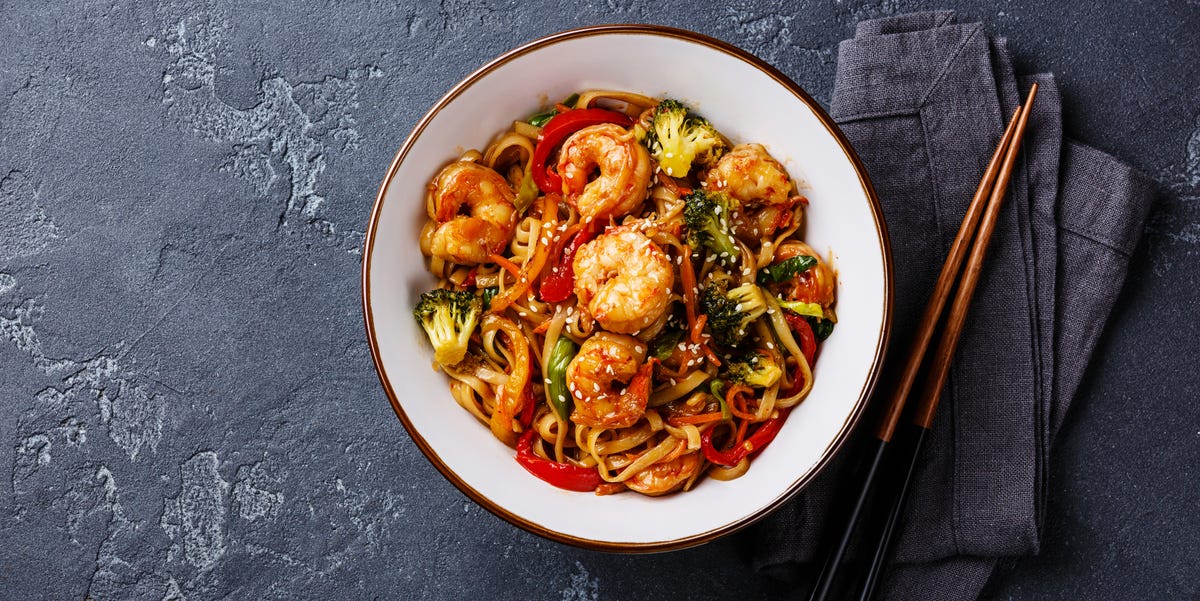
2. Chicken and Vegetable Stir-Fry
Stir-fry is the culinary answer to discovering six vegetables in your refrigerator that are rapidly approaching retirement.
Ingredients:
- 1 pound boneless, skinless chicken breast, sliced
- 2 cups broccoli
- 1 bell pepper, sliced
- 1 cup mushrooms
- 1 cup snap peas
- 2 teaspoons avocado or olive oil
- 2 garlic cloves, minced
- 1 teaspoon fresh grated ginger
- 2 tablespoons reduced-sodium soy sauce
- 2 cups cooked brown rice
Directions: Heat oil in a large skillet. Cook the chicken until browned and cooked through, then remove temporarily. Stir-fry the vegetables for several minutes until crisp-tender. Add garlic, ginger, soy sauce, and chicken. Toss everything together and serve over a modest portion of brown rice.
Skip bottled sauces labeled sticky, sweet, honey, or teriyaki unless you have checked their added-sugar content. Homemade seasoning gives you much more control.
3. Turkey Taco Lettuce Bowls
Taco night does not need to disappear because someone is watching carbohydrates. It simply needs a wardrobe change.
Ingredients:
- 1 pound lean ground turkey
- 1 teaspoon chili powder
- 1 teaspoon cumin
- 1/2 teaspoon smoked paprika
- 1 cup black beans, rinsed and drained
- Chopped tomatoes
- Shredded lettuce
- Diced avocado
- Fresh cilantro
- Lime wedges
- Plain Greek yogurt, optional
Directions: Brown the turkey in a skillet and season with chili powder, cumin, and paprika. Divide lettuce among bowls, then top with turkey, a controlled portion of black beans, tomatoes, avocado, cilantro, and a squeeze of lime. Add a spoonful of plain Greek yogurt if desired.
Beans still contain carbohydrates, but they also provide fiber and plant protein. That makes them considerably different nutritionally from piling a bowl with tortilla chips and calling the salsa a vegetable.
4. One-Pan Mediterranean Chicken and Vegetables
This is the kind of recipe that makes you look organized even when dinner planning began 11 minutes ago.
Ingredients:
- 4 small boneless, skinless chicken breasts
- 1 zucchini, chopped
- 1 red bell pepper, chopped
- 1 small red onion, chopped
- 1 cup cherry tomatoes
- 1 tablespoon olive oil
- 1 teaspoon oregano
- 1/2 teaspoon garlic powder
- Lemon juice
- 2 cups cooked barley or farro
Directions: Heat the oven to 425°F. Arrange chicken and vegetables on a sheet pan. Coat lightly with olive oil, oregano, garlic powder, lemon juice, and black pepper. Roast until the chicken reaches a safe internal temperature and the vegetables are tender. Serve with approximately 1/2 cup cooked barley or farro per person.
The Mediterranean-style combination of vegetables, lean protein, whole grains, olive oil, herbs, and minimally processed ingredients is also a welcome change from the idea that “healthy dinner” means steamed sadness.
5. Lentil and Spinach Tomato Stew
A satisfying diabetic dinner does not have to contain meat. Lentils deliver plant protein, fiber, minerals, and complex carbohydrates in one inexpensive package.
Ingredients:
- 1 cup dry brown or green lentils
- 1 small onion, diced
- 2 carrots, diced
- 2 celery stalks, diced
- 3 cups low-sodium vegetable broth
- 1 can no-salt-added diced tomatoes
- 3 cups fresh spinach
- 1 teaspoon cumin
- 1/2 teaspoon smoked paprika
- 1 tablespoon olive oil
Directions: Sauté onion, carrots, and celery in olive oil until softened. Add lentils, broth, tomatoes, cumin, and paprika. Simmer until the lentils are tender, adding water if necessary. Stir in spinach during the final few minutes.
Because lentils contain carbohydrates, portion still matters. But their combination of fiber and protein makes them a useful ingredient for balanced meals.
6. Garlic Shrimp With Cauliflower Rice
When dinner needs to happen quickly, shrimp understands the assignment.
Ingredients:
- 1 pound peeled shrimp
- 4 cups cauliflower rice
- 1 zucchini, diced
- 1 red bell pepper, diced
- 2 garlic cloves, minced
- 1 tablespoon olive oil
- 1 tablespoon lemon juice
- Fresh parsley
- Black pepper and red pepper flakes to taste
Directions: Heat half the oil in a skillet and sauté the vegetables and cauliflower rice. Remove them when tender. Add the remaining oil, garlic, and shrimp, cooking until the shrimp are opaque. Finish with lemon, parsley, and pepper flakes. Serve the shrimp over the vegetable mixture.
If you need more carbohydrate with your meal, add beans, a small piece of whole-grain bread, or another carbohydrate portion that fits your personal eating plan.
7. Turkey and Vegetable Stuffed Peppers
Stuffed peppers are excellent for portion awareness because nature has already supplied the serving container. Very considerate of the bell pepper.
Ingredients:
- 4 large bell peppers
- 1 pound lean ground turkey
- 1 cup cooked quinoa
- 1 zucchini, finely chopped
- 1 cup no-salt-added diced tomatoes
- 1 teaspoon Italian seasoning
- 1/2 cup shredded reduced-fat mozzarella, optional
Directions: Cut the peppers in half and remove the seeds. Brown the turkey, then mix it with quinoa, zucchini, tomatoes, and Italian seasoning. Spoon the mixture into the peppers. Bake at 375°F for about 25 minutes. Add a modest amount of cheese near the end if desired.
Using quinoa and extra vegetables means you do not need an enormous quantity of rice to make the filling satisfying.
8. Baked Chicken With Sweet Potato and Green Beans
Yes, people with diabetes can eat sweet potatoes. The useful question is usually not, “Is this food forbidden?” but, “What portion works within my meal?”
Ingredients:
- 4 small chicken breasts or skinless chicken thighs
- 2 medium sweet potatoes, cut into cubes
- 4 cups green beans
- 1 tablespoon olive oil
- 1 teaspoon paprika
- 1 teaspoon dried thyme
- Garlic powder and black pepper
Directions: Roast sweet potato cubes at 425°F for about 15 minutes. Add seasoned chicken and green beans to the sheet pan, then continue roasting until the chicken is fully cooked and the vegetables are tender.
For a plate-method approach, let green beans occupy roughly half the plate, chicken about one-quarter, and the sweet potato portion the remaining quarter.
9. Beef and Broccoli With Brown Rice
Takeout beef and broccoli can arrive with plenty of sodium, oil, and sugary sauce. The homemade version lets you keep the good partthe beef and broccoliwhile editing the supporting cast.
Ingredients:
- 1 pound lean sirloin, thinly sliced
- 5 cups broccoli florets
- 1 tablespoon avocado oil
- 2 garlic cloves
- 1 teaspoon grated ginger
- 2 tablespoons reduced-sodium soy sauce
- 1 teaspoon sesame oil
- 2 cups cooked brown rice
Directions: Sear the beef quickly in a hot skillet and set aside. Cook broccoli until crisp-tender. Add garlic and ginger, return the beef, and stir in soy sauce and sesame oil. Serve with a small portion of brown rice.
Choosing a lean cut and making broccoli the dominant ingredient keeps this dinner vegetable-forward without pretending broccoli is somehow supposed to replace every enjoyable food on earth.
10. Black Bean and Vegetable Skillet
For the evening when cooking an elaborate dinner is absolutely not happening, keep this recipe nearby.
Ingredients:
- 1 can black beans, rinsed and drained
- 1 bell pepper, chopped
- 1 zucchini, chopped
- 1 cup diced tomatoes
- 1 cup cauliflower rice
- 1 teaspoon cumin
- 1 teaspoon chili powder
- 1 teaspoon olive oil
- 1/2 avocado, diced
- Fresh lime and cilantro
Directions: Sauté the pepper and zucchini in olive oil. Add cauliflower rice, black beans, tomatoes, cumin, and chili powder. Cook until heated through. Finish with avocado, cilantro, and lime.
It is inexpensive, plant-based, fiber-rich, freezer-friendly, and cooked in one skillet. The person washing dishes may nominate it for dinner of the year.
How to Make Diabetic Recipes for Dinner Taste Better
Build Flavor Without Relying on Sugar
Sugar-heavy marinades are not required for good flavor. Lemon and lime juice, vinegar, garlic, fresh herbs, ginger, cumin, smoked paprika, chili powder, black pepper, mustard, and toasted spices can transform basic ingredients.
Do Not Fear CarbohydratesPlan Them
Diabetes-friendly eating does not automatically mean eliminating carbohydrates. Beans, lentils, fruit, dairy, sweet potatoes, and whole grains all contain carbohydrates. The amount, type, and combination matter.
Pairing carbohydrate foods with protein, fiber, vegetables, and healthy fats often creates a more balanced meal than eating refined carbohydrates by themselves. People who count carbohydrates should use the serving sizes and carbohydrate targets established with their healthcare professional or registered dietitian.
Make Vegetables Convenient
The vegetable drawer has an unfortunate habit of turning optimism into compost. Frozen vegetables can prevent that tragedy. Keep frozen broccoli, spinach, green beans, peppers, cauliflower rice, and mixed vegetables available for fast meals. Plain frozen vegetables are nutritionally useful and require almost no preparation.
Cook Once, Eat Twice
Double chicken, salmon, roasted vegetables, lentil stew, or turkey filling. Refrigerate appropriate leftovers for another meal. A planned leftover is completely different from discovering an unidentified container in the back of the refrigerator two weeks later.
Common Mistakes When Planning Diabetic Dinners
One common mistake is focusing only on sugar while ignoring total carbohydrate portions. Another is assuming anything advertised as “low carb” is automatically nutritious. A meal can be low in carbohydrates yet unnecessarily high in saturated fat, sodium, or calories.
Also watch sauces and condiments. Barbecue sauce, sweet chili sauce, bottled teriyaki sauce, ketchup, and certain salad dressings may contain substantial added sugar or sodium. Nutrition Facts labels can help you compare products.
Finally, avoid turning dinner into a punishment. A plan that is nutritionally perfect but so unpleasant that nobody follows it for more than three days is not especially useful. Sustainable meals should taste good, match your lifestyle, and leave you satisfied.
Real-World Experience: Making Diabetes-Friendly Dinners Easier Every Week
In everyday kitchens, the hardest part of diabetes-friendly cooking usually is not understanding that vegetables and lean proteins are useful. The hard part is making those choices convenient at 6:30 p.m. when everyone is hungry.
A practical lesson from successful meal planning is to stop expecting yourself to cook a completely new recipe every night. Instead, build a small collection of flexible dinner formulas. A sheet-pan meal can become salmon and broccoli on Monday, chicken with peppers on Wednesday, and shrimp with zucchini later in the week. The method stays familiar while the ingredients change.
Another useful experience is learning that portioning carbohydrate foods before serving can be easier than relying on willpower at the table. Instead of putting an enormous pot of rice beside the plates, portion rice, quinoa, potatoes, or pasta as part of the meal and leave vegetables available for anyone who wants seconds. This simple setup naturally keeps the plate closer to the intended balance.
Meal preparation also becomes dramatically easier when ingredients overlap. Suppose you buy broccoli, peppers, spinach, zucchini, chicken, salmon, black beans, quinoa, and lemons. Those ingredients can create several of the recipes above without requiring 47 separate items from the grocery store. Your refrigerator becomes a meal-building system rather than a museum of ingredients purchased for one complicated recipe.
People also tend to discover that seasoning matters more than they expected. Plain chicken, plain broccoli, and plain brown rice every night would test anybody’s commitment. But garlic-lemon chicken, smoky paprika vegetables, cumin-spiced beans, ginger shrimp, or Mediterranean herbs can use similar nutritious ingredients while producing completely different meals.
Frozen and canned foods deserve more respect, too. Frozen vegetables, no-salt-added tomatoes, canned beans that are drained and rinsed, and frozen fish can turn a night with “nothing to cook” into dinner surprisingly quickly. Convenience does not automatically mean heavily processed food.
Another practical habit is checking personal glucose responses when appropriate. Two people can eat similar meals and experience different results. Portion sizes, medications, activity, sleep, and many other factors can influence blood sugar. Recording meals and glucose readings, when recommended by your care team, may reveal which portions and combinations work particularly well for you.
Perhaps the biggest lesson is that diabetes-friendly dinners become much easier when the entire household eats roughly the same meal. Cooking one “special diabetic dinner” and another dinner for everybody else creates extra work and can make healthy eating feel restrictive. Meals centered on vegetables, lean proteins, whole foods, fiber-rich carbohydrates, and healthy fats can be enjoyable for almost anyone. Family members who need additional energy can simply add larger carbohydrate portions or another side.
Over time, these routines reduce the nightly decision fatigue. Keep a few proteins available, stock several vegetables, choose two or three quality carbohydrate options, and maintain a collection of strong seasonings. Dinner then becomes less about searching desperately for the perfect diabetic recipe and more about assembling ingredients you already know how to use.
Conclusion
The best easy diabetic dinner recipes are not built around deprivation. They are built around balance. Vegetables provide volume and fiber, protein adds staying power, quality carbohydrates supply energy and nutrients, and healthy fats and seasonings make the meal enjoyable.
Start with one or two recipes from this list instead of trying to redesign your entire diet overnight. Lemon-garlic salmon, chicken stir-fry, lentil stew, turkey stuffed peppers, shrimp with cauliflower rice, and the other meals can all be adjusted to personal tastes and carbohydrate needs.
Because diabetes treatment is individualized, these recipes are general meal ideas rather than individualized medical nutrition therapy. People who use insulin, sulfonylureas, or other medicines that can cause hypoglycemia, as well as people with kidney disease or other medical conditions, should discuss significant dietary changes and appropriate carbohydrate portions with their healthcare team or a registered dietitian nutritionist.