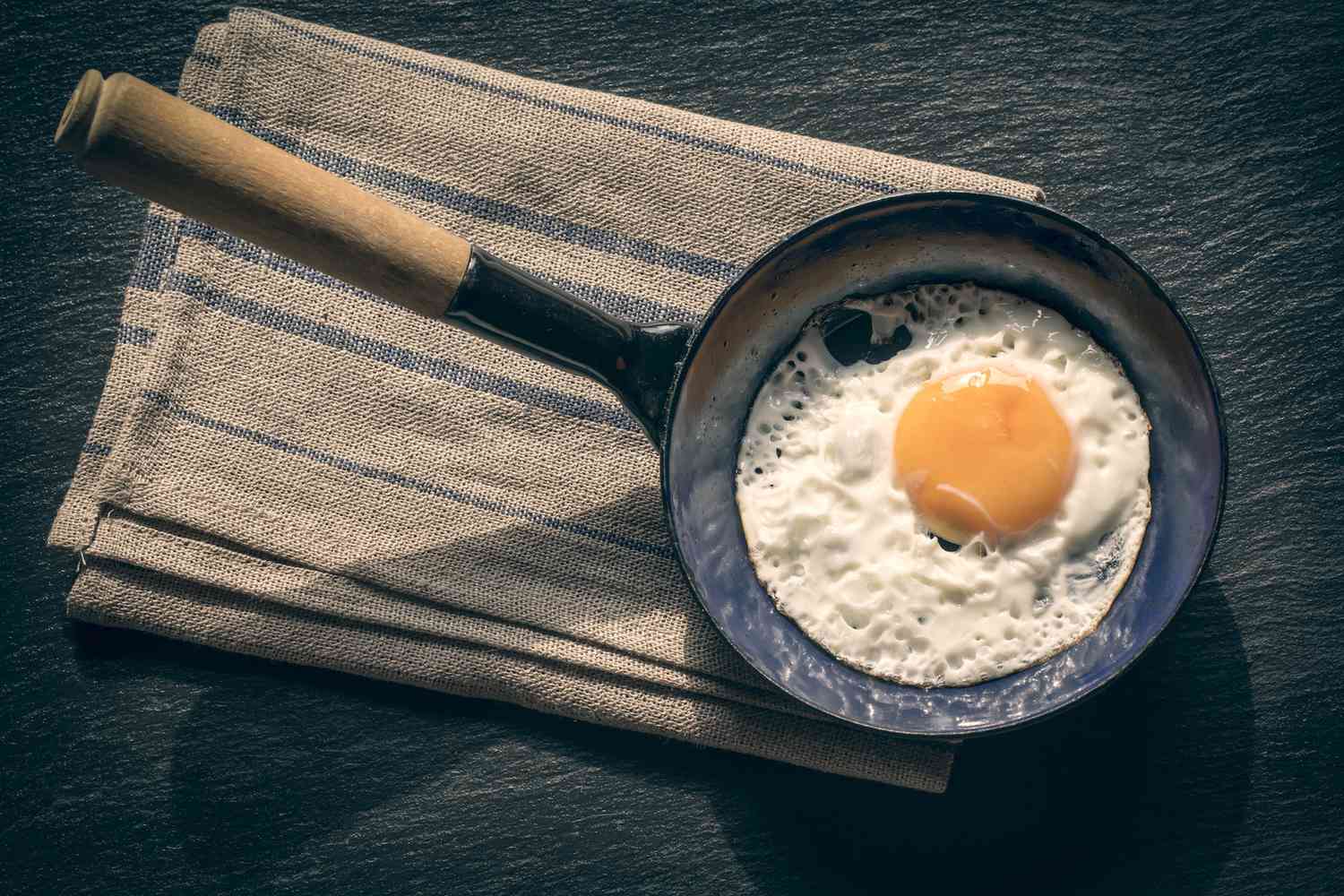

If breakfast had a backstage pass to the spice cabinet, this Middle Eastern recipe of garlic fried eggs would be the dish wearing sunglasses indoors. It is simple, bold, fast, and wildly satisfying: eggs fried in olive oil, perfumed with garlic, brightened with lemon, and finished with parsley, sumac, chili, or warm spices depending on your mood. In other words, it is what happens when the humble fried egg gets a passport stamp and a very fragrant personality.
Across the Middle East and North Africa, eggs show up in many beloved forms: poached in tomato sauce for shakshuka, folded with herbs into omelets, served with garlicky yogurt in Turkish-style preparations, or fried crisp around the edges with olive oil, ghee, garlic, chile, and sumac. Garlic fried eggs are not complicated food, and that is exactly their genius. With just a few pantry ingredients, you can turn two eggs into a breakfast, brunch, lunch, late-night snack, or “I forgot to go grocery shopping but still deserve flavor” meal.
This guide walks you through a practical, flavorful version inspired by Middle Eastern home cooking. You will learn how to make the recipe, why the ingredients work, how to avoid burnt garlic, what to serve with the eggs, and how to customize the dish without turning it into a kitchen science fair. Spoiler: warm pita is strongly encouraged.
What Are Middle Eastern Garlic Fried Eggs?
Middle Eastern garlic fried eggs are eggs cooked in a flavorful fatusually olive oil, sometimes ghee or butterwith garlic and seasonings. The eggs may be sunny-side up, over-easy, fully cooked, or even made from boiled eggs that are pan-fried until golden. The defining idea is simple: the garlic seasons the oil, the oil crisps the eggs, and the finishing ingredients add brightness and depth.
In many Middle Eastern kitchens, breakfast is not treated like a rushed obligation. It can be a spread: warm bread, olives, cucumbers, tomatoes, labneh, feta, herbs, pickles, olive oil, za’atar, and eggs. Garlic fried eggs fit beautifully into that tradition because they are quick enough for a weekday but flavorful enough to sit proudly on a weekend breakfast table.
Why Garlic Makes Fried Eggs So Good
Garlic does two jobs here. First, it gives the oil a savory backbone. Second, it creates tiny golden bits that cling to the egg whites and make every bite taste intentional. The trick is to cook the garlic gently. Garlic can go from golden and charming to bitter and dramatic in seconds, and nobody wants breakfast that tastes like a campfire regret.
For this recipe, minced garlic is cooked briefly in olive oil over medium-low heat before the eggs go in. The goal is fragrance, not darkness. If the garlic browns too fast, reduce the heat immediately or remove the pan from the burner for a few seconds.
Ingredients for Middle Eastern Garlic Fried Eggs
This recipe serves one hungry person or two people if it is part of a larger breakfast spread.
- 2 large eggs
- 1 1/2 tablespoons extra-virgin olive oil
- 1 large garlic clove, finely minced or thinly sliced
- 1 tablespoon chopped fresh parsley
- 1 teaspoon fresh lemon juice
- 1/4 teaspoon ground cumin
- 1/4 teaspoon sumac, plus more for garnish
- Pinch of red pepper flakes or Aleppo-style pepper
- Kosher salt, to taste
- Freshly ground black pepper, to taste
- Warm pita, flatbread, or toast, for serving
Ingredient Notes and Smart Swaps
Olive oil: Extra-virgin olive oil gives the eggs a fruity, peppery base. Use a good everyday oil, not the tiny expensive bottle you guard like treasure.
Garlic: Fresh garlic is best. Garlic powder can work in a pinch, but it will not give the same aromatic punch or texture.
Sumac: Sumac adds a tart, lemony flavor and a deep reddish color. If you do not have it, use a little extra lemon juice, though the flavor will be brighter and less earthy.
Cumin: Ground cumin adds warmth and makes the eggs taste distinctly Middle Eastern without overpowering them.
Parsley: Flat-leaf parsley is classic and fresh. Cilantro is also delicious if you enjoy its bolder flavor.
Chile: Aleppo-style pepper is ideal because it is fruity and moderately spicy. Red pepper flakes work well too, but use a lighter hand if yours are fiery.
How to Make Middle Eastern Garlic Fried Eggs
Step 1: Prepare the Ingredients First
Garlic fried eggs cook quickly, so chop the garlic and parsley, cut the lemon, and keep your spices nearby before heating the pan. This is not the moment to search for sumac while your garlic is auditioning for charcoal.
Step 2: Warm the Olive Oil
Place a small nonstick or well-seasoned cast-iron skillet over medium-low heat. Add the olive oil and let it warm until it shimmers slightly. The oil should be hot enough to cook the garlic gently but not so hot that it smokes.
Step 3: Cook the Garlic
Add the minced garlic and stir for 20 to 30 seconds, just until fragrant. If using thin garlic slices, cook them until they begin to turn pale gold around the edges. Keep the heat controlled. Golden garlic is delicious; burnt garlic is a tiny kitchen tragedy.
Step 4: Add the Eggs
Crack the eggs into the skillet. For the neatest shape, crack each egg into a small bowl first, then slide it into the pan. Sprinkle with salt, black pepper, cumin, sumac, and chile flakes.
Step 5: Fry Until the Edges Crisp
Cook the eggs until the whites are set and the edges are lightly crisp, about 2 to 4 minutes. For sunny-side-up eggs, spoon a little hot garlic oil over the whites to help them cook while keeping the yolks soft. For firmer yolks, cover the pan briefly with a lid or flip the eggs carefully for an over-medium finish.
Step 6: Finish with Lemon and Herbs
Turn off the heat. Add the lemon juice directly over the eggs and sprinkle with chopped parsley. Add another small pinch of sumac if you like extra tang. Serve immediately with warm pita, sliced cucumbers, tomatoes, olives, labneh, feta, or a simple salad.
Recipe Card: Middle Eastern Garlic Fried Eggs
Prep Time, Cook Time, and Yield
- Prep time: 5 minutes
- Cook time: 5 minutes
- Total time: 10 minutes
- Yield: 1 to 2 servings
- Skill level: Easy
Instructions Summary
- Warm olive oil in a skillet over medium-low heat.
- Add garlic and cook briefly until fragrant.
- Slide in the eggs and season with salt, pepper, cumin, sumac, and chile.
- Fry until the whites are set and the edges are crisp.
- Finish with lemon juice and parsley.
- Serve hot with pita and fresh vegetables.
Why This Recipe Works
The beauty of this garlic fried eggs recipe is balance. Eggs are rich, garlic is savory, olive oil is fruity, lemon is bright, and sumac adds a tart, slightly earthy finish. Cumin gives the dish warmth without making it heavy. Parsley refreshes everything at the end, like a tiny green applause from the herb drawer.
The technique also matters. Cooking the garlic first flavors the oil, so the eggs absorb that aroma from the bottom up. Spooning the oil over the whites helps them set while preserving a soft yolk. That contrastcrisp edges, tender whites, runny yolk, and fragrant oilis what makes the dish feel restaurant-worthy even though it takes about 10 minutes.
Popular Middle Eastern Variations
Lebanese-Inspired Sumac Fried Eggs
For a Lebanese-style direction, lean into sumac. Fry the eggs in olive oil, add garlic and chile, then finish with a generous dusting of sumac. The tartness cuts through the richness of the yolk and tastes excellent with pita, tomatoes, and cucumbers.
Egyptian-Inspired Fried Eggs with Ghee
For a richer version, replace olive oil with ghee. Ghee gives the eggs a nutty aroma and helps the edges crisp beautifully. You can also pan-fry boiled eggs in ghee with spices for a heartier variation inspired by Egyptian fried boiled egg dishes.
Turkish-Inspired Garlic Yogurt Plate
Spread thick Greek yogurt or labneh on a plate with a pinch of salt and a little grated garlic. Place the fried eggs on top, then drizzle everything with warm chile oil or paprika butter. It is creamy, spicy, garlicky, and very good at making toast feel underqualified.
Shakshuka-Style Garlic Fried Eggs
If you want something saucier, sauté garlic with tomatoes, peppers, cumin, and paprika, then fry or poach the eggs in the mixture. It becomes a fast shakshuka-inspired meal with more body and color.
What to Serve with Garlic Fried Eggs
These eggs are wonderful on their own, but they become a full meal with the right sides. Warm pita is the classic choice because it can scoop up yolk, garlic oil, and herbs. Toasted sourdough, flatbread, or lavash also works.
- Fresh vegetables: Sliced cucumbers, tomatoes, radishes, and herbs add crunch.
- Cheese: Feta, halloumi, or labneh adds creaminess and salt.
- Olives and pickles: Their briny flavor balances the richness of the eggs.
- Beans: Warm fava beans or chickpeas turn the eggs into a more filling meal.
- Grains: Serve over rice, bulgur, couscous, or farro for lunch or dinner.
Tips for Perfect Garlic Fried Eggs
Use Moderate Heat
High heat can burn garlic before the eggs cook. Medium-low to medium heat is your friend. The goal is controlled sizzling, not a breakfast fireworks show.
Do Not Crowd the Pan
If you are cooking more than two eggs, use a larger skillet. Crowded eggs steam instead of fry, and you lose those crisp edges that make the recipe special.
Add Lemon at the End
Lemon juice tastes brightest when added after cooking. If added too early, it can dull and turn slightly bitter.
Choose the Right Pan
A nonstick skillet is easiest. A well-seasoned cast-iron pan also works and creates excellent crispy edges. Stainless steel can be used, but it requires enough oil and proper preheating to prevent sticking.
Cook Eggs to Your Preference
Many people love a runny yolk, but eggs can also be cooked until the yolks are firm. If you are serving children, older adults, pregnant people, or anyone with a higher risk of foodborne illness, cook eggs thoroughly until both whites and yolks are firm.
Nutrition and Meal Planning Notes
Eggs are a compact source of protein, vitamins, minerals, and choline. Olive oil contributes heart-friendly unsaturated fats, while garlic, parsley, lemon, and spices add flavor without requiring heavy sauces. This dish can fit into many eating styles, especially when paired with vegetables, whole grains, or legumes.
For a lighter meal, use one egg and serve it over a tomato-cucumber salad. For a more filling breakfast, use two eggs with pita, labneh, olives, and chickpeas. For dinner, serve the eggs over rice with roasted vegetables and a spoonful of garlicky yogurt.
Common Mistakes to Avoid
Burning the Garlic
This is the biggest mistake. Garlic should smell sweet and savory, not bitter. If it turns dark brown before the eggs go in, start over. It is only one clove. Your breakfast deserves a clean slate.
Using Too Little Oil
Olive oil is not just a cooking medium here; it is part of the sauce. Too little oil means less flavor and fewer crispy edges.
Skipping the Acid
The lemon juice is small but mighty. It wakes up the eggs and keeps the dish from tasting too rich.
Overloading the Spices
Cumin, sumac, and chile should support the garlic and eggs, not bury them. Start small. You can always sprinkle more at the end.
How to Make It Ahead
Garlic fried eggs are best served immediately, but you can prepare the supporting ingredients ahead of time. Chop parsley, slice vegetables, mix yogurt with a little salt, and set out spices before cooking. If you want a meal-prep version, make a tomato-cucumber salad and keep it chilled, then fry fresh eggs when ready to eat.
Leftover cooked eggs can be refrigerated, but reheating fried eggs often changes their texture. For the best result, make only what you plan to eat. Fortunately, the recipe is so fast that cooking it fresh is easier than negotiating with leftovers.
Experience Section: Living with the Joy of Middle Eastern Garlic Fried Eggs
The first time you make Middle Eastern garlic fried eggs, you may wonder why you ever accepted plain fried eggs as the final answer. Regular fried eggs are good, of course. They are dependable. They show up on time. They do their job. But add garlic warmed in olive oil, a pinch of cumin, a dusting of sumac, and a squeeze of lemon, and suddenly the whole skillet has opinions, charm, and possibly a tiny drum solo.
One of the best experiences connected to this dish is the smell. Garlic hitting warm olive oil creates that unmistakable “someone is cooking something wonderful” aroma. It is the kind of scent that makes people wander into the kitchen pretending they only came in for water. Then the eggs slide into the pan, the edges begin to bubble, and the oil turns glossy around the whites. It feels simple, but not boring. Comforting, but not sleepy.
This recipe is also wonderfully flexible in real life. On a slow weekend morning, you can serve the eggs as part of a Middle Eastern breakfast spread with pita, olives, cucumbers, tomatoes, feta, and labneh. It feels generous without requiring complicated cooking. On a busy weekday, you can make the eggs in 10 minutes and eat them with toast while standing at the counter, which is not glamorous, but let us be honest: some excellent meals happen within arm’s reach of the toaster.
The dish also teaches good cooking instincts. You learn to watch heat carefully because garlic is dramatic and needs supervision. You learn that a little acid can transform rich food. You learn that herbs are not decoration; they are flavor. You learn that spices do not need to shout to be heard. A small amount of cumin gives warmth, sumac gives brightness, and chile gives just enough excitement to make coffee feel less lonely.
Another memorable part of eating garlic fried eggs is the bread situation. Warm pita torn by hand and dragged through soft yolk, garlic oil, lemon, and parsley is not merely a serving suggestion. It is the main event wearing a supporting-role costume. The bread catches everything: crisp egg edges, golden garlic, bright herbs, and that final shimmer of oil. This is why the recipe works so well as a shared dish. Place the skillet or plate in the center of the table, add vegetables and cheese, and suddenly breakfast becomes interactive. Nobody needs a speech; the pita knows what to do.
For people who cook often, this recipe becomes a reliable back-pocket meal. For beginners, it is a confidence builder because it uses basic techniques with big rewards. For garlic lovers, it is practically a love letter. And for anyone tired of bland breakfasts, Middle Eastern garlic fried eggs are proof that a small change in seasoning can completely transform a familiar ingredient. It is affordable, fast, flavorful, and satisfyingthe kind of recipe that makes you say, “Why didn’t I make eggs like this sooner?” Then you make them again the next day, because personal growth is important.
Conclusion
This Middle Eastern recipe of garlic fried eggs proves that simple ingredients can create a deeply flavorful meal. With eggs, olive oil, garlic, lemon, parsley, cumin, and sumac, you get a dish that is crisp, rich, bright, and aromatic in every bite. It works for breakfast, brunch, lunch, or a quick dinner, and it can be served simply with pita or dressed up with yogurt, vegetables, olives, cheese, and herbs.
The secret is not complicated: use moderate heat, cook the garlic gently, season thoughtfully, and finish with freshness. Once you master the basic version, you can explore Lebanese-style sumac eggs, Egyptian-inspired ghee-fried eggs, Turkish-style yogurt plates, or shakshuka-inspired variations. However you serve it, garlic fried eggs bring the warmth and generosity of Middle Eastern cooking to your table in about 10 minutes. That is not just breakfast. That is breakfast with excellent timing and a very good attitude.
Note: This original article is written in standard American English for web publishing and is based on real Middle Eastern cooking techniques, common ingredient pairings, and practical home-cooking guidance.