
Note: This article is written for general volleyball practice preparation and is based on current sports-safety, volleyball gear, and athletic apparel guidance. Players should always follow their coach’s instructions, team dress code, school rules, and medical guidance if they have a previous injury.
Volleyball practice is one of those magical places where confidence, sweat, squeaky shoes, and surprise floor burns all meet at center court. Whether you are walking into your first beginner session or returning for club season, knowing how to dress appropriately for volleyball practice can make a real difference in how you move, train, and feel.
The right volleyball practice outfit is not about looking like a catalog model who somehow never sweats. It is about function. You need clothing that lets you jump, dive, shuffle, serve, stretch, and chase balls without tugging at your shirt every thirty seconds. You need shoes that grip the court instead of turning every defensive move into an accidental ice-skating audition. You need knee pads that protect you without sliding down your legs like sleepy socks.
This guide breaks down how to dress for volleyball practice in 13 practical steps. You will learn what to wear, what to avoid, how to pack your bag, and how to make smart choices for indoor, outdoor, beginner, school, and club volleyball practices.
Why Your Volleyball Practice Outfit Matters
Volleyball is a fast, explosive sport. A normal practice may include warm-ups, passing drills, serving reps, blocking footwork, hitting lines, conditioning, scrimmages, and plenty of sudden movement. Your clothing and gear should support those actions instead of fighting against them.
A good volleyball outfit helps with three big things: movement, safety, and focus. When your shorts fit well, your shoes grip properly, and your knee pads stay in place, you can concentrate on the ball instead of your wardrobe. Nobody wants to miss a dig because their shirt became a parachute.
How to Dress Appropriately for Volleyball Practice: 13 Steps
1. Start With a Breathable Athletic Shirt
Choose a lightweight athletic shirt made from breathable, moisture-wicking fabric. Polyester blends, performance knits, and athletic tees are usually better than heavy cotton because they dry faster and help move sweat away from your skin.
A volleyball practice shirt should fit close enough that it does not flap around, but not so tight that it limits shoulder movement. You need full range of motion for serving, setting, blocking, and hitting. Raise both arms over your head before practice. If the shirt rides up awkwardly, pulls across your shoulders, or makes you feel like a wrapped burrito, pick another one.
For school or team practice, avoid crop tops or shirts that break your program’s dress code. A simple athletic T-shirt or sleeveless training top is usually the safest choice.
2. Choose Shorts, Leggings, or Spandex That Let You Move
Volleyball involves lunges, jumps, squats, dives, and quick defensive positions. Your bottoms should stretch easily and stay put. Popular options include volleyball spandex shorts, compression shorts, athletic shorts, or fitted leggings.
Spandex shorts are common because they do not bunch up during movement. Leggings can be a great choice for players who want more coverage or extra protection against floor burns. Loose basketball shorts can work for casual practice, but they should not be so baggy that they catch on knee pads or make movement uncomfortable.
Before heading to practice, do the “volleyball test”: squat, shuffle side to side, jump, and take a quick lunge. If your shorts ride up, slide down, or demand constant fixing, they are not practice-ready.
3. Wear Volleyball Shoes or Supportive Indoor Court Shoes
Shoes are one of the most important parts of a volleyball practice outfit. Volleyball requires quick starts, stops, lateral movement, jumping, and landing. Look for volleyball shoes or indoor court shoes with good traction, cushioning, arch support, and ankle stability.
Running shoes are designed mainly for forward motion. Volleyball shoes are built for court movement, including side-to-side shuffling and jumping. If you are new and do not yet own volleyball shoes, a clean pair of supportive indoor court shoes may work temporarily, but serious players should invest in volleyball-specific shoes when possible.
Make sure your shoes are allowed on the court. Many gyms require non-marking soles. Also, do not wear outdoor shoes onto the volleyball court if they are muddy, dusty, or full of tiny pebbles from the parking lot. Your teammates will not appreciate turning the court into a gravel driveway.
4. Pick Socks That Prevent Blisters
Socks may seem minor until you get a blister halfway through passing drills. Choose athletic socks that fit snugly and provide enough cushioning around the heel and toes. Crew socks are popular because they protect the ankle area from rubbing and work well with ankle braces.
Avoid thin fashion socks, slippery socks, or socks that bunch up inside your shoes. If your practice is long or intense, pack an extra pair. Changing into dry socks after a sweaty session can feel like a tiny luxury spa treatment for your feet.
5. Wear Knee Pads That Fit Correctly
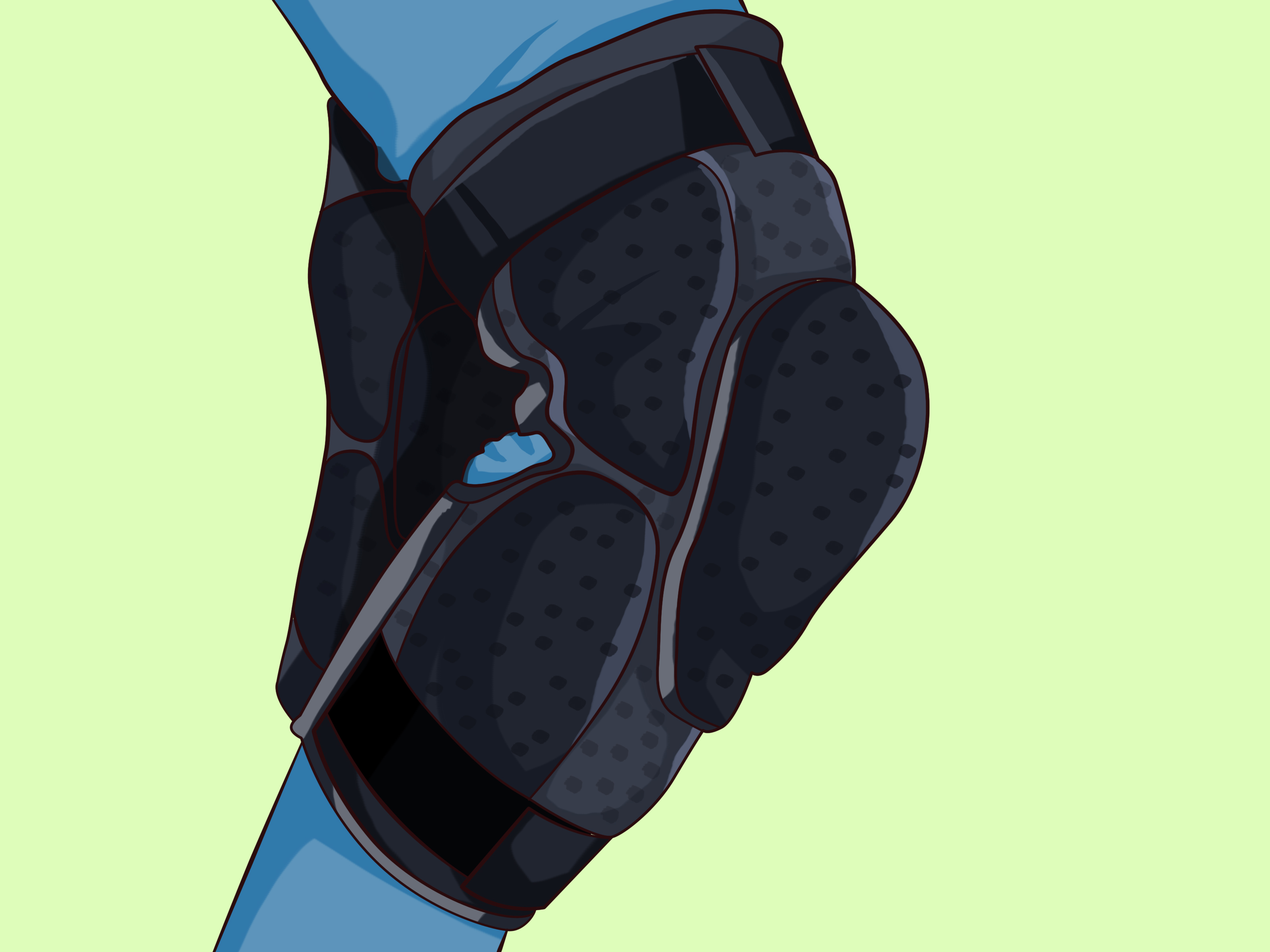
Knee pads are strongly recommended for indoor volleyball practice because players often dive, slide, kneel, or fall while reaching for the ball. The best volleyball knee pads cover the kneecap, stay in place, and cushion impact without restricting movement.
Your knee pads should feel snug, not painfully tight. If they slide down after three steps, they are too loose. If they cut into your skin or make your legs feel numb, they are too tight. Try them during volleyball movements before practice: shuffle, kneel, squat, and do a small dive motion if you have space.
Beginners sometimes wear knee pads too low. The padding should protect the front of your knee when you land or slide. If the pad is hanging around your shin, it is not doing its job. It is basically just a confused leg warmer.
6. Consider Ankle Braces or Supports if Needed
Volleyball includes repeated jumping and landing, and ankle injuries are common in the sport. Some players wear ankle braces, ankle sleeves, or athletic tape for added support, especially if they have had previous ankle sprains.
If you use ankle braces, wear them when trying on volleyball shoes. Braces can change how your shoes fit. A shoe that feels perfect without braces may feel too tight once the brace is added.
Do not start taping or bracing an injury without proper advice. If your ankle hurts, feels unstable, or keeps rolling, talk with a coach, athletic trainer, physical therapist, or healthcare professional.
7. Tie Back Long Hair Securely
Hair should be out of your face so you can track the ball clearly. Use elastic hair ties, soft headbands, braids, buns, or ponytails. Avoid hard clips, sharp pins, large decorative pieces, or anything that could fall out during drills.
If you have thick or long hair, bring extra hair ties. Volleyball has a mysterious power to snap hair elastics at the worst possible time, usually right before serve receive.
For players with bangs or shorter layers, a soft headband can help. Just make sure it stays secure and does not slide over your eyes like a dramatic sports blindfold.
8. Remove Jewelry and Unsafe Accessories
Before volleyball practice, remove necklaces, bracelets, watches, rings, dangling earrings, and anything that could catch, scratch, or injure someone. Many school and competition rules restrict jewelry for safety reasons, and coaches often apply similar rules at practice.
Small secured studs may be allowed in some programs, but rules vary. The safest habit is to ask your coach and keep jewelry minimal. Tape is not always an acceptable fix, especially in organized school play.
Also avoid long lanyards, keychains, hard hair accessories, smartwatches, and fitness trackers unless your coach allows them. Volleyball is not gentle with dangling objects. A bracelet can go from “cute accessory” to “why is this stuck in the net?” very quickly.
9. Dress for the Practice Environment
Indoor and outdoor volleyball practices require different clothing choices. For indoor volleyball, prioritize court shoes, knee pads, breathable layers, and clothing that works well on a gym floor. For beach or outdoor volleyball, focus more on sun protection, breathable fabrics, sunglasses, sunscreen, and sand-friendly gear.
If you practice in a cold gym, bring a lightweight hoodie or warm-up jacket. You can wear it during stretching and remove it once drills begin. If the gym is hot, choose lighter colors and sweat-friendly materials.
For outdoor practice, avoid heavy dark clothing that absorbs heat. Use sunscreen, bring water, and consider a hat or visor if it does not interfere with play.
10. Layer Smartly for Warm-Ups
Layering is helpful, especially when practice starts slowly and ends with intense scrimmaging. A lightweight sweatshirt, warm-up pants, or zip-up jacket can keep your muscles warm before practice begins.
Once practice gets intense, remove extra layers so you do not overheat. Choose layers that are easy to take off and store in your bag. Avoid bulky hoodies with long drawstrings, heavy jackets, or anything that restricts movement.
Warm-up layers are especially useful during early morning practices, winter club season, or school gyms that feel like they were built inside a refrigerator.
11. Pack a Practice Bag With Extras
Dressing appropriately is not just about what you put on before leaving home. It is also about what you bring with you. A smart volleyball practice bag can save you from small disasters.
Pack a water bottle, extra socks, an extra shirt, hair ties, deodorant, a towel, knee pads, ankle braces if needed, and any coach-approved personal items. If you practice right after school, keep your volleyball clothes in a separate bag so they do not mingle with notebooks, lunch containers, and mystery crumbs.
After practice, do not leave sweaty gear trapped in your bag for days. That is how knee pads become a science experiment. Air out your shoes, wash your clothes, and let knee pads dry properly.
12. Avoid Clothing That Distracts or Creates Risk
Some clothing simply does not belong at volleyball practice. Jeans, sandals, flip-flops, boots, stiff shorts, heavy jewelry, belts, and restrictive tops should stay far away from the court.
Avoid clothing with zippers, hard buttons, large metal details, or anything that could scratch the floor or another player. Also avoid super-loose shirts that may cover your hands during passing or get in the way during serving.
The best volleyball practice clothes feel almost invisible once you start playing. If you spend practice adjusting your outfit more than reading the hitter, it is time to change your setup.
13. Follow Team, School, and Coach Guidelines
Every volleyball program has its own expectations. Some teams require specific practice shirts, certain colors, no jewelry, matching shorts, or approved shoes. School teams may also follow official uniform and equipment rules.
When in doubt, ask your coach before practice. A quick question is better than showing up in something you cannot wear. This is especially important before tryouts, tournaments, or official team training sessions.
Appropriate volleyball practice attire should make you feel prepared, safe, and confident. When you dress like you are ready to train, you usually practice with more focus. Your outfit will not magically improve your serve overnight, but it can remove distractions and help you move like an athlete.
What Not to Wear to Volleyball Practice
To keep things simple, avoid anything that limits movement, creates a safety issue, or violates team rules. That includes denim, casual sandals, platform shoes, slippery sneakers, dangling jewelry, stiff clothing, heavy cotton layers, and overly loose accessories.
Also avoid wearing brand-new gear for the first time at an important practice. Break in shoes gradually. Test knee pads before a long session. Try new shorts or leggings during a casual workout before wearing them to a two-hour practice. Volleyball is not the place to discover that your new shorts migrate north every time you jump.
Beginner Volleyball Practice Outfit Example
If you are new to volleyball, here is a simple outfit that works for most indoor practices:
- Moisture-wicking athletic T-shirt
- Fitted athletic shorts, spandex shorts, or leggings
- Volleyball shoes or clean indoor court shoes
- Cushioned crew socks
- Well-fitted knee pads
- Hair tie or soft headband if needed
- Water bottle and extra shirt in your bag
This setup is practical, comfortable, and beginner-friendly. You can always upgrade later as you learn your preferences and position.
Position-Specific Clothing Tips
For Liberos and Defensive Specialists
Liberos and defensive specialists spend a lot of time passing, digging, diving, and covering the court. Knee pads are especially important. Leggings or longer compression shorts can also help reduce floor burns during repeated defensive drills.
For Setters
Setters need excellent mobility and clear hand movement. Avoid sleeves that slide over your wrists or tops that restrict shoulder range. Lightweight shirts and secure hair are especially helpful because setters need quick vision and clean hand positioning.
For Hitters and Blockers
Hitters and blockers jump frequently, so supportive shoes matter. Make sure your shoes cushion landings and grip well during approach footwork. If you wear ankle braces, check that your shoes still fit comfortably.
How to Dress for Volleyball Tryouts
For volleyball tryouts, dress slightly more polished but still practical. Wear clean athletic clothing, supportive court shoes, knee pads, and simple accessories. Avoid trying to impress with flashy gear that is uncomfortable. Coaches notice hustle, communication, control, and effort more than neon shoelaces.
Arrive prepared with water, extra socks, and a backup shirt. If tryouts are at a school, follow school dress code rules. If you are unsure about jewelry, remove it. The goal is to look ready, move well, and avoid preventable distractions.
of Real-Life Experience: What Players Learn About Volleyball Practice Clothes
One of the biggest lessons players learn is that volleyball clothing becomes personal fast. At first, beginners often think any gym outfit will work. Then practice starts. Ten minutes later, the shirt is sticking, the shorts are shifting, and the shoes are sliding during every shuffle drill. Suddenly, “what to wear to volleyball practice” becomes a very serious life question.
Many experienced players develop a favorite practice formula. It might be the same style of spandex shorts, the same brand of socks, the same broken-in knee pads, or the same lucky warm-up hoodie. Not because volleyball players are dramaticalthough, let’s be honest, we do love a good fifth-set emotional arcbut because comfort builds confidence.
A common beginner mistake is wearing shoes that are fine for walking around but terrible for volleyball movement. The difference becomes obvious during defensive drills. In running shoes, quick lateral movements can feel unstable. In proper court shoes, players often feel lower, quicker, and more connected to the floor. That does not mean shoes replace skill, but they help create a better foundation for learning.
Knee pads are another item players learn to respect. Some beginners feel awkward wearing them at first. They may seem bulky or unnecessary during warm-ups. Then the first diving drill arrives, and suddenly knee pads become everyone’s best friend. The key is finding a pair that stays in place. Knee pads that slide down constantly can be almost as distracting as no knee pads at all.
Players also learn that practice clothes should be tested before big days. A new pair of leggings might look great in the mirror but feel too warm during conditioning. A new shirt might seem perfect until it rides up during overhead serves. New shoes may need time to break in. Experienced players try gear during lower-pressure practices before wearing it to tryouts, tournaments, or intense training sessions.
Another practical lesson is that volleyball bags matter. The best-dressed player can still have a rough practice if they forget water, socks, hair ties, or knee pads. Extra socks are underrated. So is a backup shirt. After a sweaty session, changing into something dry can make the ride home much more pleasant for everyone in the car.
Finally, players learn that dressing appropriately is not about perfection. It is about preparation. You do not need the most expensive shoes, the trendiest shorts, or a bag that looks like it belongs to a professional athlete. You need clean, safe, comfortable gear that lets you train hard. When your clothes fit, your shoes grip, your knee pads stay up, and your hair is out of your face, you can focus on the fun part: getting better at volleyball.
Conclusion
Learning how to dress appropriately for volleyball practice is simple once you understand the goal: wear gear that supports movement, protects your body, follows team rules, and keeps distractions low. Start with breathable athletic clothing, choose supportive volleyball shoes, wear properly fitted knee pads, secure your hair, remove unsafe accessories, and pack a smart practice bag.
The right volleyball practice outfit will not turn you into an all-state hitter overnight, but it can help you train with more confidence and fewer distractions. And in a sport where one step, one dig, or one jump can change the rally, feeling prepared is a big advantage.