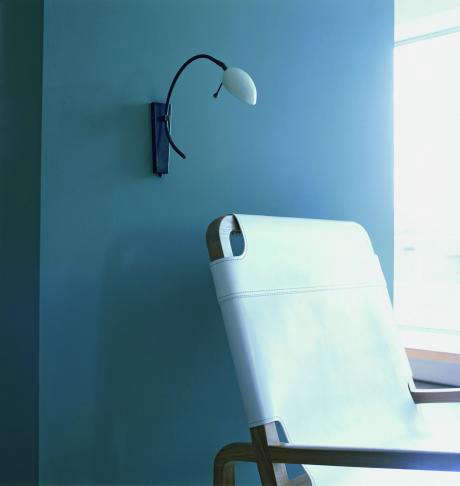

A scorpion wall light is not the kind of fixture that quietly blends into the background and politely minds its business. It is a statement piece. It has attitude. It has edge. It walks into a room and, without saying a word, announces that boring decor was not invited. Whether you are talking about a sculptural designer piece, a vintage scorpion-motif sconce, or a handmade industrial fixture with a tail-like silhouette, the appeal is the same: this is lighting that doubles as wall art.
That is exactly why the phrase Scorpion Wall Light has become so intriguing in interiors. In some cases, it refers to an actual named product; in others, it describes a look: angular arms, curved metal, a dramatic body, and a shape that feels part creature, part sculpture, part conversation starter. The magic is that it can be theatrical without becoming tacky, as long as the styling is smart. Think less “college dorm Halloween prop,” more “moody boutique hotel that knows what dimmers are.”
In today’s homes, wall sconces are doing far more than filling dark corners. Designers and home retailers alike increasingly treat sconces as layered lighting, mood-setters, and decorative punctuation marks. A scorpion wall light takes that idea one step further by adding personality. It gives you illumination, yes, but also narrative. It suggests mystery, craftsmanship, and a little bit of fearless taste. And frankly, a wall that wears a scorpion well is a wall with excellent self-esteem.
What Is a Scorpion Wall Light, Exactly?
At its core, a scorpion wall light is a wall-mounted light fixture inspired by the silhouette, symbolism, or sculptural energy of a scorpion. That inspiration may be literal, with legs, claws, and a curved tail shape built into the design, or it may be abstract, expressed through patinated metal, articulated heads, and a body-like frame that feels organic and slightly dangerous in the best possible way.
That means the term can cover more than one design direction:
1. The literal scorpion motif
These fixtures actually resemble a scorpion and are common in Gothic, industrial, fantasy, steampunk, and collector-driven decor. They often use dark metals, exposed bulbs, or candle-style arms to lean into drama.
2. The sculptural designer interpretation
Some luxury lighting designs use the name “Scorpion” because the form suggests a poised, elegant creature with a movable head or articulated profile. These are less novelty, more sculpture. They belong in homes where texture, shape, and silhouette matter as much as brightness.
3. The mood-driven wall sconce with scorpion energy
Not every fixture named by shoppers as a scorpion wall light is officially sold under that title. Sometimes it is simply a sharp, curved, metallic wall light with a dramatic stance. If it looks like it could either light your reading nook or challenge your enemies at dawn, it is probably operating in the right design neighborhood.
Why This Fixture Gets So Much Attention
Most wall lights fall into one of two camps: practical or pretty. A scorpion wall light tries to be both, and that balancing act is what makes it memorable. It delivers illumination while also acting like a small sculpture pinned to the wall. In a room full of safe choices, this kind of piece can become the thing people actually remember.
It also works beautifully with the modern shift toward layered lighting. Instead of relying on one overhead fixture to do all the heavy lifting, today’s best interiors mix ceiling lights, lamps, sconces, and accent lighting to create depth. A scorpion wall light thrives in that setup because it can provide a warm pool of light while also adding texture and personality to eye level. Translation: it does not just light the room. It improves the room’s storyline.
There is also a psychological angle. Scorpions carry symbolism: resilience, protection, mystery, transformation, danger, independence. Whether or not you are into symbolism, a fixture like this suggests confidence. It is the interior-design equivalent of wearing a black leather jacket to brunch. Slightly extra. Totally effective.
Where a Scorpion Wall Light Works Best
Contrary to what the more timid corners of the internet may imply, a scorpion wall light does not have to live only in a dungeon-themed game room. Used thoughtfully, it can work in several spaces.
Entryway
If you want a memorable first impression, this is prime real estate. A pair of scorpion-inspired sconces can turn a plain entry wall into an intentional design moment. In an entryway, they work especially well with a dark console, textured plaster, stone accents, or a framed mirror. Guests walk in, see the light, and immediately understand that your home has a point of view.
Bedroom
Yes, really. A scorpion wall light can be surprisingly elegant beside a bed, especially if the design is streamlined and paired with warm, dimmable light. In a bedroom, the fixture should feel sensual rather than spooky. Matte black, aged brass, bronze, or hand-finished copper can look especially rich here. Pair it with soft bedding, moody paint, and one excellent throw pillow that looks too expensive to be practical.
Powder room
Powder rooms are where good taste gets to be dramatic. Because the room is small and guests spend just a few minutes there, it is the perfect place for a bold wall light. A scorpion sconce near a mirror or on a dark, wallpapered wall can create that boutique-hotel energy people secretly want in their own house.
Hallway or stair landing
Hallways often suffer from “forgotten area” syndrome. A distinctive wall light fixes that fast. One or two scorpion wall lights can turn a transitional space into an intentional visual pause. This is especially effective in homes with art, books, or architectural details that benefit from directional lighting.
Home bar, lounge, or media room
This may be the most natural habitat. A scorpion wall light belongs in moody, dimly lit environments where ambiance matters more than maximum brightness. Add a velvet chair, a smoked-glass shelf, or a record player nearby and the whole room starts acting like it charges a cover fee.
How to Choose the Right Scorpion Wall Light
Buying a bold fixture is fun. Buying the wrong bold fixture is how you end up with expensive regret and awkward shadows. Here is how to choose wisely.
Decide whether you want art, light, or both
Some scorpion wall lights are mainly decorative and offer a moody glow. Others are functional enough for reading, hallway visibility, or bedside use. Be honest about your goal. If you need true task lighting, look for a fixture with a focused beam, a movable head, or enough bulb output to do more than just look mysterious.
Pick the right bulb mood
Warm light generally flatters this style best. It softens the drama and makes metal finishes look richer. If the bulb is too cool or clinical, the fixture can lose its charm and start feeling like a science project. A dimmable LED is usually the sweet spot because it lets you shift from practical to atmospheric without changing the entire room’s personality.
Match the finish to the room’s character
Blackened steel feels sharper and more architectural. Aged brass feels vintage and glamorous. Bronze feels grounded and serious. Copper brings warmth and a handcrafted look. If your room already has mixed metals, that is fine. In fact, a scorpion wall light often looks better when it feels collected rather than perfectly matched. Interiors with a bit of tension tend to be more interesting than rooms that look like they were assembled by a committee of beige enthusiasts.
Watch the size
A sculptural sconce should have enough presence to matter, but not so much bulk that it overwhelms the wall. In a compact powder room, one medium fixture may be enough. In a long hallway or above a console, a pair can create stronger balance. Always think about the wall as a composition. The light is not floating in space; it is in dialogue with mirrors, trim, furniture, and sightlines.
Check the mounting style
Hardwired sconces look cleaner and more permanent. Plug-in versions are easier for renters or for anyone who prefers not to invite electrical work into the schedule. There is no shame in wanting dramatic lighting without opening the wall. Sometimes the smartest design decision is the one that does not require an electrician and a stress snack.
Confirm the rating if used in damp areas
If the fixture is going in a bathroom, covered outdoor area, or another moisture-prone location, make sure it is rated appropriately for that environment. Beauty is important. Safety is slightly more important. Only slightly, but still.
Best Design Styles for a Scorpion Wall Light
Gothic and dark academia
This pairing is almost unfairly good. A scorpion wall light beside dark paint, antique frames, old books, velvet drapery, and moody art feels intentional and cinematic. Add warm bulbs and textured finishes and the room instantly gains old-world drama.
Industrial and steampunk
If the light includes exposed hardware, aged metal, articulated arms, or Edison-style bulbs, it can fit beautifully in an industrial setting. Brick walls, leather seating, reclaimed wood, and iron details all play nicely here.
Desert modern or Southwestern eclectic
Scorpion symbolism already feels at home in desert-inspired interiors. In this context, choose a cleaner silhouette and pair it with plaster walls, sandy tones, terracotta, natural wood, and woven textures. The result feels sculptural rather than theatrical.
Luxury eclectic
This is where the scorpion wall light becomes pure design theater. Imagine a refined bedroom with linen walls, a tailored headboard, subtle brass details, and one sculptural wall light that quietly steals the show. That contrast between polished surroundings and a slightly wild fixture is what makes the room feel curated instead of predictable.
Common Mistakes to Avoid
The biggest mistake is treating the fixture like a gimmick. A scorpion wall light works best when the rest of the room supports it. If every element is competing for attention, the result can feel chaotic. Give the light some breathing room. Let it be the eccentric relative, not the entire family reunion.
Another common problem is using the wrong bulb color. Harsh light can flatten a dramatic fixture and make it feel less expensive. Poor placement is another troublemaker. If the sconce is mounted too low, too high, or in a spot where it creates glare, even the most beautiful design will feel awkward in daily life.
Finally, do not confuse dramatic with impractical. A bold wall light still needs to serve the room. If it is next to a bed, it should support relaxing or reading. If it is in a hallway, it should help the space feel safe and inviting. Good design is not just about a great photo. It is about living with the piece after the compliments go home.
Is a Scorpion Wall Light Worth It?
If your taste leans safe, minimal, and whisper-quiet, probably not. But if you want your home to feel layered, memorable, and genuinely personal, then yes, a scorpion wall light can absolutely be worth it. It offers more than illumination. It adds a point of view. It tells visitors that your decor choices were made on purpose.
The best version of this fixture is one that feels sculptural by day and atmospheric by night. It should look interesting even when switched off, then become richer and more inviting when lit. That dual purpose is what separates a good statement light from a random object with a bulb attached to it.
Ultimately, the scorpion wall light is for people who understand that a home does not need to be loud to be expressive, but it does need at least one detail that makes the room feel alive. This fixture can do that beautifully. It adds glow, shape, character, and just enough menace to keep things interesting. Interior design could use more of that, honestly.
Conclusion
A Scorpion Wall Light is more than a niche decor choice. It is a striking example of how lighting can become art, mood, and identity all at once. Whether you choose a sculptural designer sconce, a vintage metal piece, or a modern scorpion-inspired wall light with a subtle silhouette, the goal is the same: create a room that feels intentional, layered, and unforgettable.
Use it where drama helps rather than hurts. Pair it with warm light, thoughtful placement, and materials that support its personality. Done right, this fixture does not scream for attention. It earns it. And in a world full of forgettable lights, that is a very attractive sting.
Experiences Related to a Scorpion Wall Light
The most interesting thing about living with a scorpion wall light is that people react to it before they even realize they are reacting. At first glance, guests usually pause. Not in a bad way. More in a “hold on, what is that and why do I suddenly love it?” kind of way. It becomes an instant conversation piece, especially in rooms that would otherwise feel ordinary. A hallway with plain paint and standard trim can suddenly feel curated. A bedroom corner that once looked flat can take on a moody, layered atmosphere. That change is not only visual. It changes how the room feels when you enter it.
One of the most common experiences people describe is the fixture’s ability to make a home feel more personal. Plenty of lighting looks nice, but not all lighting says something. A scorpion wall light says something. It suggests confidence, humor, and a willingness to choose decor with real character. For homeowners who are tired of rooms that look polished but forgettable, this is often the moment where things shift. The space starts to feel collected rather than simply decorated.
Another experience that comes up often is how different the fixture looks during the day versus at night. In daylight, a scorpion wall light reads like sculpture. You notice the metal finish, the curves, the shadow lines, and the craftsmanship. At night, the mood changes. With a warm bulb and a dimmer, the same piece becomes softer and more atmospheric. The shadows create drama on the wall, the light feels intimate, and the room gains depth that overhead fixtures alone rarely provide. In that sense, people are not just buying a light. They are buying two versions of the same object: art by day, ambiance by night.
There is also a practical surprise many people do not expect. Even bold decorative sconces can make a room more usable. In bedrooms, they free up tabletop space and reduce dependence on harsh ceiling lights. In entryways, they make the home feel welcoming the minute someone steps through the door. In powder rooms, they create a flattering glow that is far kinder than bright overhead lighting. More than a few homeowners discover that the piece they bought for style ends up improving the function of the room too.
Of course, there is a learning curve. Some people buy a dramatic wall light and realize the rest of the room needs editing. Suddenly, clutter looks worse. Weak paint colors look weaker. Cheap accessories start telling on themselves. Oddly enough, that can be a good thing. A strong light fixture often encourages better styling choices everywhere else. It pushes the room to grow up a little.
Perhaps the best experience of all is that a scorpion wall light tends to age well emotionally. Trendy pieces can feel exciting for a month and exhausting after that. But a fixture with sculptural presence and solid materials often becomes more loved over time. It starts as the bold decision and ends as the detail you cannot imagine removing. That is usually the sign of a smart design purchase: it keeps the room interesting long after the novelty wears off.
SEO Tags