
So, you have a Ouija board in your house, and now you want it gone. Maybe it was a party game that stopped being funny after midnight. Maybe it belonged to a roommate, a grandparent, or that one cousin who owns too many velvet capes. Or maybe it simply gives you the same feeling as an unplugged basement freezer: technically harmless, but absolutely not invited to stay.
The good news is that getting rid of a Ouija board does not require panic, dramatic music, or a thunderstorm arriving on schedule. A Ouija board is, in practical terms, a board game: a printed board and a planchette, usually made from cardboard, wood, or plastic. Historically, it grew out of 19th-century talking-board culture and later became a commercial game. Psychologists and skeptics often explain its movement through the ideomotor effect, where tiny unconscious muscle movements can make the planchette seem to move on its own. Folklore, religious concerns, and horror movies have added many layers of mystery, but the actual disposal process is far more ordinary than Hollywood suggests.
This guide covers the right and wrong way to get rid of a Ouija board, including practical disposal options, respectful alternatives, recycling tips, and what not to do if you want peace of mind and a clean closet.
First: What Problem Are You Really Trying to Solve?
Before you toss the board into the nearest trash bag with the energy of a medieval villager, pause for a moment. People want to get rid of Ouija boards for different reasons, and the best method depends on what is bothering you.
1. You simply do not want it anymore
If the board is just clutter, treat it like any other unwanted board game. You can donate it, sell it, recycle parts of it, or throw it away if it is damaged. No chanting required. Your recycling bin does not need a backstory.
2. It makes you uncomfortable
If the board gives you a creepy feeling, your goal is emotional closure. In that case, a calm, tidy goodbye ritual can helpnot because there is proven supernatural danger, but because people often feel better when they mark the end of something intentionally.
3. It conflicts with your beliefs
Some families, churches, and spiritual traditions discourage Ouija boards. If that applies to you, the “right way” may involve respectful disposal that aligns with your beliefs while still avoiding unsafe actions like burning plastic or dumping items outdoors.
4. It belongs to someone else
If the board is not yours, do not destroy it. Ask the owner to take it back, give permission, or choose what should happen to it. Haunted or not, property rights remain undefeated.
What a Ouija Board Actually Is
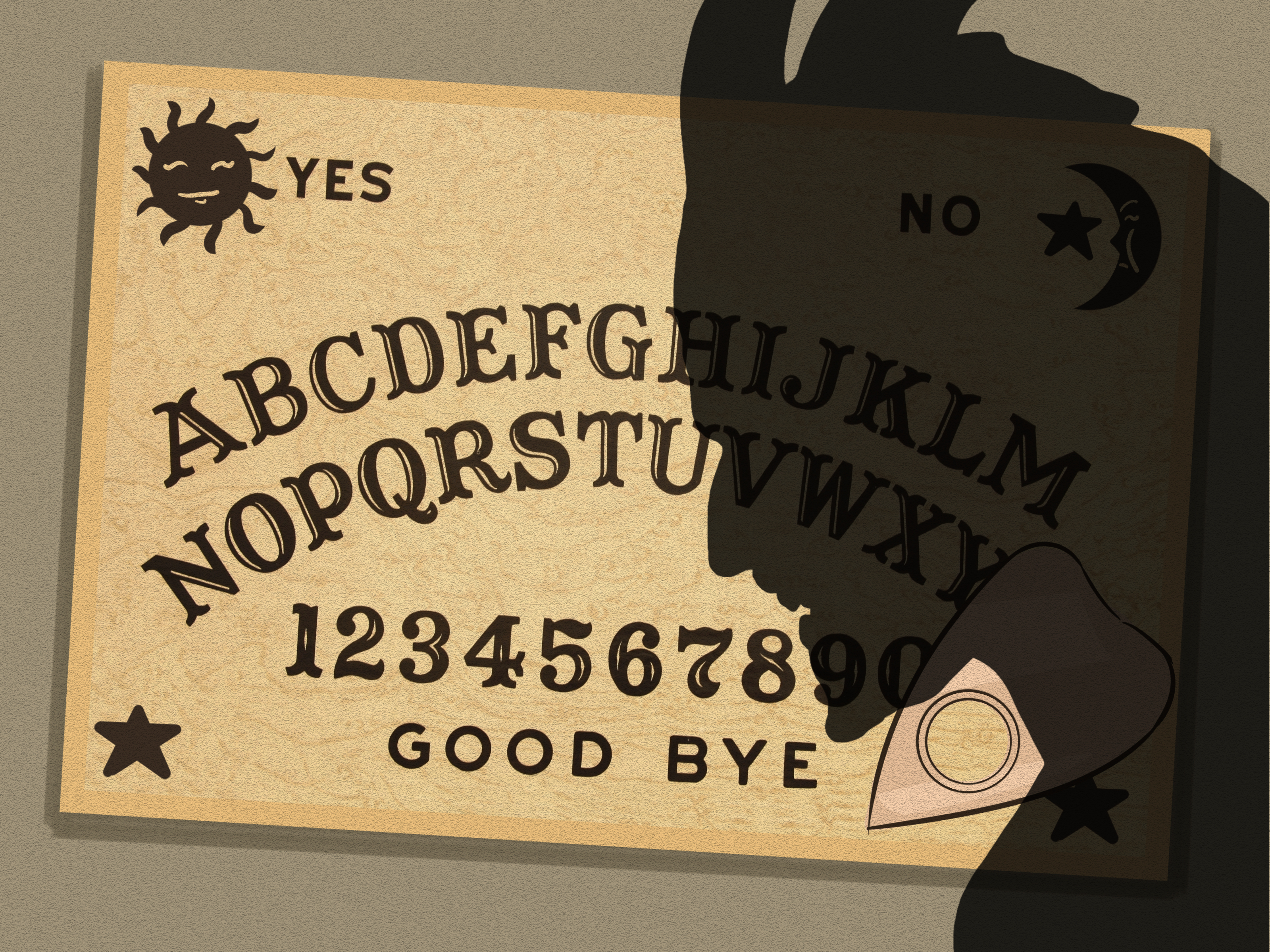
A Ouija board is a type of talking board marked with letters, numbers, “yes,” “no,” and usually “goodbye.” Players place their fingers on a small pointer called a planchette and ask questions. The planchette moves across the board to spell out answers.
The modern Ouija board became popular in the United States in the late 1800s and early 1900s, during a time when Spiritualism and séances were widely discussed. Over time, it moved between two worlds: toy shelf and supernatural symbol. That is why one person sees it as a board game, while another sees it as something spiritually serious.
From a scientific point of view, the movement of the planchette is commonly linked to the ideomotor effect. This means people may move it without realizing they are doing so. The experience can feel mysterious because the movement is small, shared among participants, and easy to interpret as coming from somewhere outside the group. In other words, the human brain is extremely talented at creating drama. Give it a plastic triangle and dim lighting, and suddenly it thinks it has a Netflix deal.
The Right Way to Get Rid of a Ouija Board
The best approach is calm, respectful, legal, and environmentally responsible. You do not need to do anything extreme. In fact, extreme disposal methods are usually the wrong ones.
Step 1: Stop using it
If the board makes you uncomfortable, stop playing with it. Do not test it “one last time.” That is how horror movies get their first act. Put the board, planchette, instructions, and box together in one place. Keeping the pieces together makes donation, sale, recycling, or disposal easier.
Step 2: Close the session if you were playing
Many Ouija board instructions and folklore traditions include ending a session by moving the planchette to “goodbye.” If you were actively using the board and this step gives you peace of mind, do it calmly. Think of it as closing a tab in your mental browser.
This step is not presented as proof of supernatural danger. It is simply a common tradition associated with the game and can serve as a symbolic ending. After that, put the planchette away and stop engaging with the board.
Step 3: Clean it like a normal household item
If you plan to donate, sell, or give away the Ouija board, wipe it down first. Use a dry or slightly damp cloth depending on the material. Avoid soaking cardboard or wooden boards because water can warp them. If it has been stored in a basement or attic, check for mold, mildew, insects, or damage.
A clean, complete board is more likely to be accepted by a thrift shop or wanted by a collector. A damaged, moldy board is more likely to be trash. This is not a spiritual judgment; it is just the resale market being picky.
Step 4: Choose the best disposal option
There are several good ways to get rid of a Ouija board. Pick the one that matches the condition of the board and your comfort level.
Option A: Donate it
If the board is clean, complete, and in good condition, donation may be the most practical choice. Many thrift stores accept board games, puzzles, toys, and household items, though policies vary by location. Call ahead or check donation guidelines before dropping it off.
This option is best if you see the Ouija board as a game and do not mind someone else owning it. If the idea of passing it along bothers you, choose another option. Donation should not feel like you are mailing your anxiety to a stranger with free parking.
Option B: Sell it or give it to a collector
Some Ouija boards, especially older Parker Brothers, William Fuld, or vintage talking boards, may interest collectors. If your board looks old, unusual, handmade, or historically interesting, selling it may be better than throwing it away.
Check the board’s condition, manufacturer, age, and artwork. Vintage boards can be collectible because of their design and cultural history, not necessarily because anyone thinks they come with a fog machine and a ghost roommate.
Option C: Give it to someone who wants it
If a friend, collector, artist, or Halloween enthusiast wants the board, you can give it away. Be honest about what it is and why you are getting rid of it. Do not sneak it into someone’s house like a cursed fruitcake. Consent is important, even with board games.
Option D: Recycle what you can
If the board is made of cardboard or paperboard and is clean, parts of it may be recyclable depending on local rules. Flatten cardboard packaging if accepted in your area. Paper instructions may be recyclable. Plastic planchettes usually depend on local recycling programs and the type of plastic, which may not be marked.
Because recycling rules vary by city, check your local waste authority’s guidelines. If the board has mixed materials, coatings, foil, magnets, batteries, or decorative pieces, it may not belong in curbside recycling. When in doubt, throw only accepted materials into the recycling bin. Recycling contamination is the least glamorous kind of chaos.
Option E: Throw it away
If the Ouija board is damaged, moldy, incomplete, or unwanted by donation centers, place it in household trash. Wrap sharp or broken pieces so they do not injure sanitation workers. If the board is wood, cardboard, and plastic with no hazardous components, normal trash disposal is usually the simplest option.
This is often the most emotionally satisfying option for people who want a clean break. Put it in the trash, take the bag out, and do something normal afterward, like washing a mug or watching a comedy. Your nervous system appreciates boring follow-up activities.
The Wrong Way to Get Rid of a Ouija Board
The internet is full of dramatic advice about destroying Ouija boards. Much of it is unsafe, environmentally irresponsible, or simply unnecessary. Here is what to avoid.
Wrong Way #1: Burning it
Do not burn a Ouija board, especially if it contains plastic, coatings, paint, ink, glue, or unknown materials. Burning household items can release unpleasant or harmful fumes and may violate local fire rules. It can also create a bigger safety issue than the board ever did.
Folklore often says burning a Ouija board is dangerous for supernatural reasons. Practical reality says it is a bad idea because smoke, chemicals, and fire hazards are real. Either way, skip the backyard bonfire.
Wrong Way #2: Burying it in the yard
Burying a board may sound symbolic, but it is not ideal. Painted, coated, plastic, or laminated materials do not belong in soil. They can break down slowly and leave behind waste. If you want a symbolic ending, write a note for yourself and throw the board away properly instead.
Wrong Way #3: Throwing it into water
Never toss a Ouija board into a river, lake, ocean, storm drain, or pond. That is littering. It is bad for wildlife, bad for waterways, and bad for your reputation if anyone sees you dramatically hurling a board into a creek like a low-budget wizard.
Wrong Way #4: Smashing it indoors
Breaking the board may feel satisfying for three seconds, but it can create splinters, sharp plastic, dust, and a mess. If you need to dispose of it, do so calmly. The trash can works without requiring stunt choreography.
Wrong Way #5: Giving it away secretly
Do not hide the board in someone else’s closet, leave it on a neighbor’s porch, or donate it without checking whether the organization accepts board games. Passing along an unwanted item responsibly is fine. Turning it into someone else’s mystery problem is not.
Wrong Way #6: Keeping it “just in case”
If the board bothers you, do not keep it out of guilt, curiosity, or fear. Objects can carry emotional associations. If seeing it makes you uncomfortable, letting it go is reasonable. You do not need a courtroom-level argument to remove an item from your home.
What If the Ouija Board Feels “Attached” to the House?
Some people worry that getting rid of the board will not fix the feeling it created. Whether that feeling comes from belief, memory, anxiety, or the atmosphere of a room, you can still take practical steps.
Start by cleaning the area where the board was stored or used. Open curtains, vacuum, remove dust, and improve lighting. Rearrange the space if it helps. Place something ordinary and comforting there: books, a plant, a lamp, a laundry basket that you promise to empty someday. The goal is to replace the board’s emotional meaning with something normal and grounded.
If you have religious or spiritual beliefs, you may choose a personal prayer, blessing, or quiet reflection. Keep it safe and simple. The point is closure, not escalation. Avoid anything involving fire, unsafe materials, or fear-based rituals that make you feel worse.
What If It Is a Vintage or Antique Ouija Board?
Do not rush to throw away an old board. Antique and vintage talking boards can have historical or collectible value. Look for manufacturer names, dates, logos, unusual artwork, wood construction, or original packaging. Older boards may be worth researching before disposal.
If you do not want it in your home but suspect it has value, consider contacting a collector, antique shop, or museum-related collector community. You can also store it temporarily in a sealed box while you decide. A calm decision is better than a panic purge followed by “Wait, was that worth money?”
What If the Board Belonged to a Family Member?
Family items can be tricky. A Ouija board may be tied to a memory, a person, or a story. If it belonged to a relative, ask yourself whether you are getting rid of the object or trying to get rid of an emotion connected to it.
You can take a photo of the board before letting it go. You can write down the story of who owned it. You can offer it to another family member. If no one wants it, disposal is still okay. Keeping every inherited object is how closets become museums with worse lighting.
What If You Are Getting Rid of It Because of Fear?
Fear can make ordinary tasks feel urgent. If the Ouija board scares you, do not shame yourself. Many people feel uneasy around objects associated with death, spirits, horror movies, or childhood warnings. The feeling is real, even if the danger is not proven.
Use a calm plan: put the board in a bag or box, remove it from your living space, choose donation or trash, and clean the area afterward. Ask a trusted friend or family member to help if you feel nervous. Do not spend hours reading scary stories online before bed. That is not research; that is emotional espresso.
Simple Disposal Checklist
- Stop using the board.
- Place the board, planchette, box, and instructions together.
- If desired, move the planchette to “goodbye” as a symbolic closing step.
- Wipe the board clean if donating, selling, or giving it away.
- Choose donation, sale, gifting, recycling, or trash based on condition.
- Do not burn, bury, smash, or throw it into water.
- Clean or refresh the space where it was stored.
- Move on with your day like a person who has successfully defeated clutter.
Frequently Asked Questions
Can I just throw a Ouija board in the trash?
Yes. If it is damaged, unwanted, or not suitable for donation, household trash is a practical option. Bag it properly and avoid leaving sharp broken pieces exposed.
Is it bad luck to throw away a Ouija board?
Bad luck claims come from folklore, not verified evidence. If you feel uneasy, use a simple symbolic closing step, then dispose of the board responsibly.
Should I separate the board and planchette?
You can, but it is not necessary. If you are donating or selling the board, keep the planchette with it. If you are throwing it away and separating the pieces makes you feel more comfortable, that is a personal choice.
Can I donate a Ouija board?
Usually, yes, if it is clean, complete, and accepted by the donation center. Always check local donation guidelines first. Some stores accept board games; others may refuse incomplete or controversial items.
What should I do if my parents or roommates dislike it?
Respect the shared space. If the board makes others uncomfortable, remove it from common areas or get rid of it. A household should not have to hold a committee meeting every time someone opens a closet.
Experiences Related to Getting Rid of a Ouija Board
People often describe the process of getting rid of a Ouija board as less dramatic than they expected. The hardest part is usually not the disposal itself; it is deciding that the object no longer belongs in the home. One common experience is the “basement discovery.” Someone opens an old storage box looking for holiday lights and finds a Ouija board tucked between Monopoly money and a suspiciously sticky deck of cards. At first, the board feels like a big deal. After a few minutes, it becomes clear that the real task is sorting, cleaning, and making a decision.
Another common situation involves college apartments or shared houses. A board appears after a Halloween party, everyone laughs, and then nobody wants to store it. Weeks later, it sits under the couch like a weird roommate who does not pay rent. In that case, the best solution is simple: ask who owns it, decide whether anyone wants it, and either give it away or throw it out. The board should not become a silent argument with an alphabet printed on it.
Some people feel emotional relief after creating a small closure routine. They place the board in its box, say out loud that they are done with it, and take it outside to the trash or donation pile. The point is not to prove anything supernatural. The point is to help the mind understand that the situation is finished. Humans do this all the time with letters, photos, old clothes, and objects tied to memories. A Ouija board just arrives with better marketing.
There are also stories from people who nearly chose the wrong disposal method. Someone considers burning the board because they read it online, then realizes the board is coated cardboard and plastic. Someone else thinks about burying it, then remembers that littering in the yard is still littering, even if the object looks spooky. These moments show why calm information matters. Fear can push people toward unsafe choices, while a practical plan keeps things boring in the best possible way.
Collectors and vintage-game fans have a different experience. To them, an old Ouija board may be a piece of American game history, not a threat. They may value the typography, box art, manufacturer, or age. If you inherit an old board and feel uncomfortable keeping it, selling or giving it to someone who appreciates it can be a balanced solution. You remove it from your home without destroying something that may interest another person.
The most important experience many people report is how quickly the fear fades once the board is gone and the space is cleaned. A room that felt tense can feel ordinary again after fresh air, light, vacuuming, and a new arrangement. Sometimes the “haunting” is really just a messy closet, a strong memory, or the power of suggestion. Remove the object, reset the room, and give your brain something better to focus on. Preferably not another scary search result at 1:00 a.m.
Conclusion: The Right Way Is Calm, Safe, and Practical
The right way to get rid of a Ouija board is not complicated: stop using it, close the session symbolically if that helps, clean it if it will be donated or sold, and choose a responsible disposal method. Donation, resale, gifting, recycling, and household trash are all reasonable options depending on the board’s condition and your comfort level.
The wrong way is anything unsafe, illegal, or fear-driven: burning it, burying it, throwing it into water, smashing it indoors, or secretly passing it to someone else. You do not need drama to remove an object from your home. You need a trash bag, a decision, and possibly a snack afterward for emotional support.
Note: This article treats Ouija board danger claims as folklore and belief-based concerns, not verified facts. Disposal advice is practical, safety-focused, and based on ordinary household waste, donation, recycling, and consumer-product guidance. Always follow your local waste and donation rules.