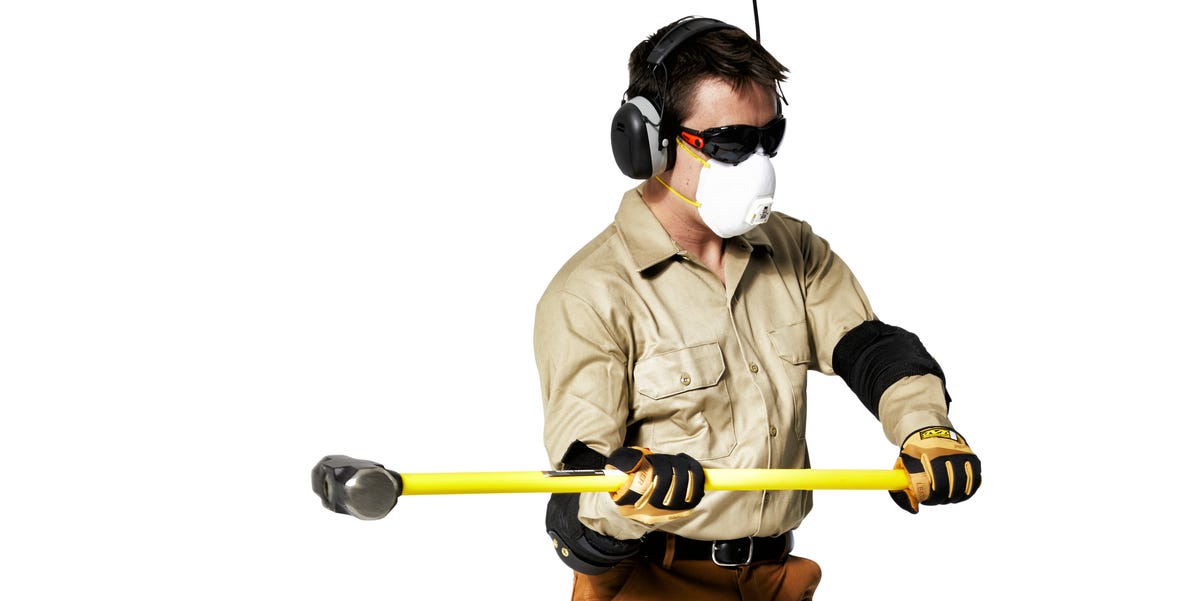

Construction gear is not just the stuff you toss into the truck before sunrise and hope you remembered correctly. It is the line between a productive day and a very annoying conversation with your supervisor, your doctor, or the tiny piece of metal that decided your eye looked like a vacation home. The best work gloves, work clothes, and safety goggles help you move faster, stay comfortable, and avoid injuries that can turn a simple job into a long story nobody wants to tell twice.
The tricky part? Construction gear has to do two jobs at once. It must protect you from sharp edges, flying debris, dust, sparks, splinters, weather, concrete, chemicals, and general jobsite chaos. At the same time, it must be comfortable enough that you actually wear it. Because the safest glove in the world is useless if it lives in the back pocket of your work pants like a retired hand puppet.
Why Construction Gear Matters More Than Most People Think
Construction sites are full of hazards that do not politely introduce themselves. A board has a hidden nail. A grinder throws sparks. A concrete saw creates dust. A sharp sheet-metal edge waits patiently for the one second you decide, “I will just grab this quickly.” That is why personal protective equipment, or PPE, is built around real risks: impact, cuts, punctures, abrasion, chemical splash, heat, cold, low visibility, and airborne particles.
Good gear does not make a worker invincible. It makes a worker prepared. The right work gloves protect your hands without turning your fingers into sausages. The right work clothes give you durability, mobility, and weather control. The right safety goggles protect your eyes while staying clear enough that you do not rip them off after five minutes. In other words, construction gear should help you work like a pro, not dress you like a medieval knight trying to frame a garage.
The Best Work Gloves for Construction
Work gloves are the first piece of construction gear most people buy and the first piece they realize they bought wrong. A glove that is perfect for carrying lumber may be terrible for electrical work. A glove that protects against cuts may be too bulky for handling screws. A winter glove may keep your hands warm but make your tape measure feel like a slippery fish.
1. Nitrile-Coated Gloves for Everyday Jobsite Tasks
For general construction work, nitrile-coated gloves are often the everyday hero. They are lightweight, affordable, grippy, and flexible enough for handling tools, fasteners, lumber, cardboard, tile, and hardware. They are also easy to buy in multi-packs, which matters because gloves disappear on jobsites with the mystery and determination of missing 10 mm sockets.
Look for seamless knit gloves with nitrile-coated palms and fingers. These give you good dexterity and better grip than plain cotton gloves. They are best for light to medium-duty work, dry material handling, minor abrasion protection, and situations where you need touch and feel. They are not the best choice for heavy demolition, high heat, sharp metal, or chemical exposure.
2. Leather Work Gloves for Heavy Handling
Leather gloves are still a classic for a reason. They are durable, comfortable after break-in, and great for carrying lumber, moving block, handling rope, loading materials, landscaping, fencing, and working around rough surfaces. Cowhide, goatskin, and pigskin are common choices. Cowhide is tough, goatskin is usually softer and more dexterous, and pigskin often handles moisture better than many other leathers.
The best leather work gloves have reinforced palms, strong stitching, and cuffs that match the task. Short cuffs are convenient for general work. Longer cuffs help when handling brush, rough material, or anything that wants to scratch your wrist like an angry raccoon.
3. Cut-Resistant Gloves for Sharp Materials
If you work with sheet metal, glass, ductwork, roofing panels, knives, sharp tile, or metal studs, cut-resistant gloves deserve serious attention. Modern glove ratings often use ANSI/ISEA cut levels, commonly marked from A1 to A9. Lower levels are useful for light cut hazards and better dexterity. Higher levels are designed for tougher cut risks.
A simple rule: match the glove to the hazard, not your ego. If the task involves sharp edges, choose a glove with a published cut rating. If it also involves impact risks, look for back-of-hand impact protection. If it involves wet or oily materials, add grip performance to your checklist. A glove can be cut-resistant and still be terrible if it makes you drop everything except your confidence.
4. Impact Gloves for Demolition and Heavy Work
Impact-resistant gloves use padded or molded protection across the knuckles and back of the hand. They are helpful for demolition, oil and gas work, rigging, heavy equipment maintenance, concrete work, and tasks where hands can get pinched, crushed, or smacked by tools and materials.
The tradeoff is bulk. Choose impact gloves when the risk justifies the added size. For fine carpentry or small hardware, they may feel like trying to text with oven mitts. For demo day, however, they can be worth every extra ounce.
5. Cold-Weather and Waterproof Gloves
Cold hands are slow hands. Wet hands are miserable hands. On outdoor jobsites, insulated and waterproof gloves can protect comfort and productivity. Look for insulation that matches the weather, a grippy palm, and a liner that does not bunch up when you pull the glove off.
Waterproof gloves are useful for concrete, plumbing, landscaping, rainy framing days, snow removal, and muddy jobsite work. Just remember that waterproof gloves often breathe less, so your hands may sweat during active work. The best approach is to keep a second pair available. Dry gloves are morale in fabric form.
How to Choose Work Gloves Without Regret
Start with the task. For general handling, choose coated knit or leather gloves. For sharp material, choose cut-rated gloves. For demolition, choose impact protection. For chemicals, choose gloves specifically rated for the chemical involved. For electrical work, use properly rated electrical gloves and follow your employer’s safety procedures.
Fit matters. Gloves that are too big reduce control and can catch on tools. Gloves that are too small cause fatigue and split faster. The glove should allow your fingers to move naturally, grip securely, and operate essential tools. If you cannot pick up a screw, use a pencil, or control a trigger safely, the glove is wrong for that task.
The Best Work Clothes for Construction
Work clothes are more than “old clothes you do not mind destroying.” Real construction workwear is designed for abrasion, bending, kneeling, weather, tool storage, visibility, and long days. The best work clothes feel normal while doing abnormal things, like crawling under a deck, climbing scaffolding, kneeling on gravel, or sweating through a summer afternoon that feels personally offended by your existence.
Work Pants: The Foundation of the Uniform
Good work pants should have durable fabric, reinforced stress points, useful pockets, and enough stretch or room to squat, climb, and kneel. Canvas, duck cloth, ripstop blends, and stretch work fabrics are popular choices. Double-knee construction is helpful for carpenters, flooring installers, electricians, plumbers, and anyone whose knees spend more time on the ground than a dropped pencil.
Look for gusseted crotches, articulated knees, reinforced pockets, hammer loops, and knee pad compatibility. Avoid pants with so many pockets that they become a portable filing cabinet. Storage is great, but balance matters. If your pants jingle louder than the tool trailer, it may be time to edit the loadout.
Work Shirts: Breathability, Durability, and Layering
A good construction shirt depends on climate and task. In hot weather, moisture-wicking shirts can help manage sweat. In cooler weather, heavyweight cotton, flannel, or synthetic base layers can provide warmth. For sunny outdoor work, long-sleeve UPF-rated shirts can help reduce sun exposure while keeping skin covered from dust and scratches.
Avoid loose sleeves around rotating tools. Choose shirts that let you move without catching, pulling, or riding up every time you reach overhead. A shirt should not become a sail, a snag hazard, or a belly-button announcement system.
Jackets and Hoodies: Warmth Without Bulk
Construction jackets should be tough, layer-friendly, and appropriate for the weather. A durable canvas jacket works well for cool, dry conditions. A softshell jacket is useful when you need movement, wind resistance, and light weather protection. In wet conditions, a breathable rain shell can keep you from turning into a portable sponge.
Hoodies are jobsite favorites, but be mindful around machinery. Loose drawstrings can catch, and bulky hoods can interfere with hard hats or hearing protection. Choose low-profile layers when working near moving equipment.
High-Visibility Clothing
High-visibility clothing is essential near traffic, heavy equipment, low-light work, road construction, and busy jobsites. Hi-vis vests, shirts, jackets, and rain gear help workers stand out from the background. Reflective striping is especially important at dawn, dusk, night, or in bad weather.
The best hi-vis gear is comfortable enough to wear all shift. Breathable mesh vests are useful in summer. Insulated hi-vis jackets or rain shells are better for cold and wet conditions. Visibility only works when the gear is on your body, not folded neatly on the passenger seat.
Flame-Resistant and Specialty Clothing
Some jobs require flame-resistant clothing, chemical-resistant coveralls, arc-rated apparel, or other specialty PPE. Welding, electrical work, refinery work, utility work, and certain industrial environments may have strict clothing requirements. In those cases, do not guess. Follow the job hazard assessment, employer policy, and applicable safety standards.
The Best Safety Goggles and Protective Eyewear
Eye protection is one of the most important pieces of construction gear because eyes are both essential and inconveniently soft. Safety glasses and goggles protect against flying particles, dust, chips, splashes, sparks, and debris. The right choice depends on the hazard.
Safety Glasses vs. Safety Goggles
Safety glasses are lightweight and useful for many general jobsite tasks. They should have side protection and meet recognized impact standards. Wraparound designs provide better coverage than basic flat-lens styles. For dusty work, grinding, overhead drilling, concrete cutting, chemical splash risk, or high-particle environments, safety goggles are often the better choice because they seal more closely around the eyes.
Face shields are useful for grinding, cutting, and splash hazards, but they are usually worn with safety glasses or goggles underneath. A face shield alone is not a magical force field. It is more like a windshield; useful, but you still need the seat belt.
What to Look for in Safety Goggles
The best safety goggles have impact-rated lenses, a comfortable seal, anti-fog coating, scratch resistance, adjustable straps, and enough ventilation to reduce fog without letting hazards in. For long shifts, comfort is not a luxury. Goggles that pinch your nose or fog every three minutes will eventually end up on your forehead, which is not where your eyes live.
Polycarbonate lenses are common because they are lightweight and impact resistant. Clear lenses are best indoors or in low light. Tinted or polarized lenses can help outdoors, but they may be too dark for indoor work. Anti-fog performance is especially important when wearing masks, respirators, or working in humid conditions.
Fit Is a Safety Feature
Poorly fitting eyewear creates gaps where dust, chips, or splash can sneak in. Workers who wear prescription glasses should use over-the-glasses safety eyewear, prescription safety glasses, or goggles designed to fit over frames. Comfort, coverage, and clear vision all matter. If protective eyewear distorts vision or blocks peripheral sight, it can create new hazards while trying to solve old ones.
Best Construction Gear by Job Type
Carpenters
Carpenters usually need nitrile-coated gloves for dexterity, leather gloves for material handling, durable double-knee work pants, breathable shirts, and safety glasses or goggles for cutting, drilling, sanding, and nailing. A pencil pocket is nice. Finding the pencil is still your responsibility.
Electricians
Electricians need task-specific hand protection, including properly rated electrical gloves when required. Flexible work pants, fitted shirts, and eye protection are important for drilling overhead, cutting conduit, and working in dusty spaces. Metal accessories and loose clothing should be managed carefully around electrical hazards.
Plumbers
Plumbers benefit from waterproof gloves, cut-resistant gloves for pipe and metal edges, kneepad-compatible pants, and safety goggles for overhead work, drain cleaning, cutting, and chemical splash risks. Durable clothing that can survive crawlspaces is a must. So is a sense of humor, because plumbing finds creative ways to test the human spirit.
Concrete and Masonry Workers
Concrete and masonry work calls for gloves with abrasion resistance, waterproof or chemical-resistant options when handling wet concrete, tough pants, long sleeves, and sealed goggles for dust and splash protection. Silica dust, flying chips, and wet cement are not casual hazards. Choose gear that covers skin and eyes well.
Roofers
Roofers need gloves with strong grip, heat-aware workwear, flexible pants, sun-protective shirts, and eye protection that stays secure. Lightweight, breathable clothing can make a major difference during hot-weather work. Gear should support balance and movement without snagging.
Construction Gear Buying Checklist
Before buying work gloves, work clothes, or safety goggles, ask five questions. First, what hazard am I protecting against? Second, does the gear meet the right rating or standard for that hazard? Third, does it fit properly? Fourth, can I move and work normally while wearing it? Fifth, will I actually wear it all day?
The best construction gear is not always the most expensive gear. Sometimes the best glove is a practical coated pair you can replace often. Sometimes the best pants are not the trendiest workwear brand but the pair that lets you kneel, climb, sweat, and carry tools without falling apart. Sometimes the best goggles are the ones that do not fog, do not pinch, and do not make the world look like it is underwater.
Maintenance: Make Your Gear Last Longer
Work gear takes abuse, but basic maintenance helps. Let gloves dry between uses. Replace gloves when they are torn, soaked with chemicals, stiff, or worn through the palm. Wash work clothes according to the label, and do not use treatments that could reduce flame resistance or special protective features. Clean safety goggles with lens-safe methods, not the bottom of your shirt after it has collected sawdust, grit, and yesterday’s lunch dust.
Inspect goggles for scratches, cracks, loose straps, and damaged seals. Scratched lenses reduce visibility and can cause eye strain. Damaged seals reduce protection. Keep spare eyewear in the truck, toolbox, or job trailer. Eye protection is small, inexpensive, and very easy to forget until the exact moment you need it.
Field Experience: What Real Jobsites Teach About Construction Gear
After enough time around construction work, one lesson becomes obvious: the best gear is the gear that survives the boring parts of the day. Everyone notices gear during dramatic moments, like grinding steel or hauling block in the rain. But the real test is the eighth hour, when your gloves are damp, your pants are dusty, your goggles are fogging, and your patience has clocked out early.
A practical work glove rotation is one of the smartest habits a worker can build. Keep one pair of light coated gloves for tool handling and general tasks, one tougher leather pair for rough material, and one task-specific pair for cut, chemical, cold, or impact protection. This sounds like overkill until you try to do everything with one glove and discover that “all-purpose” sometimes means “equally annoying for every purpose.”
Work pants teach similar lessons. Cheap pants may be fine for light DIY projects, but daily construction exposes weak seams quickly. The first places to fail are usually knees, crotch seams, pocket corners, and belt loops. Reinforced knees, gussets, and strong pocket stitching are not fancy extras; they are the difference between professional workwear and pants that surrender halfway through a Tuesday. Stretch fabric can be a major upgrade, but too much stretch with too little structure may wear out faster. The sweet spot is durable fabric with enough movement to climb, squat, and kneel without feeling trapped.
Safety goggles are where comfort becomes a safety issue. Workers do not usually remove eye protection because they dislike safety. They remove it because it fogs, scratches, pinches, blocks vision, or does not fit with a respirator, hard hat, or prescription glasses. The fix is not a lecture; it is better eyewear. Anti-fog lenses, soft seals, adjustable straps, and compatible designs make a noticeable difference. A good pair of goggles should be boring in the best way: clear, comfortable, and forgotten until it does its job.
Weather also changes everything. In summer, breathable shirts, lightweight pants, sun protection, and sweat-managing gloves help prevent fatigue. In winter, layering beats one giant jacket because layers can be adjusted as work intensity changes. A worker framing in the morning cold may be sweating by noon. Waterproof outer layers matter in rain, but breathability matters too. Nobody wants to stay dry from rain while getting soaked from the inside.
The biggest experience-based tip is simple: build a small gear system instead of buying random items. Match gloves, clothing, and eyewear to the jobs you actually do. Keep backups. Replace damaged gear before it fails. Test fit before relying on it. Construction work is already hard enough. Your gear should not be the part of the job that fights you.
Conclusion: Build a Smarter Construction Gear Setup
The best construction gear balances protection, comfort, durability, and task-specific performance. For work gloves, choose nitrile-coated gloves for everyday tasks, leather gloves for heavy handling, cut-resistant gloves for sharp materials, impact gloves for demolition, and insulated or waterproof gloves for tough weather. For work clothes, prioritize durable pants, breathable layers, reinforced knees, high-visibility options, and specialty protection when the job requires it. For safety goggles, focus on impact rating, fit, anti-fog performance, coverage, and comfort.
Great gear does not make the job easy, but it makes hard work safer and smoother. It helps you grip better, see clearly, move freely, and finish the day with the same number of fingers and eyes you brought to the site. That is not just good construction practice. That is a pretty solid life strategy.
SEO Tags
Note: This article is for general educational and buying guidance. Always follow your employer’s PPE program, job hazard assessment, manufacturer instructions, and applicable safety standards for your specific construction task.