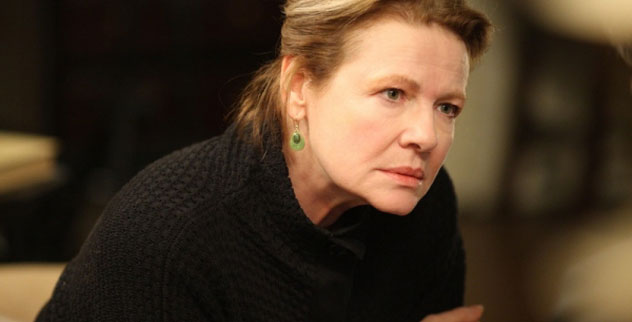

There are movie stars, and then there are the people who make movies work.
The ones you recognize instantlywithout always knowing their namesbecause they show up, take a small role,
and somehow walk away with the whole scene in their pocket. (Politely. Like a professional.)
This list celebrates 15 famous character actorsscene-stealers, tone-setters, and “oh wow, it’s that person!” legends.
You’ll get quick reminders of where you’ve seen them, what makes their craft special, and why Hollywood would be a much weirder place without them.
What Is a “Character Actor,” Really?
A character actor is known for playing distinctive, memorable supporting rolesoften across wildly different projectswithout being boxed into “leading man/leading lady” expectations.
They’re the pros who can be hilarious in one scene, terrifyingly calm in the next, and heartbreakingly human right after that. [1]
The best character actors don’t just “add flavor.” They help define a story’s world. They make the fictional place feel inhabited.
They create the kind of specificity you can’t fake: a voice, a posture, a look that says, “This person has a life off-screen.”
And here’s the secret: character actors often have the hardest job. Leads can lean on familiarity and screen time.
Character actors have to build a whole person fastsometimes in minutesthen disappear without leaving the story worse for it.
When they do it right, you don’t notice the mechanics. You just believe.
15 Famous Character Actors Who Make Every Scene Better
Not every actor on this list is “supporting” foreversome headline projects, win awards, and lead series.
But they all share the same superpower: they elevate material with precision, surprise, and a kind of lived-in truth.
1) J.K. Simmons
Simmons is the rare performer who can project warmth or menace with the tiniest adjustmentlike he has a dimmer switch for intensity.
He’s won major awards, but he’s never lost that character-actor edge: the ability to turn a single line into a whole mood. [2]
- Where you’ve seen him: “Whiplash,” “Spider-Man” (J. Jonah Jameson), “Oz,” “Juno,” and more.
- Signature strength: Authoritywhether it’s comedic bluster or terrifying calm.
- Why he’s iconic: Even when he’s “support,” he plays like the scene depends on him. Because it does.
2) Margo Martindale
Martindale is a master of grounded intensitysomeone who can make charm feel like a threat and tenderness feel like a strategy.
She’s also one of those performers who seems to understand exactly how much to reveal and when to hold back. [3]
- Where you’ve seen her: “Justified,” “The Americans,” “August: Osage County,” and many more.
- Signature strength: Emotional realismnothing feels “performed,” even when it’s big.
- Why she’s iconic: She makes complicated people feel recognizable, not theatrical.
3) Stephen Root
Root is a shapeshifter. He can be sweetly clueless, quietly tragic, or hilariously unhingedsometimes in the same project.
He’s also a voice-and-comedy weapon who understands rhythm like a musician. [4]
- Where you’ve seen him: “Office Space,” “Barry,” “Dodgeball,” “King of the Hill” (voice).
- Signature strength: Commitments so specific they become instantly quotable.
- Why he’s iconic: He never plays “a type.” He plays a person.
4) Judy Greer
Greer has built a career out of making supporting roles feel centralespecially the “best friend” part Hollywood loves to hand out.
Her secret is generosity: she makes the lead look good while still being the funniest or most emotionally honest person in the room. [5]
- Where you’ve seen her: “13 Going on 30,” “27 Dresses,” “Arrested Development,” “Archer” (voice).
- Signature strength: Fast, bright comedic timing paired with real vulnerability.
- Why she’s iconic: She turns “supporting” into “essential.”
5) Richard Jenkins
Jenkins is the patron saint of believable adultspeople who feel like they have responsibilities, secrets, and a drawer full of manuals.
He’s especially great at quiet decency that still has sharp edges. [6]
- Where you’ve seen him: “The Visitor,” “Six Feet Under,” “The Shape of Water,” “Step Brothers.”
- Signature strength: Understatement that lands like a punchline or a gut-punch.
- Why he’s iconic: He makes small choices feel monumental.
6) Luis Guzmán
Guzmán is a classic “that guy” actorin the best way. He brings street-level authenticity, humor, and heart,
and he’s worked across generations of directors while staying unmistakably himself. [7]
- Where you’ve seen him: “Boogie Nights,” “Carlito’s Way,” “Traffic,” “Wednesday.”
- Signature strength: A tough exterior with a surprising sweetness underneath.
- Why he’s iconic: He makes the world of the story feel real, not staged.
7) Giancarlo Esposito
Esposito specializes in controlled powercharacters who rarely raise their voice because they don’t have to.
His best performances feel like watching a chess player who already knows the ending. [8]
- Where you’ve seen him: “Breaking Bad,” “Better Call Saul,” “The Mandalorian,” “Do the Right Thing.”
- Signature strength: Precisionhis pauses do as much as his words.
- Why he’s iconic: He can make stillness feel dangerous.
8) Michael Stuhlbarg
Stuhlbarg is an actor’s actor: meticulous, emotionally exact, and incredibly versatile.
He can play intellectuals, eccentrics, and deeply wounded soulsand somehow make each feel specific and new. [9]
- Where you’ve seen him: “A Serious Man,” “Call Me by Your Name,” “Boardwalk Empire,” “Dopesick.”
- Signature strength: Inner lifeyou can see the thoughts moving behind the eyes.
- Why he’s iconic: He makes complexity look effortless.
9) Shea Whigham
Whigham has a rugged, blue-collar credibility that directors lovebecause it reads as true.
He’s especially good at characters who look like they’ve lived through three different lives and kept the receipts. [10]
- Where you’ve seen him: “Boardwalk Empire,” “True Detective,” “Joker,” “Mission: Impossible – Fallout.”
- Signature strength: Toughness with humanitynever just “muscle.”
- Why he’s iconic: He makes side characters feel like they could star in their own movie.
10) M. Emmet Walsh
Walsh (1935–2024) was a gold-standard character actor: instantly recognizable, endlessly watchable,
and capable of making a small role feel oddly haunted. His career spanned decades, genres, and a staggering number of credits. [11]
- Where you’ve seen him: “Blood Simple,” “Blade Runner,” “The Jerk,” “Knives Out,” and more.
- Signature strength: Uneasehe could make “friendly” feel suspicious with one smile.
- Why he’s iconic: He proved that a distinctive presence can be its own kind of stardom.
11) Harry Dean Stanton
Stanton (1926–2017) had one of the most soulful faces in American film.
He could look tired, amused, and quietly devastated all at oncelike someone who’d seen the world and didn’t need to brag about it. [12]
- Where you’ve seen him: “Paris, Texas,” “Alien,” “Repo Man,” “Twin Peaks.”
- Signature strength: Melancholy realism that never feels sentimental.
- Why he’s iconic: He made silence feel like dialogue.
12) John Turturro
Turturro is a character-actor superstar: bold choices, impeccable specificity, and a willingness to be unglamorous if that’s what the story needs.
He can be absurd, intimidating, or oddly tendersometimes all three in one scene. [13]
- Where you’ve seen him: “Barton Fink,” “The Big Lebowski,” “O Brother, Where Art Thou?,” “Severance.”
- Signature strength: Fearless character workvoice, body, rhythm, all dialed in.
- Why he’s iconic: He treats every role like it deserves a full biography.
13) CCH Pounder
Pounder’s performances carry weightshe brings intelligence, authority, and emotional depth without needing flashy tricks.
She can anchor an entire scene just by listening, which is a rare superpower. [14]
- Where you’ve seen her: “The Shield,” “ER,” “NCIS: New Orleans,” “Avatar” (films).
- Signature strength: Gravitascredible leadership and lived-in wisdom.
- Why she’s iconic: She makes competence compelling.
14) Clancy Brown
Brown is one of those actors who can dominate in live action and voice work.
He has a booming authority that can turn villainous, comedic, or oddly comforting depending on the context. [15]
- Where you’ve seen (and heard) him: “The Shawshank Redemption,” “Carnivàle,” and major voice roles (including animation).
- Signature strength: Voice and presenceinstantly recognizable, never generic.
- Why he’s iconic: He can be larger-than-life without losing believability.
15) John Carroll Lynch
Lynch has a remarkable range: he can play everyday decency, unsettling menace, or heartfelt vulnerability without changing his “volume.”
That steadiness is exactly why he’s so effectivehe feels real, even when the story gets strange. [16]
- Where you’ve seen him: “Fargo,” “Zodiac,” “The Drew Carey Show,” “American Horror Story.”
- Signature strength: Credibilityhe makes unbelievable situations feel plausible.
- Why he’s iconic: He proves “character actor” can mean “secret lead.”
Why Character Actors Matter More Than We Admit
Character actors are the connective tissue of film and television. They’re the co-worker who makes the office feel like an office,
the neighbor who makes the street feel lived-in, the boss who makes the stakes feel real.
They also give stories contrast. A lead’s choices become sharper when the world around them is detailed.
Great character acting creates that detailthrough voice, posture, pacing, and the small human behaviors most scripts don’t spell out.
And on a practical level? Character actors are often the MVPs of rewatch value.
You come back for the plot, surebut you stay for the side character who nails the reaction shot so hard you rewind just to enjoy it again.
The Character-Actor Experience (500+ Words of Real-World Relatability)
There’s a universal moment that bonds movie lovers across generations: you’re watching something new, someone appears on screen,
and your brain goes, “Oh! I know them!”followed immediately by, “I have absolutely no idea what their name is.”
That’s not a failure. That’s the character-actor experience working exactly as designed.
In the streaming era, this experience has only intensified. Binge-watching turns character actors into familiar faces fast.
When you watch a season in two nights, the supporting cast becomes part of your weekly routineexcept it’s not weekly anymore, it’s “two a.m. on a Tuesday.”
You start noticing patterns: the same actor pops up in a prestige drama, then a comedy, then a blockbuster, then an animated show your cousin insists is “for adults, actually.”
Character actors become the invisible thread connecting your entire watchlist.
Viewers also develop a kind of affectionate shorthand. People call them “that guy” or “that lady,” and it’s not disrespectit’s appreciation.
It means the performance landed. It means the actor made a character feel so real that the audience remembers the person, not the billing.
If you’ve ever paused a movie to search “actor with mustache who always plays the principal,” congratulations: you’re participating in a proud cultural tradition.
For creators, the experience is different but just as intense. Casting directors and showrunners often rely on character actors to stabilize tone.
A single well-cast supporting role can make a fictional world believable. It’s like adding salt to food: you don’t notice it when it’s right,
but when it’s missing, everything tastes flat. That’s why character actors keep getting called back.
They’re dependable in the deepest sensecapable of delivering specificity under pressure, elevating weaker material,
and making strong material sing without stealing the story’s focus.
For actors coming up through theater or smaller screen roles, character acting can also be a craft identitysometimes even a strategy.
Not everyone wants (or thrives under) “lead energy” expectations. Some performers are built for transformation, for texture, for surprise.
The joy is in variety: different accents, different jobs, different histories, different contradictions.
A character actor might play a morally upright mentor one month and an ethically flexible politician the nextand love both because both are challenges.
And let’s talk about the most relatable part: recognition. The best character actors create performances that live in your memory as
feelings. You don’t remember the exact dialogueyou remember how the scene shifted when they entered.
You remember the confidence, the discomfort, the warmth, the humor, the threat.
That’s why they’re so fun to spot: they’re human highlighters. They don’t just fill space; they reveal what matters in the moment.
So the next time you catch yourself saying, “I love that actorwhat’s their name again?” take it as a win.
You’re noticing the people who keep stories alive. And honestly? Being unforgettable without needing the spotlight is its own kind of fame.
Conclusion
Character actors are the heartbeat of movies and TV: the scene-stealers, the tone-setters, the unforgettable faces that make fictional worlds feel real.
Whether they’re winning awards, anchoring ensembles, or popping in for a single perfect scene, these 15 performers show why “supporting” is often the hardestand most rewardingjob in the business.