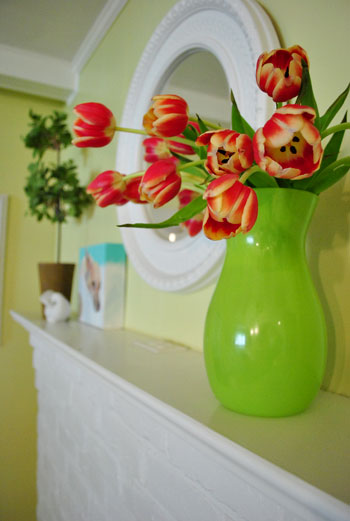

A fireplace mantel is the tiny stage in your home that somehow gets asked to perform every season. In December, it wears garland, stockings, twinkle lights, and enough nostalgia to make a snowman tear up. In October, it becomes the headquarters for pumpkins, bats, black candles, and one suspiciously confident skeleton. Then spring arrives, taps the mantel on the shoulder, and says, “Let’s lighten up, shall we?”
The beauty of seasonal mantel decorating is that you do not need a full home makeover every few months. A smart mantel design starts with a flexible foundation, then swaps colors, textures, greenery, and accessories as the calendar changes. Whether you love a classic Christmas mantel, a spooky Halloween mantel, or a fresh spring mantel filled with florals, the secret is balance: a little height, a little texture, a clear focal point, and no decorations dangling dangerously close to an active flame. Pretty is good. Pretty and safe is better.
This guide walks through how to style your mantel from Christmas to Halloween to spring without turning your living room into a storage closet wearing a ribbon. You will find practical design principles, seasonal examples, safety reminders, budget-friendly ideas, and a real-life experience section at the end for anyone who has ever bought one “small” garland and somehow needed a second storage bin.
Why the Mantel Matters in Seasonal Decorating
The mantel is often the natural focal point of a living room. It sits at eye level, frames the fireplace, and usually has just enough surface area to make a statement without requiring a parade permit. That is why designers often use mantels for layered artwork, mirrors, wreaths, candles, greenery, family photos, and seasonal collections.
A well-styled mantel can set the tone for the entire room. A Christmas mantel can make the home feel warm and storybook-cozy. A Halloween mantel can create drama without requiring inflatable monsters in the yard. A spring mantel can brighten the room after a long winter and make everything feel cleaner, softer, and more alive.
The Big Rule: Build a Year-Round Base
Before decorating for any holiday, create a basic mantel formula that works year-round. Think of it as the “capsule wardrobe” of your fireplace mantel decor. Start with one anchor piece, such as a mirror, framed artwork, wreath, or large wall clock. Add two medium-height objects, such as vases, candlesticks, lanterns, or ceramic pieces. Finish with smaller accents that can be swapped by season.
This base keeps your mantel from looking random. Instead of starting from zero every holiday, you simply change the accessories. In winter, those vases might hold pine branches. For Halloween, they might hold bare branches or dark faux stems. In spring, they can hold tulips, eucalyptus, cherry blossoms, or airy wildflowers.
Christmas Mantel Ideas: Cozy, Classic, and Just a Little Magical
A Christmas mantel is the holiday equivalent of a warm hug. It is usually built around greenery, stockings, ribbons, ornaments, candles, lights, and sentimental pieces. The best Christmas mantel ideas feel festive but not crowded, polished but not stiff, and personal without looking like Santa’s workshop had a small paperwork problem.
Start With Garland
Garland is the backbone of many Christmas mantel designs. Fresh cedar, pine, fir, eucalyptus, or magnolia can bring texture and fragrance, while faux garland offers durability and easier reuse. For a fuller look, layer two garlands together: one evergreen base and one decorative strand, such as wood beads, bells, velvet ribbon, dried orange slices, or metallic accents.
If your style is traditional, choose evergreen garland with red ribbon, gold ornaments, and classic stockings. For a modern Christmas mantel, try asymmetrical greenery, white ceramic houses, neutral stockings, and warm battery-operated lights. For farmhouse style, mix chunky knit stockings, wood bead garland, brass bells, pinecones, and simple cream candles.
Use Stockings as Part of the Design
Stockings are charming, but they also have visual weight. Instead of treating them as an afterthought, use them to guide the color palette. Red stockings can support a classic red-and-green mantel. Cream stockings pair beautifully with natural greenery and wood tones. Patterned stockings can become the most playful part of the display.
However, stockings should not hang in front of an active fireplace. If you plan to light a real fire, move stockings, garland, ribbons, and other flammable materials away from the heat source first. A blanket ladder, stair railing, console table, or wall hooks can still create a beautiful stocking display without the fire risk.
Add Light, but Keep It Gentle
Twinkle lights can make a Christmas mantel feel magical, especially in the evening. Battery-operated fairy lights are useful because they avoid messy cords and can be tucked into garland. Flameless candles also add glow without open flames, which is especially smart around greenery, ribbon, stockings, and paper decor.
The goal is soft sparkle, not airport runway. Spread lights evenly through the garland and use candles in varied heights for dimension. If your mantel has a mirror, lights will reflect beautifully and make the arrangement feel deeper.
Halloween Mantel Ideas: Spooky Without Going Full Haunted Basement
A Halloween mantel can go in many directions: cute, gothic, vintage, moody, elegant, colorful, or delightfully ridiculous. The best Halloween fireplace decor usually starts with a strong color palette and a few statement pieces. Black and orange are classic, but black and white, deep purple, antique gold, copper, smoky gray, and muted green can look more sophisticated.
Choose a Mood First
Before buying decorations, decide what kind of Halloween mantel you want. A whimsical mantel might include smiling pumpkins, felt bats, candy corn garland, and a friendly ghost or two. A gothic mantel might use black candlesticks, antique frames, dark florals, faux ravens, and a moody mirror. A vintage Halloween mantel can include old books, brass accents, amber bottles, thrifted portraits, and paper silhouettes.
Choosing a mood keeps the display cohesive. Otherwise, it is easy to end up with a confused mantel where a glamorous black crow is standing next to a neon plastic pumpkin and both of them look like they were invited to different parties.
Layer Pumpkins, Branches, and Art
Pumpkins are the easiest base for Halloween mantel decorating. Use a mix of sizes and finishes: matte black pumpkins, white pumpkins, velvet pumpkins, ceramic pumpkins, or natural mini pumpkins. Place larger pieces near the ends of the mantel and smaller pumpkins in clusters for rhythm.
Bare branches in a tall vase instantly add height and drama. You can hang tiny bats, paper moons, or mini ornaments from the branches for movement. Layered art also works well: lean an old frame, spooky print, mirror, or chalkboard sign against the wall rather than hanging everything permanently.
Make It Spooky With Texture, Not Clutter
Halloween decor can become cluttered quickly because the accessories are fun. One bat leads to ten bats. One skull leads to a full skeleton family reunion. Instead of adding more items, add texture. Use gauzy fabric, faux cobwebs, dried flowers, black lace, weathered books, rough pottery, or tarnished metallics.
For safety, avoid placing lightweight fabric, paper garland, faux cobwebs, or dried florals near an active fireplace or real candles. Flameless tapers and LED tea lights provide the same moody glow without turning your haunted mantel into an actual emergency.
Spring Mantel Ideas: Fresh, Bright, and Breathing Again
After the drama of Halloween and the abundance of Christmas, a spring mantel should feel like opening a window. Spring fireplace mantel decor usually works best when it is lighter in color, softer in texture, and more spacious. The idea is not to erase personality but to give the eye room to breathe.
Swap Heavy Greenery for Airy Florals
Replace winter pine and cedar with spring greenery such as eucalyptus, fern, olive branches, moss, or delicate faux stems. Then add seasonal flowers like tulips, daffodils, cherry blossoms, peonies, ranunculus, or lilacs. Fresh flowers are lovely, but high-quality faux stems can be reused and arranged days before guests arrive.
For a natural spring mantel, use a simple vase with branches on one side and a few smaller objects on the other. For a cottage-style spring mantel, layer floral artwork, pastel pottery, small baskets, and a garland of greenery. For a modern spring mantel, try one sculptural vase, a clean mirror, and a limited palette of white, green, beige, and soft blush.
Use Color With Restraint
Spring does not require decorating with every pastel in the paint aisle. Choose two or three colors and repeat them. Soft green, cream, and blush are calm and timeless. Blue and white feel crisp. Yellow and white look cheerful. Lavender and sage create a gentle garden mood.
If your home has a neutral palette, add spring color through small pieces: a vase, ribbon, floral print, candle, or decorative bowl. These accents are easy to swap later when summer arrives. Low-commitment decorating keeps the mantel flexible and your budget happier.
Bring in Natural Materials
Spring mantel decorating shines when natural textures are involved. Woven baskets, wood frames, terracotta pots, linen ribbon, ceramic birds, moss balls, and handmade pottery can all soften the display. These materials pair well with flowers and greenery without feeling overly themed.
A simple spring mantel might include a round mirror, two white vases, one bundle of faux cherry blossoms, a small stack of books, and a woven basket on the hearth. That is enough. Spring decorating is often about editing. After months of heavy blankets, thick garland, and holiday glitter, simplicity feels luxurious.
How to Transition From Christmas Mantel to Spring Mantel
The shift from Christmas to spring does not need to happen overnight. In fact, the smartest approach is to move through a winter mantel stage first. After Christmas, remove the stockings, ornaments, and obvious red-and-green accents. Keep the greenery, pinecones, white candles, brass pieces, and winter village houses if they still feel seasonal rather than holiday-specific.
By February or early March, replace pine branches with eucalyptus or budding stems. Swap velvet ribbons for linen or cotton. Trade dark candle colors for cream, blush, pale green, or soft blue. Remove heavy items from the hearth and introduce lighter baskets, glass vases, or floral arrangements.
Use the “One In, One Out” Method
Every time you add a spring item, remove a winter item. Add tulips, remove pinecones. Add a pastel vase, remove a red ribbon. Add a botanical print, remove a Christmas village house. This keeps the mantel from becoming a seasonal traffic jam.
How to Transition From Halloween Mantel to Christmas Mantel
Moving from Halloween to Christmas is easier than it looks because both seasons love drama, layers, candles, and strong focal points. Start by removing the obviously spooky pieces: skulls, bats, cobwebs, potion bottles, and witch hats. Keep items that can work for late fall or winter, such as brass candlesticks, black lanterns, amber glass, natural pumpkins, dried branches, and wood accents.
Then gradually add Christmas elements. Evergreen stems can replace bare branches. Velvet ribbon can replace gauze. Bells can replace bats. White ceramic houses can replace haunted village pieces. If you use black in your Christmas decor, some Halloween pieces may transition surprisingly well. Black candlesticks with evergreen garland and brass bells can look elegant, not eerie.
Design Principles That Work for Every Seasonal Mantel
1. Create a Focal Point
Every mantel needs one main visual anchor. This could be a wreath, mirror, framed artwork, large sign, oversized vase, or seasonal arrangement. Without a focal point, the eye does not know where to land.
2. Vary Height
Use tall, medium, and low objects. Candlesticks, branches, and framed art provide height. Pumpkins, books, bowls, and small houses fill the middle and lower levels. Height variation keeps the mantel from looking flat.
3. Repeat Materials
Repeating materials creates harmony. For Christmas, repeat greenery, brass, velvet, or wood. For Halloween, repeat black metal, aged paper, pumpkins, or smoky glass. For spring, repeat ceramic, woven textures, glass, and fresh-looking stems.
4. Leave Breathing Room
Negative space is not empty space; it is what makes the decorated areas look intentional. A mantel packed from end to end can feel busy, especially in smaller rooms. Leave a few open spots so your best pieces can shine.
5. Keep Safety in the Plan
If your fireplace is functional, decorations should be moved away before lighting a fire. Avoid real candles near garland, stockings, paper, fabric, dried flowers, faux cobwebs, or anything lightweight. Use sturdy candle holders, check light cords, and choose battery-operated options when possible. Seasonal style should never require a smoke alarm soundtrack.
Budget-Friendly Seasonal Mantel Decorating Tips
You do not need to buy a completely new mantel setup for every holiday. The trick is to invest in neutral foundation pieces and rotate affordable accents. A good mirror, a few candlesticks, a pair of vases, a garland base, and a set of simple frames can work all year.
Shop your own home first. Books, bowls, baskets, pitchers, framed prints, trays, and vases can be rearranged for seasonal effect. Thrift stores are excellent for Halloween frames, vintage books, brass candlesticks, and quirky vessels. Craft stores can provide faux stems, ribbon, small pumpkins, bells, and seasonal picks. After-holiday clearance sales are ideal for buying next year’s mantel accents at friendlier prices.
Also, do not underestimate DIY. Paper bats, dried orange garland, painted pumpkins, handmade stockings, pressed botanical art, and ribbon-tied branches can look charming when styled with intention. Homemade decor often gives a mantel more warmth than something purchased in a panic while holding a coupon and a latte.
Common Mantel Decorating Mistakes to Avoid
Using Too Many Tiny Pieces
Small objects can disappear visually and make the mantel look cluttered. Group tiny items on trays, books, or risers so they read as one arrangement.
Ignoring Scale
A small picture frame above a large fireplace can look lonely. A huge wreath on a narrow mantel can look like it is preparing for launch. Match your decor size to the fireplace and wall.
Forgetting the Room Around It
The mantel should connect with the rest of the room. Repeat colors from pillows, rugs, throws, or artwork so the mantel feels integrated rather than dropped in from another planet.
Decorating Only the Mantel Shelf
The hearth matters too. A basket of logs, a lantern, stacked books, a vase, or a seasonal basket can extend the look downward. Just keep the area clear if the fireplace is in use.
of Real-Life Experience: What Seasonal Mantel Decorating Teaches You
Decorating a mantel through Christmas, Halloween, and spring sounds simple until you are standing in front of the fireplace with three storage bins open, one garland shedding glitter, and a pumpkin you are emotionally attached to even though it no longer matches anything. The first lesson is that seasonal decorating works best when you stop trying to use everything you own. A mantel is not a museum exhibit. It is a small display area, and it looks better when every piece earns its spot.
One practical experience is learning to photograph the mantel after each successful setup. This sounds overly organized, but it saves time the next year. When Christmas returns, you do not have to remember where the brass bells went or how the ribbon was tucked into the garland. You can glance at a photo and recreate the parts you loved. The same trick works for Halloween mantel decor and spring mantel styling. It also helps you see what looked too crowded, too flat, or too symmetrical in a not-fun way.
Another lesson is that neutral basics are worth keeping. A simple mirror, white vases, wood candlesticks, glass hurricanes, woven baskets, and black frames can work across multiple seasons. At Christmas, the mirror reflects lights and greenery. At Halloween, the black frames and candlesticks suddenly feel mysterious. In spring, the same vases hold flowers and the same basket softens the hearth. The seasonal items become the accents, not the entire design.
Storage also becomes a real issue. Small seasonal objects multiply like decorative rabbits. The best approach is to store mantel items by season in labeled bins, but keep the year-round base pieces separate. For example, Christmas garland, stockings, bells, and ornaments can live together. Halloween bats, pumpkins, faux cobwebs, and dark florals can share a bin. Spring stems, pastel ribbons, moss, and botanical prints can have their own container. When the season changes, you pull one bin instead of conducting an archaeological dig in the closet.
In real homes, mantels also have to coexist with televisions, family photos, pets, children, and actual fireplaces. If a TV hangs above the mantel, keep arrangements low and horizontal so they do not block the screen. If children or pets are curious, avoid delicate glass near the edges. If the fireplace works, make safety part of the styling plan from the beginning. Flameless candles, battery lights, and removable hooks can still create a beautiful seasonal mantel without adding unnecessary risk.
The biggest experience-based takeaway is this: a mantel does not need to be perfect to be memorable. The best displays usually include something personal, such as handmade stockings, a thrifted Halloween portrait, flowers from the yard, a family photo, or a funny little ceramic ghost that refuses to be elegant. Seasonal decorating should make the home feel alive. If your Christmas mantel feels cozy, your Halloween mantel makes guests smile, and your spring mantel makes the room feel fresh again, you have done it right.
Conclusion: One Mantel, Three Seasons, Endless Personality
From Christmas mantel magic to Halloween mantel drama to spring mantel freshness, the fireplace shelf is one of the easiest places to express seasonal style. The best approach is to build a flexible foundation, choose a clear mood, repeat colors and materials, vary heights, and edit bravely. Garland, stockings, pumpkins, candles, florals, mirrors, baskets, and artwork can all play a role, but they should work together rather than compete for attention.
Most importantly, decorate for the way your home actually functions. If you use your fireplace, prioritize safety. If your room is small, keep the mantel airy. If you love playful decor, add humor. If you prefer elegance, use fewer pieces with richer texture. A great mantel is not just seasonal; it is personal. It tells guests what time of year it is and quietly says, “Yes, someone here has excellent taste and possibly too many pumpkins.”