
Editor’s note: This guide is based on current 65-inch TV testing trends, manufacturer specifications, and real-world buying factors as of 2026. Prices change faster than a streaming app password, so use this guide to choose the right model category and features before checking the latest deal.
A 65-inch TV is the Goldilocks size of modern home entertainment: big enough to make movies feel cinematic, manageable enough for most living rooms, and popular enough that brands usually put their best technology right in this size. Whether you are building a cozy movie den, upgrading the family room, or trying to make Sunday football look like it has personally moved into your house, the best 65-inch TVs can deliver a huge leap in picture quality without demanding a wall the size of a billboard.
The challenge is not finding a 65-inch TV. The challenge is surviving the alphabet soup: OLED, QD-OLED, Mini-LED, QLED, HDR10+, Dolby Vision, HDMI 2.1, VRR, ALLM, Google TV, webOS, Tizen, Roku TV, and at least five features with “AI” in the name that may or may not make your popcorn taste better. This guide cuts through the showroom fog and explains which 65-inch TVs are worth considering, what each type does best, and how to pick the right one for your room, habits, and budget.
Quick Picks: Best 65-Inch TVs for 2026
| Category | Recommended TV | Best For |
|---|---|---|
| Best overall | LG C5 OLED | Movies, gaming, streaming, and all-around value |
| Best premium OLED | Samsung S95F OLED | Bright rooms, sports, vivid color, premium gaming |
| Best cinematic TV | Sony Bravia 8 II QD-OLED | Movie lovers who care about processing and natural image quality |
| Best Mini-LED value | TCL QM7K or QM8K | High brightness, strong contrast, and lower OLED-like pricing |
| Best bright-room value | Hisense U8QG | Daytime viewing, sports, gaming, and bold HDR impact |
| Best simple smart TV | Roku Pro Series Mini-LED | Easy streaming, clean menus, and family-friendly use |
Why 65 Inches Is the Sweet Spot
A 65-inch TV offers a strong balance between immersion and practicality. It feels dramatically larger than a 55-inch model, especially for movies and sports, but it does not overwhelm most living rooms the way a 75-inch or 85-inch screen can. At a typical viewing distance of about 7 to 10 feet, a 65-inch 4K TV gives you enough screen size to appreciate sharper detail, better HDR highlights, and the wider color range of today’s premium panels.
Another advantage is selection. TV makers often treat 65 inches as a flagship size, which means you can find nearly every major technology in this category: affordable 4K LED TVs, QLED sets, Mini-LED models, OLEDs, QD-OLEDs, and gaming-focused displays with 120Hz, 144Hz, or even higher refresh-rate support. In plain English: if a brand has a TV it wants reviewers to love, there is almost always a 65-inch version.
Best Overall 65-Inch TV: LG C5 OLED
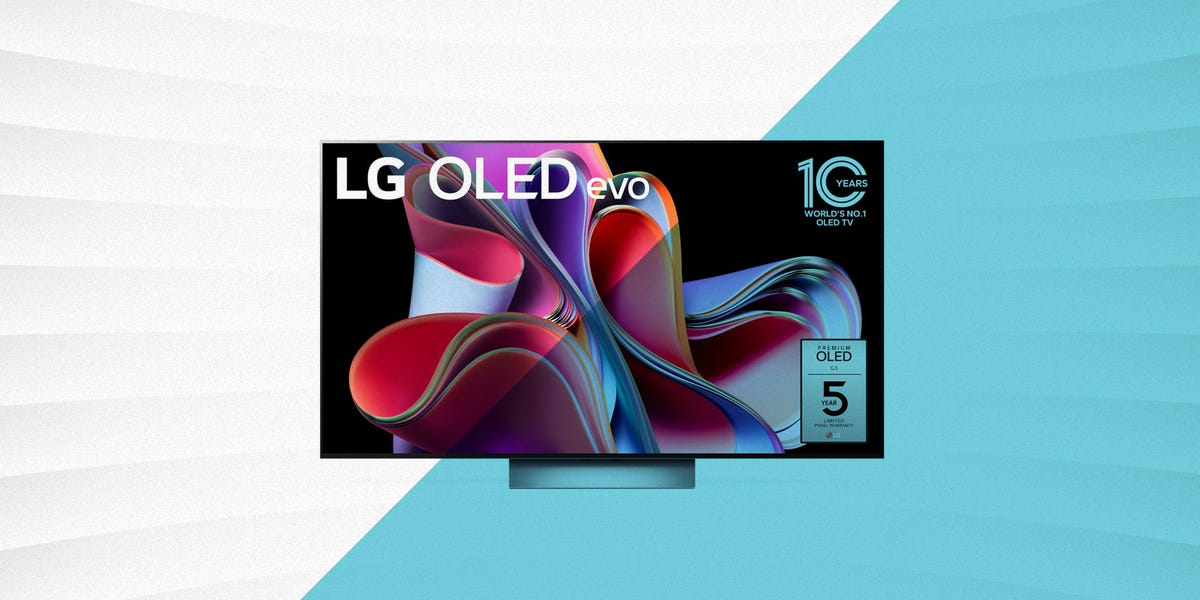
The LG C5 OLED is the safest recommendation for most people who want a premium 65-inch TV without stepping into “should I sell a kidney?” pricing. It delivers the classic OLED advantage: perfect black levels, pixel-level contrast, wide viewing angles, and a picture that looks especially beautiful in a dim or dark room. Movies have depth, subtitles stay clean, and space scenes look like space rather than dark gray soup.
LG’s C-series has also become a favorite among gamers, and the C5 continues that reputation. With HDMI 2.1 support, fast response time, VRR, AMD FreeSync Premium, NVIDIA G-Sync compatibility, and up to 144Hz refresh-rate capability, it is ready for PlayStation 5, Xbox Series X, and gaming PCs. Dolby Vision gaming support is another advantage for Xbox users and movie fans who want broad HDR compatibility.
Why It Stands Out
The LG C5 is not the brightest TV on the planet, and its built-in audio is more “fine” than “wow, cancel the soundbar.” But as a full package, it is hard to beat. It works well for Netflix, Blu-ray, gaming, sports, and everyday cable or live TV. It is the TV equivalent of a very talented friend who can cook, fix your Wi-Fi, and still win at trivia night.
Who Should Buy It?
Choose the LG C5 OLED if you want one 65-inch TV that does almost everything well. It is especially good for viewers who watch movies at night, play modern games, and want premium picture quality without paying the absolute top-tier price.
Best Premium 65-Inch TV: Samsung S95F OLED
The Samsung S95F OLED is for people who want their TV to look expensive because, well, it is. This QD-OLED model combines the deep blacks of OLED with the color punch of quantum dots, resulting in vibrant HDR, bright highlights, and a picture that can look spectacular with high-quality content. It is particularly impressive for sports, animation, nature documentaries, and colorful movies.
One of the S95F’s biggest advantages is its glare-reducing screen treatment. Many OLED TVs look fantastic in dark rooms but become mirror-like in bright spaces. Samsung’s anti-reflection approach makes the S95F more practical for sunny living rooms where windows, lamps, and wandering family members usually appear on-screen as unwanted guest stars.
The Catch
Samsung does not support Dolby Vision on its TVs, relying instead on HDR10, HDR10+, and its own image processing. For many viewers, that will not be a dealbreaker. Still, if you specifically want Dolby Vision support for streaming and discs, LG, Sony, TCL, and Hisense models may be more appealing.
Who Should Buy It?
Buy the Samsung S95F if you want a premium 65-inch OLED that handles bright rooms better than most OLED competitors. It is ideal for sports fans, design-conscious buyers, and anyone who wants a vivid, punchy picture that makes HDR content pop.
Best 65-Inch TV for Movie Lovers: Sony Bravia 8 II
Sony has long had a reputation for image processing, and the Bravia 8 II is built for people who notice when skin tones look weird, motion feels unnatural, or an old sitcom has been sharpened until everyone looks like they were carved from wax. This 65-inch QD-OLED TV focuses on cinematic accuracy, strong contrast, and refined upscaling.
The Bravia 8 II also uses Google TV, which gives it a broad app selection and a familiar interface for viewers who already live inside the Google ecosystem. Sony’s acoustic screen-based audio technology can also make dialogue feel more directly tied to the picture, which is helpful if you are not ready to buy a soundbar right away.
Why It Is Not for Everyone
The main issue is price. Sony’s premium TVs often cost more than similarly sized competitors, and the Bravia 8 II is aimed at buyers who care deeply about image processing, tone mapping, and cinematic presentation. If you mostly watch sitcom reruns while folding laundry, you may not need to pay Sony money for that privilege.
Who Should Buy It?
Choose the Sony Bravia 8 II if you want a refined, film-friendly 65-inch TV and you are willing to pay extra for excellent processing, natural motion, and a premium viewing experience.
Best 65-Inch Mini-LED TV for Value: TCL QM7K or QM8K
TCL has become one of the strongest names in value-focused premium TVs, and its QM7K and QM8K Mini-LED models are excellent examples. Mini-LED TVs use many small backlight zones to improve brightness and contrast. They cannot turn off each pixel like OLED, but the best models can get very bright, handle reflections well, and deliver deep blacks with minimal blooming.
The TCL QM7K is the more budget-friendly pick, while the QM8K is the step-up option for buyers who want stronger contrast, better brightness, and a more premium image. Both are compelling alternatives to OLED if your room gets lots of daylight or you want a big, bold picture without OLED pricing.
Gaming and HDR Strengths
TCL’s newer Mini-LED TVs often include gamer-friendly features such as high refresh rates, VRR, low-latency modes, and Google TV. They also tend to support multiple HDR formats, including Dolby Vision and HDR10+, which is useful if you stream from a wide variety of services.
Who Should Buy It?
Choose a TCL Mini-LED model if you want excellent picture quality for the money, especially in a bright room. It is a smart pick for sports fans, gamers, and budget-conscious buyers who still want a premium feel.
Best Bright-Room 65-Inch TV for the Money: Hisense U8QG
The Hisense U8QG is another strong Mini-LED option, especially for buyers who want brightness. A bright TV is not just about bragging rights; it helps HDR highlights look more dramatic and makes daytime viewing easier. If your living room has big windows, white walls, or enough sunlight to grow tomatoes, brightness matters.
The U8QG combines Mini-LED backlighting, quantum-dot color, high refresh-rate gaming features, Google TV, and broad HDR support. It is the kind of TV that can make animated movies, live sports, and HDR streaming look bold and energetic. It may not always have the same subtle processing as a Sony or the perfect black levels of OLED, but it delivers a lot of performance for the price.
Where It Fits
Hisense is especially attractive when prices drop. If you see the 65-inch U8QG on sale, it can be one of the best values in the premium-but-not-luxury category. It is not the quiet, delicate art-house choice. It is the “turn up the brightness and let the dragons fly” choice.
Best Easy-to-Use 65-Inch TV: Roku Pro Series Mini-LED
Not everyone wants to become a part-time display engineer just to watch a cooking show. For many households, the best TV is the one that turns on quickly, has a simple remote, shows apps clearly, and does not hide basic settings in a menu maze designed by a wizard with trust issues. That is where the Roku Pro Series Mini-LED comes in.
Roku’s interface remains one of the easiest smart TV platforms to understand. The Pro Series adds better picture quality than basic Roku TVs, including Mini-LED backlighting, QLED color, 4K resolution, and gaming features such as 120Hz support and VRR. It is not the highest-performance TV on this list, but it is one of the easiest to recommend for families, guest rooms, and anyone who values simplicity.
Who Should Buy It?
Pick the Roku Pro Series if you want a good-looking 65-inch TV that is easy for everyone in the house to use. It is especially useful for people who stream most of their content and do not want to add a separate streaming device.
OLED vs Mini-LED: Which 65-Inch TV Type Is Better?
The biggest decision in the 65-inch TV market is OLED versus Mini-LED. Both can look excellent, but they shine in different ways.
Choose OLED If You Want Perfect Blacks
OLED TVs control light at the pixel level, so black areas of the screen can be truly black. That creates stunning contrast, especially in dark rooms. If you love movies, prestige dramas, sci-fi, horror, or anything with moody lighting, OLED is hard to beat.
Choose Mini-LED If You Need More Brightness
Mini-LED TVs use advanced backlighting to get very bright, making them great for sunny rooms and daytime sports. They are also less prone to permanent image retention concerns than OLED, which may matter if you watch news channels, sports tickers, or the same game HUD for hours.
The Simple Rule
If your room is dark and you care most about contrast, buy OLED. If your room is bright and you care most about brightness, buy Mini-LED. If your room is both bright and dark because your family refuses to agree on curtains, buy the best TV you can afford and prepare emotionally.
Important Features to Look for in a 65-Inch TV
1. 4K Resolution
Nearly all quality 65-inch TVs are 4K now, and that is exactly what you want. At this screen size, 4K detail is easy to appreciate, especially with streaming, gaming, and UHD Blu-ray content.
2. HDR Support
HDR, or high dynamic range, helps a TV show brighter highlights, richer color, and better contrast. Look for support for Dolby Vision, HDR10+, or both. Dolby Vision is common on LG, Sony, TCL, Hisense, and Roku models, while Samsung favors HDR10+.
3. Refresh Rate
A 120Hz refresh rate is highly recommended for sports and gaming. Some newer models support 144Hz, 165Hz, or higher for PC gaming, but most console players will be happy with 4K at 120Hz.
4. HDMI 2.1 Ports
If you own a PlayStation 5, Xbox Series X, or gaming PC, HDMI 2.1 matters. It enables features such as 4K/120Hz, VRR, and low-latency gaming. More HDMI 2.1 ports are better, especially if you use multiple consoles and a soundbar.
5. Smart TV Platform
webOS, Google TV, Tizen, and Roku TV all offer major streaming apps. The best platform is often the one you personally find least annoying. Roku is simple, Google TV is content-rich, LG’s webOS is polished, and Samsung’s Tizen integrates well with Samsung devices.
Best 65-Inch TV for Gaming
For gaming, the LG C5 OLED is one of the strongest choices because it combines OLED response time, HDMI 2.1 support, VRR, 144Hz capability, and broad gaming compatibility. It is especially good for players who want cinematic single-player games to look beautiful and competitive games to feel responsive.
The Samsung S95F is another excellent gaming TV, particularly for PC gamers who want high refresh-rate support and vivid QD-OLED color. TCL and Hisense Mini-LED models are also strong options if you want a brighter screen and do not want to worry as much about static game interfaces.
Best 65-Inch TV for Sports
Sports fans should prioritize brightness, motion handling, and reflection control. The Samsung S95F is excellent here because its glare-reducing screen helps in bright rooms, while its OLED contrast keeps the picture rich. If you prefer Mini-LED, TCL’s QM8K and Hisense’s U8QG are strong choices because they can get extremely bright and make daytime games easier to watch.
For football, basketball, soccer, hockey, and racing, a 120Hz panel is worth having. It helps motion look smoother and reduces blur. A good sports TV should also have wide enough viewing angles for group watching, because nobody wants to be the person stuck on the side of the couch seeing a washed-out field.
Best 65-Inch TV for Movies and Streaming
For movies, OLED still has the magic. The LG C5, Samsung S95F, and Sony Bravia 8 II all deliver deep contrast and impressive HDR. The Sony Bravia 8 II is especially appealing for film lovers who value natural color, excellent upscaling, and refined motion. The LG C5 is the better value for most people, while the Samsung S95F is the better fit for brighter rooms.
Streaming quality varies widely, so processing matters. A premium TV can make compressed streaming content look cleaner, reduce banding in gradients, and improve older HD shows. That does not mean it will turn a blurry 2007 upload into IMAX, but it can help.
How Much Should You Spend on a 65-Inch TV?
Budget 65-inch TVs can be found for a few hundred dollars, but the sweet spot for a genuinely strong 65-inch TV usually starts in the upper midrange. Mini-LED models from TCL and Hisense often offer the best performance-per-dollar. OLED models cost more but reward you with better contrast and viewing angles.
If you watch TV casually, a midrange Mini-LED or QLED model may be enough. If you care about movies, gaming, and picture quality, spending more on an LG C5, Samsung S95F, or Sony Bravia 8 II can make sense. The best advice is simple: buy the best TV you can comfortably afford, but do not overpay for features you will never use. A 165Hz panel is exciting, but it will not improve your aunt’s favorite baking show.
Real-Life Experiences With the Best 65-Inch TVs
Using a 65-inch TV every day is different from admiring one in a store. In a showroom, every screen is playing a perfect demo reel: tropical fish, neon cityscapes, slow-motion fruit explosions, and landscapes so sharp they make your window feel insecure. At home, your TV has to handle everything: streaming apps, cable compression, sports, kids’ cartoons, dark movies, video games, and that one relative who turns motion smoothing back on because “it looks fancy.”
The first thing most people notice after upgrading to a good 65-inch TV is scale. Movies feel less like background noise and more like an event. A 65-inch OLED in a dim room can make a thriller feel genuinely atmospheric, with shadows that look deep instead of cloudy. On the LG C5, for example, dark scenes have a clean, controlled quality that cheaper LED TVs often struggle to match. You see details in black coats, candlelit rooms, and nighttime city shots without the whole screen turning gray.
Sports are a different experience. A bright Mini-LED TV like the Hisense U8QG or TCL QM8K can be more satisfying in a sunlit living room than a dimmer OLED. Grass looks vibrant, jerseys pop, and the picture holds up even when the curtains are open. During afternoon football or weekend basketball, that extra brightness matters. You do not want to choose between watching the game and living like a cave-dwelling raccoon.
Gaming is where 65 inches can feel almost luxurious. Open-world games become more immersive because the screen fills more of your view. Racing games feel faster. Adventure games feel more cinematic. On a TV with HDMI 2.1, VRR, and 120Hz or higher refresh-rate support, gameplay can feel smooth and responsive. The difference is especially obvious if you are coming from an older 60Hz TV. Suddenly, menus feel snappier, camera movement looks cleaner, and your console seems happier, as if it finally got promoted.
There are also practical lessons. First, do not ignore sound. Many premium TVs look thin and elegant because there is not much room for speakers. Dialogue can be clear enough, but action scenes often lack weight. A decent soundbar can transform the experience, especially with a 65-inch screen. The picture says “cinema,” and the sound should not say “laptop trapped in a cabinet.”
Second, room setup matters. A brilliant TV can look average if placed opposite a bright window. If you cannot control reflections, consider a Mini-LED model or a premium OLED with strong anti-glare performance. If you mainly watch at night, OLED becomes more attractive. Mounting height matters too. The center of the screen should be near eye level when seated. Mounting a TV too high may look stylish over a fireplace, but your neck may file a formal complaint.
Third, picture settings are worth adjusting. Many TVs ship in vivid or standard modes that exaggerate color and brightness. Switching to Cinema, Filmmaker Mode, Movie Mode, or a calibrated preset often creates a more natural image. It may look less flashy at first, but after a few days, the overcooked showroom mode starts to look like a cartoon wearing sunglasses indoors.
Finally, the best 65-inch TV is the one that fits your habits. A movie fan should prioritize contrast and processing. A sports fan should prioritize brightness and motion. A gamer should look for HDMI 2.1, VRR, low input lag, and high refresh-rate support. A family that streams everything should care about app layout and remote simplicity. Buying a TV is not about winning a spec sheet argument. It is about making your living room better every single day.
Final Verdict: Which 65-Inch TV Should You Buy?
If you want the best 65-inch TV for most people, start with the LG C5 OLED. It offers excellent picture quality, strong gaming support, broad HDR compatibility, and a price that often becomes more attractive during sales. If your room is bright and you want premium OLED performance, the Samsung S95F is a dazzling upgrade. If you care most about cinematic processing and natural image quality, the Sony Bravia 8 II deserves serious consideration.
For buyers who want strong performance without OLED pricing, TCL’s QM7K and QM8K Mini-LED TVs are smart value picks. Hisense’s U8QG is another excellent bright-room contender, especially for sports and HDR. And if simplicity matters most, the Roku Pro Series Mini-LED offers an easy, friendly smart TV experience with better picture quality than basic budget sets.
The best 65-inch TVs today are better, brighter, smarter, and more gaming-ready than ever. The trick is not buying the TV with the longest feature list. The trick is buying the one that matches your room, your content, and your patience for menus. Choose well, and your next movie night may feel less like watching TV and more like your couch got upgraded to first class.
SEO Tags