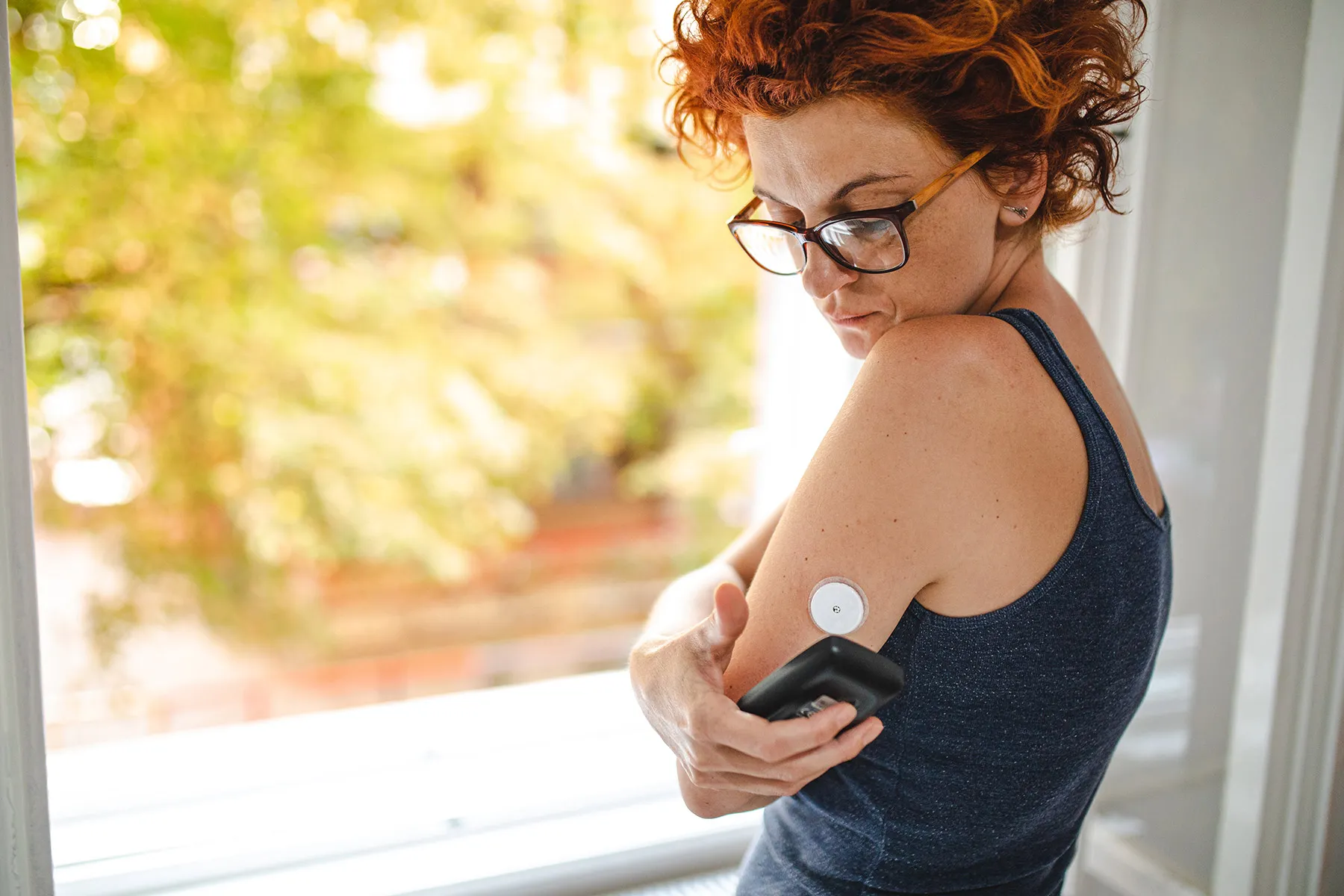

Managing diabetes can sometimes feel like trying to solve a puzzle while the puzzle keeps changing shape. You eat breakfast, take a walk, answer three emails, get mildly annoyed at traffic, and somehow your glucose has its own opinion about all of it. That is exactly why continuous glucose monitoring, or CGM, has become such a big deal in modern diabetes care. Instead of giving you a single snapshot, a CGM gives you a moving picture of what your glucose is doing day and night.
For many people with diabetes, that shift is enormous. A traditional fingerstick tells you where your glucose is at one moment. A CGM shows where it is, where it has been, and whether it is climbing, falling, or holding steady like a stubborn houseguest. That extra context can make it easier to adjust food, activity, insulin, and other medications with less guesswork and more confidence.
This article explains how CGM works, who may benefit, what the data actually means, the pros and cons, and what daily life with a CGM can really feel like. Spoiler: it can be incredibly helpful, but it is not magic. It is a tool. A very smart tool, yes, but still a tool. The real win comes from learning how to use the information without letting it boss you around.
What Is Continuous Glucose Monitoring?
A continuous glucose monitor is a wearable device that estimates glucose levels throughout the day and night. Most systems include a small sensor placed under the skin, a transmitter that sends data, and a display on a smartphone app, receiver, or insulin pump. Instead of checking a single blood sample, a CGM measures glucose in the interstitial fluid just under the skin and updates readings every few minutes.
That means you are not just getting numbers. You are getting trends. If your glucose is 120 mg/dL, that number matters. But if the arrow next to it says you are rising fast after lunch, that matters too. If it says you are drifting downward before a workout, that matters even more. In diabetes care, timing is everything, and CGM helps bring timing into focus.
CGM vs. Fingersticks
Fingersticks still have a role, but CGM changes the game. A fingerstick gives you a snapshot. A CGM gives you a timeline. That can help you spot overnight lows, post-meal spikes, and patterns that would be easy to miss with occasional checks.
That said, CGM is not a total farewell party for fingersticks. Because CGMs measure glucose in interstitial fluid instead of blood, readings can differ somewhat from a fingerstick, especially when glucose is changing quickly. Some people still need occasional fingerstick checks to confirm accuracy, particularly when symptoms do not match the reading, when learning a new device, or when the manufacturer instructs it.
Why CGM Matters in Diabetes Care
The biggest advantage of CGM is simple: it helps turn glucose management from reactive to proactive. Instead of discovering a problem after it happens, you can often catch it while it is developing. A low alert at 2 a.m. can prevent a scary overnight episode. A sharp rise after a favorite breakfast can teach you that your “healthy” granola is apparently a tiny sugar fireworks show. A steady pattern of afternoon highs may reveal that your lunch routine needs work.
CGM can also support better conversations with your care team. Rather than saying, “My numbers have been weird lately,” you can review actual data and trends. That makes it easier to adjust insulin timing, medication doses, meal choices, exercise plans, and daily habits. It also helps identify variability, which is something an A1C test alone cannot fully show.
In other words, A1C tells part of the story. CGM tells the plot twists.
Benefits of Continuous Glucose Monitoring
- Shows real-time glucose levels and trend arrows.
- Provides alerts for rising or falling glucose.
- Helps detect overnight hypoglycemia and hidden highs.
- Reveals how meals, exercise, stress, sleep, and medications affect glucose.
- Helps many people reduce guesswork around insulin and other treatment decisions.
- Makes it easier to share data with clinicians and sometimes caregivers.
- Supports quality-of-life improvements for people tired of frequent fingersticks.
Who Can Benefit From CGM?
CGM is often especially useful for people with type 1 diabetes, people with type 2 diabetes who use insulin, those with frequent hypoglycemia, people with wide glucose swings, pregnant people with diabetes, and anyone who has trouble identifying patterns with standard testing. It can also be helpful for those who want closer monitoring without constant fingersticks.
That does not mean every person with diabetes needs the exact same device or setup. Some people use CGM full time. Others use it for short periods to learn how their body responds to food, exercise, and medications. A person newly diagnosed with type 2 diabetes may use CGM differently than a teenager with type 1 diabetes or an older adult trying to avoid dangerous lows.
The key is individualization. A great CGM plan is not the most high-tech one. It is the one that fits your treatment goals, budget, comfort level, and daily routine.
Understanding the Data Without Spiraling Over Every Number
If you are new to CGM, the first few days can feel like opening a weather radar and discovering your pancreas has been running a drama channel this whole time. That is normal. The goal is not to obsess over every squiggle. The goal is to learn from patterns.
Important CGM Terms to Know
Real-time glucose: your current reading.
Trend arrows: clues about whether glucose is rising, falling, or staying stable.
Time in Range (TIR): the percentage of time your glucose stays in your target range.
Time Below Range: how often you dip too low.
Time Above Range: how often you run high.
Glucose variability: how much your glucose swings up and down.
Glucose Management Indicator (GMI): a CGM-based estimate that helps compare overall glucose patterns with A1C.
For many adults with diabetes, a commonly used target range is 70 to 180 mg/dL, and a typical goal is to spend about 70% of the day in that range. That is roughly 17 hours a day. But goals vary by age, pregnancy status, medications, risk of hypoglycemia, and other health conditions, so personal targets should always come from your care team.
One helpful rule is to look for patterns across days instead of reacting to single readings. A one-time spike after birthday cake is just called being human. A repeated rise after the same breakfast every morning is useful information.
How CGM Changes Everyday Decisions
CGM can make diabetes management feel more connected to real life. Instead of abstract advice like “watch carbs” or “be active,” you can see your own body respond in real time.
Food
You may notice that one bowl of oatmeal sends you soaring while eggs and toast keep you steadier. Or that pizza looks innocent at dinner and then sneaks back at midnight with a delayed glucose rise. CGM does not replace nutrition counseling, but it can make nutrition advice much more personal.
Exercise
Exercise does not affect everyone the same way. A brisk walk may lower glucose. Intense intervals may briefly raise it. Strength training may do something entirely different from a long run. CGM helps you learn your pattern so you can plan snacks, insulin timing, and recovery more safely.
Medications and Insulin
For people using insulin, CGM can help with dose timing and reduce the chance of flying blind. It can also show whether medication changes are helping over time. For some people with type 2 diabetes, CGM use highlights how strongly specific meals or missed activity affect control, making treatment decisions more concrete.
Sleep and Stress
Yes, stress is absolutely invited to the glucose party, even when nobody wants it there. Poor sleep, illness, deadlines, and emotional stress can all affect glucose levels. CGM can help you connect those dots, which is sometimes frustrating, but also incredibly useful.
Common Challenges and Drawbacks
CGM is powerful, but it is not perfect. Some people love it immediately. Others need time to adjust. A few find that it creates as much mental noise as it solves. Honest expectations matter.
Possible Downsides
- Alarm fatigue: Too many alerts can become exhausting.
- Skin irritation: Adhesive reactions and sensor discomfort happen for some users.
- Data overload: Seeing every rise and fall can trigger anxiety or perfectionism.
- Cost: Coverage has improved, but affordability still varies by plan and diagnosis.
- Learning curve: Insertion, alerts, calibration, and interpretation take practice.
- Lag time: CGM readings may not perfectly match blood glucose during rapid changes.
There is also the human factor: wearing something on your body all the time is not nothing. Some people barely notice it after a week. Others need real time to get used to the visibility, the adhesive, the app notifications, and the mental shift of having a running glucose report at all hours.
Tips for Using CGM Well
The best CGM users are not the people who stare at the app every five minutes. They are the people who learn when to look, what to look for, and when to zoom out.
Practical Tips
- Rotate sensor sites to help reduce skin irritation.
- Clean and dry the skin well before applying a sensor.
- Use extra adhesive support if sweating, swimming, or humid weather is a problem.
- Set alerts thoughtfully so the device helps rather than heckles.
- Review patterns over several days instead of chasing every number.
- Ask for training on insertion, alerts, downloads, and report interpretation.
- Check your phone settings so critical alerts are not silenced by app permissions, focus modes, or unsupported software changes.
Another smart habit is reviewing a summary report with your clinician or diabetes educator instead of trying to self-correct every pattern alone. A solid two-week data review can reveal more than random daily guesswork. In many cases, around 14 days of CGM data with consistent wear provides a useful picture of how things are going.
Choosing a CGM: What to Think About
There is no single “best” CGM for everyone. The best one is the one you will actually wear, understand, and afford.
Questions to Ask
- Does it work with your phone, receiver, or insulin pump?
- How often does the sensor need to be replaced?
- Does the system require calibration?
- Can it share data with a caregiver or clinician?
- How customizable are the alerts?
- What will insurance cover, and what paperwork is required?
- Do you want a prescription device, or are you exploring newer over-the-counter options with your provider’s guidance?
Also, do not get distracted by flashy marketing for wearables that claim to measure blood glucose without a proper sensor. If a device promises glucose readings from a smartwatch or ring alone, be cautious. Accurate diabetes management depends on accurate measurements, and unauthorized products can be dangerous.
CGM and Quality of Life
Not every benefit of CGM shows up in a lab report. For many people, the biggest improvement is peace of mind. Parents may sleep better when they can monitor a child’s overnight trends. Adults with a history of hypoglycemia may feel safer driving, exercising, or sleeping. Older adults and caregivers may appreciate shared data and alerts. Even people who still find diabetes tiring often say CGM makes it feel less mysterious.
That matters. Diabetes management is not only about preventing complications years from now. It is also about making today more manageable. Less guesswork, fewer surprises, and faster feedback can lighten the daily burden in a very real way.
The Bottom Line
Continuous glucose monitoring has changed diabetes care because it turns invisible patterns into visible information. It helps many people spot lows earlier, understand highs more clearly, use insulin and medications more safely, and learn how food, movement, stress, and sleep shape their numbers. It also gives care teams better data for better decisions.
Still, CGM is not a report card and it is definitely not a personality test. A number on a screen is just information. It is there to guide you, not judge you. Used well, CGM can be one of the most helpful tools in diabetes management. Used obsessively, it can feel noisy and overwhelming. The sweet spot is learning to use the data with curiosity, consistency, and a little self-compassion.
If you are considering CGM for diabetes, talk with your health care team about your goals, your treatment plan, your risk of low blood sugar, your insurance coverage, and how much data you actually want in your life. Because while glucose may be complicated, choosing smarter support does not have to be.
Experiences With Continuous Glucose Monitoring for Diabetes
Many people describe their first week with a CGM as equal parts fascinating and humbling. They finally see what their glucose is doing between meals, overnight, during meetings, during workouts, and after those “I only had a few fries” moments that somehow behave like a full carbohydrate parade. One common experience is surprise. People who thought they had a pretty good handle on their diabetes often discover patterns they never noticed before. Morning glucose may rise before breakfast. A favorite smoothie may hit much harder than expected. A short evening walk may work better than an extra hour of worrying.
Adults with type 1 diabetes often say the biggest emotional shift is feeling less blindsided. Instead of waiting to feel low, they get an early warning. Instead of guessing whether a correction is working, they can see the trend start to bend. That does not erase the work of diabetes, but it can make daily decision-making feel less like driving in fog. Parents of children with diabetes frequently describe overnight alerts as both stressful and reassuring. Nobody loves a 3 a.m. alarm, but many families would rather wake up to a beep than to a dangerous low that went unnoticed.
People with type 2 diabetes who start CGM, especially those using insulin, often talk about how eye-opening food data can be. It is one thing to hear that portion size matters. It is another thing to watch your glucose graph launch itself after a restaurant meal and then stay elevated for hours. That kind of immediate feedback can make diabetes education feel more real and less theoretical. It can also be motivating. Some users report that seeing even modest improvements after small changes, like walking after dinner or eating protein earlier in the day, makes healthy habits feel worth the effort.
Not every experience is smooth. Some users feel annoyed by alarms, frustrated by sensors that peel off early, or discouraged by seeing constant data. A few say CGM made them too focused on being “perfect,” which is exhausting and unrealistic. Others deal with skin irritation or struggle with device costs. These experiences are just as real as the success stories. In practice, many people do best when they personalize alerts, get support with interpreting reports, and remember that a graph is not a moral judgment. It is just information.
Over time, many users settle into a healthier relationship with the device. They stop reacting to every bump and start paying attention to bigger trends. They learn which arrows matter, which highs will come back down, and which lows need quick action. They begin to use the data as a guide instead of a constant referee. That may be the most meaningful experience of all: not perfection, but confidence. For many people living with diabetes, CGM does not make the condition disappear. What it often does is make the condition feel more understandable, more manageable, and a little less bossy.