
Disclaimer: This article is for education and entertainmentnot personal medical advice. If symptoms are affecting your life (or your sanity), talk with a qualified clinician.
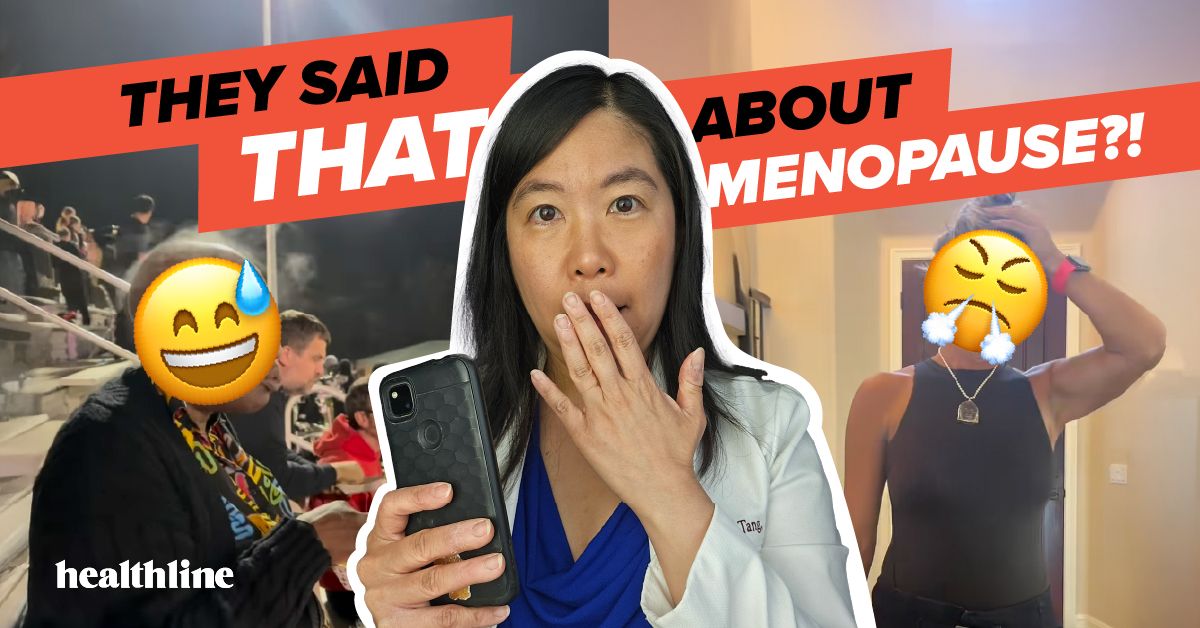
Picture this: a woman in a TV show fans herself dramatically, yells “I’m having THE CHANGE,” and everyone laughs like menopause is a prank your ovaries planned at brunch. Cut to 2026, and suddenly menopause is everywheretalk shows, celebrity interviews, workplace benefits newsletters, telehealth ads, and yes, your group chat at 2 a.m. labeled “WHY AM I A HUMAN TOASTER.”
Welcome to Dr. Karen Reactswhere we lovingly side-eye pop culture, gently roast internet nonsense, and translate the real science into plain English. Because menopause isn’t a punchline. It’s a life stage that affects millions of peopleand it deserves better stories, better information, and better support.
Why Menopause Is Suddenly “Having a Moment”
Menopause has always existed. The difference now is that people are finally saying the quiet part out loud: this transition can be disruptiveand pretending otherwise doesn’t help anyone.
1) Celebrities started talking (and the internet listened)
When public figures share symptoms like hot flashes, sleep problems, libido changes, mood shifts, and vaginal dryness, it flips the script from “embarrassing secret” to “common human experience.” The cultural impact is real: when a famous person says “this happened to me,” it gives permission for everyone else to ask, “Wait… is this what’s happening to me too?”
2) Medicine is (slowly) correcting old fears
For years, hormone therapy conversations were haunted by oversimplified headlines and lingering fear from early-2000s interpretations. More recent evidence and updated medical guidance emphasize nuance: who you are, when treatment starts, what you take, and how you take it all matter. Even regulators have been updating how risk information is presented, aiming for clearer, less alarmist labeling that supports individualized decision-making.
3) The menopause “market” explodedhelpful and chaotic
Telehealth menopause clinics, employer benefits, supplements, influencers, “hormone coaches,” and targeted ads have created a new reality: menopause care is more visiblebut also more commercial. Some of this is excellent (access! education!). Some of it is… a glitter cannon of misinformation wearing a lab coat.
Pop Culture Menopause: From Punchline to Plotline
Let’s talk representation. Or, more accurately, the historical lack of it.
The classic era: “Hot flash = comedy sound effect”
Old-school TV often treated menopause like a one-note gag: sweating, snapping, “crazy mood swings,” and a husband who acts personally victimized by a thermostat. One landmark example often cited in retrospectives is the early-1970s sitcom era that attempted to address menopause more directlyyet still framed symptoms through humor and household chaos.
Dr. Karen reacts: Comedy can be a coping tool. But if the only story we ever tell is “menopause makes women ridiculous,” we teach everyone to dismiss real symptomsand we teach the person living through it to feel ashamed for needing help.
Modern TV: when menopause finally gets a storyline (kind of)
In more recent shows, menopause and perimenopause have started showing up as actual plot pointsthough not always gracefully. A good example is how some contemporary series use perimenopause moments (like unexpected bleeding or a hot-flash panic) to create an “oh no!” scene, then quickly move on. It’s progress, but it can still lean into “menopause as a surprise attack” rather than a complex transition with real solutions.
Dr. Karen reacts: I’ll take messy representation over invisibilitybut I want the scene after the scene. Not just the joke, the recovery. Not just the sweat, the support. Not just the chaos, the context.
Movies: the great menopause disappearing act
Here’s the wild part: films frequently center women over 40, yet menopause is almost never mentioned. Research on top-grossing films across many years has found that menopause is either absent or reduced to quick throwaway linesoften used for humor rather than meaningful storytelling. In other words: Hollywood will show an alien invasion before it shows a woman researching night sweats.
Dr. Karen reacts: If a character can survive a zombie apocalypse, she can survive perimenopausewith a fan, a clinician who takes her seriously, and a pillow that stays cool longer than 90 seconds.
Internet Menopause: Helpful, Hypey, and Occasionally Unhinged
The internet is both the best and worst thing to happen to menopause education. On the bright side, people can find community, language for their symptoms, and practical coping strategies. On the dark side, algorithms reward certaintyeven when it’s confidently wrong.
The good: community and legit education
Online communities can be lifesavers: people share what helped their sleep, how they talked to a clinician, what workplace accommodations made a difference, and how they explained brain fog to their family without sounding like a haunted Victorian orphan.
Reputable medical organizations also publish practical, plain-language guideshelping people understand what’s normal, what’s not, and how to spot misinformation.
The not-so-good: misinformation patterns that keep showing up
If you spend five minutes on menopause content online, you’ll probably see at least one of these:
- “One weird trick” cures everything. Menopause symptoms vary widely. If a product claims to fix hot flashes, weight, libido, mood, sleep, skin, joints, and your relationship with your mother-in-lawbe skeptical.
- Fear-based hormone talk. Some posts insist hormone therapy is always dangerous; others insist it’s always the answer. Reality is individualized and depends on health history, timing, formulation, and goals.
- Unnecessary hormone testing marketing. During perimenopause, hormone levels can fluctuate dramatically. Symptoms and clinical context often matter more than chasing a single lab number.
- “Natural” as a guarantee of safe. “Natural” is not a synonym for “risk-free,” “effective,” or “regulated.” Supplements can interact with medications and may not contain what they claim.
Dr. Karen reacts: The algorithm loves a villain. Menopause isn’t a villain; it’s a transition. The villain is a system where people have symptoms for years and still get told, “Have you tried… being less stressed?”
Dr. Karen’s quick credibility check (30 seconds, no lab coat required)
- Who is speaking? Look for licensed credentials relevant to menopause care and a track record with reputable institutions.
- What are they selling? Education can be monetized ethicallybut if the “advice” always ends in “buy my proprietary drops,” pause.
- Do they cite recognized medical guidance? Trust sources that align with major clinical position statements and explain tradeoffs.
- Do they admit uncertainty? Real clinicians say “it depends” sometimes. Grifters rarely do.
- Do they encourage individualized care? The safest information points you toward shared decision-making, not one-size-fits-all rules.
The Reality Check: What Menopause Actually Is (and Isn’t)
Perimenopause vs. menopause vs. postmenopause
Perimenopause is the transition phaseoften yearswhen hormones fluctuate and cycles change. Symptoms can include hot flashes, sleep disruption, mood changes, irregular periods, and vaginal dryness.
Menopause is a point in time: it’s confirmed after 12 consecutive months without a period (not caused by another medical reason). In the U.S., the average age is around the early 50soften cited as 51.
Postmenopause is everything after that point. Some symptoms improve; others (like vaginal or urinary changes) can persist or become more noticeable without treatment.
Common symptoms pop culture gets right (and what it leaves out)
Yes, hot flashes and night sweats are realand they’re more than “being warm.” They can spike suddenly, disrupt sleep, and affect quality of life.
Also real: fatigue, mood changes, trouble sleeping, “brain fog,” joint aches, and genitourinary symptoms (vaginal dryness, discomfort with sex, urinary urgency, recurrent UTIs). These don’t always make it into scripts because they’re not as “funny” as someone dramatically fanning themselves with a restaurant menu.
Dr. Karen reacts: If your symptoms are affecting work, relationships, or mental health, you’re not “being dramatic.” You’re being… symptomatic. That’s a medical term for “something is happening.”
What Actually Helps: Evidence-Based Options (Not Miracle Dust)
Menopause treatment isn’t one single thing. It’s a menu, and you don’t have to order everything.
Hormone therapy (HT): effective, nuanced, individualized
Major medical guidance consistently notes that hormone therapy is the most effective treatment for vasomotor symptoms (hot flashes/night sweats) and for genitourinary syndrome of menopause in appropriate candidates. Risks and benefits depend on factors like age, time since menopause, health history, and the type/route of hormones used.
Dr. Karen reacts: HT isn’t “good” or “bad.” It’s a tool. A fire extinguisher isn’t “bad” because it’s not for every kitchenit’s helpful when you actually have a fire.
Nonhormonal prescription options
For people who can’t take hormonesor prefer not tothere are evidence-based nonhormonal options for hot flashes. Some antidepressants at specific doses can reduce symptoms for some people, and newer targeted therapies have also emerged for vasomotor symptoms. The key is to use treatments backed by clinical evidence, not vibes.
Lifestyle and supportive strategies (helpful, but not a substitute for care when symptoms are severe)
- Sleep support: consistent schedule, cool environment, limiting alcohol late, evaluating snoring/sleep apnea risk.
- Hot-flash hacks: breathable layers, fans, avoiding personal triggers (spicy foods, hot rooms, stress surges).
- Strength training + protein: helpful for muscle, bone, and metabolism over time.
- Stress reduction: not because symptoms are “in your head,” but because chronic stress can worsen sleep and temperature regulation.
When to get checked (even if the internet says “normal”)
Some symptoms deserve prompt medical evaluation, including:
- Bleeding after menopause (after that 12-month mark)
- Very heavy bleeding or bleeding that’s getting worse
- New chest pain, fainting, severe shortness of breath
- Severe mood symptoms, panic, or depression
What We Need Next: Better Stories, Better Information, Better Support
Pop culture is improvingslowly. The internet is both empowering and exhausting. The future I want (and Dr. Karen demands) looks like this:
- On-screen menopause with depth: not just jokesstories about relationships, work, identity, and healthcare that reflect reality.
- Clinicians who take symptoms seriously: fewer “you’re fine,” more “let’s talk options.”
- Workplaces that adapt: flexible temperature, breathable uniforms, schedule flexibility, and benefits that include menopause care.
- Algorithms that stop rewarding nonsense: a girl can dream.
Dr. Karen reacts: If we can normalize fantasy football spreadsheets, we can normalize a conversation about night sweats without whispering like we’re planning a heist.
Experiences: Dr. Karen’s Comment-Section Field Notes (About )
I’m going to call this section “experiences” because that’s what everyone asks forbut think of it as a collage of stories I see again and again in real clinics, real families, and very real comment sections. Names changed. Chaos preserved.
Experience #1: The “I thought I was losing it” spiral.
A woman posts, “Is anyone else forgetting words mid-sentence?” Within minutes, hundreds reply: “YES.” Some call it brain fog. Others call it “living in a loading screen.” The common thread is relief: the moment someone learns this can happen in perimenopause, the fear dial turns down. Not because symptoms vanish, but because uncertainty stops eating them alive.
Experience #2: The thermostat negotiations.
A partner comments, “She keeps opening windows in winter.” Someone else replies, “Buy a fan. And snacks. Mostly snacks.” It’s funnyuntil you realize how often people try to solve symptoms with willpower instead of support. The best “relationship advice” I see online isn’t magical; it’s practical: validate first, problem-solve second. “I believe you” goes a long way when your body feels like it’s freelancing.
Experience #3: The supplement rabbit hole.
A viral video promises a “natural fix” for hot flashes. The comments are split between “This saved my life” and “This made me nauseous for three days.” Here’s the pattern: people are not gulliblethey’re underserved. When access to care is hard, the internet becomes the waiting room. The lesson isn’t “don’t try anything,” it’s “don’t let marketing replace medicine.”
Experience #4: The first good appointment.
Someone writes, “I finally found a clinician who didn’t dismiss me.” The thread fills with tips: bring a symptom list, describe impact (“I’m waking up four times a night”), ask about options, ask what the plan is if the first thing doesn’t work. The tone changes from despair to strategy. That’s not just empowermentit’s skill-building.
Experience #5: The pop-culture ‘aha’ moment.
Every so often, a scene landssomeone on a talk show casually naming symptoms, or a character admitting they’re scared. People share clips like, “This is me.” It’s not that celebrities are the experts. It’s that visibility breaks isolation. Representation doesn’t replace medical care, but it can be the spark that pushes someone to seek it.
So yesmenopause in pop culture and the internet can be cringe, funny, messy, and sometimes genuinely helpful. My biggest “experience-based” takeaway is simple: when people feel seen, they get curious instead of ashamed. And curiosity is where good care begins.
Conclusion
Menopause isn’t a niche topicit’s a mainstream life stage that deserves mainstream storytelling and mainstream-quality information. Pop culture is finally letting menopause exist on screen (even if it still trips over punchlines). The internet is helping people find community (even if it also sells them miracle gummies). The goal isn’t perfection. It’s progress: more accurate representation, fewer myths, and more supportat home, at work, and in healthcare.