
Some kitchen tools earn their drawer space. Others earn a permanent spot on the counter because hiding them feels almost rude. The Mason Cash mixing bowl belongs in that second group. It is practical enough for bread dough, pretty enough for open shelving, and nostalgic enough to make even a boxed brownie mix feel like it came from a sunlit farmhouse kitchen where someone definitely owns a linen apron.
At first glance, it is “just” a ceramic mixing bowl. But the Mason Cash bowl has become a baking icon because its design solves real kitchen problems: it offers a wide, shallow shape for kneading and folding, a raised patterned exterior for grip, a stable weight that does not skate across the counter, and a light enough feel that many bakers can hold it comfortably in one arm. That is a rare mix of beauty and usefulnessthe kitchenware version of wearing good shoes to a wedding.
Whether you are shopping for your first serious baking bowl, replacing a stack of mismatched plastic bowls, or wondering why this traditional earthenware bowl keeps appearing in gift guides and baker wish lists, this guide breaks down what makes the Mason Cash mixing bowl special, how to choose the right size, how to use it well, and whether it deserves a place in your kitchen.
What Is a Mason Cash Mixing Bowl?
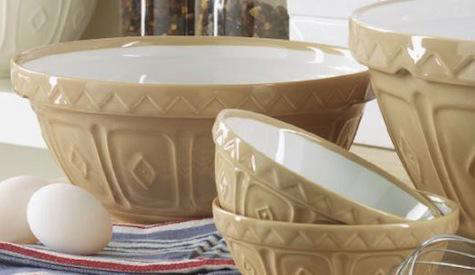
A Mason Cash mixing bowl is a ceramic or earthenware bowl designed for mixing, kneading, whisking, folding, serving, and general food preparation. The brand is best known for its classic Cane mixing bowl, a cream-and-brown design with a distinctive textured exterior. Mason Cash also makes decorative collections such as In the Forest, In the Meadow, Color Mix, nautical designs, seasonal bowls, prep bowls, batter bowls, and nesting sets.
The original style dates back to the early 1900s and has remained recognizable for more than a century. That staying power is not only about looks. The bowl’s arched interior, generous rim, and patterned outside were designed for people who actually bakenot for people who only display measuring spoons in a jar and call it a personality. The Mason Cash bowl is made to be used, washed, admired, and used again.
Why the Mason Cash Mixing Bowl Became a Kitchen Classic
1. The Design Has Barely Aged
Trends come and go. Avocado appliances had their moment. Tiny decorative rolling pins had their moment. But the Mason Cash mixing bowl has stayed relevant because its design is simple, useful, and familiar. The classic Cane bowl looks traditional without feeling dusty, while newer collections add color and embossed artwork for modern kitchens.
The bowl’s appeal is partly emotional. It looks like something a grandparent might have used for biscuits, pie crust, or Sunday cake batter. At the same time, it fits easily into today’s kitchens, especially farmhouse, cottage, vintage, traditional, transitional, and cozy-modern spaces. It is one of those rare items that can sit beside a stand mixer, a smart oven, and a suspiciously expensive espresso machine without looking out of place.
2. The Patterned Exterior Is Not Just Decoration
The raised pattern on many Mason Cash bowls is one of the brand’s signature features. It gives the bowl visual character, but it also helps with grip. When your hands are dusted with flour or slightly slick from butter, that texture matters. It makes the bowl easier to hold, turn, and tip when scraping batter into a cake pan or folding whipped egg whites into a sponge batter.
This is especially useful for recipes that require controlled movement. Think pancake batter, muffin mix, quick bread, scones, pastry dough, meatball mixture, cookie dough, and frosting. A smooth bowl can feel slippery at the worst possible moment. A textured bowl gives your hands a little extra confidence, which is good because nobody wants to explain why there is chocolate batter on the cabinets, the floor, and somehow the dog.
3. The Shape Works Well for Baking
Many Mason Cash mixing bowls are wider and shallower than deep utility bowls. That shape gives you room to work. When making bread dough, you can rotate and press the dough without feeling like your hands are trapped at the bottom of a ceramic well. When making pastry, the wider surface helps you cut butter into flour more evenly. When folding batter, the sloped sides help a spatula move smoothly around the bowl.
The white or light-colored interior found in many designs is also helpful because it lets you see the color and texture of mixtures clearly. That is useful when creaming butter and sugar, checking whether flour is fully incorporated, or watching cake batter transform from “lumpy pond” to “promising dessert.”
Key Features of a Mason Cash Mixing Bowl
Earthenware or Ceramic Construction
Most Mason Cash mixing bowls are made from earthenware or ceramic materials. These bowls feel substantial in the hand and have a glazed finish that helps resist stains and makes cleanup easier. The material also gives the bowl a cool, smooth interior that is pleasant for doughs and batters.
Earthenware is not the same as stainless steel or plastic. It feels more traditional, looks warmer on the table, and can double as a serving piece. However, it also deserves gentler handling. It is durable for normal kitchen use, but it should not be treated like a restaurant prep bowl that can be tossed into a sink from across the room. Ceramic has dignity. Respect the dignity.
Stable Weight
One reason bakers like Mason Cash bowls is their balance. They are heavy enough to stay put during stirring, but not so heavy that they feel impossible to lift. That balance makes them useful for hand mixing, especially when making batters, doughs, and frostings.
The larger sizes can be fairly weighty once filled, so choosing the right capacity matters. A big bowl is wonderful for bread dough or party-size cookie batches, but it may feel excessive if you mostly whisk salad dressing or beat two eggs for French toast. In other words, do not buy a giant bowl just because it looks majestic unless you have the cabinet space and the biceps for it.
Raised Rim for Control
The rim is another practical detail. A good mixing bowl needs to be easy to hold, tilt, and scrape. Mason Cash bowls usually have a generous rim that helps you grip the bowl when pouring batter or turning dough. This is especially useful when using a spatula with one hand and holding the bowl with the other.
Decorative Collections
The classic Cane bowl may be the most recognizable, but Mason Cash offers several collections. The In the Forest mixing bowl line features woodland-inspired embossed designs such as foxes, owls, hedgehogs, and forest motifs. The In the Meadow collection leans into floral patterns and softer colors. Color Mix bowls offer solid shades for people who want the Mason Cash shape without the traditional brown exterior.
These designs are not only for display. A beautiful bowl can actually make cooking more enjoyable. If a tool makes you want to bake banana bread on a rainy afternoon, that is not frivolousit is kitchen motivation wearing a glaze.
Popular Mason Cash Mixing Bowl Sizes
Mason Cash bowls come in different sizes, and the best choice depends on how you cook. Product names often include size numbers such as S30, S24, S18, S12, S9, or S6. Retailers may also list capacity in quarts, liters, fluid ounces, or inches, so always check the exact product page before buying.
Small Bowls for Prep and Small Batches
Small Mason Cash bowls are useful for sauces, dips, beaten eggs, streusel topping, spice blends, and child-friendly baking projects. A smaller bowl is also nice for serving nuts, berries, olives, or whipped cream. If you bake alone or cook in a small kitchen, a compact bowl may see more daily use than a dramatic oversized one.
Medium Bowls for Everyday Baking
A medium Mason Cash mixing bowl is often the most versatile choice. It can handle muffin batter, pancake batter, cookie dough, cake mix, biscuit dough, mashed potatoes, meatloaf mixture, and tossed salads. For many home cooks, this is the “grab it without thinking” size.
If you are buying only one Mason Cash bowl, start with a medium size. It gives you enough room to stir without splashing but does not take over the kitchen like a ceramic planet.
Large Bowls for Bread, Big Batches, and Entertaining
Large Mason Cash bowls are excellent for bread dough, double batches of cookies, large salads, holiday stuffing, popcorn, fruit, and party prep. The wider interior gives dough room to expand and gives your hands space to knead. A large bowl can also be used as a beautiful serving bowl for gatherings.
The trade-off is storage. Large ceramic mixing bowls need cabinet or shelf space, and they should be stored where they will not be bumped constantly. If your kitchen cabinets already resemble a cookware avalanche waiting to happen, measure first.
Mason Cash Mixing Bowl vs. Stainless Steel, Glass, and Plastic
Mason Cash vs. Stainless Steel
Stainless steel bowls are lightweight, durable, and practical. They are excellent for whipping cream, making meringue, tossing salads, and everyday prep. Mason Cash bowls, however, offer more stability, warmth, and table-ready charm. They are better when you want a bowl that feels substantial and looks beautiful enough to serve from.
The downside is that ceramic can chip or crack if dropped, while stainless steel usually survives kitchen chaos with only a dent and a grudge. Serious cooks often benefit from owning both: stainless steel for rough daily prep and Mason Cash for baking, serving, and recipes where bowl stability matters.
Mason Cash vs. Glass
Glass bowls are useful because you can see ingredients from every angle. They are often microwave-safe and easy to clean. Mason Cash bowls feel more traditional and are usually easier to grip thanks to their textured exterior and rim. They also look more decorative on the counter.
Both glass and ceramic can break if dropped, so neither is ideal for households where kitchen tools regularly experience flight. If you want beauty and stability, Mason Cash has the edge. If you want visibility and stackable practicality, glass may be better.
Mason Cash vs. Plastic
Plastic bowls are inexpensive, lightweight, and hard to break. They are great for casual prep, kids’ cooking, picnics, and storage. But plastic can stain, retain odors, warp over time, or feel too light when mixing thick dough. Mason Cash bowls feel more permanent and provide a better presentation for baking and serving.
Plastic is the sweatpants of mixing bowls: comfortable, useful, and not always dinner-party ready. Mason Cash is the well-fitted cardigan: still comfortable, but with better manners.
Best Uses for a Mason Cash Mixing Bowl
Bread Dough
The shallow, wide shape of many Mason Cash bowls works beautifully for bread dough. You can mix flour, yeast, salt, and water, then knead or fold the dough without fighting steep sides. The bowl’s weight helps keep it steady as dough gets sticky and stubborn.
Cake and Quick Bread Batter
For banana bread, pound cake, carrot cake, muffins, and coffee cake, the Mason Cash bowl gives you room to combine wet and dry ingredients without overworking the batter. The light interior also helps you see whether flour pockets are hiding near the bottom.
Pastry and Biscuit Dough
Pastry requires a light touch. The wide interior is useful when cutting cold butter into flour or gently bringing biscuit dough together. The bowl does not magically make you a pastry chef, but it does make the process feel less like wrestling a flour monster.
Serving and Entertaining
A Mason Cash bowl can go straight from prep to table for salads, rolls, fruit, mashed potatoes, popcorn, or chips. Decorative collections such as In the Forest or In the Meadow are especially attractive for brunches, holidays, and cozy family meals.
How to Care for a Mason Cash Mixing Bowl
Care instructions can vary by collection, so always check the specific product label. Many Mason Cash bowls are listed by retailers as dishwasher-safe, freezer-safe, and microwave-safe, while some are also described as oven-safe to a limited temperature. Still, the safest habit is to treat the bowl gently and avoid sudden temperature changes.
Cleaning Tips
Wash the bowl with warm water, mild dish soap, and a soft sponge. Avoid harsh scouring pads that may dull the glaze. If dough dries inside the bowl, soak it for a few minutes instead of attacking it like a medieval knight. Ceramic responds better to patience than battle cries.
Utensil Tips
Wood, silicone, and plastic utensils are the safest choices for preserving the interior glaze. Metal spoons, whisks, or electric hand mixers may leave marks or increase the risk of damage depending on the bowl and how aggressively they are used. If you plan to use an electric hand mixer frequently, stainless steel or glass may be a better everyday partner.
Storage Tips
If you stack Mason Cash bowls, place a soft cloth, paper towel, or felt divider between them to protect the glaze and embossed details. Store larger bowls low enough that you can lift them safely. A beautiful bowl is less charming when it falls from a high shelf and turns into expensive confetti.
Is a Mason Cash Mixing Bowl Worth It?
A Mason Cash mixing bowl is worth it if you value a bowl that is both functional and attractive. It is especially appealing for home bakers, bread makers, cottage-style kitchens, gift buyers, and anyone who wants a bowl that can move from mixing to serving without looking like it came from a camping kit.
It may not be the best choice if you need ultra-lightweight bowls, unbreakable prep tools, or something designed for heavy electric mixing. It is also not the cheapest option. You are paying for design, heritage, material, and visual appeal as much as basic mixing function.
That said, a good kitchen tool earns its keep by being used often. If you bake regularly, host brunch, make bread, or simply enjoy beautiful tools, a Mason Cash bowl can become one of those pieces you reach for again and again.
How to Choose the Right Mason Cash Mixing Bowl
Choose by Recipe Type
If you make bread, choose a large, wide bowl. If you make cakes, muffins, and cookies, a medium bowl is usually enough. If you mostly prep sauces or small sides, choose a smaller bowl or a prep bowl set.
Choose by Kitchen Style
For a traditional look, choose the Cane collection. For a nature-inspired kitchen, choose In the Forest. For a softer decorative style, choose In the Meadow. For a modern color accent, choose Color Mix. The best Mason Cash bowl is the one you will happily leave out and actually use.
Choose by Storage Space
Before buying a large set, measure your shelves. Nesting bowls are useful, but ceramic bowls still take up meaningful space. If your cabinets are already full, one medium bowl may be smarter than a dramatic set of four that forces your cereal bowls into exile.
Common Mistakes to Avoid
Buying Too Large Too Soon
A huge bowl looks impressive, but it can feel awkward for small recipes. Start with a medium size unless you regularly bake bread or cook for a crowd.
Using the Wrong Utensils
Protect the glaze by using wood or silicone whenever possible. Save aggressive metal mixing for stainless steel bowls.
Assuming Every Bowl Has the Same Care Rules
Mason Cash makes many collections, and retailers may list different care instructions for different products. Always check the exact bowl’s instructions before putting it in the oven, microwave, freezer, or dishwasher.
Treating It Like Plastic
A Mason Cash bowl is durable, but it is still ceramic or earthenware. Do not drop it, knock it against cast iron, or stack it carelessly under heavy cookware.
Real Kitchen Experiences With a Mason Cash Mixing Bowl
The first thing many people notice about a Mason Cash mixing bowl is not the history or the technical design. It is the feeling. You pull it from the shelf and it has presence. It is not flimsy. It does not flex. It feels like it has already seen a hundred batches of scones and is politely prepared for one more.
In everyday use, the bowl shines during slower, hands-on cooking. Making banana bread in a Mason Cash bowl feels different from tossing the ingredients into a thin plastic bowl. The wide opening gives you room to mash bananas, add sugar, fold in flour, and scrape the sides clean without flinging batter onto the counter. The light interior makes it easy to see streaks of flour before they become dry pockets in the finished loaf. That is a small detail, but baking is full of small details that quietly decide whether your loaf is tender or suspicious.
For bread dough, the experience is even better. A medium-large or large Mason Cash bowl gives the dough room to come together, and the bowl’s weight keeps it from scooting around while you stir. During the first messy stagewhen flour, water, and yeast are still negotiating their relationshipthe bowl stays steady. You can rotate it with one hand, scrape with the other, and feel like you know what you are doing, even if the dough is currently attached to your fingers like edible glue.
The bowl also works beautifully for casual serving. A salad looks more inviting in a Mason Cash bowl than in a basic prep container. Popcorn feels movie-night ready. Dinner rolls suddenly look intentional. Even a bowl of apples can look styled, which is useful if your kitchen counter is otherwise hosting mail, keys, and one mysterious screw nobody wants to throw away.
There are a few realistic drawbacks. A Mason Cash bowl is not weightless, especially in larger sizes. If you have wrist issues or prefer very light kitchen tools, you may reach for stainless steel more often. It also requires care. You will probably think twice before letting children bang spoons against it like a drum set. And while many models clean up easily, sticky dough still needs a soak if it dries onto the glaze.
But the biggest surprise is how often the bowl becomes part of the cooking mood. It encourages the kind of cooking where you slow down a little: biscuits on Saturday morning, cookie dough after dinner, focaccia on a rainy afternoon, pancake batter when everyone is still in pajamas. That may sound sentimental, but tools can shape habits. A bowl that is pleasant to use can make homemade food feel more inviting.
After enough use, a Mason Cash mixing bowl starts to feel less like a purchase and more like kitchen furniture. It belongs. It waits on the shelf looking useful and calm. It is there for cake batter, holiday stuffing, whipped cream, bread dough, and emergency brownie mix. It may not replace every bowl in your kitchen, but it can become the one you reach for when you want the process to feel a little more special.
Conclusion: A Classic Bowl That Still Earns Its Place
The Mason Cash mixing bowl remains popular because it combines function, comfort, and timeless design. Its textured exterior helps with grip, its wide shape supports real baking tasks, and its ceramic construction makes it attractive enough for serving. It is not the cheapest or lightest mixing bowl, and it deserves gentle care, but for many home bakers, that trade-off is worth it.
If your kitchen needs one bowl that can handle cake batter, bread dough, biscuits, salads, and countertop display with equal confidence, Mason Cash is a strong choice. It is practical without being boring and pretty without being useless. In the world of kitchen tools, that is a surprisingly rare recipe.
Note: Product sizes, care instructions, materials, and availability may vary by Mason Cash collection and retailer. Before publishing or purchasing, verify the exact model details on the current product listing.