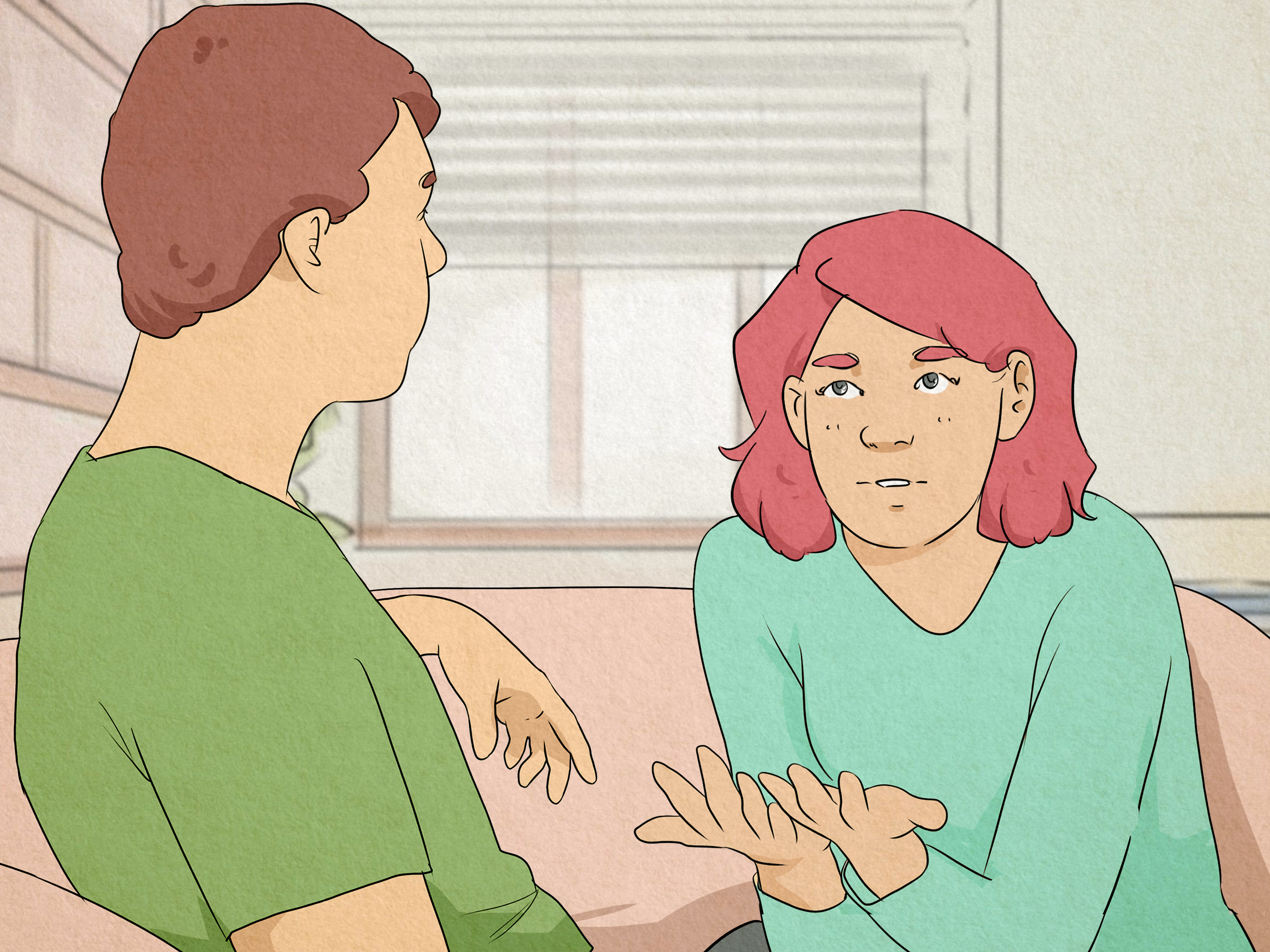

Some people treat advice the way cats treat bath time: with suspicion, side-eye, and a dramatic attempt to escape. If you have ever tried to persuade a stubborn person and watched them dig in deeper just because you opened your mouth, you already know the problem. The more you push, the more they resist. That is exactly why people become curious about reverse psychology.
But here is the important truth: reverse psychology is not magic, mind control, or a shortcut to winning every argument. At its core, it works by stepping around a person’s resistance instead of stomping directly on it. Used lightly and ethically, it can sometimes help with low-stakes situations. Used carelessly, it can backfire, damage trust, and make a strong-willed person even more stubborn than before. Yes, apparently that is possible.
This guide explains what reverse psychology really is, why it can work on stubborn people, when it is a terrible idea, and how to use the gentlest version of it without turning yourself into a cartoon villain in a turtleneck.
What Reverse Psychology Actually Means
Reverse psychology is a persuasion tactic in which you suggest the opposite of what you want, hoping the other person will choose the outcome you actually prefer. It tends to work best with people who hate being pushed, dislike feeling controlled, or instinctively resist direct instructions. In other words, if a person hears “You should do this” and immediately thinks, “Watch me not do that,” reverse psychology may catch their attention.
The reason is simple: many stubborn people value autonomy more than agreement. They do not just want to make a choice. They want it to feel like their choice. When they sense pressure, they may resist not because the idea is bad, but because the pressure itself feels irritating, disrespectful, or controlling.
That is why reverse psychology is often less about tricking someone and more about understanding how resistance works. Sometimes, the smartest move is not to push harder. It is to stop pushing in the most obvious direction.
Why Stubborn People Push Back So Hard
A stubborn person is not always irrational. Sometimes they are cautious. Sometimes they are proud. Sometimes they are tired of being managed by everyone within a 20-foot radius. In many cases, their resistance comes from a strong desire to protect freedom, status, competence, or identity.
Think about the phrases that instantly make a resistant person tense up: “You need to,” “Just do this,” “Trust me,” or the classic favorite, “Why are you being so difficult?” None of those lines make people feel respected. They make people feel cornered. Once that happens, the conversation is no longer about the original issue. It becomes a power struggle.
And power struggles are where communication goes to die.
A stubborn person may also resist because they do not want to look weak, wrong, rushed, or dependent. If your approach threatens their pride, they may choose the worse option simply to prove they cannot be controlled. That is not always logical, but it is deeply human.
When Reverse Psychology Can Work
Reverse psychology has the best chance of working in low-stakes situations where the other person already tends to resist direct advice. It can be useful when:
- the person is highly independent and hates being told what to do;
- the issue is minor, such as picking a restaurant, trying a new activity, or starting a basic task;
- you know the person well enough to predict their reaction style;
- you are not trying to pressure them into something unsafe, harmful, or emotionally loaded.
For example, imagine your friend refuses to leave the house early for an event because “there is plenty of time.” If you lecture them about traffic, they will probably double down and start strolling around like they are starring in a movie called I Leave When I Want. But if you casually say, “Honestly, we might be ridiculously early if we leave now,” they may suddenly want to prove they are not the kind of person who shows up absurdly early and start getting ready faster.
Same destination. Less collision.
When Reverse Psychology Is a Bad Idea
This tactic should never be your go-to move for serious conversations. Do not use reverse psychology when the issue involves health, money, safety, parenting, consent, emotional vulnerability, major life decisions, or anything where honesty matters more than strategy. That includes sensitive relationship discussions, medical choices, addiction, mental health concerns, and high-stakes workplace situations.
It is also a poor choice if the person is anxious, very trusting, emotionally fragile, or likely to take your words at face value. In those cases, reverse psychology can create confusion, resentment, or exactly the opposite of what you wanted.
If your real goal is connection, trust, and long-term cooperation, overusing reverse psychology is like trying to fix a watch with a hammer. Technically, you are doing something. It is just not helping.
How to Do Reverse Psychology Ethically
1. Start by lowering the pressure
The first rule is to stop sounding like a motivational poster with Wi-Fi. Stubborn people often resist the pressure more than the idea itself. So before you try any indirect strategy, remove the command tone. A calm, low-pressure atmosphere makes resistance less likely.
2. Use it only for low-stakes goals
If the outcome affects health, finances, dignity, or trust, be direct instead. Ethical reverse psychology is light, playful, and limited. Think “getting someone to try sushi,” not “getting someone to change an important life decision while pretending you do not care.”
3. Offer space instead of force
Many stubborn people calm down when they do not feel cornered. Instead of saying, “You have to do this today,” try language that restores freedom: “You do not have to decide right now,” or “It is your call.” Ironically, when people feel free, they often become more open.
4. Use a gentle reverse suggestion, not a dramatic one
Bad reverse psychology sounds fake. “Oh no, definitely do not clean the garage, that would be too organized and responsible” is not subtle. It sounds like a sitcom line delivered by someone winking too hard. Good reverse psychology is understated. “Honestly, maybe this is not worth your time” can be enough to activate a stubborn person’s desire to prove otherwise.
5. Protect the other person’s pride
Stubborn people often care deeply about competence and self-respect. If you embarrass them, they will resist harder. Frame things in a way that lets them feel capable, independent, and smart. People are more willing to move when movement does not feel like surrender.
6. Let them arrive at the conclusion
The sweetest words to a stubborn person are often not “You were wrong.” They are “That makes sense” and “Good idea.” If they move toward the choice you wanted, do not ruin it by announcing that your plan worked. Accept the win quietly and live to persuade another day.
7. Switch to direct honesty when needed
If the conversation becomes confusing, tense, or manipulative, stop. The strongest communication skill is not cleverness. It is knowing when to be plain and respectful. Reverse psychology should never replace honest dialogue in a healthy relationship.
Examples of Reverse Psychology That Feel Natural
Example 1: The friend who refuses help
Direct approach: “You need to let me help you.”
Likely result: “I am fine. I do not need help.”
Gentler alternative: “You probably want to handle this your own way first, and that is fine. I can step in later if you want.”
Why it works: You are not fighting for control. You are respecting their independence while leaving the door open.
Example 2: The partner who delays everything
Direct approach: “Can you please book the appointment already?”
Likely result: eye roll, mysterious disappearance, sudden interest in reorganizing a drawer.
Gentler alternative: “No rush. I figured you would rather do it when you are in the mood to deal with it.”
Why it works: A resistant person may suddenly want to prove they are perfectly capable of handling it now.
Example 3: The coworker who hates being instructed
Direct approach: “Do it this way.”
Likely result: instant internal rebellion.
Gentler alternative: “You may have a better approach than the one I had in mind.”
Why it works: You shift from command to autonomy. The person may adopt your idea anyway once they feel ownership.
What Not to Do
- Do not use reverse psychology to deceive someone about serious matters. That crosses the line from persuasive communication into manipulation.
- Do not overact. If your tactic is obvious, the stubborn person will not feel persuaded. They will feel patronized.
- Do not use sarcasm as your whole strategy. Sarcasm often sounds like contempt in a trench coat.
- Do not turn every disagreement into a chess match. Relationships are not escape rooms.
- Do not forget boundaries. If someone is relentlessly oppositional, you may need limits more than persuasion.
Better Alternatives to Reverse Psychology
Sometimes the best way to influence a stubborn person is not reverse psychology at all. It is better communication. That may sound less glamorous, but it tends to create fewer emotional potholes.
Use “I” statements
Instead of “You never listen,” try “I feel dismissed when I am interrupted.” This lowers defensiveness and keeps the focus on your experience rather than an attack.
Ask open-ended questions
Questions such as “What is making this hard for you?” or “What would make this feel more workable?” help the person talk through resistance instead of defending it.
Offer choices
Choice reduces the feeling of control. “Would you rather do this now or after lunch?” works better than “Do it now.”
Model the behavior
If you want calm, be calm. If you want cooperation, be cooperative. People often mirror tone faster than logic.
Set boundaries
If someone is stubborn in a way that becomes disrespectful, manipulative, or draining, your task is not to outsmart them. It is to decide what you will and will not accept.
The Real Secret: Respect Works Better Than Control
If there is one lesson to remember, it is this: stubborn people are often less resistant to ideas than they are to feeling managed. Reverse psychology can occasionally work because it reduces direct pressure and lets the person feel free enough to move. But the healthiest form of influence is still respect.
Respect says, “You are allowed to think for yourself.” Respect says, “I do not need to corner you to make my point.” Respect says, “I can be honest without trying to overpower you.”
So yes, you can use reverse psychology on a stubborn person. Just use the soft version, not the sneaky version. Keep it light. Keep it ethical. Keep it for low-stakes moments. And whenever possible, choose communication that builds trust instead of strategy that quietly chips away at it.
Because winning one argument is nice. But being able to talk to each other next week is nicer.
Experiences and Lessons From Real-Life-Style Scenarios
The most useful lessons about reverse psychology usually come from ordinary moments, not dramatic showdowns. One common experience happens in families. A parent may tell a strong-willed teenager to clean their room immediately, only to trigger a full-blown resistance campaign involving headphones, a closed door, and the energy of a labor strike. But when the parent backs off and says, “It is your room, so you can decide when you want it to stop looking like a laundry tornado,” the teen sometimes starts cleaning within the hour. Not because they were manipulated by genius-level mind games, but because the pressure dropped and ownership returned.
Another familiar experience shows up in romantic relationships. One partner keeps pushing the other to start a task they have been avoiding, like calling the plumber, booking a checkup, or replying to an important email. The more reminders they give, the slower the task seems to move. Then one day, instead of another nudge, they say, “You know what, you will probably handle it when you are ready.” Suddenly, the resistant partner makes the call. Why? In many relationships, repeated reminders feel like surveillance. Backing off restores dignity, and dignity is often rocket fuel for action.
Workplaces offer the same pattern. Some employees bristle the moment a manager sounds overly directive. A boss who says, “Do it exactly this way,” may get technical compliance and emotional resistance. A boss who says, “Here is the goal. You may come up with a better method than mine,” often gets more effort, more creativity, and less quiet rebellion. In practice, this feels less like reverse psychology and more like strategic respect. The employee is no longer defending independence; they are using it.
Friendships can be even more revealing. Picture the friend who never wants to try anything suggested by the group. Recommend a restaurant and they hate the menu. Suggest a movie and they suddenly become a critic with standards last seen at Cannes. But say, “You probably would not like that place anyway,” and watch curiosity rise like toast. In these lighter social situations, reverse psychology can work almost playfully because the stakes are small and the person wants to prove they are impossible to predict.
The lesson from these experiences is not that people should be handled like puzzle boxes. It is that resistance often eases when people feel seen, not shoved. The moment someone senses that you are trying to overpower them, the issue changes. It stops being about the room, the email, the restaurant, or the appointment. It becomes about control. Once that happens, even a sensible suggestion can feel offensive.
That is why the most successful experiences usually combine three things: reduced pressure, preserved pride, and genuine choice. When those are present, reverse psychology may not even need to be obvious. A calm tone, a little space, and a face-saving path forward can do most of the work. The result is not perfect, and it does not work on every person every time. But in everyday life, it often works better than pushing harder and hoping stubbornness will suddenly become cooperative out of pure holiday spirit.