
Swimmer’s ear, also called otitis externa, is the kind of ear problem that can turn a glorious pool day into a “why does my ear hate me?” situation. Unlike a middle ear infection, swimmer’s ear affects the outer ear canalthe tunnel that runs from the opening of the ear to the eardrum. It often happens when moisture stays trapped in the ear, softening the skin and making it easier for bacteria or, less commonly, fungus to grow.
The good news: swimmer’s ear is usually easy to recognize when you know what signs to look for. The not-so-good news: it can become very painful if ignored. This guide walks you through 14 steps to identify swimmer’s ear, understand what symptoms matter, know when to call a healthcare provider, and avoid confusing it with other ear issues.
Medical note: This article is for general education and should not replace professional medical advice. Ear pain can have several causes, and a healthcare provider can confirm the diagnosis by looking inside the ear.
What Is Swimmer’s Ear?
Swimmer’s ear is inflammation or infection of the outer ear canal. The name makes it sound like only swimmers get it, but that is not true. You can develop swimmer’s ear after swimming, bathing, showering, wearing earbuds for long periods, using cotton swabs too aggressively, scratching inside the ear, or having skin conditions such as eczema that irritate the ear canal.
The main idea is simple: the ear canal has delicate skin. When that skin gets too wet, scratched, or irritated, germs have an easier time moving in. Think of the ear canal like a tiny hallway with a “do not disturb” sign. Water, cotton swabs, and irritation can knock that sign right off the door.
How to Identify Swimmer’s Ear: 14 Steps
1. Notice itching inside the ear canal
One of the earliest signs of swimmer’s ear is itching inside the ear. At first, it may feel mild, almost like a tiny tickle you cannot quite reach. Many people make the mistake of trying to scratch the itch with a cotton swab, fingernail, earbud tip, or some other “creative tool from the bathroom drawer.” That can make the irritation worse and increase the chance of infection.
If the itch appears after swimming, showering, or spending time in humid weather, swimmer’s ear becomes more likely. Itching alone does not prove you have swimmer’s ear, but it is often the first clue.
2. Check for pain when touching the outer ear
A classic sign of swimmer’s ear is pain that gets worse when you touch, pull, or wiggle the outer ear. Try paying attention to whether the pain increases when the earlobe or outer ear is gently moved. Another common clue is tenderness when pressing the small flap of cartilage in front of the ear canal, called the tragus.
This detail matters because middle ear infections often cause deeper ear pain but may not hurt as much when the outer ear is touched. With swimmer’s ear, the outer ear canal is inflamed, so even light pressure can feel surprisingly dramaticas if your ear has suddenly developed a strong personality.
3. Look for a feeling of fullness or blockage
Swimmer’s ear can make the affected ear feel plugged, full, or blocked. People often describe it as having water trapped in the ear even when no water comes out. This fullness can happen because the ear canal becomes swollen or because discharge and debris collect inside it.
A plugged feeling after swimming does not always mean infection. Sometimes water is simply stuck and drains later. But if fullness is paired with itching, tenderness, pain, or drainage, swimmer’s ear should be on your radar.
4. Pay attention to muffled hearing
Temporary muffled hearing can happen with swimmer’s ear. This usually occurs because swelling, fluid, or debris blocks sound from traveling normally through the ear canal. The hearing change is often described as dull, clogged, or “like someone put a tiny pillow in my ear.”
Muffled hearing from swimmer’s ear is usually temporary, but it should still be taken seriously. If hearing loss is sudden, severe, occurs with dizziness, or does not improve, contact a healthcare provider promptly.
5. Watch for drainage from the ear
Ear drainage is another important sign. With swimmer’s ear, fluid may be clear at first, then become cloudy, yellowish, yellow-green, or unpleasant-smelling. Drainage suggests the ear canal is irritated or infected and should not be ignored.
Do not try to dig out drainage with cotton swabs. That may push material deeper or scratch the canal. Instead, gently wipe only the outer ear with a clean cloth and seek medical advice, especially if drainage continues, smells bad, or comes with worsening pain.
6. Check for redness around the ear opening
Swimmer’s ear can cause redness at the ear canal opening or around the outer ear. In mild cases, redness may be subtle. In more advanced cases, the canal opening may look swollen, irritated, or narrower than usual.
Because it is difficult to see inside your own ear canal without proper equipment, do not rely only on what you can see in the mirror. Symptoms such as pain, itchiness, and tenderness often tell you more than a quick bathroom inspection.
7. Notice swelling of the ear canal
Swelling is a key feature of swimmer’s ear. The ear canal may become puffy and tender, sometimes making the ear feel blocked. In more uncomfortable cases, the swelling can make it hard for ear drops to reach the infected area, which is one reason a clinician may need to examine and clean the canal.
If swelling is obvious, painful, or getting worse, do not wait for it to magically become “a tomorrow problem.” Ear swelling deserves attention before it turns your whole day into one long wince.
8. Consider recent water exposure
Ask yourself whether the symptoms started after swimming, surfing, diving, showering, or spending time in a hot, humid environment. Swimmer’s ear is strongly associated with moisture trapped in the ear canal. Pools, lakes, oceans, and even frequent showers can contribute.
That said, you do not need to be training for the Olympics to get swimmer’s ear. A person can develop it from everyday moisture plus irritation. Water exposure is a clue, not a requirement.
9. Think about ear cleaning habits
Cotton swabs, hairpins, fingernails, ear candles, and other objects can irritate or injure the ear canal. Even when the intention is noble“I am just cleaning my ears!”the result can be the opposite. Earwax helps protect the ear canal, and removing too much of it can leave the skin more vulnerable.
If symptoms began after aggressive ear cleaning, swimmer’s ear or ear canal irritation may be more likely. A simple rule: clean the outside of the ear, not the tunnel. Your ear canal is not asking for a renovation project.
10. Compare the pain pattern with a middle ear infection
Swimmer’s ear affects the outer ear canal. A middle ear infection affects the area behind the eardrum. The two can feel similar, but there are clues. Swimmer’s ear often causes pain when the outer ear is pulled or the tragus is pressed. Middle ear infections may follow a cold, sinus symptoms, or pressure changes and often feel deeper.
Children may have trouble explaining the difference, so watch behavior. A child with swimmer’s ear may cry or pull away when the outer ear is touched. A healthcare provider can tell the difference by examining the ear with an otoscope.
11. Look for symptoms that are getting worse over hours or days
Swimmer’s ear may start as mild itching or discomfort and then become more painful over hours to a few days. Worsening pain, increasing tenderness, more drainage, or a stronger blocked feeling can suggest the condition is progressing.
Do not ignore a pattern of symptoms that is clearly getting worse. Mild ear irritation may settle down, but swimmer’s ear often needs medical treatment, commonly prescription ear drops, to clear the infection and reduce inflammation.
12. Watch for swollen lymph nodes or pain spreading nearby
In some cases, pain from swimmer’s ear can spread toward the jaw, side of the face, head, or neck. Swollen glands near the ear or upper neck may also appear. These signs can mean the inflammation is more significant.
If pain spreads, swelling increases, or the outer ear becomes very red, contact a healthcare provider. This is especially important for people with diabetes, weakened immune systems, or a history of ear surgery.
13. Know the red flags that need medical care
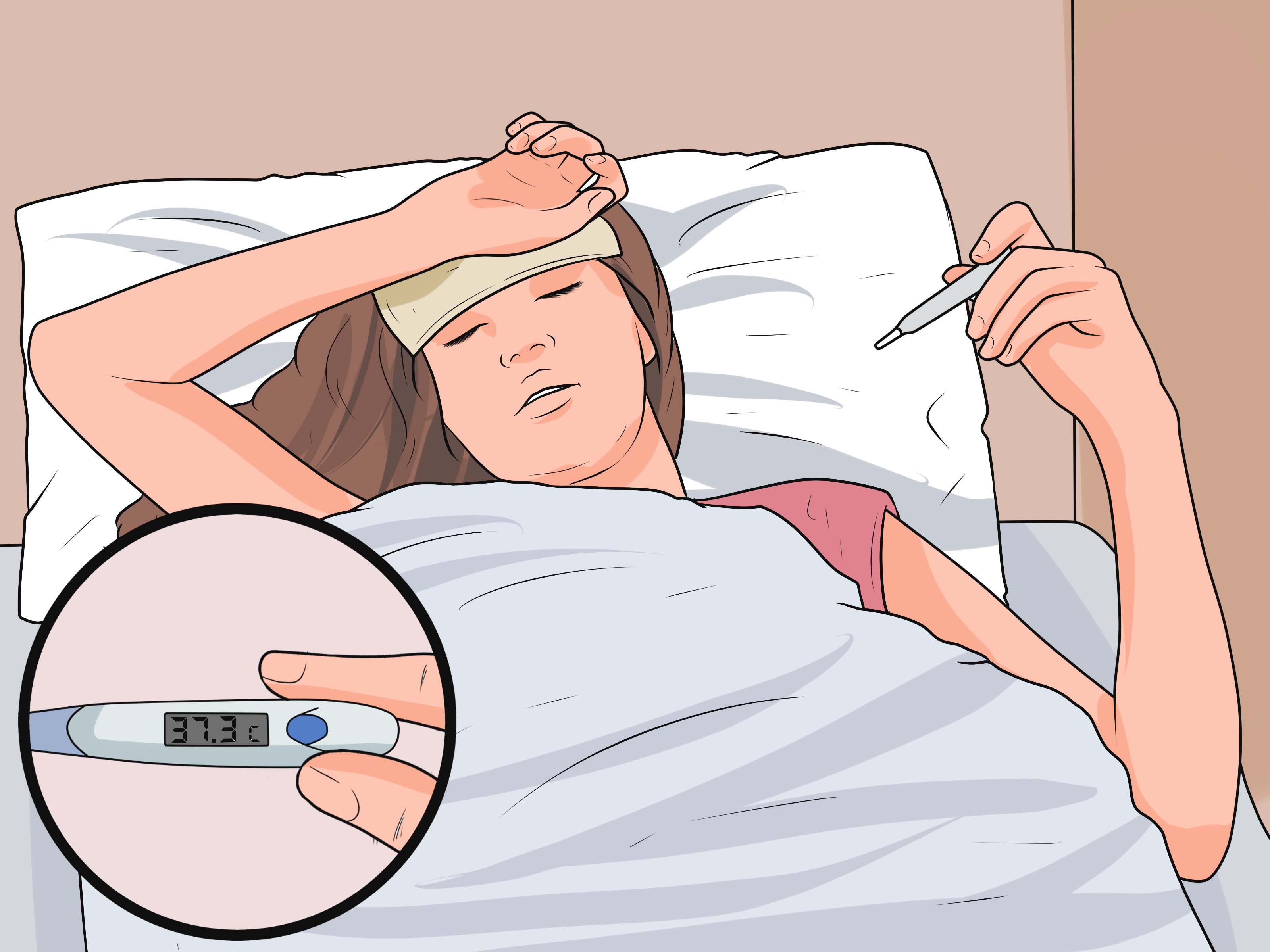
Call a healthcare provider if you have severe ear pain, fever, drainage, hearing changes, dizziness, symptoms lasting more than a day or two, or pain that worsens quickly. Seek urgent care if there is facial weakness, intense swelling, severe headache, confusion, or symptoms in someone with diabetes or a weakened immune system.
Also get medical advice before using over-the-counter drying drops if you have ear tubes, a ruptured eardrum, recent ear surgery, significant ear drainage, or severe pain. Some drops are not safe for every ear situation.
14. Get a professional diagnosis if symptoms fit
The most reliable way to identify swimmer’s ear is to have a healthcare provider examine the ear. They can look for redness, swelling, drainage, debris, and tenderness. They can also check whether the eardrum looks intact and whether another condition is causing the symptoms.
Diagnosis matters because treatment depends on what is actually happening. Bacterial swimmer’s ear, fungal irritation, wax blockage, eczema, and middle ear infections may require different care. Guessing can waste timeand ears are not exactly the place where most people want to play medical detective.
Common Symptoms of Swimmer’s Ear
The most common symptoms include itching in the ear canal, pain when touching or moving the outer ear, redness, swelling, fullness, muffled hearing, and drainage. Pain is often the symptom that sends people looking for help because it can become intense. Even chewing may hurt if the inflamed ear canal is irritated by jaw movement.
In mild swimmer’s ear, symptoms may be limited to itching and slight discomfort. In moderate cases, pain becomes more noticeable, the ear may feel blocked, and drainage can appear. In more severe cases, pain can be significant, swelling may be obvious, hearing can become more muffled, and the outer ear may look red or swollen.
What Causes Swimmer’s Ear?
The biggest triggers are moisture and irritation. Water that stays in the ear canal can soften the skin and create a better environment for germs. Scratches from cotton swabs, earbuds, hearing aids, or fingernails can give bacteria a place to enter. Skin conditions, allergies, and narrow ear canals may also raise the risk.
Swimming in untreated or contaminated water can increase exposure to germs, but even clean water can cause trouble if it remains trapped. That is why swimmer’s ear is common during warm months, swim season, and vacation periodsbasically whenever people are having fun and ears decide to file a complaint.
Who Is More Likely to Get Swimmer’s Ear?
Children and teens who swim often are commonly affected, but adults can get swimmer’s ear too. People with eczema, psoriasis, excess ear cleaning habits, frequent earbud use, hearing aids, narrow ear canals, or repeated water exposure may be at higher risk. Anyone who has had swimmer’s ear before may also be more likely to get it again.
People with diabetes or weakened immune systems should be especially cautious. Ear infections in these groups can occasionally become more serious, so early medical advice is important.
How Swimmer’s Ear Is Treated
Treatment usually focuses on clearing the infection, reducing inflammation, easing pain, and keeping the ear dry. A healthcare provider may prescribe antibiotic ear drops, antifungal drops if fungus is suspected, or drops that include a steroid to reduce swelling. If the canal is very swollen or blocked with debris, a clinician may clean it so the drops can reach the affected skin.
Oral antibiotics are not usually the first choice for uncomplicated swimmer’s ear because the infection is in the ear canal and topical drops often work better. However, oral medicine may be needed if infection spreads beyond the ear canal or if a person has certain risk factors.
What Not to Do If You Suspect Swimmer’s Ear
Do not insert cotton swabs or other objects into the ear canal. Do not use ear candles. Do not keep swimming through worsening pain and hope your ear “toughens up.” Spoiler: ears do not train like gym muscles.
You should also avoid using random home remedies if you have severe pain, drainage, ear tubes, a possible ruptured eardrum, or a history of ear surgery. When in doubt, ask a healthcare provider before putting anything into the ear.
How to Help Prevent Swimmer’s Ear
Prevention starts with keeping ears dry and avoiding irritation. After swimming or showering, tilt your head to each side to help water drain. Dry the outer ear gently with a towel. Some people use a hair dryer on a low, cool setting held at a safe distance to help dry the ears, but avoid heat or placing anything inside the canal.
Avoid aggressive ear cleaning. Earwax is not a design flaw; it helps protect the ear. If you frequently feel blocked ears or have recurring swimmer’s ear, ask a healthcare provider about safe prevention strategies. People who swim often may benefit from custom swim molds or guidance on drying drops, but these should be used only when safe for the individual ear.
14-Step Quick Checklist
- Check for itching inside the ear.
- Notice pain when the outer ear is pulled or moved.
- Press gently near the ear opening and watch for tenderness.
- Look for a plugged or full sensation.
- Notice temporary muffled hearing.
- Check for drainage or unusual fluid.
- Look for redness near the ear canal opening.
- Watch for swelling of the ear canal or outer ear.
- Think about recent swimming, showering, or humidity exposure.
- Review recent ear cleaning or scratching habits.
- Compare symptoms with a middle ear infection.
- Track whether symptoms are worsening over time.
- Watch for red flags such as fever, severe pain, or spreading swelling.
- See a healthcare provider for confirmation and treatment.
Experience-Based Tips: What Swimmer’s Ear Often Feels Like in Real Life
Many people first notice swimmer’s ear in a very ordinary moment. Maybe you are drying off after a swim and one ear still feels wet. You tilt your head. You hop on one foot like a confused flamingo. Nothing happens. A few hours later, the ear starts itching. By bedtime, it feels full. The next morning, touching the outer ear makes you wince. That patternwater exposure, itching, fullness, then touch-sensitive painis a classic swimmer’s ear story.
Parents often describe a similar experience with kids. A child may swim all afternoon, seem perfectly fine at dinner, then complain that their ear “feels weird” later that night. Younger children may not have the words for fullness or muffled hearing, so they may rub the ear, avoid lying on one side, become fussy, or cry when the ear is touched. If a child suddenly protests when you help dry their ear with a towel, that tenderness can be a useful clue.
Adults often make swimmer’s ear worse by trying to fix it too aggressively. The ear feels blocked, so they reach for a cotton swab. The swab irritates the canal, the irritated canal swells more, and the blocked feeling gets worse. This is the ear-care version of trying to clean a spill with a leaf blower. A better approach is to stop inserting objects, keep the ear dry, and get medical advice if symptoms fit swimmer’s ear.
Another common experience is confusing swimmer’s ear with trapped water. Trapped water may feel annoying, but it usually improves as the water drains or evaporates. Swimmer’s ear tends to become more uncomfortable, especially with touch. Pain when pressing the tragus or moving the outer ear is one of the most practical clues people can notice at home.
People who have had swimmer’s ear before often recognize it quickly. They may say, “I know this feeling,” especially when the same ear starts itching after swimming. Recurring cases are worth discussing with a healthcare provider because prevention may depend on ear shape, skin sensitivity, wax patterns, swim habits, or other factors. The goal is not to fear the pool; it is to keep your ears from turning a cannonball contest into a clinic visit.
The biggest lesson from real-life swimmer’s ear experiences is simple: early symptoms matter. Itching, fullness, and tenderness are not always emergencies, but they are signals to be gentle with the ear and watch closely. If pain increases, drainage appears, or hearing becomes muffled, it is time to involve a professional. Fast attention can reduce discomfort, shorten the problem, and help you get back to swimming, showering, and living without treating your ear like a fragile museum exhibit.
Conclusion
Learning how to identify swimmer’s ear comes down to recognizing the pattern: itching inside the ear, pain when the outer ear is touched, fullness, swelling, drainage, and temporary muffled hearingespecially after water exposure or ear canal irritation. While mild symptoms may start quietly, swimmer’s ear can become very painful if ignored. The safest move is to avoid poking inside the ear, keep it dry, and contact a healthcare provider when symptoms worsen, drainage appears, or pain becomes significant.
Swimmer’s ear is common, treatable, and often preventable. Your ears are built to handle a lot, but they do not appreciate being waterlogged, scratched, or attacked with cotton swabs. Treat them kindly, notice early warning signs, and get proper care when needed.