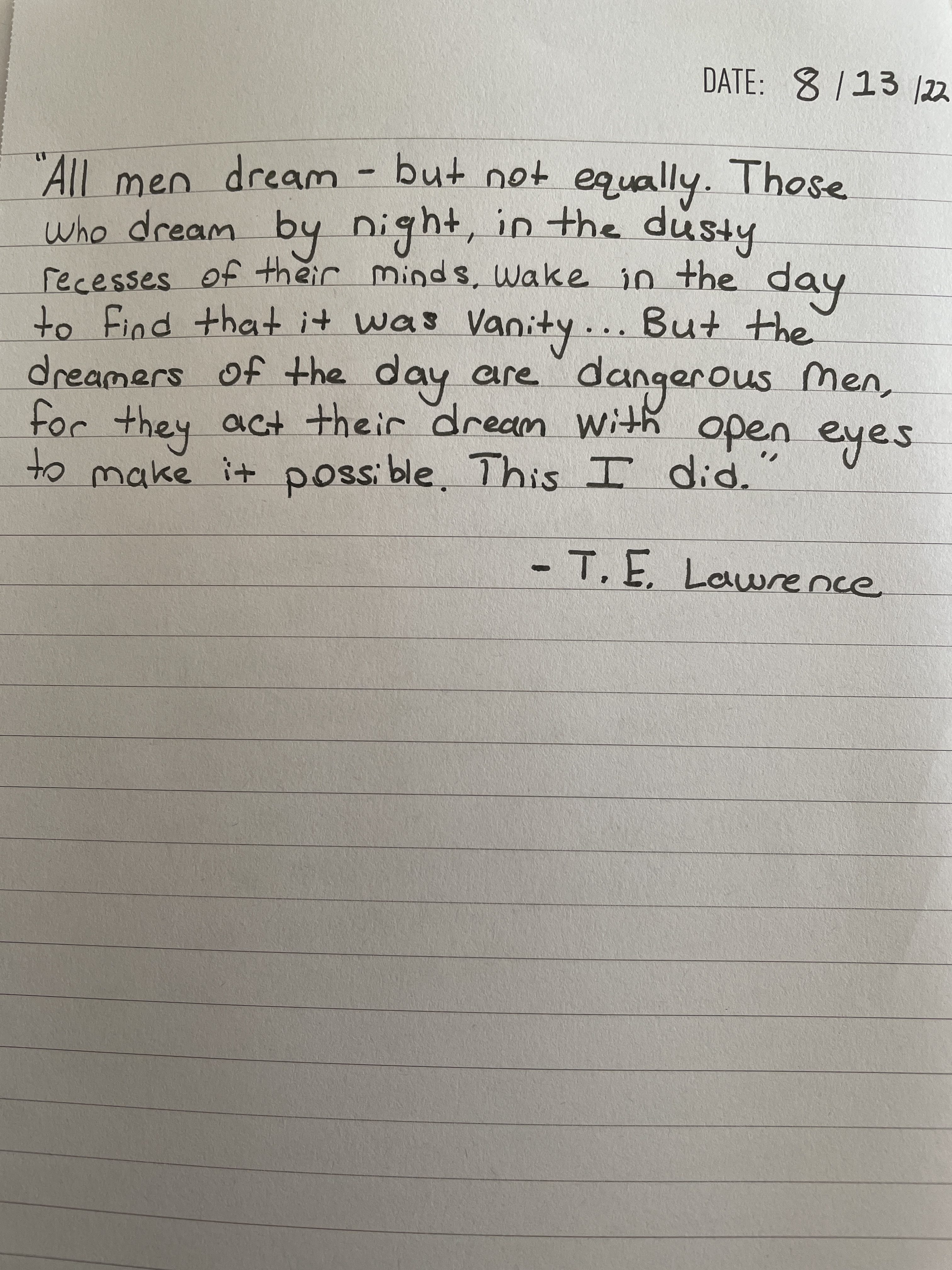

Ask people to share a selfie, and they’ll filter it. Ask them to share their handwriting, and suddenly you get the real director’s cut. No ring light. No edits. Just loops, slants, squiggles, and the occasional note that looks like it was written during a minor earthquake. That is exactly why handwriting still fascinates people. It feels personal in a way that typed text rarely does.
When someone says, “Hey Pandas, what does your handwriting look like?” they are not just asking whether you print or write in cursive. They are asking something more human: Are you neat? Rushed? Artistic? Left-handed and forever smudged? The owner of a tiny notebook filled with elegant lowercase letters? Or the proud creator of giant all-caps that look ready to announce a weather emergency?
Handwriting sits at the intersection of identity, habit, memory, and communication. It is part motor skill, part learned behavior, part style choice, and part survival technique. It changes with age, mood, tools, practice, and context. Your grocery-list handwriting may not look anything like your birthday-card handwriting, and that is perfectly normal. One version says, “I need eggs.” The other says, “I own a pen that deserves respect.”
So let’s talk about what handwriting really says, what it does not say, why people are still obsessed with it in the keyboard era, and why this old-school skill continues to matter. Spoiler: your handwriting may reveal a lot about your habits, but it is not a magical truth serum. If anyone tries to tell you your capital G proves you were a pirate in a past life, you are allowed to back away slowly.
Why People Are Still Obsessed With Handwriting
Handwriting matters because it feels unmistakably human. A typed sentence can be copied, reformatted, and flattened into the same clean font as everyone else’s. A handwritten sentence carries rhythm. It shows hesitation, speed, confidence, fatigue, and personal flair. Even when two people write the same words, the result rarely looks the same.
That uniqueness is a big reason people love posts, threads, and prompts about handwriting examples. It is visual, emotional, and oddly intimate. A handwritten thank-you note feels warmer than a typed one. A parent’s recipe card can become a family treasure. A grandparent’s signature on an old book can hit harder than any digital archive. Handwriting is not just text. It is text with fingerprints.
There is also curiosity involved. People want to compare. They want to know whether their script is unusually tiny, very slanted, aggressively bubbly, or suspiciously similar to a doctor writing during turbulence. They want to know if messy handwriting means creative genius, if neat handwriting means discipline, and if cursive automatically makes them mysterious. The answer, in most cases, is more boring and more interesting at the same time: handwriting reflects many influences, but not in the cartoonish, fortune-cookie way people often assume.
What Your Handwriting Can Reveal and What It Cannot
What handwriting can reveal
Your handwriting can absolutely reflect real-world factors. It can show how much you practice writing by hand, how quickly you move, what kind of pen you prefer, how comfortable you are with letter formation, and whether you care more about speed or neatness in a given moment. It can also reflect the writing system you learned in school, your fine-motor control, and whether you naturally mix print and cursive.
For children especially, handwriting is connected to growing fine-motor and visual-motor skills. That is one reason educators, pediatric specialists, and occupational therapists still pay attention to it. If a child struggles with spacing, letter size, line placement, or endurance, the issue may be less about laziness and more about development, coordination, visual processing, or simply needing more targeted practice.
Adults are not immune to handwriting variation either. Your writing may get sloppier when you are tired, faster when you are in a hurry, larger when you are writing on a whiteboard, and more polished when you are addressing an envelope you secretly hope someone keeps forever. Context matters. A lot.
What handwriting cannot reliably reveal
Now for the myth-busting portion of the program. Handwriting is not a scientifically reliable shortcut to decoding personality in the way pop graphology claims. A dramatic left slant does not automatically mean emotional turmoil. Tiny writing does not prove high intelligence. Wide loops do not certify that you are a free spirit who owns seventeen scented candles and avoids commitment.
That does not mean handwriting is meaningless. It means the strongest evidence supports handwriting as a motor, learning, and communication skill, not as a dependable personality x-ray. So yes, your handwriting says something. No, it does not legally qualify as a psychic reading.
Common Handwriting Styles People Love to Share
If you asked a crowd to post samples of their handwriting, you would quickly see a few familiar categories.
The neat print perfectionist
This handwriting looks like it respects margins, alphabet charts, and possibly matching storage bins. Letters are evenly spaced, the baseline is steady, and every word seems determined to be understood. This style often shows up in bullet journals, planners, and lecture notes people actually revisit on purpose.
The print-cursive hybrid
This is probably the reigning champion of adult handwriting styles. Some letters are printed, others flow together, and nobody can quite explain why the lowercase “r” is one thing in one word and a completely different creature in the next. Hybrid writing is common because it is fast, familiar, and flexible.
The tiny notebook script
Small handwriting can look elegant, efficient, and mildly intimidating. It suggests the writer knows how to fit an alarming amount of information into a very small space. These people can make half a page do the work of three.
The big, bold handwriting
Large letters are expressive and easy to read from across the table. This style often appears in greeting cards, brainstorm sessions, and notes written by people who would rather be understood than admired for microscopic precision.
The all-caps communicator
All caps can feel architectural. Clean. Direct. Sometimes it looks like a blueprint; sometimes it looks like a polite emergency. People often use all caps because it feels more legible and consistent, especially when cursive was never their best friend.
The gloriously messy speed-writer
Every classroom, office, and family has one. This writer is not here to decorate the page. They are here to catch ideas before the ideas run away. Their notes may look chaotic to outsiders, but somehow they can read every word. Usually.
Why Handwriting Still Matters in a Digital World
We type all day. We text. We email. We let autocorrect make dangerous assumptions. Still, handwriting has not become irrelevant. In fact, it keeps proving that it belongs in the room.
Handwriting supports learning
Research on note-taking and learning has helped keep handwriting in the conversation. Writing by hand tends to slow people down just enough that they process ideas differently. Instead of trying to capture every word, they often summarize, translate, and organize information in their own language. That extra mental effort can be useful for learning and memory.
This does not mean typing is bad. Laptops are incredibly useful, and many students and professionals need digital tools for speed, accessibility, organization, or accommodation. But it does mean handwriting still has cognitive value. Pens are not obsolete; they are just less loud about it.
Handwriting supports early development
For children, handwriting is not only about producing readable letters. It is tied to fine-motor skills, hand strength, visual-motor integration, planning, and stamina. Practicing lines, shapes, tracing, drawing, and letter formation can help build foundational skills that support writing more broadly.
Handwriting gives communication a personal touch
There is also the emotional side. A handwritten note feels intentional because it is. Someone had to stop, find paper, choose a pen, and physically write those words. That effort has social value. It says, “I was here, and I took a minute for this.” In a world drowning in instant messages, that still lands.
What Affects the Way Your Handwriting Looks?
If your handwriting has ever changed over time, welcome to the club. That is normal. Several things shape the way writing appears on the page:
- Early instruction: The style you were taught in school often leaves a lasting imprint.
- Practice: The more you write by hand, the more stable and automatic your style tends to become.
- Speed: Faster writing usually sacrifices neatness. Your to-do-list handwriting knows this well.
- Writing tools: Gel pens, pencils, markers, and fine-liners all change how letters feel and look.
- Grip and posture: Comfort, positioning, and hand fatigue can affect control and endurance.
- Visual-motor skills: Spacing, alignment, and line placement depend on more than just effort.
- Purpose: Quick notes, forms, journals, cards, and signatures all invite different styles.
That is why handwriting is best understood as a living habit, not a fixed label. It evolves. College notes may look different from middle-school worksheets. Your work notebook may look different from your travel journal. And your signature may look like it belongs to a celebrity who signs autographs while boarding a moving train. Life is full of contrast.
How to Improve Handwriting Without Losing Your Personality
If you want better handwriting, the good news is that improvement does not require turning your notes into wedding-calligraphy samples. The goal is not to become someone else. The goal is to become more readable, more comfortable, and more consistent.
Slow down just a little
Speed is the sworn enemy of legibility. You do not need to write in slow motion, but easing up for even a few minutes a day can help retrain letter formation and spacing.
Pick one style and stick with it for practice
If your handwriting looks like print and cursive got into a mild argument, choose one style for drills. Consistency helps build muscle memory.
Use the right tools
Some people write better with a slightly thicker pen, others with a pencil that glides less. A smoother tool is not automatically better. The best choice is the one that gives you control without making your hand feel like it just completed a push-up challenge.
Practice spacing and size
Often, messy handwriting is not about ugly letters. It is about crowding. Focusing on even spacing between letters and words can improve readability faster than obsessing over perfect loops.
Build strength and comfort
For kids and adults alike, comfort matters. Activities that support hand strength, dexterity, and control can make writing feel easier. If handwriting is persistently difficult, support tools or professional guidance may be more helpful than endless “try harder” speeches from the universe.
Use accommodations when needed
Better handwriting is a worthy goal, but readability and communication matter most. For some people, typed notes, speech-to-text, graphic organizers, extra time, or pencil-grip adjustments are not shortcuts. They are smart tools. There is no trophy for suffering through illegible notes when better options exist.
So… What Does Your Handwriting Look Like?
Maybe it is clean and narrow. Maybe it leans right. Maybe it is half print, half cursive, and one hundred percent impossible to explain. Maybe your shopping list looks like a crime scene, but your holiday cards look like they were written by a calm woodland librarian. All of that counts.
The best part of sharing handwriting is not ranking whose is prettiest. It is noticing how individual it is. Handwriting can be tidy, chaotic, soft, blocky, dramatic, compressed, airy, careful, or fast. It can reflect practice, personality in a broad everyday sense, and years of tiny habits layered on top of one another. What it cannot do is sum up your entire identity in three pen strokes and a suspiciously judgmental capital Y.
So the next time someone asks, “Hey Pandas, what does your handwriting look like?” do not panic if your answer is “somewhere between elegant and medically concerning.” That still counts as a style. And honestly, it might be the most relatable handwriting description of all.
Handwriting Experiences People Instantly Recognize
One of the funniest things about handwriting is how many people have a story attached to it. Ask around, and you will hear memories that are weirdly specific. Someone will say they spent years trying to make their handwriting look exactly like the “perfect notes” kid in class, only to realize their natural writing always drifted back into fast little hooks and half-finished loops. Another person will admit they write beautifully for the first three lines of a journal page and then gradually devolve into a script that looks like they were chased by deadlines.
Plenty of people remember the era of handwriting shame. The teacher who circled messy letters. The parent who said, “Slow down and write clearly,” for the nine-thousandth time. The moment you realized your best friend’s notebook looked like a font and yours looked like a dramatic weather map. Yet a lot of adults eventually make peace with their handwriting. They stop treating it like a contest and start seeing it as a record of how they move through the world.
There is also the emotional side of seeing handwriting from people you love. A scribbled lunch note from a parent. A holiday card from a grandparent. A recipe card with flour stains and slightly tilted ingredient lists. A postcard from a friend with cramped lines squeezed into every blank space because stamps are expensive and stories are long. Handwriting often survives as memory because it feels embodied. You can almost picture the hand moving across the page.
Then there is the universal experience of having multiple handwritings depending on the situation. Work handwriting. School handwriting. Form-filling handwriting. Signature handwriting. The ultra-neat handwriting used when someone attractive might see the page. The terrifyingly rushed handwriting used during phone calls when you are trying to write down an address, a delivery code, and a random instruction about “the side gate by the blue bin.” Suddenly your letters become interpretive dance.
Some people go through a cursive revival phase and buy a fancy pen, convinced this is the start of a new elegant life. For two weeks, they practice loops, improve their lowercase “g,” and write as if they are about to sign a peace treaty. Then real life returns, and they are back to practical hybrid writing. Still, those two weeks were glorious.
And of course, almost everyone has had the classic experience of not being able to read their own handwriting later. That may be the most democratic handwriting experience of all. In the moment, the note makes perfect sense. Three days later, it appears to say, “Call lamp before Thursday.” Was it “Liam”? Was it “bank”? Was there ever a lamp? We may never know.
That is why prompts about handwriting are so much fun. They are not just about penmanship. They are about memory, embarrassment, self-expression, school habits, family keepsakes, and the strange little truth that every person leaves behind a visual trace, even in ordinary words. Handwriting is imperfect, stubborn, and deeply human. Which, frankly, is probably why people love it so much.
Conclusion
Handwriting is more than a school skill and more than a nostalgic relic. It is a living form of expression shaped by learning, habit, movement, and context. It can support memory, reflect motor development, and add a deeply personal touch to communication. At the same time, it should not be treated like a mystical decoder ring for personality. The real beauty of handwriting is simpler than that: it is yours. Whether your letters are elegant, chaotic, bold, tiny, or charmingly inconsistent, they tell the story of how you put thoughts into the world by hand.