
Super glue is amazing right up until it decides your fingernail is now part of the project. One second you are fixing a broken mug handle like a capable adult, and the next second your thumb is wearing a shiny crust of regret. The good news is that removing super glue from nails is usually very doable at home. The better news is that you do not need to panic, yank, scrape like a pirate, or sacrifice your manicure to the household gods.
If you want to remove super glue from nails safely, the best approach is to go from gentle to stronger methods. Start with warm soapy water, move to oil or petroleum jelly if the glue is still clinging like a needy ex, and use acetone for stubborn residue. That order matters. It protects your nails, helps you avoid irritated skin, and keeps a small glue mishap from turning into a dramatic hand-based tragedy.
In this guide, we will walk through the three best ways to remove super glue from nails, explain when each method works best, and show you how to avoid making the problem worse. We will also cover aftercare, common mistakes, and real-life experiences that make this whole sticky situation feel a lot less personal.
Why Super Glue Gets So Stubborn on Nails
Super glue, also called cyanoacrylate glue, bonds fast. Really fast. It loves moisture, textured surfaces, and tiny crevices, which means your natural nails are basically rolling out a welcome mat. If the glue lands on the nail plate or around the cuticle, it can harden before you even finish saying, “Well, that is probably not ideal.”
The biggest mistake people make is trying to peel or pry the glue off right away. That can take the top layers of the nail with it, irritate the skin, or leave the cuticle looking like it lost a fight with a stapler. A safer strategy is to soften the glue first, then gently work it away.
Before You Start: What Not to Do
Before we get to the best ways to remove super glue from nails, here is the short list of things that deserve a firm “absolutely not.” Do not rip the glue off. Do not use knives, razors, or sharp metal tools. Do not scrub like you are sanding a deck. And do not pour acetone over broken skin, hangnails, or fresh cuts unless you enjoy turning a mild inconvenience into a dramatic life lesson.
If your fingers are glued together, do not force them apart. If glue got into your eye or mouth, skip the home-remedy Olympics and get medical help right away. Also, if the nail is already cracked, lifted, bleeding, or painfully irritated, treat the area gently and get professional advice instead of trying every hack from the internet in one glorious afternoon.
1. Warm Soapy Water Soak
Best for fresh glue, thin residue, or sensitive nails
If the glue spill is recent or the layer is not too thick, warm soapy water is the gentlest and smartest place to start. This method works by softening the glue and loosening its grip without drying out your nails. It is also a good first move if your nails are already brittle, peeling, or recovering from acrylics, gels, or press-ons.
How to do it
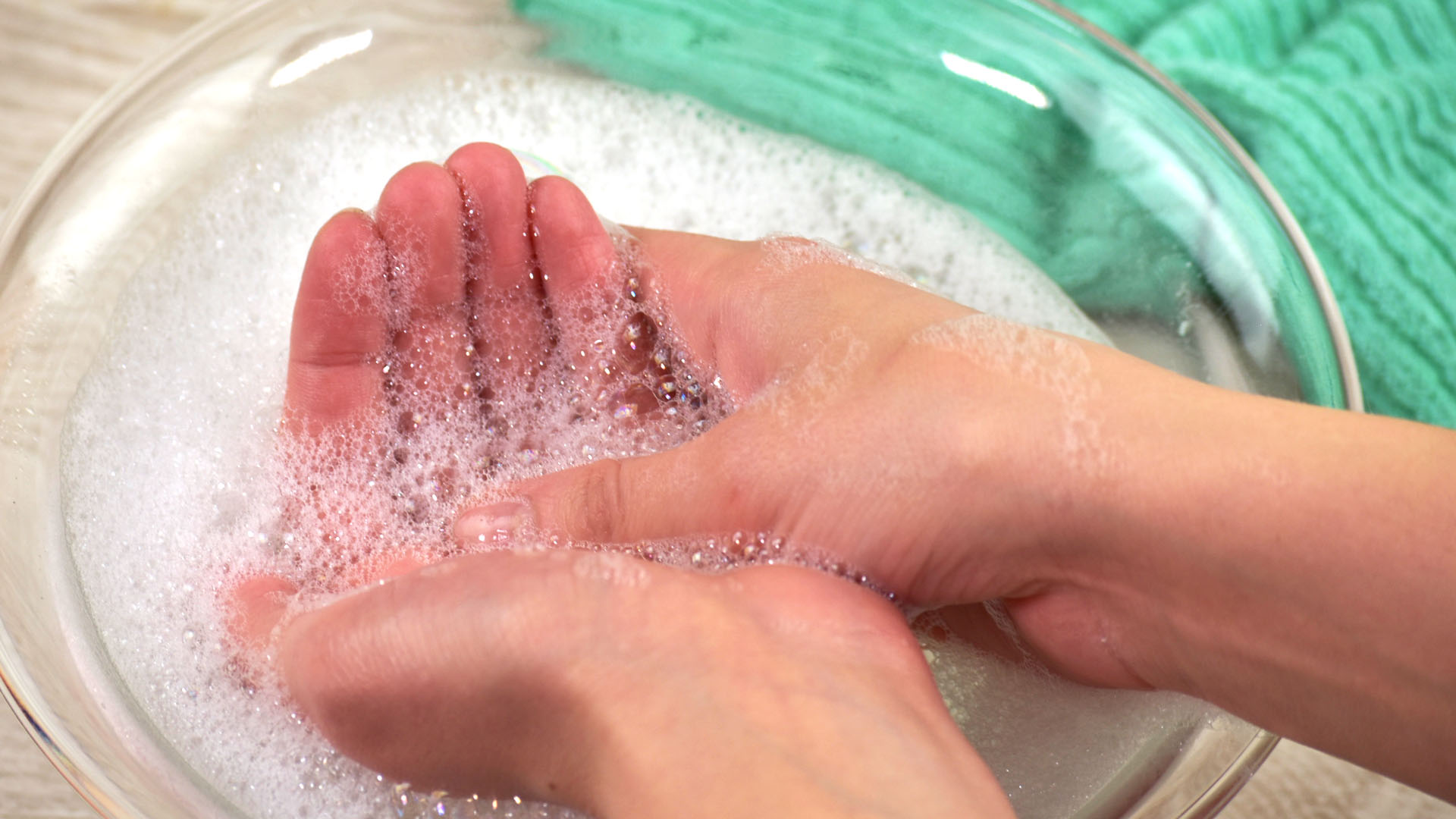
Fill a bowl with warm water and add a generous squirt of hand soap or dish soap. The water should feel comfortably warm, not scalding. Soak the affected nails for 10 to 15 minutes. If the glue is on the surrounding skin too, keep that area submerged as well.
After soaking, use a soft washcloth, a clean toothbrush, or your thumbnail to gently rub at the softened glue. You are not trying to win a speed contest here. Slow, repeated soaking is usually better than one aggressive attempt. If the glue starts to lift, keep working patiently. If it barely budges, move on to method number two.
Why this method works
Warm soapy water is ideal because it helps loosen the bond without stripping oils from the nail plate. It is especially useful when the glue is mostly on top of the nail rather than wedged under the free edge. It is also a smart first step before acetone because it may remove enough glue that you need much less solvent later.
Pros
Gentle, inexpensive, easy, and low-risk for most people.
Cons
It can be slow, and it may not fully remove thick or fully cured super glue.
2. Oil or Petroleum Jelly Method
Best for glue near the cuticle or on surrounding skin
If warm water did not do the trick, the next best way to remove super glue from nails is to bring in something slippery. Cuticle oil, mineral oil, coconut oil, olive oil, or petroleum jelly can all help loosen the bond and reduce friction while you work the glue off. This method is especially helpful when glue has spread around the nail folds, sidewalls, or cuticle area.
How to do it
Dry the nail after soaking. Then apply a small amount of oil or petroleum jelly directly over the glue and around the edges. Massage it in for a minute or two. Let it sit for another five minutes so it has time to work its way underneath the hardened glue.
Next, gently rub the area with a soft toothbrush, washcloth, cotton pad, or cuticle stick. If the glue is lifting in tiny flakes, that is a good sign. Reapply the oil and repeat rather than forcing the stubborn pieces off. This method may take a few rounds, but it is much kinder to your nails than scraping.
Why this method works
Oil and petroleum jelly help reduce the glue’s grip while cushioning the nail and surrounding skin. They are also great follow-up products after any glue removal session because nails tend to feel dry and rough afterward. Think of oil as both the problem-solver and the peace treaty.
Pros
Gentle on skin, helpful around cuticles, and good for nail aftercare.
Cons
Usually not strong enough to remove a thick layer of cured glue from the entire nail by itself.
3. Acetone Method
Best for dried, stubborn super glue on the nail plate
If the glue is fully hardened and acting like it signed a lease, acetone is your best bet. This is the strongest and fastest home method for removing super glue from nails. Acetone breaks down cyanoacrylate effectively, which is why it is the go-to solution for both nail glue mishaps and old press-on residue.
How to do it
First, protect the skin around the nail with a thin layer of petroleum jelly. This helps reduce irritation, especially if your cuticles are already dry. Then choose one of these two approaches:
Option one: Soak a cotton ball or cotton pad in acetone or acetone-based nail polish remover, place it on the glued nail, and hold it there for several minutes.
Option two: Wrap the acetone-soaked cotton on the nail with foil or plastic wrap to keep it in place and slow evaporation. Leave it on for about 10 minutes, then check the glue.
Once the glue softens, use a wooden cuticle stick or soft cloth to gently nudge it away. If it flakes off easily, great. If not, repeat the process. Do not dig, pry, or scrape hard enough to peel layers from your natural nail.
Important acetone rules
Acetone works, but it is not exactly a spa day for your hands. It can dry the nail plate, irritate surrounding skin, and sting if it touches a cut, hangnail, or raw area. Use the smallest amount you need. Keep it mostly on the nail, not all over your fingers. Afterward, wash your hands with gentle soap and apply hand cream, cuticle oil, or petroleum jelly.
If you have acrylic nails, a gel manicure, or press-ons, acetone can also affect those products. That may be useful if the glue is part of an artificial nail situation, but it is something to keep in mind before you accidentally remove more than you planned.
Pros
Fast, effective, and the best option for cured glue on the nail.
Cons
Drying, potentially irritating, and not ideal for broken skin or overuse.
How to Remove Glue Under the Nail
Glue under the free edge of the nail is extra annoying because it is harder to reach and easier to poke aggressively. Resist that urge. Start with a warm soak, then use a cotton swab dipped in acetone to target the underside carefully. A pointed cotton swab or small detailing swab can help you get close without flooding the entire fingertip.
Once the glue begins to soften, use a wooden manicure stick very gently to coax it loose. If it does not move easily, stop and repeat the soak. This is one of those situations where patience saves your natural nail from filing a formal complaint.
Aftercare: Make Your Nails Less Angry
Even when you remove super glue from nails the right way, your nails may feel dry, chalky, or slightly rough afterward. That is normal, especially if acetone was involved. The fix is simple: moisturize like you mean it.
Apply cuticle oil or a rich hand cream after washing your hands. Reapply a few times that day. If your nails feel thin or stressed, skip polish, glue, press-ons, and aggressive filing for a day or two. Think of it as a brief vacation for your nail plate. It has been through enough.
You can also lightly buff only if needed, and only after the glue is gone. The goal is to smooth leftover texture, not file away evidence like a detective in a bad TV drama.
When You Should Not DIY It
Home removal is usually fine for minor glue accidents, but there are times to stop and get help. See a medical professional if the glue is in your eye, on your lips, inside your mouth, or on skin that is bleeding, blistered, burned, or severely irritated. Also get help if there is swelling, increasing redness, signs of infection, significant pain, or if a nail is partly torn off.
If a child gets super glue on their skin or face, treat it seriously and contact medical help or poison control. Sticky situations are funny until they are not.
Quick Comparison: Which Method Is Best?
Choose warm soapy water if:
You want the gentlest option, the glue is fresh, or your nails are already weak.
Choose oil or petroleum jelly if:
The glue is around the cuticles or skin and you need something softer and more moisturizing.
Choose acetone if:
The glue is dry, thick, stubborn, and sitting mostly on the nail plate.
Final Thoughts
The best way to remove super glue from nails is not with brute force. It is with patience, the right order of methods, and a little kindness toward your cuticles. Start with warm soapy water, move to oil or petroleum jelly, and use acetone when the glue refuses to cooperate. In most cases, that combination gets the job done without turning your nail into a peeling, irritated mess.
So yes, super glue may be strong. But your ability to handle a sticky disaster with calm competence and a bowl of warm water is stronger. Barely more glamorous, perhaps, but definitely more useful.
Experience Corner: What This Looks Like in Real Life
Let’s be honest: most people do not search for “3 best ways to remove super glue from nails” because they are having a peaceful, organized afternoon. They search it because something went sideways. Usually fast. Usually while saying, “I only needed one tiny drop.” Real-life glue accidents have a pattern, and knowing that pattern actually helps you stay calm.
One of the most common experiences is the quick DIY repair gone wrong. Someone is fixing a broken mug, toy, picture frame, or loose shoe sole. The glue bottle clogs, the person squeezes harder, and suddenly the glue shoots out like it has a personal vendetta. It lands on the thumbnail, along the cuticle, and maybe on one innocent neighboring finger that was simply in the wrong place at the wrong time. The first instinct is to wipe it off fast, but by then it has already started to harden. That is where warm soapy water saves the day. People are often surprised by how much easier removal becomes once they stop panicking and start soaking.
Another very common scenario involves press-on nails. A lot of people assume nail glue and super glue are basically cousins with slightly different wardrobes, so they use too much adhesive. Then the glue spreads out from under the press-on and dries on the skin around the nail. In that case, oil or petroleum jelly often feels like a miracle because it softens the crusty edge without roughing up the skin. Many people say the biggest lesson is that less glue really is more. Apparently, nails do not need to be attached with the structural integrity of a suspension bridge.
Then there is the acetone moment. This usually happens after the first two methods made progress but did not fully finish the job. Someone finally tries acetone on a cotton pad, wraps the nail, waits ten minutes, and watches the glue lift like it has remembered another appointment. It works beautifully, but nearly everyone notices the same side effect afterward: dry, chalky nails and cuticles that suddenly look as though they have crossed a desert. That is why aftercare matters so much. Hand cream and cuticle oil are not extra credit. They are part of the rescue mission.
People also learn, usually the hard way, that picking at half-softened glue is a terrible idea. It feels tempting because one edge is lifting and your brain says, “We can take it from here.” Your nail says otherwise. Peeling can strip the top layer of the natural nail, leaving a rough patch that catches on everything for days. The better experience, even if it feels slower, is to repeat the soak and let the glue release on its own schedule.
The big takeaway from real-life experience is simple: the safest method usually feels annoyingly patient. But patient wins. Every time. And that is far better than turning one tiny glue mistake into a week-long reminder every time you button jeans, wash dishes, or text with your thumb.