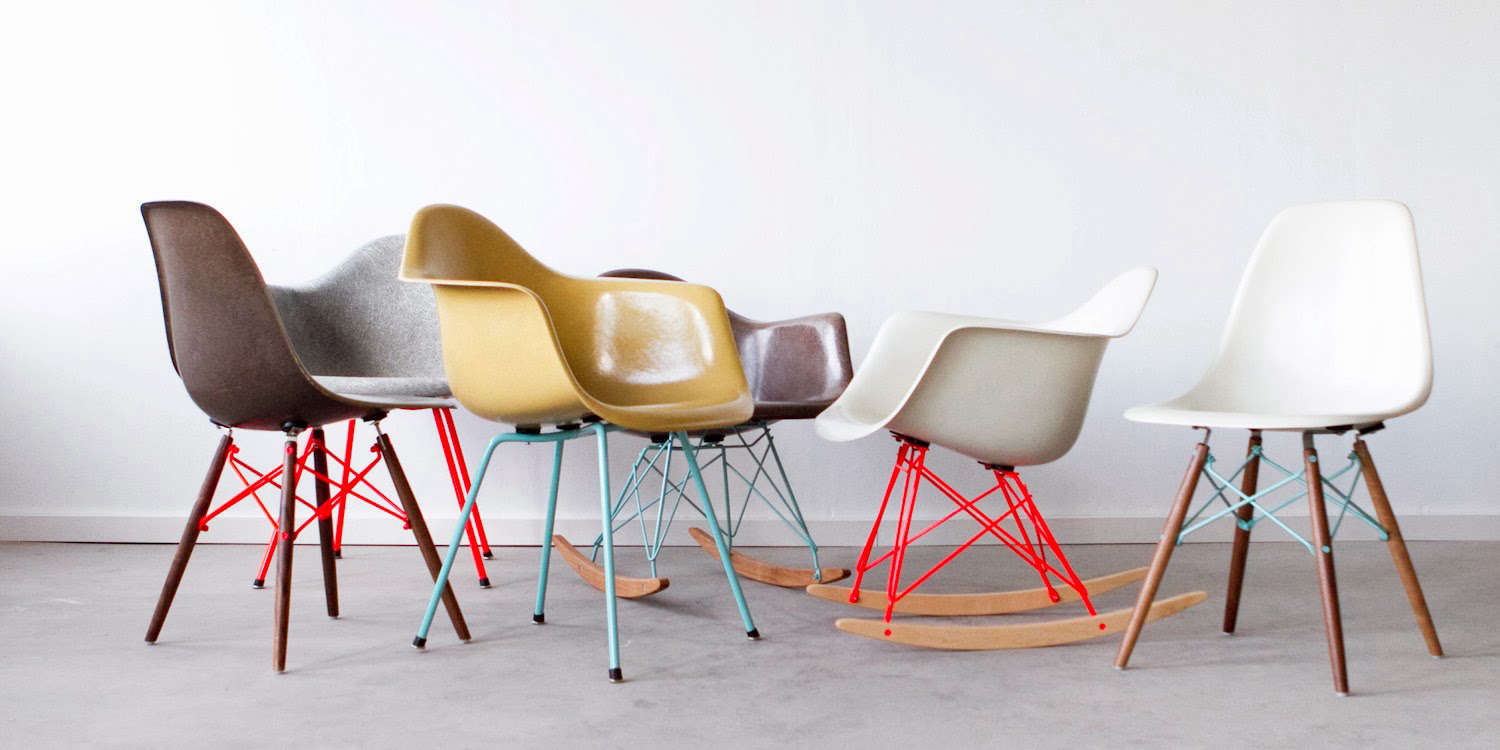

Some furniture walks into a room quietly. Other furniture kicks open the door wearing fluorescent red boots and somehow still looks elegant. That second category is where Cast + Crew in Marfa made its name: vintage midcentury furniture reimagined with color, confidence, and a West Texas wink.
The phrase “modified modern” fits the brand beautifully. Cast + Crew did not treat midcentury design like a fragile museum artifact that must never be touched. Instead, the studio approached iconic silhouettesespecially Eames-style shell chairs, rockers, wire bases, and hoop-chair formsas living objects. They could be restored, powder-coated, refreshed, and sent back into the world with a new personality. Not a costume. Not a gimmick. More like giving a classic jazz record a desert-sunset remix.
Based in Marfa, Texas, Cast + Crew connected two design languages that already had plenty to say to each other: the clean, functional optimism of midcentury modern furniture and the stark, art-heavy, desert-minimalist atmosphere of Marfa. The result was furniture that felt both familiar and unexpectedrecognizable shapes with brighter edges, vintage bones with contemporary swagger.
Why Marfa Is the Perfect Backdrop for Modified Modern Furniture
Marfa is not just a location; it is practically a design mood board with a zip code. The small West Texas town became internationally known through the work of minimalist artist Donald Judd, whose vision connected art, architecture, land, and light. At the Chinati Foundation, founded by Judd, large-scale works live in direct conversation with the desert landscape. That relationship between object and place is important. In Marfa, a chair is rarely just a chair. It sits under huge skies, beside adobe walls, near concrete forms, and inside rooms where shadows deserve their own fan club.
This matters because Cast + Crew’s reimagined midcentury furniture does not feel like generic retro décor. The pieces seem shaped by their environment. A fluorescent red rocker base suddenly makes sense against a bleached wall. A turquoise Eiffel base feels at home near dusty pink stucco and desert plants. A yellow chair does not scream; it sunbathes.
Midcentury modern furniture has always loved strong silhouettes. Marfa loves visual restraint with sudden moments of surprise. Put the two together, and you get a design formula that is simple but powerful: clean line plus bold color plus open space equals instant character.
Who Is Cast + Crew?
Cast + Crew was founded by Jennifer Creager and Cody Barber, described in early coverage as desert dwellers with a knack for photography and design. The brand began with a storefront operation in Marfa and became known for reimagined vintage midcentury furniture, especially restored Eames shell chairs and rockers with custom powder-coated bases.
The Cast + Crew universe also included playful décor objects and regional motifs, such as the lucky pony shoe, along with modern takes on the midcentury hoop chair. The brand’s own “roots” page notes that Cast & Crew was conceived in 2011 and began sales later that same year. That origin story feels fitting: part design studio, part desert dispatch, part “we found this old chair and gave it a second life with better shoes.”
At its best, Cast + Crew’s work demonstrates a principle that many design lovers understand but few execute well: restoration does not have to mean imitation. A vintage piece can honor its original form while still admitting that time has passed, colors have changed, and homes today are not 1950s catalog sets. Thank goodness. Nobody needs that much avocado laminate unless guacamole is involved.
The Midcentury Foundation: Why These Shapes Still Work
Midcentury modern furniture remains popular because it solves real problems with visual grace. The movement favored clean lines, organic forms, functional comfort, and materials that felt modern for their time, including molded plywood, fiberglass, plastic, wire, and steel. Designers such as Charles and Ray Eames, Eero Saarinen, George Nelson, Florence Knoll, and Isamu Noguchi helped turn practical furniture into sculptural everyday objects.
The Eames shell chair is a perfect example. Its curved seat is simple enough to work in a dining room, office, nursery, gallery, or breakfast corner where someone claims they will “just answer one email” and then disappears for forty-five minutes. The genius is adaptability. The same shell can pair with different bases, changing the chair’s personality without destroying the original idea.
That flexibility is exactly what makes Cast + Crew’s modified modern approach so appealing. The studio did not need to reinvent the chair from zero. The form was already strong. The magic came from careful editing: new finishes, powder-coated bases, bright colors, and detail work that transformed a familiar object into something more personal.
Powder-Coated Color: The Small Change That Changes Everything
One of Cast + Crew’s most recognizable moves was the powder-coated base. In design terms, this is a clever intervention because the chair’s structure remains intact while its visual temperature changes completely. A rocker base in a standard finish may read classic, quiet, even polite. Coat that base in fluorescent red, and suddenly the chair has opinions.
Remodelista highlighted a customized Eames RAR rocking chair with a powder-coated base in “Marfa fluorescent red,” along with Eames chairs featuring yellow Eiffel bases, orange legs, and turquoise rocker bases. These colors were not random confetti. They worked because the midcentury shell chair is already visually balanced. Add a sharp color to the base, and the object becomes fresh without becoming chaotic.
That is the real discipline behind modified modern furniture. Anyone can make an old chair loud. It takes taste to make it lively.
Why Powder Coating Works So Well
Powder coating gives metal a durable, smooth, saturated finish. For furniture with wire or steel bases, it can feel cleaner and more architectural than ordinary paint. It also gives designers access to a bolder color vocabulary. Instead of hiding the base, Cast + Crew made it part of the composition. The legs became a drawing in space: red lines, yellow angles, turquoise curves, all supporting the familiar molded shell above.
This creates a useful lesson for homeowners and interior designers. If a room feels flat, you may not need a total redesign. Sometimes one confident detaila colored chair base, a vivid lamp, a playful side tablecan wake up the entire space. Think of it as espresso for your living room.
Reimagining Vintage Without Losing the Soul
The best vintage restoration respects three things: form, function, and story. Form means the piece still looks balanced. Function means it remains comfortable, stable, and usable. Story means the object’s age is not erased completely. A restored midcentury chair should not feel like it was manufactured yesterday by a robot with a Pinterest account.
Cast + Crew’s work succeeded because it kept the recognizable midcentury character intact. The shells, rockers, hoop shapes, and wire structures remained central. The modifications added a layer of contemporary expression rather than burying the original design. That distinction matters. Reimagining is not the same as overdecorating. The goal is not to glue personality onto a chair until it files a complaint.
In a world of fast furniture, this approach also feels refreshingly sustainable. Restoring and updating vintage pieces extends their life and reduces the need to buy newly manufactured items. It also gives homeowners something increasingly rare: furniture with a point of view. A restored chair with a custom finish says, “I chose this.” A flat-pack chair often says, “I came with an Allen wrench and a mild headache.”
How Cast + Crew Fits Into the Marfa Design Scene
Marfa’s design culture is unusual because it balances high art, desert pragmatism, ranch-town history, and boutique creativity. The town is known for the Chinati Foundation, Judd Foundation, Ballroom Marfa, Prada Marfa, independent galleries, design shops, and carefully curated spaces that attract artists, architects, collectors, photographers, and curious travelers.
Cast + Crew fit naturally into that ecosystem. The brand’s furniture was not slick in the big-city showroom sense. It had the feel of discovery: an old shell chair found, understood, cleaned up, modified, and placed back into circulation. In Marfa, where old buildings, art installations, and wide-open land constantly reshape how objects are seen, that kind of design makes emotional sense.
There is also a subtle Western humor in the work. A “lucky pony shoe” reinterpreted as a modern décor object does not take itself too seriously, but it still understands shape, symbol, and place. That balancesmart but not stiffis difficult to fake. Cast + Crew’s pieces feel like they belong in a room where someone owns both an art monograph and dusty boots.
Design Lessons from Cast + Crew’s Modified Modern Style
1. Let One Piece Be the Conversation Starter
A bright midcentury rocker does not need six other bright pieces shouting beside it. Give it breathing room. Place it against a white wall, beside a neutral sofa, or near natural wood. The color will carry the moment without turning the room into a traffic signal convention.
2. Mix Vintage and New Without Apologizing
Modern interiors are more interesting when they are layered. A restored Eames-style shell chair can sit beside a contemporary table, a handwoven rug, or a simple linen curtain. The trick is to repeat at least one elementline, color, material, or moodso the mix feels intentional.
3. Use Color Where Structure Already Exists
Chair legs, rocker bases, lamp arms, and shelving brackets are underrated places for color. Because these parts already have strong geometry, a bold finish looks crisp instead of messy. Cast + Crew understood this beautifully. The base became the accent.
4. Keep the Silhouette Clean
Modified modern furniture works best when the original silhouette remains readable. If you are restoring a midcentury piece, avoid burying it in heavy upholstery, excessive trim, or trendy finishes that will feel dated faster than a viral dance. Let the bones show.
5. Respect Patina, But Repair What Matters
Vintage charm is wonderful. Wobbly legs are not charm; they are a future accident practicing in advance. Keep age where it adds character, but repair structural issues properly. A beautiful chair should not require a legal waiver before sitting.
Why Reimagined Midcentury Furniture Still Feels Fresh
Midcentury modern design has been popular for decades, which raises a fair question: how can it still feel fresh? The answer is adaptation. The forms are strong enough to survive reinterpretation. New materials, updated colors, sustainable restoration methods, and personal customization keep the style from becoming a museum loop.
Even major design brands continue to revisit classic midcentury pieces. Herman Miller’s collaboration with HAY, for example, introduced new color palettes and updated materials to familiar Eames designs, proving that modern classics can evolve without losing their identity. Cast + Crew’s work sits in that same broader conversation, although with a more independent, desert-born personality.
The appeal is emotional as much as aesthetic. Reimagined vintage furniture gives people the pleasure of owning something with history and the satisfaction of making it feel personal. It is not nostalgia for nostalgia’s sake. It is a practical kind of affection: keep the good shape, fix what needs fixing, add a little color, and let the object live another chapter.
Where This Style Works Best at Home
A modified midcentury chair can work almost anywhere, but it shines in spaces that need a focal point. In a living room, a brightly based rocker can soften a strict modern sofa. In a nursery, it adds charm without slipping into cartoon sweetness. In a home office, it brings energy to a corner that might otherwise be dominated by cables, calendars, and the quiet despair of unread email.
Dining rooms are another natural fit. A set of shell chairs with colorful bases can make a simple table feel designed rather than assembled. For smaller apartments, one accent chair may be enough. In a larger home, a pair of restored rockers can create symmetry without feeling formal.
The Marfa-inspired version of this style pairs especially well with white plaster, concrete floors, warm wood, leather, canvas, terracotta, woven textiles, black metal, and desert colors such as rust, sand, ochre, sky blue, and sun-faded pink. Add a plant with sculptural leaves, and suddenly your room looks like it has better weekend plans than you do.
The Collector’s Eye: What to Look For
If you are hunting for reimagined midcentury furniture, start with structure. Look for solid frames, stable bases, and shells without major cracks or compromised mounting points. Cosmetic wear can often be restored, but structural damage is more serious. Next, consider proportion. Midcentury pieces tend to be visually light, so modifications should not make them feel clunky.
Also pay attention to the quality of the finish. A good powder-coated base should look even, smooth, and intentional. Hardware matters, too. Cast + Crew’s attention to details, such as coating small fasteners to match the base, is a reminder that the little things are not little when they are holding the whole look together.
Finally, ask whether the piece still feels usable. Design is not only for admiring from across the room while whispering, “very nice.” A chair should invite someone to sit. A table should hold a cup. A rocker should rock. Function is not the enemy of beauty; in midcentury design, it is the backbone.
Experience: Living With Modified Modern Furniture in a Real Room
The first thing you notice about reimagined midcentury furniture is how quickly it changes the energy of a room. A standard vintage chair may add warmth and credibility, but a modified modern piece adds a pulse. It becomes the thing guests notice before they notice that you panic-cleaned by pushing everything into one closet. No judgment. Closets are the unsung heroes of hospitality.
Imagine placing a restored shell rocker with a fluorescent red base in a quiet reading corner. The wall is white, the floor is concrete or pale wood, and the side table is simple enough to mind its own business. Suddenly the chair becomes more than seating. It creates a destination. You do not simply sit there; you “take a moment,” preferably with coffee, a magazine, and a facial expression that suggests you understand architecture.
In a dining area, colorful Eiffel-base chairs can make even a basic table feel collected. The best part is that the room does not need to become fully retro. In fact, modified modern furniture often works better when the surrounding space is restrained. A vintage shell chair with yellow legs beside a contemporary oak table feels lively. Four of them under a loud patterned wallpaper, next to a neon rug and twelve novelty objects, may begin to feel like the room is trying to win a talent show.
The style is also practical for people who want personality without clutter. Many homes suffer from too many decorative objects and not enough strong functional pieces. A reimagined midcentury chair solves that problem because it is both useful and expressive. You do not need another tiny sculpture shaped like an abstract pear if the chair itself is already doing visual work.
Another experience worth noting is how these pieces age emotionally. New furniture can be beautiful, but it often enters a home blank. Restored vintage furniture arrives with a sense of previous life. Add a new finish or color, and it becomes part past, part present. That combination makes a room feel less staged. It suggests the owner has taste, patience, and possibly a favorite salvage source they refuse to reveal under any circumstances.
For families, modified modern pieces can also be surprisingly approachable. A powder-coated base is visually crisp, but the overall design still feels casual. A rocker invites use. A hoop chair suggests lounging. A shell chair can move from desk to dining table to bedroom corner without requiring a committee meeting. This flexibility is one reason midcentury forms have lasted so long. They adapt to life rather than demanding that life dress more formally.
There is also a mood benefit. Color used in a structural way feels more grown-up than color scattered randomly through accessories. A red chair base or turquoise rocker can make a room feel optimistic without becoming childish. It is cheerful, but disciplined. Fun, but edited. Like a person who owns excellent sunglasses and still pays bills on time.
The Marfa connection adds one more layer. Even if your home is nowhere near West Texas, the modified modern approach can bring in a little of that desert clarity: fewer objects, stronger shapes, honest materials, and one or two moments of bright surprise. You do not have to recreate Marfa literally. Please do not pour sand in your living room for authenticity. Instead, borrow the spirit: space, light, restraint, and a willingness to let one bold object stand proudly in the open.
Ultimately, living with modified modern furniture is about balance. It gives you the comfort of a classic and the spark of customization. It honors design history without acting like history is too delicate to enjoy. Cast + Crew’s Marfa pieces show that a chair can be restored, recolored, and reintroduced with humor and elegance. That is the real charm of modified modern design: it lets the past sit comfortably in the present, preferably on a very good-looking base.
Conclusion
Cast + Crew’s reimagined midcentury furniture from Marfa shows how powerful small design decisions can be. A classic Eames-style shell, a rocker base, a hoop-chair form, or a simple vintage frame can feel entirely new when restored with care and finished with a bold, well-chosen color. The result is furniture that respects modernist history while refusing to become predictable.
In an age of disposable décor, modified modern furniture offers a better idea: keep what works, repair what matters, and add personality where it counts. Cast + Crew’s work reminds us that good design does not have to whisper all the time. Sometimes it can rock gently in the corner with turquoise legs, looking extremely pleased with itself.
Note: This article is written for web publication in standard American English and is based on real public information about Cast + Crew, Marfa’s design culture, midcentury modern furniture principles, and reimagined vintage furniture trends. Product availability, pricing, and brand activity may change over time.