
Some window treatments try too hard. They arrive with shiny hardware, complicated remotes, mysterious brackets, and a user manual thick enough to qualify as light cardio. Then there are Sidha design chik blinds: simple, handmade, natural, textured, and quietly elegant. They do not shout, “Look at me!” They whisper, “Yes, this room has taste.”
The phrase “6 Sidha Design Chik Blinds” refers to a classic bamboo chik blind style associated with the Sidha pattern, a clean vertical-stringing design often seen in traditional Indian split-bamboo blinds. Chik blinds have been used for centuries to soften harsh sunlight, cool interiors, add privacy, and bring a relaxed architectural rhythm to windows, verandas, porches, and garden-facing rooms. Today, they are enjoying a fresh comeback in American interiors because they offer something many modern homes crave: warmth without clutter, shade without heaviness, and craftsmanship without fuss.
In this guide, we will explore what makes the Sidha chik blind special, where it works best, how to style it, what to know before buying, and how to care for it so it stays charming rather than crispy. Because yes, bamboo is beautifulbut like houseplants, linen shirts, and sourdough starters, it appreciates a little thoughtful handling.
What Are Sidha Design Chik Blinds?
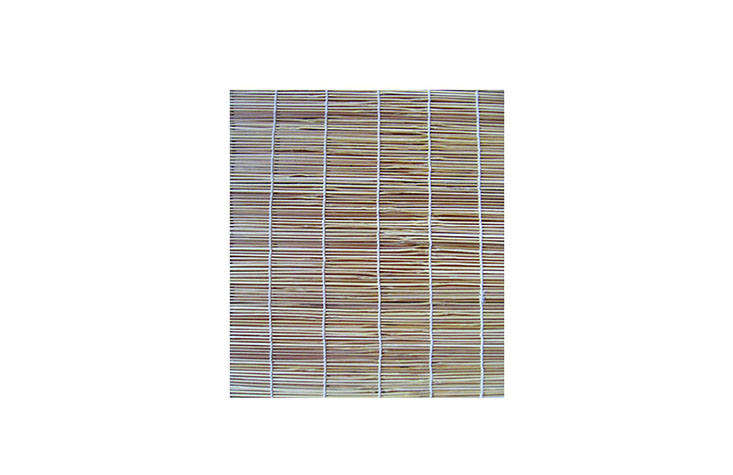
Sidha design chik blinds are bamboo or split-bamboo roll-up blinds featuring a straightforward vertical string pattern. “Sidha” generally suggests simplicity or straightness, and that is exactly the visual appeal: a clean, linear arrangement that lets the bamboo texture take center stage.
Traditional chik blinds are made from slender bamboo strips or natural reeds tied together with decorative threadwork. Unlike heavy draperies or synthetic roller shades, they create a filtered-light effect. Sunlight passes through the small gaps between the bamboo pieces, producing a dappled glow that feels calm, breezy, and slightly cinematic. Put one near a sunny window, and suddenly your breakfast nook looks like it has its own lifestyle photographer.
Why the Sidha Pattern Stands Out
The Sidha style is one of the most versatile chik blind designs because it is not overly ornate. Some chik blinds feature crosshatch, diamond, or geometric latticework. Those can be stunning, especially in maximalist interiors. Sidha, however, is quieter. Its simple vertical stringing pairs easily with coastal, farmhouse, bohemian, colonial, Mediterranean, Japandi, and modern organic spaces.
That restraint is the magic. A Sidha chik blind adds texture without visual noise. It works behind curtains, alone on a window, across a porch opening, or even as a light room divider. It has presence, but it does not behave like a diva.
Why Chik Blinds Are Back in Style
Natural materials are having a major design moment, and bamboo blinds fit right in. Homeowners are moving away from cold, flat, overly manufactured finishes and leaning into texture: woven wood, rattan, cane, jute, grasscloth, linen, and raw wood. Chik blinds belong to this family of materials because they bring both function and atmosphere.
They Add Instant Warmth
A plain white room can feel crisp, but sometimes it also feels like it is waiting for a dentist. Add Sidha bamboo chik blinds, and the space becomes warmer almost immediately. The natural golden-brown tones soften hard edges, balance painted walls, and make modern furniture feel less stiff.
They Filter Light Beautifully
Unlike blackout shades, chik blinds are not designed to create total darkness. Their strength is light filtering. They reduce glare while keeping the room bright enough to feel alive. This makes them especially appealing for living rooms, breakfast areas, sunrooms, porches, garden rooms, and creative studios.
They Offer Privacy Without a Closed-In Feeling
Sidha design chik blinds can provide daytime privacy while still allowing airiness and visual texture. For bedrooms, bathrooms, or street-facing windows, consider adding a liner or pairing them with curtains. Unlined bamboo blinds can become more see-through at night when indoor lights are on, which is charming only if your goal is to become the neighborhood’s accidental shadow puppet show.
6 Smart Ways to Use Sidha Design Chik Blinds
The “6” in the title can be read as a product-style reference, but it also gives us a perfect opportunity to explore six practical and stylish uses for Sidha chik blinds in real homes.
1. Use Them in a Living Room for Natural Texture
A living room often needs a balance of comfort and polish. Sidha chik blinds provide both. They work especially well with white walls, warm wood floors, slipcovered sofas, vintage rugs, and woven baskets. The vertical string detail adds subtle structure, while the bamboo keeps the room relaxed.
For a more finished look, layer them under linen drapes. The chik blind handles daytime glare, while the curtains add softness and nighttime privacy. This layered approach also helps the window feel more intentional, especially in larger rooms.
2. Hang Them on a Porch or Veranda
Chik blinds were historically valued for shielding interiors and outdoor living areas from strong sun. On a covered porch, balcony, or veranda, they can help reduce glare, create privacy from neighbors, and make the space feel like an outdoor room.
When used outdoors, placement matters. Bamboo is a natural material, so it performs best in protected or semi-protected areas rather than places where it will be soaked repeatedly by rain. A covered porch, pergola, or screened veranda is usually a better match than an exposed wall facing every thunderstorm on the calendar.
3. Create a Breezy Kitchen Window Treatment
Kitchens can be tricky. Heavy fabric curtains absorb odors and may look fussy near countertops. Vinyl blinds are practical but not always inspiring. Sidha chik blinds offer a happy middle ground: they bring warmth and texture while keeping the window area light.
They are especially attractive over a sink, breakfast banquette, or small garden-facing window. Choose a simple Sidha pattern if your kitchen already has strong elements like patterned tile, open shelving, marble counters, or colorful cabinetry.
4. Pair Them with Curtains in a Bedroom
On their own, unlined chik blinds are usually not the best choice for people who need a dark bedroom. However, paired with blackout curtains or lined drapes, they become excellent. During the day, you can pull the curtains aside and let the Sidha blinds filter light. At night, close the curtains for privacy and sleep-friendly darkness.
This combination is also visually rich. The bamboo provides structure and texture; the fabric adds softness. Together, they make the window look layered, comfortable, and designed rather than simply covered.
5. Use Them as a Decorative Room Divider
Because chik blinds roll up and down, they can serve as flexible dividers in open-plan spaces. A Sidha blind can separate a reading corner from a living area, screen a utility zone, or create a gentle boundary in a studio apartment.
The key is to use them where privacy needs are moderate. A bamboo chik blind can visually soften and divide space, but it will not behave like a solid wall. It is more “peaceful suggestion” than “legal boundary.”
6. Add Them to a Sunroom or Garden Room
Sunrooms are practically begging for chik blinds. These spaces usually need shade, texture, and a connection to nature. Sidha design bamboo blinds deliver all three. They reduce the intensity of direct sun while keeping the room bright and relaxed.
For a cohesive look, repeat the same blind style across multiple windows. The vertical stringing of Sidha blinds creates a pleasing rhythm, especially when several shades line up along a wall of glass.
How to Choose the Right Sidha Chik Blinds
Before ordering, consider size, mounting style, color, privacy level, lift mechanism, and the room’s conditions. A beautiful blind in the wrong size is still wrong. It is just wrong with better texture.
Measure Carefully
Decide whether you want an inside mount or outside mount. An inside mount fits within the window frame and looks clean, but it requires enough depth and very accurate measurements. An outside mount sits over the frame and can make the window appear larger while blocking more light around the edges.
Measure the width at the top, middle, and bottom of the window, then measure the height at the left, center, and right. Older homes often have charmingly uneven windows, which is a polite way of saying the rectangles may be doing abstract art.
Pick the Right Color Tone
Natural bamboo tones vary from pale honey to deeper brown. Lighter tones feel airy and coastal. Medium browns add warmth and traditional character. Darker finishes can look dramatic and tailored, especially against white walls or deep green, navy, clay, or charcoal paint.
Consider a Liner for Privacy
If the blind is going in a living room, sunroom, or porch, an unlined Sidha chik blind may be perfect. For bedrooms, bathrooms, nursery spaces, or street-level windows, a privacy liner or blackout liner may be worth the upgrade. A liner can reduce visibility, improve light control, and make the blind more practical after sunset.
Prioritize Cord Safety
For homes with children or pets, cordless or safely tensioned options are important. Window-covering cords can pose serious entanglement hazards, so modern buyers should look for cordless, motorized, or compliant cord-control systems. Beauty is wonderful; safety is non-negotiable.
How to Style Sidha Design Chik Blinds
Sidha chik blinds are flexible, but they look best when paired with materials that respect their natural character. Think linen, cotton, raw wood, stone, ceramic, cane, rattan, aged brass, terracotta, and soft plaster-like finishes.
For a Modern Organic Look
Pair Sidha bamboo blinds with cream walls, a low-profile sofa, oak furniture, boucle accents, and matte black or aged brass hardware. Keep the palette calm and let texture do the talking.
For a Coastal Home
Use pale bamboo blinds with white linen curtains, light blue accents, woven rugs, and relaxed slipcovers. The effect is casual but not messy, like a beach house that owns a vacuum.
For a Traditional Room
Layer Sidha chik blinds under patterned drapes. Florals, block prints, stripes, or classic checks can all work. The bamboo shade keeps the room from feeling too formal, while the fabric adds color and softness.
For a Bohemian Space
Combine chik blinds with vintage textiles, plants, books, pottery, and low-slung furniture. Because the Sidha pattern is simple, it will not compete with global prints or collected objects.
Care and Maintenance Tips
Bamboo chik blinds are relatively easy to maintain, but they are not indestructible. Regular dusting helps preserve their color and texture. Use a feather duster, microfiber cloth, or vacuum brush attachment on low suction. Move gently so the bamboo strips and stringing stay intact.
For small spots, use a barely damp cloth and avoid soaking the material. Too much moisture can warp, stain, or weaken natural fibers. In humid rooms, make sure there is ventilation. If the blind is used outdoors, roll it up during severe weather when possible.
Common Mistakes to Avoid
Do not scrub aggressively, spray harsh cleaners directly onto the bamboo, or leave the blinds exposed to constant rain. Also avoid yanking the lift cord or rolling the blind unevenly. Chik blinds are handmade-style window treatments; treat them like craft, not gym equipment.
Pros and Cons of Sidha Design Chik Blinds
Pros
- Natural bamboo texture adds warmth and character.
- Sidha vertical stringing works with many interior styles.
- Excellent for filtering sunlight and reducing glare.
- Can be used alone or layered with curtains.
- Suitable for windows, porches, sunrooms, and decorative dividers.
- Offers a handcrafted look that feels timeless.
Cons
- Unlined versions may not provide full nighttime privacy.
- Natural bamboo can be affected by excessive moisture.
- They may not block light enough for bedrooms unless lined or layered.
- Handmade or custom versions may require longer lead times.
- They need gentle cleaning and careful operation.
Are Sidha Chik Blinds Worth It?
Yes, if you want a window treatment that delivers texture, filtered light, heritage-inspired design, and relaxed elegance. Sidha design chik blinds are not the best fit for every situation. If you need total blackout, maximum insulation, or a wipe-clean shade for a splash-heavy bathroom, another product may serve you better.
But if your goal is to make a room feel warmer, calmer, and more visually layered, they are a beautiful choice. They are especially effective in spaces where sunlight is welcome but glare is not. In other words, they are made for rooms where you want the glow, not the squint.
Real-Home Experience Notes: Living With Sidha Design Chik Blinds
After spending time with Sidha-style chik blinds in different types of rooms, the biggest surprise is how much atmosphere they create with so little effort. A plain window can look unfinished even after the furniture is right, the rug is right, and the throw pillows have completed their dramatic audition. Add a bamboo chik blind, and suddenly the room feels settled.
The first experience most people notice is the light. It is not the flat, blocked light of a blackout shade or the sharp striped light of aluminum blinds. It is softer and more organic. Morning sun becomes warm and scattered. Afternoon glare becomes manageable. In a kitchen, this makes the room feel cheerful without turning the countertop into a solar-powered frying pan. In a living room, it helps screens stay visible while keeping the room from feeling closed off.
Another practical experience is the way Sidha chik blinds make mixed furniture feel more intentional. If your room has a modern sofa, an old wooden table, a ceramic lamp, and a chair you bought because it was “temporary” seven years ago, bamboo blinds can pull those elements together. Natural texture is a great diplomat. It helps different styles shake hands.
There is also a maintenance reality. These blinds look casual, but they still need attention. Dust can settle between the bamboo strips, especially near open windows or porches. A quick weekly pass with a duster keeps them fresh. If you wait six months, cleaning becomes more of a tiny archaeological project. The good news is that routine care is simple and does not require special products.
Privacy is the one area where expectations matter. During the day, Sidha chik blinds can feel private enough in many settings. At night, with lights on inside, unlined bamboo may reveal more than expected. For street-facing windows, bedrooms, or bathrooms, layering is the smarter move. Add curtains, use a liner, or choose a room where filtered visibility is not a problem.
In outdoor covered spaces, Sidha chik blinds can make a porch feel like a resort cabana, minus the resort bill and the tiny bottle of shampoo. They cut glare, create shade, and make seating areas feel cozy. Still, natural bamboo should be protected from constant soaking. Rolling the blinds up before storms and letting them dry properly helps extend their life.
The best part is the emotional effect. Sidha design chik blinds make a home feel slower in the best way. They suggest shade, breeze, craft, and comfort. They are not trendy in a disposable sense; they feel rooted. In a world full of plastic mini blinds and overcomplicated smart gadgets, a simple bamboo blind can feel refreshingly human.
Conclusion
6 Sidha Design Chik Blinds represent more than a window-covering idea. They bring together natural bamboo, traditional craft, modern styling flexibility, and practical sun control. Their clean vertical stringing makes them easy to use in many interiors, from coastal kitchens to layered bedrooms, relaxed living rooms, and shaded porches.
The key is choosing them thoughtfully. Measure carefully, consider privacy needs, prioritize safe lift systems, and place them where natural materials can perform well. With gentle care and smart styling, Sidha chik blinds can turn ordinary windows into warm, textured design features. They are simple, but not boring; practical, but not plain. And honestly, any window treatment that can filter sunlight while making a room look effortlessly collected deserves a little applause.
Note: This HTML includes only the body section and is written as clean, publish-ready American English content without citation placeholders, source-link artifacts, or unnecessary code elements.