
Note: This article is written as a publish-ready recipe guide and is based on widely accepted U.S. cooking guidance, practical home-cooking methods, and food-safety best practices for pork tenderloin.
A Weeknight Pork Tenderloin That Looks Fancy Without Acting Fancy
If dinner had a “little black dress,” it would probably be pork tenderloin with a glossy glaze. It looks elegant, cooks quickly, and somehow makes a regular Tuesday feel like you found cloth napkins and remembered where you put the good plates. This simple glazed pork tenderloin recipe is built for real kitchens, real schedules, and real people who do not want to babysit a roast like it is applying for college.
Pork tenderloin is one of the easiest cuts of pork to love. It is lean, mild, tender, and quick-cooking. The only catch is that because it is so lean, it can go from juicy to “why does this taste like a beige sock?” if it is overcooked. That is where a good glaze and a meat thermometer come in. The glaze brings sweet, tangy, savory flavor, while the thermometer keeps the pork tender and safe without drying it out.
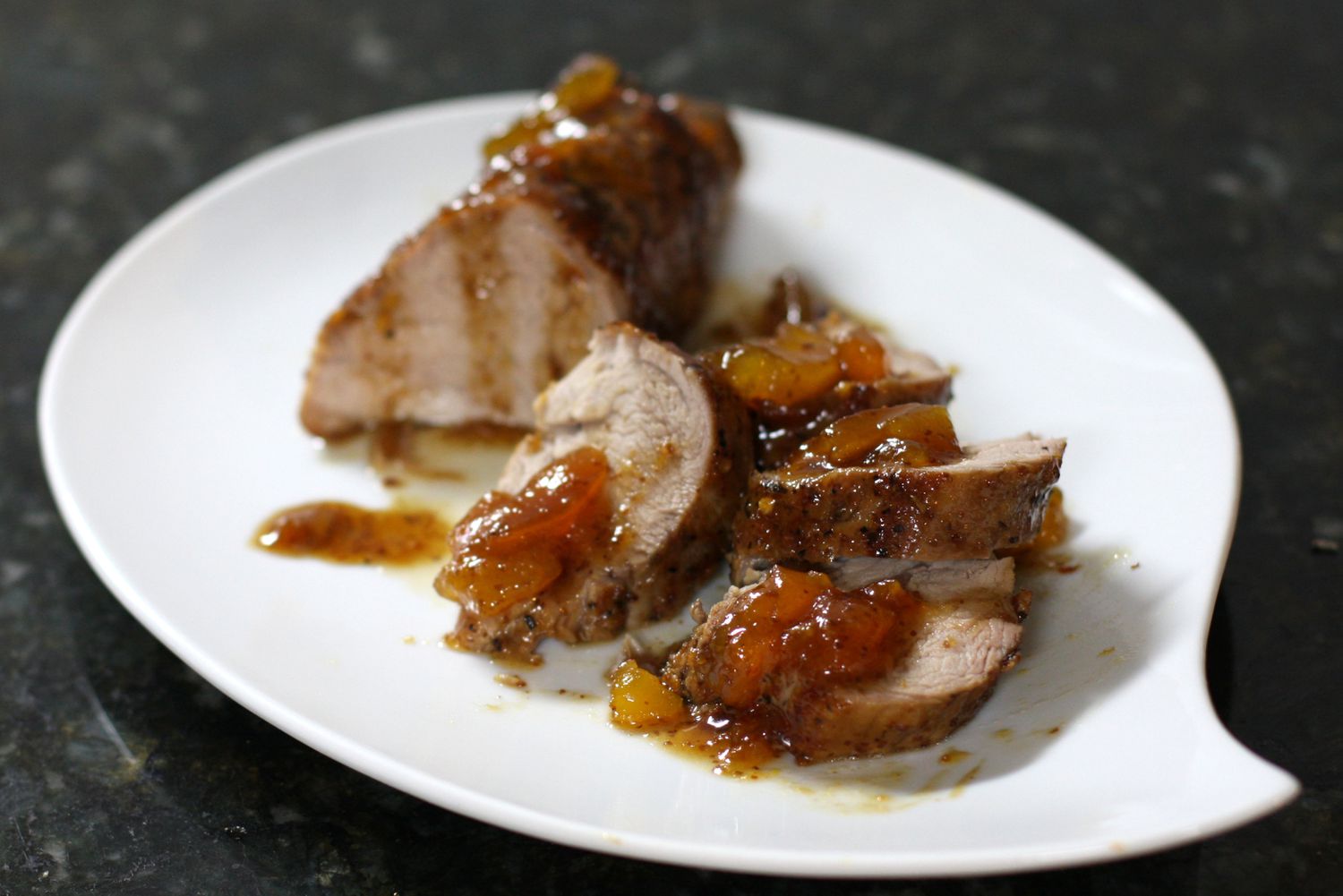
This recipe uses a balanced glaze made with honey, Dijon mustard, soy sauce, apple cider vinegar, garlic, and a little brown sugar. It gives the pork a beautiful lacquered finish, the kind that makes people hover around the cutting board pretending they are “just checking.” The method is simple: season, sear, glaze, roast, rest, slice, and accept compliments with suspicious modesty.
Why This Simple Glazed Pork Tenderloin Recipe Works
The best pork tenderloin recipes do three things well: they season the meat deeply, cook it quickly, and finish it with a sauce that clings instead of sliding sadly onto the plate. This recipe checks all three boxes.
It Uses a Fast Sear for Better Flavor
Searing the pork before roasting creates a savory browned crust. That crust is not just for looks. It adds a deeper, roasted flavor that balances the sweetness of the glaze. Think of it as giving the pork a flavor jacket before it heads into the oven.
The Glaze Is Sweet, Tangy, and Savory
Honey and brown sugar give the glaze shine and sweetness. Dijon mustard and apple cider vinegar add acidity, which keeps the dish from tasting heavy. Soy sauce brings salt and umami, while garlic adds that familiar “something smells amazing” effect. Together, these ingredients create a glaze that tastes more complicated than it is.
The Pork Rests Before Slicing
Resting is not optional. When pork tenderloin comes out of the oven, the juices need a few minutes to settle back into the meat. Slice too early, and those juices run all over the cutting board. Wait a little, and the pork stays moist, tender, and ready for its close-up.
Ingredients for Glazed Pork Tenderloin
This recipe serves 4 people generously. If you are feeding big appetites or hoping for leftovers, cook two tenderloins and double the glaze. Pork tenderloins are often sold two per package, which is basically the universe whispering, “Meal prep, my friend.”
For the Pork
- 1 to 1 1/2 pounds pork tenderloin
- 1 tablespoon olive oil
- 1 teaspoon kosher salt
- 1/2 teaspoon black pepper
- 1/2 teaspoon smoked paprika
- 1/2 teaspoon garlic powder
- 1/4 teaspoon onion powder
For the Simple Glaze
- 1/4 cup honey
- 2 tablespoons Dijon mustard
- 1 tablespoon low-sodium soy sauce
- 1 tablespoon apple cider vinegar
- 1 tablespoon brown sugar
- 2 garlic cloves, minced
- 1 teaspoon Worcestershire sauce
- 1/4 teaspoon crushed red pepper flakes, optional
- 1 teaspoon cornstarch mixed with 1 tablespoon water, optional for thickening
How to Make Simple Glazed Pork Tenderloin
Step 1: Preheat the Oven
Preheat your oven to 400°F. This temperature is hot enough to finish the pork quickly without drying it out. Place a rack in the center of the oven so the tenderloin cooks evenly.
Step 2: Trim and Dry the Pork
Pat the pork tenderloin dry with paper towels. Moisture on the surface makes it harder to brown, and browning is where the flavor party begins. If the tenderloin has silver skin, remove it with a sharp knife. Silver skin is a thin, shiny membrane that does not soften well during cooking. Leaving it on can make the finished pork chewy in spots.
Step 3: Season the Tenderloin
In a small bowl, mix the salt, pepper, smoked paprika, garlic powder, and onion powder. Rub the seasoning evenly over the pork. This simple spice blend adds flavor without fighting the glaze. The smoked paprika gives a subtle warmth and color, like a cozy sweater for your dinner.
Step 4: Make the Glaze
In another bowl, whisk together honey, Dijon mustard, soy sauce, apple cider vinegar, brown sugar, minced garlic, Worcestershire sauce, and red pepper flakes if you want a tiny kick. The glaze should taste sweet first, then tangy, then savory. If it tastes a little bold in the bowl, that is good. It will mellow once it coats the pork.
Step 5: Sear the Pork
Heat olive oil in a large oven-safe skillet over medium-high heat. When the oil shimmers, add the pork tenderloin. Sear it for about 2 minutes per side, turning until all sides are lightly browned. Do not worry about cooking it through at this stage. You are building flavor, not finishing the job.
Step 6: Add the Glaze and Roast
Brush or spoon about half of the glaze over the pork. Transfer the skillet to the oven and roast for 12 to 18 minutes, depending on the thickness of the tenderloin. Halfway through cooking, brush with more glaze. The pork is ready when the thickest part reaches 145°F on an instant-read thermometer.
Step 7: Rest, Slice, and Serve
Remove the skillet from the oven and transfer the pork to a cutting board. Tent loosely with foil and rest for at least 5 minutes. Meanwhile, simmer the remaining glaze in the skillet for 1 to 2 minutes. If you want it thicker, stir in the cornstarch slurry and cook until glossy. Slice the pork into medallions and drizzle with the warm glaze.
Recipe Card: Simple Glazed Pork Tenderloin
- Prep time: 10 minutes
- Cook time: 20 minutes
- Rest time: 5 minutes
- Total time: About 35 minutes
- Servings: 4
- Cooking method: Sear and roast
- Best internal temperature: 145°F, followed by resting
Tips for Juicy Pork Tenderloin Every Time
Use a Meat Thermometer
The difference between juicy pork and dry pork can be just a few degrees. A thermometer removes the guessing game. Insert it into the thickest part of the tenderloin. When it reaches 145°F, take it out and let it rest. Slightly pink pork is fine when it has reached the proper temperature.
Do Not Over-Marinate
This glaze has vinegar and mustard, which are acidic. A short rest in the glaze is fine, but the pork does not need to sit overnight. If you want to prep ahead, season the pork earlier in the day and make the glaze separately. Then cook when ready.
Let the Glaze Thicken
A thin glaze tastes good, but a slightly thick glaze looks better and clings to the pork. If your glaze seems runny after roasting, simmer it briefly. For a more dramatic shine, add the cornstarch slurry and stir until it turns glossy.
Slice Against the Grain
Cut the pork into medallions across the tenderloin. Slicing against the grain shortens the muscle fibers and makes each bite more tender. It also gives you pretty slices, and pretty slices make everyone think you worked harder than you did. We support this illusion.
Flavor Variations
Maple Mustard Glazed Pork Tenderloin
Swap the honey for pure maple syrup and add a teaspoon of chopped rosemary or thyme. This version tastes cozy, slightly woodsy, and perfect with roasted sweet potatoes.
Honey Garlic Pork Tenderloin
Increase the garlic to 4 cloves and skip the mustard if you prefer a sweeter, more mellow glaze. Add a pinch of ground ginger for a gentle warmth.
Balsamic Glazed Pork Tenderloin
Replace the apple cider vinegar with balsamic vinegar. The result is darker, richer, and slightly fruitier. This version pairs beautifully with roasted Brussels sprouts or a simple arugula salad.
Spicy Glazed Pork Tenderloin
Add 1 to 2 teaspoons of sriracha, chili garlic sauce, or hot honey to the glaze. This is the version for people who believe dinner should wink at them a little.
What to Serve With Glazed Pork Tenderloin
This easy glazed pork tenderloin plays well with many side dishes. Because the glaze is sweet and savory, it pairs especially well with vegetables, grains, and creamy sides.
Classic Side Dishes
- Mashed potatoes
- Roasted carrots
- Green beans with almonds
- Garlic butter rice
- Roasted Brussels sprouts
- Creamy polenta
- Buttered egg noodles
Lighter Pairings
For a lighter dinner, serve sliced pork tenderloin over a salad with apples, pecans, and a mustard vinaigrette. You can also pair it with quinoa, steamed broccoli, cauliflower mash, or a crisp cabbage slaw. The glaze gives enough richness that the sides can stay simple.
How to Store and Reheat Leftovers
Let leftovers cool slightly, then refrigerate them in an airtight container within 2 hours. Cooked pork tenderloin keeps well in the refrigerator for 3 to 4 days. For longer storage, freeze sliced pork with a little extra glaze to help protect it from drying out.
To reheat, warm slices gently in a covered skillet over low heat with a splash of broth, water, or extra glaze. You can also microwave at reduced power in short intervals. Avoid blasting it with high heat unless you enjoy turning tenderloin into pork jerky, which is a different recipe and possibly a cry for help.
Common Mistakes to Avoid
Cooking Straight From the Refrigerator
Let the pork sit at room temperature for about 15 to 20 minutes before cooking. This helps it cook more evenly. Do not leave it out for too long; this is dinner, not a science experiment.
Skipping the Sear
You can roast pork tenderloin without searing, but the sear adds flavor and color. If you are short on time, you may skip it, but the finished dish will be less deeply browned.
Adding All the Glaze Too Early
Because the glaze contains sugar, it can burn if exposed to high heat for too long. Add some before roasting, then brush with more partway through cooking. Save a little for the final drizzle.
Forgetting Carryover Cooking
Pork continues to cook after it leaves the oven. Pulling it at 145°F and resting it gives you a safe, juicy result. If you cook it far beyond that, the meat may become dry.
Frequently Asked Questions
Can I Make This Recipe Without an Oven-Safe Skillet?
Yes. Sear the pork in any large skillet, then transfer it to a baking dish or rimmed sheet pan. Brush with glaze and roast as directed.
Can I Grill This Pork Tenderloin?
Absolutely. Grill over medium-high heat, turning every few minutes. Brush with glaze during the final part of cooking so the sugars do not burn. Remove the pork when it reaches 145°F, then rest before slicing.
Can I Use Pork Loin Instead of Pork Tenderloin?
Pork loin and pork tenderloin are not the same cut. Pork loin is larger and takes longer to cook. This recipe is designed for pork tenderloin, which is smaller, leaner, and quicker. If using pork loin, adjust the cooking time and rely on a thermometer.
Can I Make the Glaze Ahead?
Yes. Whisk the glaze together up to 3 days in advance and store it in the refrigerator. Stir before using. If the honey thickens in the fridge, let it sit at room temperature for a few minutes.
Why Is My Pork Tenderloin Dry?
The most common reason is overcooking. Pork tenderloin is lean, so it needs careful timing. Use a thermometer, rest the meat, and avoid slicing too soon.
Experience Notes: What Cooking This Simple Glazed Pork Tenderloin Teaches You
The first time you make a glazed pork tenderloin, you may feel suspicious of how fast it cooks. That suspicion is understandable. Many people grew up thinking pork needed to be cooked until it looked pale, firm, and emotionally exhausted. But pork tenderloin is a modern weeknight hero precisely because it does not need hours in the oven. Treat it gently, cook it to the right temperature, and it rewards you with juicy slices that taste far more impressive than the effort involved.
One of the best experiences with this recipe is watching the glaze transform. At first, it looks like a simple bowl of pantry ingredients. Honey, mustard, soy sauce, vinegar, garlicnothing dramatic. But once it hits the hot skillet and mingles with the browned bits from the pork, it becomes something richer. The garlic softens, the honey turns glossy, and the mustard gives the sauce a restaurant-style sharpness. This is the moment when someone usually wanders into the kitchen and asks, “What are you making?” Try not to look too smug.
This recipe is also a great confidence builder for home cooks. It teaches the value of drying meat before searing, balancing sweet and acidic flavors, and using a thermometer instead of relying on guesswork. These are small techniques, but they make a big difference. Once you understand them, you can apply them to chicken, salmon, pork chops, and even roasted vegetables. The glaze itself becomes a flexible formula: something sweet, something tangy, something salty, and something aromatic.
Another practical lesson is that pork tenderloin is excellent for both family dinners and guests. It slices neatly, plates beautifully, and does not require carving a giant roast while everyone stares at you with hungry eyes. You can serve it with mashed potatoes for comfort, rice for simplicity, or a big salad when you want dinner to feel lighter. Leftovers are just as useful. Thin slices make excellent sandwiches with mustard and pickles, rice bowls with roasted vegetables, or quick wraps with greens and a spoonful of extra glaze.
The biggest experience-based tip is to trust the resting time. It is tempting to slice immediately, especially when the glaze is shiny and the kitchen smells like dinner has won an award. Wait anyway. Those few minutes keep the pork juicy and give you time to finish the sauce, set out the sides, or pretend you are not eating tiny end pieces from the cutting board. Resting is the quiet little step that separates good pork tenderloin from great pork tenderloin.
Finally, this dish reminds you that simple recipes can still feel special. You do not need rare ingredients, complicated equipment, or a culinary degree with a minor in panic. You need a good cut of pork, a balanced glaze, a hot skillet, and a little attention to temperature. The result is a glossy, tender, flavorful pork tenderloin that fits into a busy weeknight but still feels worthy of Sunday dinner. That is the magic of this recipe: it behaves like comfort food, dresses like company food, and cooks fast enough that nobody has to snack on cereal while waiting.
Conclusion
This Simple Glazed Pork Tenderloin Recipe is proof that a quick dinner can still feel polished, flavorful, and deeply satisfying. With a sweet-savory glaze, a fast sear, and careful roasting, pork tenderloin becomes juicy, glossy, and full of balanced flavor. The key is simple: do not overcook it, let it rest, and give the glaze a chance to shine. Whether you serve it with mashed potatoes, roasted vegetables, rice, or a crisp salad, this easy pork tenderloin recipe is a dependable dinner that looks fancy without demanding fancy behavior from you.