
A black widow spider bite is the kind of phrase that makes people suddenly inspect every dark corner of the garage like they are starring in a tiny horror movie. The good news? Most spider bites are harmless, and even black widow bites are rarely fatal when treated properly. The less fun news? A true black widow spider bite can be intensely painful and may cause bodywide symptoms that deserve medical attention.
This guide explains what causes black widow bites, what the bite may look like, which symptoms matter most, how treatment works, and how to reduce your chances of becoming the unwilling landlord of a venomous spider. It is written for general education and web readers, not as a substitute for professional medical care. If you think you or someone else has been bitten by a black widow spider, contact a healthcare professional or Poison Control right away, especially if severe pain, cramping, breathing trouble, chest pain, vomiting, or symptoms in a child occur.
What Is a Black Widow Spider?
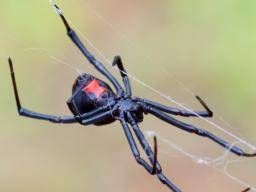
Black widow spiders belong to the Latrodectus genus, a group of widow spiders known for venom that affects the nervous system. In the United States, black widows are most often associated with the southern, western, and northern regions, although their range can vary by species and climate. The spider most people picture is the adult female: shiny black, round-bodied, and marked with a red or orange hourglass shape on the underside of the abdomen.
That famous hourglass marking is useful, but it is not a perfect identification tool. Some black widows have broken markings, dots, or lighter patterns. Young spiders and males may look different and are usually less medically important. The adult female black widow is the one most associated with serious bites because she is larger and capable of delivering more venom.
Despite their dramatic reputation, black widows are not tiny eight-legged villains plotting against your weekend plans. They are generally shy and prefer hiding in quiet, protected places. Bites usually happen when a person accidentally presses, pinches, or disturbs the spider or its web.
What Causes a Black Widow Spider Bite?
A black widow spider bite happens when the spider uses its fangs defensively. The spider is not biting because it wants to eat you. Humans are not on the menu, thankfully. Most bites occur because the spider feels trapped or threatened.
Common situations that lead to bites
Black widow bites often happen during ordinary activities, especially when hands, feet, or skin enter dark spaces without warning. Examples include reaching into a woodpile, moving outdoor furniture, cleaning a shed, picking up stored boxes, gardening near clutter, putting on shoes or gloves left outside, or working in garages, crawl spaces, basements, and storage rooms.
Black widows like undisturbed places where insects are available and humans are not constantly sweeping, vacuuming, or rearranging things. Translation: the spider prefers the exact corner of the garage everyone agreed to “deal with later.”
Where black widows hide
Typical black widow habitats include woodpiles, stone piles, outdoor sheds, barns, garages, crawl spaces, meter boxes, outdoor furniture, dense shrubs, stacked flowerpots, cluttered storage areas, and dark corners near ground level. Their webs are usually irregular and tangled, not the neat storybook spiral web you see in cartoons.
What Does a Black Widow Spider Bite Look Like?
A black widow spider bite can be surprisingly subtle at first. Some people feel a sharp pinprick. Others barely notice the bite when it happens. The skin reaction may be mild compared with the pain that follows, which is why identifying a black widow bite by appearance alone can be tricky.
Possible bite appearance
The bite site may show redness, mild swelling, tenderness, or one or two tiny fang marks. Some people develop a small raised bump, local warmth, itching, or a pale area surrounded by redness. In certain cases, the area may look like an ordinary bug bite at first. That is one reason black widow bites are sometimes confused with bee stings, ant bites, skin irritation, or other insect bites.
Unlike brown recluse bites, black widow bites usually do not cause a large area of dead skin. The main danger is not typically a dramatic wound; it is the venom’s effect on nerves and muscles. In other words, the skin may look calm while the body starts acting like it signed up for a full-body cramp convention.
Why appearance alone is not enough
Many skin problems get blamed on spiders, but true spider bites are often unwitnessed. A red bump could come from mosquitoes, fleas, ticks, mites, bacterial infections, allergic reactions, or irritation from plants. If you saw the spider, can describe it, or safely captured it in a sealed container, that information may help a clinician. Do not risk another bite trying to catch it.
Black Widow Spider Bite Symptoms
Symptoms vary. Some bites remain mild, while others cause intense pain and bodywide effects. Symptoms often begin within minutes to an hour, but they can progress over several hours.
Early local symptoms
Early symptoms may include immediate pain or a pinprick sensation, redness, swelling, tenderness, itching, or a small bump at the bite site. Pain may spread from the bite into nearby muscles. A bite on the hand can lead to pain moving up the arm; a bite on the foot or leg can lead to pain traveling upward.
Bodywide symptoms
Black widow venom can cause a reaction known as latrodectism, which affects nerves and muscles. Symptoms may include severe muscle cramps, abdominal pain, back pain, chest tightness, shoulder pain, sweating, nausea, vomiting, headache, restlessness, weakness, and high blood pressure. Some people describe the abdominal cramping as so intense that it can be mistaken for appendicitis or another urgent abdominal problem.
Children, older adults, pregnant people, and people with heart conditions or high blood pressure may be at greater risk for complications. Any severe or rapidly worsening symptoms should be treated as urgent.
Emergency warning signs
Seek emergency medical care immediately if a person develops trouble breathing, chest pain, severe muscle cramps, repeated vomiting, fainting, confusion, severe weakness, very high blood pressure, or symptoms after a suspected bite in a young child. Also seek urgent care if pain is severe, spreading, or not improving with basic first aid.
How Doctors Diagnose a Black Widow Spider Bite
There is no simple home test that confirms a black widow bite. Diagnosis is usually based on the story, symptoms, physical exam, and sometimes spider identification. A healthcare provider may ask when the bite happened, where it happened, what the spider looked like, how symptoms changed, and whether the person has medical conditions such as heart disease, high blood pressure, pregnancy, or immune system problems.
In more serious cases, clinicians may monitor vital signs, treat pain and muscle spasms, and run tests if symptoms mimic other conditions. For example, chest tightness, abdominal pain, or severe muscle cramping may require evaluation to rule out heart, abdominal, or neurological problems.
First Aid for a Suspected Black Widow Bite
If you suspect a black widow spider bite, stay calm and act quickly. Panic is understandable, but it rarely improves the medical situation. It does, however, make everyone in the room dramatically worse at finding car keys.
What to do right away
Wash the bite area gently with soap and water. Apply a cool compress or an ice pack wrapped in a cloth for short intervals to reduce pain and swelling. If the bite is on an arm or leg, elevate the area when possible. Keep the person still and comfortable. Contact a healthcare provider or Poison Control for guidance, especially if the spider was identified as a black widow or symptoms are more than mild.
What not to do
Do not cut the bite, suck out venom, apply a tourniquet, burn the area, or use harsh chemicals on the skin. These old-school “survival tips” can cause more harm than the bite itself. Also avoid putting ice directly on the skin, because that can injure tissue. If pain becomes severe, do not simply keep adding home remedies and hoping the spider apologizes. Get medical help.
Medical Treatment for a Black Widow Spider Bite
Treatment depends on the person’s age, health, symptoms, and severity of the reaction. Many mild bites improve with wound cleaning, cold compresses, over-the-counter pain relief, and observation. Moderate or severe reactions need professional care.
Pain control and muscle spasm treatment
In a medical setting, treatment may include stronger pain medicine, medication to ease muscle spasms or anxiety, blood pressure monitoring, nausea treatment, and supportive care. People with severe symptoms may need observation in an emergency department or hospital.
Antivenom
Black widow antivenom exists, but it is not used for every bite. Doctors may consider it for severe pain, serious bodywide symptoms, or symptoms that do not respond to other treatment. Because antivenom can cause allergic reactions, clinicians weigh benefits and risks carefully before using it.
Tetanus and infection care
Any bite that breaks the skin can raise questions about tetanus protection. A clinician may recommend a tetanus booster if the person is not up to date. Secondary infection is not the main problem with black widow bites, but worsening redness, warmth, pus, fever, or red streaking should be evaluated.
How Long Does Recovery Take?
Recovery varies. Mild symptoms may improve within a day or two. Muscle pain, soreness, fatigue, or cramping can last several days, and some people feel weak or achy for longer. Severe cases may require more intensive treatment, but most people recover with appropriate care.
The key is not to “tough it out” if symptoms are severe. Black widow venom can cause pain that is out of proportion to the skin mark. A tiny bite with major muscle cramps deserves attention.
Black Widow Bite vs. Brown Recluse Bite
People often compare black widow and brown recluse bites because both spiders can be medically important in the United States. However, they tend to cause different problems.
A black widow bite is best known for nerve and muscle symptoms: pain, cramps, sweating, nausea, and bodywide discomfort. A brown recluse bite is more associated with local skin injury that may worsen over hours or days, sometimes forming a blister or ulcer. Both can be serious, but the symptom pattern is different.
If you are not sure what bit you, focus less on playing backyard detective and more on symptoms. Severe pain, spreading redness, fever, trouble breathing, muscle cramps, chest pain, or a rapidly worsening wound should be checked by a medical professional.
Who Is Most at Risk?
Anyone can be bitten if they disturb a black widow’s hiding place, but some people are more likely to encounter them because of work or hobbies. Gardeners, landscapers, farm workers, warehouse workers, mechanics, pest-control professionals, people cleaning storage spaces, and anyone handling firewood or outdoor equipment may have higher exposure.
Children may be at higher medical risk because their smaller bodies can react more strongly to venom. Older adults and people with heart disease, high blood pressure, or significant medical conditions should also be especially cautious.
How to Prevent Black Widow Spider Bites
Prevention is mostly about reducing surprise encounters. Black widows prefer quiet, cluttered, sheltered spaces. Make those spaces less inviting, and you reduce the odds of contact.
Outdoor prevention
Wear gloves when moving firewood, rocks, outdoor furniture, stored pots, or debris. Shake out shoes, boots, and gloves that were stored in a garage, shed, or outdoors. Keep woodpiles away from the house when possible. Reduce clutter near foundations, trim dense vegetation, and use caution around meter boxes, crawl-space openings, and storage sheds.
Indoor prevention
Seal cracks and gaps around doors, windows, foundations, and utility openings. Install or repair screens. Vacuum webs and egg sacs when found indoors, especially in basements, garages, and storage areas. Store items in sealed containers instead of open cardboard boxes when possible. Cardboard boxes are basically studio apartments for mystery pests.
Pest control approach
Integrated pest management, or IPM, focuses on prevention first: reduce clutter, seal entry points, remove webs, lower insect food sources, and use pesticides only when appropriate and according to label directions. If black widows are repeatedly found inside living areas, or if you find many spiders around a home, a licensed pest-control professional can inspect and recommend targeted control.
Common Myths About Black Widow Spider Bites
Myth: Every black widow bite is deadly
Fatal black widow bites are rare, especially with modern medical care. The bite can be extremely painful and should be taken seriously, but panic is not treatment.
Myth: You can always identify the bite by two fang marks
Sometimes tiny fang marks are visible, but often they are not. Skin appearance alone is unreliable.
Myth: You should suck out the venom
No. Do not cut, suck, burn, or tourniquet the bite. Clean the area, use a wrapped cold compress, and seek medical guidance.
Myth: Black widows chase people
Black widows are shy and defensive. Bites usually occur when the spider is accidentally trapped against skin or its web is disturbed.
Practical Experience: What Real-Life Black Widow Bite Situations Often Teach Us
Real-life black widow bite stories tend to share a few patterns. First, the bite often happens during a normal chore. Someone reaches into a dark corner of a garage, moves an old flowerpot, grabs a pair of garden gloves, or shifts a stack of firewood. There is no thunderclap, no movie soundtrack, and no spider wearing a tiny villain cape. There is simply a quick sting, a strange ache, or sometimes no obvious bite at all.
The second pattern is delayed seriousness. At first, the bite may look unimpressive. A person may see a small red spot and assume it is nothing. Then muscle pain begins to spread. The abdomen tightens. The back aches. Sweating starts. Nausea arrives like an uninvited dinner guest. This mismatch between a tiny skin mark and big body symptoms is one of the most important lessons. With black widow bites, the wound may not look dramatic, but the nervous-system symptoms can be.
Another common experience is confusion. People may think they pulled a muscle, caught a stomach bug, developed food poisoning, or had a panic attack. A child may simply cry, complain of stomach pain, or refuse to use an arm or leg normally. An adult may feel embarrassed about seeking help for “just a spider bite.” That hesitation can delay comfort and proper monitoring. When symptoms include severe cramping, chest tightness, vomiting, or unusual sweating after a possible bite, it is better to call Poison Control or get medical advice than to spend hours debating whether the spider had proper identification documents.
Homeowners also learn prevention the practical way. After a suspected black widow encounter, people suddenly become very motivated to clean the garage, seal gaps, and stop storing shoes outside. The best prevention habits are simple: wear gloves, shake out stored items, use a flashlight before reaching into dark spaces, keep clutter off the floor, and move woodpiles away from high-traffic areas. These steps do not require fear. They require the same common sense you would use before sticking your hand into a mystery drawer full of nails, batteries, and forgotten holiday decorations.
Caregivers should pay special attention to children. Kids may not describe symptoms clearly, and their smaller body size can make reactions more concerning. If a child may have been bitten by a black widow, medical advice is important even if symptoms seem mild at first. The same cautious approach applies to older adults, pregnant people, and anyone with heart disease or high blood pressure.
The final lesson is that calm action works best. Wash the bite, use a wrapped cold compress, keep the person comfortable, and contact medical help when needed. Do not attempt dramatic remedies. Do not rely on internet photos to diagnose a bite. And definitely do not decide that “walking it off” is a treatment plan when severe cramps are involved. A black widow spider bite is manageable, but it deserves respect.
Conclusion
A black widow spider bite can be scary, painful, and medically important, but it is also treatable. The most important things to remember are simple: black widows usually bite when disturbed, the bite may look minor at first, symptoms can include severe muscle cramps and bodywide discomfort, and suspected bites should be taken seriously. Basic first aid can help, but severe symptoms require urgent medical care.
Prevention is your best long-term strategy. Wear gloves when working in dark or cluttered spaces, shake out stored shoes and clothing, reduce garage and yard clutter, seal entry points, and use caution around woodpiles, sheds, and crawl spaces. Black widows may be dramatic in name, but with smart habits and timely treatment, they do not have to steal the spotlight from your health.