
Note: This article is for educational purposes only. Thyroid conditions vary widely, so readers should work with a qualified healthcare professional before making major diet changes, starting supplements, or changing medication timing.
Your thyroid may be small, but it does not do small work. This butterfly-shaped gland in your neck helps regulate metabolism, energy, body temperature, heart rhythm, digestion, mood, and more. When it is underactive, as in hypothyroidism or Hashimoto’s disease, you may feel tired, chilly, sluggish, constipated, or foggy. When it is overactive, as in hyperthyroidism or Graves’ disease, you may feel wired, sweaty, anxious, hungry, shaky, or as if your heart has signed up for a marathon without asking you first.
Food does not “cure” thyroid disease, and anyone promising a miracle thyroid diet is probably selling something with suspiciously shiny packaging. Still, food can matter. Certain foods and supplements may affect iodine intake, thyroid hormone production, autoimmune sensitivity, or the absorption of thyroid medication such as levothyroxine. The trick is knowing what truly deserves caution and what has been unfairly bullied by internet rumors.
This guide explains the foods to avoid if you have thyroid issues, which foods may simply need better timing, and how to build a thyroid-friendly eating pattern without turning your kitchen into a medical laboratory.
Understanding Thyroid Issues and Food
The thyroid uses iodine to make thyroid hormones. That sounds simple, but thyroid health is a balancing act. Too little iodine can contribute to thyroid problems, especially in areas where iodine deficiency is common. Too much iodine can also cause trouble, particularly for people with autoimmune thyroid disorders such as Hashimoto’s disease or Graves’ disease.
Another key issue is medication absorption. Many people with hypothyroidism take levothyroxine, a synthetic form of thyroid hormone. This medication is famously picky. It prefers water, an empty stomach, and personal space. Coffee, calcium, iron, soy, fiber, and some fortified foods may reduce how well the medication is absorbed when consumed too close to the dose.
So when we talk about foods to avoid with thyroid issues, we are often talking about three different categories: foods that may worsen iodine imbalance, foods that may interfere with medication absorption, and foods that may aggravate inflammation or overall metabolic health when eaten too often.
1. Kelp, Seaweed, and Other Very High-Iodine Foods
Seaweed can be nutritious, but it is one of the biggest “handle with care” foods for thyroid problems. Kelp, dulse, kombu, wakame, and seaweed-based snacks can contain very high amounts of iodine. For some people, especially those with Graves’ disease, hyperthyroidism, Hashimoto’s disease, thyroid nodules, or autoimmune thyroid sensitivity, excess iodine may worsen symptoms or disrupt thyroid hormone balance.
This does not mean every sushi roll is a thyroid emergency. The concern is frequent or heavy intake of concentrated seaweed products, kelp powders, iodine drops, and “thyroid support” blends that use seaweed as a selling point. These products can deliver iodine doses far above daily needs.
Practical examples
If you have thyroid issues, be cautious with kelp noodles, seaweed salads, kombu broth, dried seaweed snacks eaten daily, and supplements labeled as kelp, bladderwrack, or marine iodine. Occasional small amounts may be fine for some people, but high-iodine foods should be discussed with a clinician, especially if your thyroid labs are unstable.
2. Iodine Supplements Without Medical Guidance
Iodine is essential, but more is not automatically better. This is one of the most common mistakes in thyroid nutrition. People hear that the thyroid needs iodine, then assume a high-dose iodine supplement will “feed” the gland back to health. Unfortunately, the thyroid is not a houseplant, and iodine is not magic fertilizer.
In the United States, many people get enough iodine through iodized salt, dairy foods, seafood, eggs, and some breads. Pregnant and breastfeeding people have higher iodine needs, but supplementation should still be guided by a healthcare professional. For people with autoimmune thyroid disease, excess iodine may trigger or worsen thyroid dysfunction.
Avoid self-prescribing iodine drops, kelp capsules, high-dose iodine tablets, or multi-ingredient thyroid supplements that do not clearly list iodine content. These products can make thyroid levels harder to manage and may interfere with treatment plans.
3. Soy Foods Too Close to Thyroid Medication
Soy has been blamed for nearly everything except bad Wi-Fi. The truth is more balanced. In people who have adequate iodine intake and normal thyroid function, soy foods generally do not appear to damage the thyroid. However, soy may interfere with the absorption of levothyroxine if eaten too close to medication time.
This means soy does not necessarily need to disappear from your diet. Tofu, tempeh, edamame, soy milk, and soy-based protein foods can be part of a healthy eating pattern. The bigger issue is timing. If you take thyroid hormone medication in the morning, avoid washing it down with soy milk or eating a tofu breakfast immediately afterward.
How to manage soy wisely
Take thyroid medication exactly as prescribed, usually with water on an empty stomach. Many clinicians recommend waiting at least 30 to 60 minutes before eating breakfast and separating calcium, iron, and certain supplements by about four hours. If soy is a regular part of your diet, keep the amount consistent and tell your healthcare provider, because medication dosing may need to reflect your usual routine.
4. Coffee Right After Levothyroxine
Coffee is emotionally important. For many people, it is not a beverage; it is a personality support system. But if you take levothyroxine, coffee too soon after your pill may reduce medication absorption. Even decaf coffee may affect absorption in some cases.
The safest routine is to take thyroid medication with a full glass of water, then wait before drinking coffee. Many people aim for at least 30 to 60 minutes, depending on their clinician’s instructions. If that sounds impossible because morning-you is basically a sleepy raccoon in slippers, ask your healthcare provider whether bedtime dosing or a different medication formulation is appropriate.
The key is consistency. Thyroid medication works best when taken the same way every day. Randomly switching between “pill with water,” “pill with latte,” and “pill with breakfast burrito” can make lab results harder to interpret.
5. Calcium-Rich Foods and Fortified Drinks Around Medication Time
Calcium is important for bones, muscles, nerves, and overall health. It is not the villain. The problem is that calcium can interfere with levothyroxine absorption when taken at the same time. This includes calcium supplements, antacids containing calcium, dairy-heavy breakfasts, and fortified beverages such as calcium-fortified orange juice or fortified plant milks.
If you take thyroid medication, avoid pairing it with milk, yogurt, cheese, calcium-fortified almond milk, calcium-fortified soy milk, or calcium supplements. You do not need to avoid these foods completely unless your clinician tells you to. Just give your medication some breathing room.
Simple timing tip
Think of thyroid medication as a solo act. Let it perform alone first. Save calcium-rich foods and supplements for later in the day, ideally according to your doctor’s or pharmacist’s timing instructions.
6. Iron Supplements and Iron-Fortified Foods Around Medication Time
Iron supports red blood cells, oxygen transport, and energy. Low iron can also make fatigue worse, which is especially frustrating when thyroid symptoms already make you feel like your battery is stuck at 12 percent. However, iron can bind with levothyroxine and reduce absorption.
Be careful with iron supplements, multivitamins containing iron, iron-fortified cereals, iron-fortified nutrition drinks, and high-iron meal replacement shakes close to medication time. These may be useful for people who need iron, but they should usually be separated from thyroid medication.
Never stop prescribed iron or thyroid medication on your own. Instead, create a schedule that allows both to work properly. For example, some people take thyroid medication early in the morning and iron later with lunch or dinner, but personal instructions may differ.
7. Raw Cruciferous Vegetables in Very Large Amounts
Cruciferous vegetables include broccoli, cauliflower, cabbage, kale, Brussels sprouts, bok choy, collard greens, turnips, and mustard greens. These foods contain compounds called glucosinolates, which can produce substances that may interfere with iodine uptake when eaten in very large amounts, especially if iodine intake is low.
Here is the important part: most people with thyroid issues do not need to avoid cruciferous vegetables completely. These vegetables are rich in fiber, vitamins, minerals, and protective plant compounds. The concern is extreme intake, especially raw juicing or eating unusually large portions daily while also having low iodine status.
Better approach
Cook cruciferous vegetables and eat them in normal portions. Steamed broccoli, roasted Brussels sprouts, sautéed kale, and cabbage soup can still belong in a thyroid-friendly diet. What you may want to avoid is drinking giant raw kale smoothies every day and calling it “wellness” while your thyroid quietly files a complaint.
8. Cassava, Millet, and Certain Goitrogenic Staples in Excess
Some foods contain natural goitrogens, substances that may interfere with thyroid hormone production or iodine use under certain conditions. Cassava, millet, lima beans, sorghum, sweet potatoes, and flaxseed are often mentioned in scientific discussions about dietary goitrogens.
For most people in the United States who eat a varied diet and get enough iodine, these foods are unlikely to cause thyroid problems by themselves. The risk is higher when someone relies heavily on these foods as staples, has low iodine intake, or already has thyroid disease that is not well controlled.
If cassava, millet, or similar foods are part of your regular diet, you do not necessarily need to panic. Proper preparation, variety, and adequate iodine intake matter. People with known thyroid issues should discuss heavy consumption of these foods with a clinician or registered dietitian.
9. Highly Processed Foods
Ultra-processed foods do not usually attack the thyroid directly, but they can make thyroid management harder. Packaged snacks, fast food, sugary cereals, processed meats, frozen fried foods, and desserts often contain excess sodium, added sugar, refined carbohydrates, unhealthy fats, and fewer helpful nutrients.
For people with hypothyroidism, weight management may already feel more difficult. For people with hyperthyroidism, maintaining muscle, bone health, and stable nutrition can be challenging. A diet heavy in processed foods can worsen energy crashes, inflammation, cholesterol levels, blood sugar swings, and digestive discomfort.
Another issue is sodium. Many processed foods contain non-iodized salt, so they may add plenty of sodium without providing meaningful iodine. This can create the worst of both worlds: salty food that does not necessarily support thyroid nutrition.
10. Sugary Foods and Drinks
Added sugar does not directly “break” the thyroid, but it can contribute to weight gain, insulin resistance, fatigue, mood swings, and inflammation. If you already have thyroid-related tiredness, a breakfast of soda and pastries may lead to a dramatic mid-morning energy crash. Your thyroid may not be the only thing struggling; your blood sugar may also be riding a roller coaster with no seatbelt.
Limit sugary drinks, candy, sweetened coffee drinks, packaged desserts, and breakfast foods that are basically cupcakes wearing cereal costumes. Choose meals with protein, fiber, and healthy fats to support steadier energy.
This does not mean dessert is banned forever. A thyroid-friendly diet should be realistic. Occasional sweets can fit, but daily high-sugar habits may make symptoms and weight management more difficult.
11. Excess Alcohol
Alcohol can affect hormone balance, sleep, liver function, inflammation, and medication routines. Heavy drinking may also worsen nutritional deficiencies and interfere with healthy metabolism. If you have thyroid issues, frequent alcohol intake can make it harder to read your body’s signals because fatigue, mood changes, poor sleep, and digestive symptoms can overlap with thyroid symptoms.
People with thyroid disease do not always need to avoid alcohol completely, but moderation matters. If you are taking medication, have liver concerns, are pregnant, have heart rhythm symptoms, or have uncontrolled hyperthyroidism, ask your healthcare provider what is safe for you.
12. Gluten Only if You Have Celiac Disease or Sensitivity
Gluten deserves a careful explanation because it is often promoted as a universal thyroid enemy. For people with celiac disease, gluten must be avoided because it damages the small intestine and can interfere with nutrient absorption and medication effectiveness. Autoimmune thyroid disease and celiac disease can occur together more often than by chance, so testing may be appropriate if symptoms suggest it.
However, not everyone with thyroid disease needs a gluten-free diet. If you remove gluten without a medical reason, you may unnecessarily restrict your diet or replace whole grains with highly processed gluten-free products that are not automatically healthier.
If you suspect gluten triggers symptoms, talk with a healthcare professional before cutting it out completely, especially if celiac testing is being considered. Testing works best while gluten is still in the diet.
What You Should Eat Instead
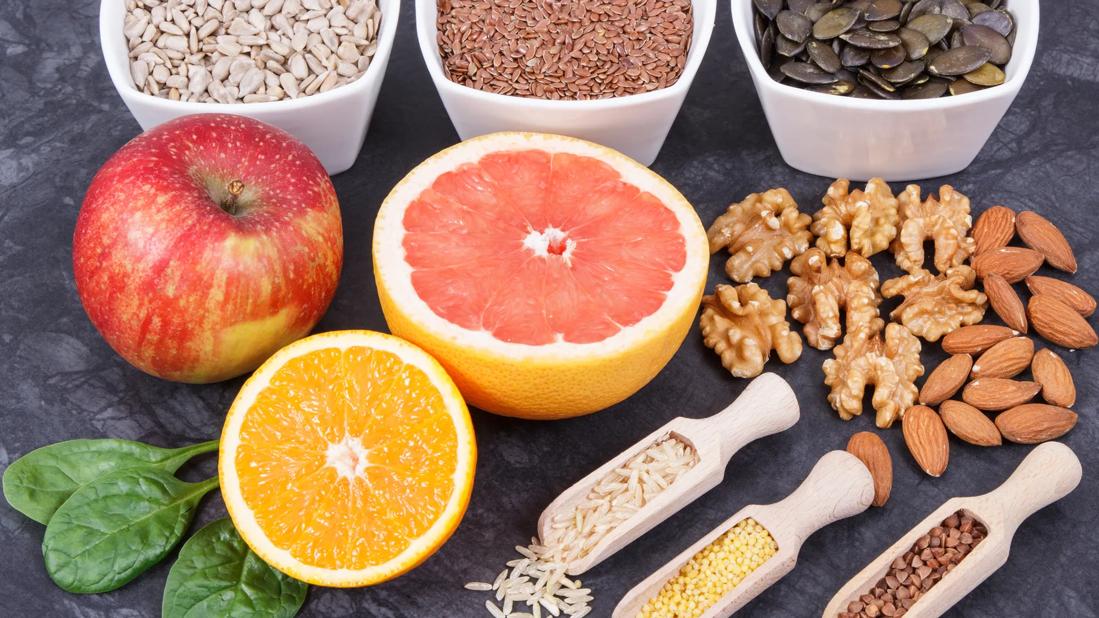
A thyroid-supportive diet is not about fear. It is about balance, consistency, and nutrient density. Most people benefit from a pattern built around vegetables, fruits, whole grains, lean protein, beans, lentils, nuts, seeds, seafood when appropriate, eggs, and dairy or fortified alternatives if tolerated.
Key nutrients for thyroid health include iodine, selenium, zinc, iron, vitamin D, vitamin B12, and protein. Selenium is involved in thyroid hormone metabolism, while iron and zinc help support normal thyroid function. But again, supplements are not automatically better. Food-first is usually safer unless a deficiency is confirmed.
Good options may include eggs, fish, poultry, beans, lentils, oats, berries, cooked vegetables, Greek yogurt, pumpkin seeds, Brazil nuts in small amounts, and balanced meals with protein and fiber. For people with hyperthyroidism, attention to calcium and vitamin D may be especially important because overactive thyroid states can affect bone health.
Medication Timing: The Hidden Thyroid Diet Rule
Many people focus on what to avoid but forget when to avoid it. With thyroid medication, timing may matter more than total elimination. Coffee, soy, calcium, iron, walnuts, high-fiber supplements, and some fortified foods are not always forbidden. They may simply need to be spaced away from medication.
A typical routine may look like this: take levothyroxine with water after waking, wait before eating or drinking coffee, then take calcium or iron later in the day if needed. Some people use bedtime dosing, but that should be discussed with a clinician and done consistently.
Consistency helps your provider interpret thyroid-stimulating hormone, free T4, and other lab results. If your medication routine changes, your lab values may change too. That is why a “perfect” diet that changes every three days is often less useful than a good routine you can actually maintain.
Common Myths About Foods and Thyroid Issues
Myth 1: Everyone with thyroid disease must avoid broccoli
False. Normal portions of cooked cruciferous vegetables are generally fine for many people and provide valuable nutrients. Extreme raw intake is the bigger concern.
Myth 2: Soy destroys thyroid function
Not exactly. Soy may interfere with thyroid medication absorption if eaten too close to dosing, but moderate soy intake is not automatically harmful for people with adequate iodine intake.
Myth 3: More iodine always helps
False. Both too little and too much iodine can cause problems. People with autoimmune thyroid disease may be sensitive to excess iodine.
Myth 4: A thyroid diet can replace medication
False. Food can support health, but it does not replace prescribed thyroid treatment. Untreated thyroid disease can cause serious health problems.
of Real-Life Experience: What Thyroid-Friendly Eating Looks Like Day to Day
Living with thyroid issues often feels less like following a dramatic “avoid everything” diet and more like learning a new rhythm. The most common experience people describe is confusion. One website says kale is dangerous. Another says kale is a superfood. A friend says soy is terrible. A podcast guest says iodine cured everything. Meanwhile, your doctor just wants your TSH checked again in six weeks. It is enough to make anyone stare into the refrigerator like it contains a final exam.
In real life, the biggest improvements usually come from simple habits. For example, many people notice better lab consistency after taking thyroid medication the same way every morning: water only, no coffee right away, no supplements next to it, and breakfast after a short waiting period. This does not feel glamorous, but it can be powerful. Thyroid care is often less “detox smoothie” and more “please stop taking your pill with a caramel latte.”
Another real-world lesson is that food fear can become exhausting. Someone with hypothyroidism may read about goitrogens and suddenly avoid broccoli, cauliflower, kale, cabbage, soy, strawberries, peaches, peanuts, and half the produce aisle. That level of restriction is rarely necessary and can make meals boring, stressful, and less nutritious. A more practical approach is to cook cruciferous vegetables, eat varied portions, and avoid extreme habits like daily giant raw kale juices.
People also learn that “healthy” foods can still have timing issues. A smoothie with soy milk, chia seeds, protein powder, and calcium-fortified ingredients may be nutritious, but it is not ideal ten minutes after levothyroxine. A high-fiber breakfast may support digestion, but if it suddenly replaces a lighter breakfast, medication absorption and thyroid labs may shift. The lesson is not that fiber is bad. The lesson is that consistency matters.
Dining out brings another challenge. Restaurant meals can be salty, rich, and unpredictable. If you have thyroid issues, you do not need to interrogate the waiter about iodine content like a detective in a medical drama. Instead, focus on balanced choices: protein, vegetables, whole-food sides, and reasonable portions. If you have hyperthyroidism or have been told to limit iodine, be cautious with seaweed-heavy dishes, kelp broths, and seafood feasts until your provider gives personalized guidance.
Supplement aisles are another trap. Many “thyroid support” products sound helpful but may contain iodine, kelp, selenium, herbs, or glandular extracts in amounts that are not appropriate for everyone. People often assume supplements are gentle because they are sold next to vitamins, but thyroid hormones are powerful. A supplement that pushes thyroid activity in the wrong direction can create real problems.
The most sustainable experience is usually flexible, not fearful. Keep a steady medication routine. Be cautious with high-iodine foods and poorly timed calcium, iron, soy, and coffee. Eat mostly whole foods. Cook your vegetables. Do not let internet myths bully you out of nutritious meals. And when labs change, bring your actual routine to your healthcare provider: what you eat, when you take medication, what supplements you use, and what changed recently. That information can be more useful than any trendy thyroid food list.
Conclusion
Foods to avoid if you have thyroid issues depend on your diagnosis, medication, iodine status, and overall health. High-iodine seaweed products, iodine supplements, and unregulated thyroid support formulas deserve serious caution. Coffee, soy, calcium, iron, walnuts, fortified drinks, and high-fiber foods may need careful timing around thyroid medication rather than complete avoidance. Raw cruciferous vegetables, cassava, millet, and other goitrogenic foods are usually most concerning when eaten in very large amounts or when iodine intake is low.
The best thyroid diet is not extreme. It is balanced, consistent, nutrient-rich, and personalized. Your thyroid does not need panic. It needs a smart routine, reliable medical care, and meals that support your body without making dinner feel like a chemistry exam.
SEO Tags