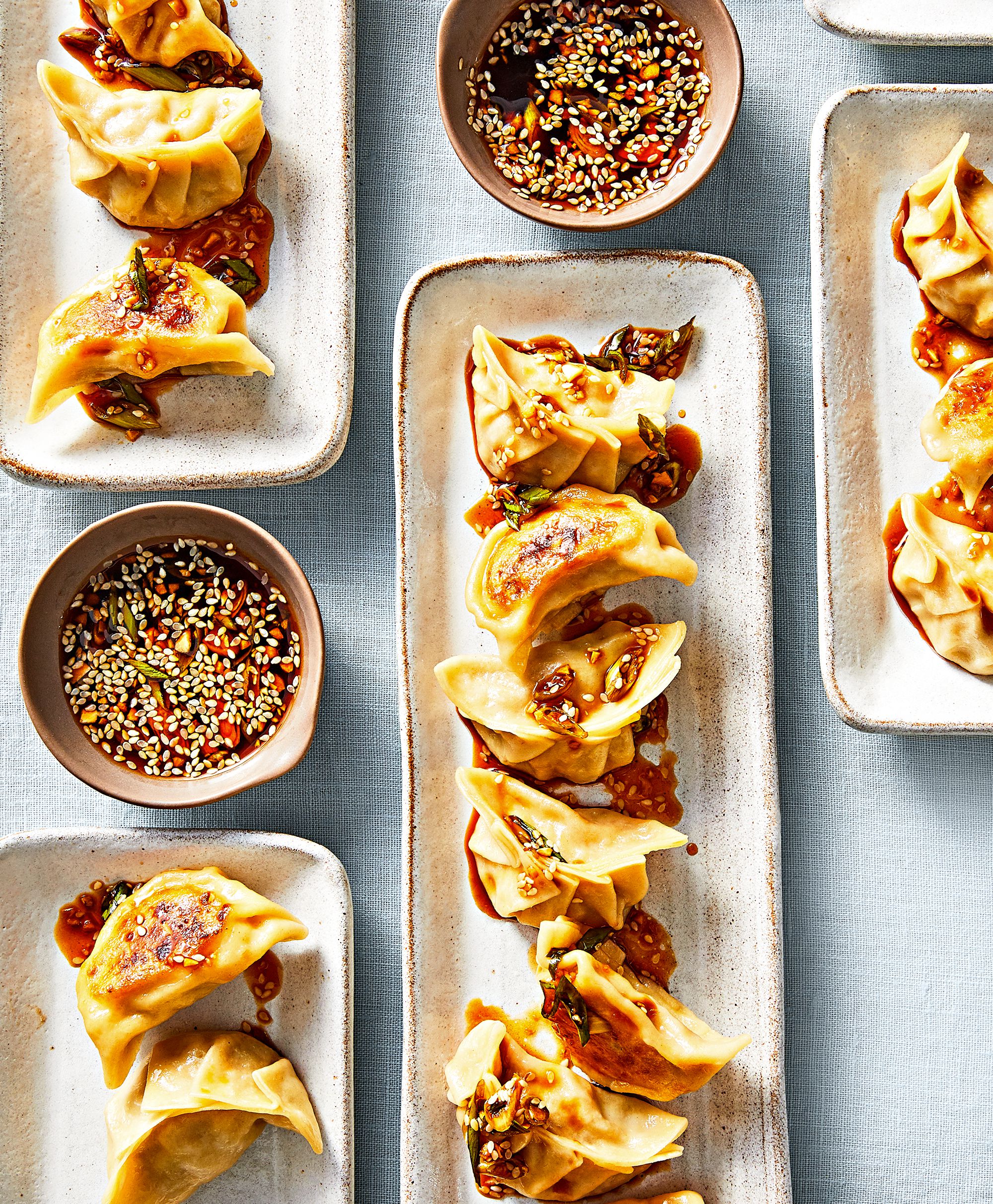

Note: This Japanese pan-fried chicken gyoza recipe is designed for home cooks who want crisp bottoms, juicy filling, tender wrappers, and a dipping sauce that does not taste like it was assembled during a commercial break.
Why This Japanese Pan-Fried Chicken Gyoza Recipe Works
Japanese pan-fried chicken gyoza is the kind of food that disappears suspiciously fast. You set a plate on the table, turn around to grab chopsticks, and suddenly three people are “just tasting one.” That is the magic of gyoza: crisp on the bottom, tender on top, savory inside, and perfectly shaped for dipping.
Traditional gyoza often uses pork, but ground chicken makes a lighter, cleaner-tasting version that still has plenty of flavor when treated correctly. The secret is moisture management. Chicken is leaner than pork, so this recipe builds juiciness with finely chopped cabbage, green onions, ginger, garlic, soy sauce, sesame oil, and a small amount of cornstarch to help bind the filling. The result is not dry, not bland, and definitely not a sad little dumpling with self-esteem issues.
The cooking method is the classic Japanese steam-fry technique. First, the dumplings are pan-fried until the bottoms turn golden. Then water is added, the pan is covered, and the gyoza steam until cooked through. Finally, the lid comes off so the remaining moisture evaporates and the bottoms crisp again. It is a three-act play: sizzle, steam, crunch.
Ingredients for Chicken Gyoza
For the Filling
- 1 pound ground chicken, preferably not extra-lean
- 2 cups finely chopped green cabbage or napa cabbage
- 1 teaspoon kosher salt, divided
- 3 green onions, finely sliced
- 2 garlic cloves, grated or minced
- 1 tablespoon fresh ginger, grated
- 1 tablespoon soy sauce
- 1 tablespoon toasted sesame oil
- 1 teaspoon rice vinegar
- 1 teaspoon cornstarch
- 1/4 teaspoon white pepper or black pepper
- Optional: 1 teaspoon miso paste for deeper umami
For Wrapping and Cooking
- 40 to 45 round gyoza wrappers
- Small bowl of water, for sealing
- 2 to 3 tablespoons neutral oil, such as canola or vegetable oil
- 1/2 cup water, divided as needed for steaming
- 1 teaspoon toasted sesame oil, for finishing each batch
For the Dipping Sauce
- 3 tablespoons soy sauce
- 2 tablespoons rice vinegar
- 1 teaspoon toasted sesame oil
- Optional: chili oil, sliced scallions, grated ginger, or a pinch of sugar
How to Make Japanese Pan-Fried Chicken Gyoza
Step 1: Salt and Drain the Cabbage
Place the finely chopped cabbage in a bowl and toss it with 1/2 teaspoon kosher salt. Let it sit for 10 minutes. The cabbage will release water, which is exactly what you want. Squeeze it firmly with your hands or in a clean kitchen towel until most of the moisture is gone.
This step matters because watery cabbage can make the filling loose and cause the wrappers to soften before cooking. Gyoza should be juicy inside, not leaking like a tiny vegetable sprinkler.
Step 2: Mix the Chicken Filling
In a large bowl, combine the ground chicken, squeezed cabbage, green onions, garlic, ginger, soy sauce, sesame oil, rice vinegar, cornstarch, pepper, remaining salt, and optional miso paste. Mix in one direction with a spoon or clean hands for 2 to 3 minutes, until the filling becomes sticky and slightly springy.
That sticky texture is a good sign. It means the proteins are binding, helping the filling hold together instead of crumbling after cooking. For best flavor, cover the bowl and refrigerate the filling for 20 to 30 minutes while you prepare your wrappers and dipping sauce.
Step 3: Fill the Gyoza Wrappers
Place one gyoza wrapper on your palm or a clean cutting board. Add about 2 teaspoons of chicken filling to the center. Avoid overfilling. Yes, more filling sounds heroic, but overstuffed gyoza burst open in the pan and turn into dumpling confetti.
Dip your finger in water and moisten the edge of the wrapper. Fold the wrapper in half over the filling. Pleat only the front edge, pressing each pleat against the flat back edge to seal. Aim for 4 to 6 pleats per dumpling. The gyoza should stand with a flat bottom and a curved top.
Step 4: Pan-Fry the Bottoms
Heat 1 tablespoon neutral oil in a nonstick or well-seasoned skillet over medium-high heat. Arrange the gyoza flat-side down in a single layer, leaving a little space between each one. Cook for 2 to 3 minutes, until the bottoms are golden brown.
Do not move them too much at this stage. Let the pan do its crispy little job. If you keep poking them, they will not brown evenly, and the gyoza may take it personally.
Step 5: Steam the Dumplings
Carefully add 1/4 cup water to the pan and immediately cover with a lid. The pan will hiss and steam, so keep your face and hands away from the dramatic cloud. Reduce the heat to medium and cook for 5 to 6 minutes, or until the wrappers look translucent and the chicken filling is fully cooked.
For food safety, ground chicken should reach 165°F in the center. If you are new to making chicken gyoza, checking one dumpling with an instant-read thermometer is a smart move. Nobody loses style points for using science.
Step 6: Crisp Again
Remove the lid and let the remaining water evaporate. Drizzle in a little toasted sesame oil around the gyoza and continue cooking for 1 to 2 minutes, until the bottoms are crisp and deeply golden. Transfer the gyoza to a plate crispy-side up, because you worked hard for that crunch and it deserves to be seen.
The Best Dipping Sauce for Chicken Gyoza
A classic gyoza dipping sauce is simple: soy sauce and rice vinegar, usually with chili oil if you like heat. The balance matters. Soy sauce brings salt and umami, rice vinegar adds brightness, and sesame oil gives a nutty finish.
For a sharper sauce, use equal parts soy sauce and rice vinegar. For a rounder sauce, add a tiny pinch of sugar or a few drops of mirin. For a spicy Japanese-style kick, add chili oil or a small spoonful of yuzu kosho. If you want a fresh flavor, stir in sliced scallions or grated ginger.
Do not drown the gyoza. Dip the crispy edge lightly so you get contrast: crunchy bottom, tender wrapper, juicy chicken filling, and a bright sauce that wakes everything up.
Tips for Crispy, Juicy Chicken Gyoza
Use Ground Chicken with Some Fat
Extra-lean ground chicken can make dry gyoza. If possible, choose ground chicken that includes dark meat or a blend of white and dark meat. A little fat helps carry flavor and keeps the filling tender.
Chop Vegetables Very Fine
Large cabbage pieces can tear wrappers and make the filling bulky. Finely chopped cabbage blends more smoothly with the chicken and helps each gyoza cook evenly.
Do Not Skip the Cabbage Squeeze
Removing excess cabbage water is one of the biggest differences between neat, juicy dumplings and wrappers that turn soggy before they even reach the pan.
Seal the Edges Well
A good seal keeps the filling inside during steaming. If the wrappers feel dry, use a bit more water along the edge. If they feel sticky and fragile, use less filling and work faster.
Cook in Batches
Crowding the skillet traps too much steam and prevents the bottoms from crisping properly. Give your gyoza room, the same way you would give room to someone carrying hot soup.
Common Mistakes to Avoid
Overfilling the Wrappers
The most common gyoza mistake is adding too much filling. It feels generous, but it makes sealing difficult and increases the chance of bursting. Two teaspoons is usually enough for standard wrappers.
Using Too Much Water in the Pan
You only need enough water to create steam. Too much water can make the wrappers gummy and delay crisping. Start with 1/4 cup per batch and add a splash more only if the pan dries out before the filling cooks.
Cooking Over Heat That Is Too Low
Low heat can make the bottoms pale and oily. Medium-high heat at the beginning helps create a golden crust, while medium heat during steaming cooks the filling without scorching the wrapper.
Serving Too Late
Gyoza are at their best right after cooking. They stay tasty as they cool, but that crisp bottom is a temporary gift. Eat while hot and accept applause gracefully.
How to Freeze Chicken Gyoza
Chicken gyoza freezes beautifully, which is wonderful news for future you. Arrange uncooked gyoza in a single layer on a parchment-lined baking sheet. Freeze until solid, then transfer them to a freezer-safe bag or container.
Cook frozen gyoza directly from the freezer. Do not thaw them first, or the wrappers may become sticky. Add an extra 2 to 3 minutes to the steaming time and make sure the chicken filling reaches 165°F. This method gives you homemade dumplings on demand, which is the closest most of us will get to having a personal snack assistant.
What to Serve with Japanese Chicken Gyoza
Japanese pan-fried chicken gyoza can be served as an appetizer, side dish, party snack, or main meal. For a simple dinner, pair it with steamed rice, miso soup, cucumber salad, or stir-fried vegetables. For a Japanese-inspired spread, serve it with edamame, seaweed salad, ramen, yakisoba, or cold sesame noodles.
If you are serving guests, place the gyoza crispy-side up on a platter with small bowls of dipping sauce. Add sliced scallions, sesame seeds, or chili oil on the side so everyone can customize their plate. This keeps the dish interactive without requiring anyone to assemble furniture or read a 14-page manual.
Recipe Variations
Chicken Mushroom Gyoza
Add 1/2 cup finely chopped shiitake or cremini mushrooms to the filling. Mushrooms bring earthy flavor and extra moisture, making them especially useful in chicken gyoza.
Spicy Chicken Gyoza
Add 1 to 2 teaspoons chili garlic paste, sriracha, or Japanese chili oil to the filling. Keep the dipping sauce simple so the spice does not overpower the dumplings.
Chicken and Shiso Gyoza
Finely slice fresh shiso leaves and mix them into the filling for a bright, herbal flavor. Shiso pairs especially well with chicken, ginger, and ponzu-style dipping sauce.
Crispy Skirt Gyoza
For a dramatic restaurant-style finish, mix 1/2 cup water with 1 teaspoon flour or cornstarch and use it as the steaming liquid. As the liquid evaporates, it forms a thin, lacy crust around the dumplings. It looks fancy, but it is secretly easy, which is the best kind of fancy.
Storage and Reheating
Cooked chicken gyoza can be stored in an airtight container in the refrigerator for up to 3 to 4 days. Reheat them in a skillet over medium heat with a small splash of water. Cover briefly to warm the filling, then uncover and cook until the bottoms crisp again.
A microwave works in an emergency, but it softens the wrapper. Use a skillet when you can. Gyoza deserve a comeback, not a soggy second act.
Personal Cooking Experiences with Japanese Pan-Fried Chicken Gyoza
The first time many home cooks make Japanese pan-fried chicken gyoza, they discover two things very quickly. First, folding dumplings is easier than it looks once you stop demanding perfection from every pleat. Second, the first batch is usually the “learning batch,” which is a polite way of saying it may look like it had a small disagreement with gravity.
In practice, the best gyoza are not always the prettiest ones. A slightly uneven pleat will not matter once the bottom is golden and the filling is juicy. What matters more is the seal. If the dumpling is sealed well, it will steam properly, hold its shape, and deliver that satisfying bite. After five or six wrappers, your hands begin to understand the motion. By the twentieth, you may start acting like you run a tiny dumpling factory.
One useful experience is learning how the filling should feel before wrapping. A good chicken gyoza filling should be sticky, moist, and cohesive. If it looks loose or watery, the cabbage probably needs more squeezing. If it looks dry, a teaspoon of sesame oil or a tablespoon of finely chopped mushroom can help. Ground chicken can vary from brand to brand, so paying attention to texture is more reliable than following the recipe blindly.
The pan also teaches important lessons. A heavy nonstick skillet is forgiving and great for beginners. A cast-iron skillet can produce excellent crisping, but only if it is well seasoned and properly heated. Stainless steel can work, but it requires more confidence because the gyoza may stick if the oil and heat are not right. For a first attempt, nonstick is the friendly neighbor who lends you sugar and does not judge your pleats.
Another lesson: the sound of the pan matters. When the water first hits the hot skillet, the loud hiss tells you steam is forming immediately. During the covered stage, the sound softens. When the water has nearly evaporated, the sound changes again to a sharper sizzle. That is your cue to remove the lid, add a little sesame oil, and let the bottoms crisp. Cooking by sound may feel old-school, but with gyoza, it works beautifully.
Serving gyoza is also an experience in timing. They are best when everyone is ready to eat, not when someone is still “almost done” choosing a movie. If making several batches, place cooked gyoza on a wire rack in a warm oven for a short time, but avoid stacking them. Stacking traps steam and softens the crispy bottoms. That crisp bottom is the whole point; protect it like treasure.
Finally, homemade chicken gyoza is a great recipe to make with friends or family. One person can fill, another can fold, and another can supervise while pretending that supervision is a real job. The process is relaxing, a little messy, and very rewarding. By the end, you have a tray full of dumplings and the comforting knowledge that your freezer may now contain future dinner.
That is the real charm of this Japanese pan-fried chicken gyoza recipe. It is not just a dish; it is a small kitchen ritual. Chop, mix, fold, fry, steam, crisp, dip, repeat. And when the plate is empty faster than expected, take it as a compliment. Or hide a second batch in the freezer like a responsible adult with excellent priorities.
Conclusion
Japanese pan-fried chicken gyoza is crispy, juicy, flavorful, and surprisingly practical once you understand the basic method. The key is balancing lean ground chicken with moisture-rich cabbage, aromatics, seasonings, and proper steam-frying. With a hot pan, a good seal, and a simple dipping sauce, you can make homemade gyoza that tastes restaurant-worthy without needing professional equipment.
Whether you serve these dumplings as an appetizer, weeknight dinner, freezer meal, or party snack, they bring big flavor in small packages. And yes, the pleats get better with practice. Even if they do not, crispy bottoms forgive almost everything.
SEO Tags