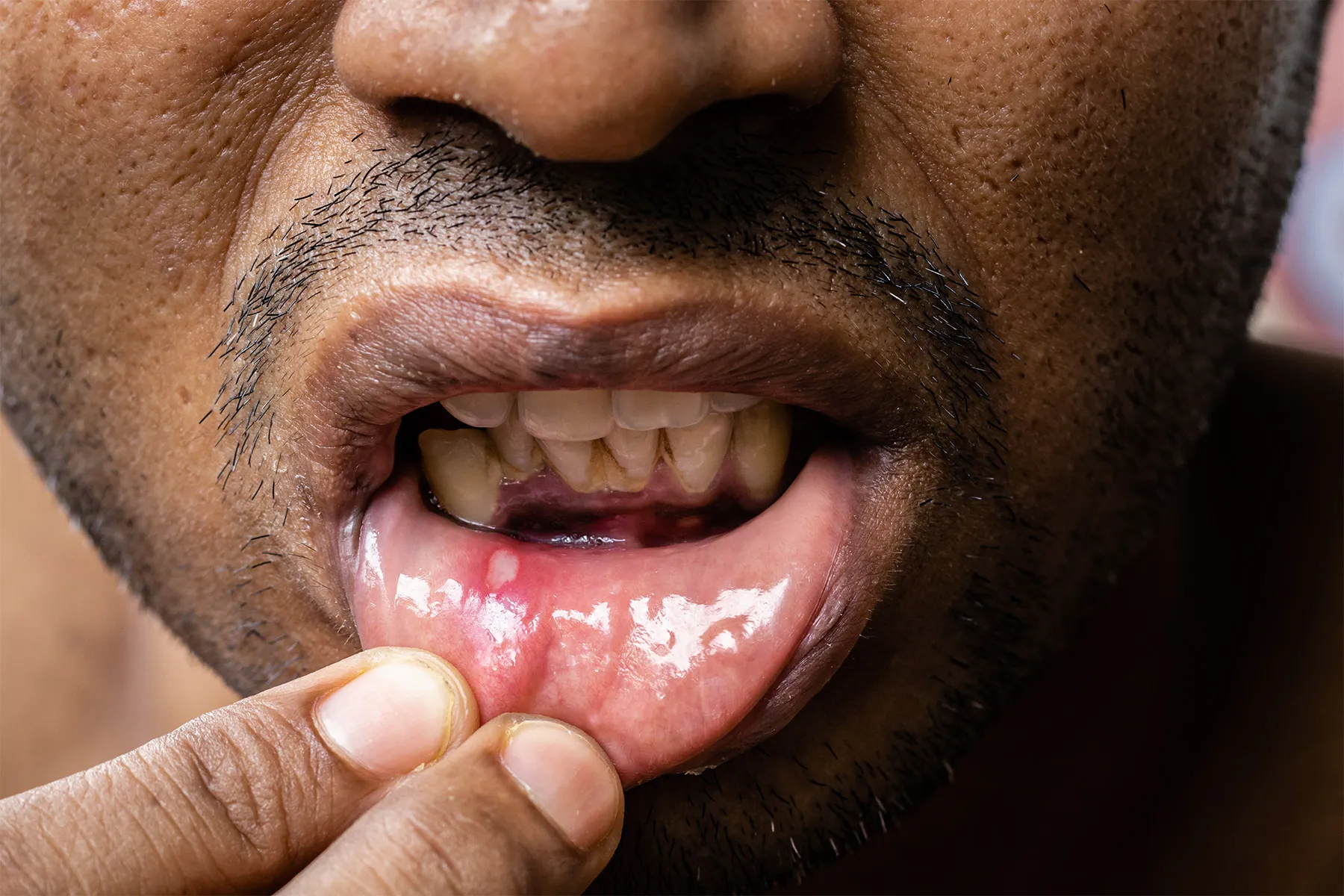

You wake up, shuffle to the mirror, and there it is: a tiny red bump near your lip, looking suspiciously dramatic for something so small. Is it a pimple? A cracked lip? A canker sore? Or the famous little troublemaker known as a cold sore?
Cold sore symptoms can be confusing at first because they often start before anything obvious appears on the skin. A tingling lip, a burning patch, a tight feeling near the mouth, or a cluster of small blisters can all be clues. Cold sores, also called fever blisters or herpes labialis, are usually caused by herpes simplex virus type 1, often shortened to HSV-1. They commonly show up on or around the lips, but they may also appear near the nose, cheeks, chin, or inside the mouth, especially during an early infection.
The good news: cold sores are common, manageable, and usually heal without scarring. The less charming news: they are contagious and have a talent for arriving before dates, job interviews, weddings, and every photo-heavy event known to humanity. This guide explains how to recognize cold sore symptoms, how cold sores progress, what they can be mistaken for, when to see a healthcare provider, and what real-life experience can teach you about managing outbreaks with less panic and more lip balm strategy.
What Is a Cold Sore?
A cold sore is a small, painful blister or cluster of blisters that usually forms on or around the lips. It is caused by the herpes simplex virus. HSV-1 is the most common cause of oral cold sores, although HSV-2, more often linked with genital herpes, can also infect the mouth through oral contact.
After a person gets HSV, the virus does not fully leave the body. Instead, it becomes inactive in nerve cells. Later, it can reactivate and travel back to the skin, causing another outbreak. That is why cold sores may return in the same general area. They are not a sign that you are dirty, careless, or cursed by the lip gods. They are a sign that a very common virus has decided to make an appearance.
Early Cold Sore Symptoms: The Warning Signs Before the Blister
Many people notice symptoms before they can actually see a cold sore. This early phase is called the prodrome stage. It may happen several hours to a day or two before blisters appear.
Common early symptoms include:
- Tingling around the lips or mouth
- Burning, itching, or stinging
- A tight or tender feeling in one small area
- Redness or mild swelling
- A small hard spot that feels sore before blistering
- Sensitivity when eating salty, spicy, or acidic foods
The tingling stage is often the biggest clue. Pimples usually do not announce themselves with a strange buzzing or burning feeling before they appear. Cold sores often do. If you have had cold sores before and feel that familiar “uh-oh” sensation in the same spot, your lip may be giving you an early warning.
What Does a Cold Sore Look Like?
A typical cold sore appears as a cluster of small, fluid-filled blisters. These blisters often sit along the border of the lip, but they may also show up around the nose, chin, cheeks, or mouth. The skin may look red, swollen, shiny, or irritated. The area can be painful, tender, or itchy.
Cold sores often develop in stages. At first, you may feel tingling or burning. Then a red bump or small group of bumps appears. These bumps become fluid-filled blisters. The blisters may merge, break open, leak fluid, form shallow sores, crust over, and eventually heal.
On lighter skin, the area may look pink or red. On darker skin, a cold sore may appear reddish-brown, purple, grayish, or darker than the surrounding skin. The scab may look yellow, brown, or dark. Because skin tone affects how inflammation appears, focus not only on color but also on symptoms: tingling, clustered blisters, pain, oozing, crusting, and recurrence in the same spot.
The 5 Stages of a Cold Sore
1. Tingling Stage
This is the “something is coming” stage. You may feel itching, burning, stinging, or tightness near the lip. The skin may look normal at first, which is deeply unfair because your lip already knows the plot twist.
2. Blister Stage
Small fluid-filled blisters appear, often in a cluster. The area may be swollen, red, and painful. This is one of the most recognizable cold sore symptoms and also one of the most contagious periods.
3. Oozing Stage
The blisters may break open and release fluid. This can leave shallow, painful sores. The area may burn or sting, especially when touched by food, drinks, toothpaste, or your own regrettable decision to “just check it.”
4. Crusting Stage
The open sore begins to dry and form a scab. The scab may crack, bleed slightly, itch, or feel tight when you smile, talk, or eat. This stage is healing, but the sore is still not fully done with its performance.
5. Healing Stage
The scab falls off and the skin underneath gradually returns to normal. Most cold sores heal within one to two weeks, though some can take longer. They usually do not leave scars unless they are picked, irritated, or infected.
Cold Sore vs. Pimple: How to Tell the Difference
A cold sore and a pimple can both appear near the mouth, but they are not the same. A pimple forms when a pore becomes clogged with oil, dead skin cells, and bacteria. A cold sore is caused by HSV and is contagious.
Signs it may be a cold sore:
- It starts with tingling, burning, or itching
- It forms a cluster of small blisters
- It appears on or very close to the lip border
- It leaks clear or yellowish fluid before crusting
- It returns in the same area
- It feels more like burning or stinging than pressure
Signs it may be a pimple:
- It appears as a single bump with a whitehead or blackhead
- It forms where hair follicles or pores are present
- It feels sore when pressed but usually does not tingle first
- It is not contagious
- It may be linked with oily skin, makeup, hormones, or clogged pores
Important tip: do not pop either one. Popping a pimple can worsen inflammation. Popping a cold sore can spread virus-containing fluid, delay healing, and increase the risk of infection. Your fingers are not a dermatology clinic.
Cold Sore vs. Canker Sore
Cold sores and canker sores are often confused, but they are very different. Cold sores are usually caused by HSV, often appear on or around the lips, and are contagious. Canker sores are not caused by HSV, are not contagious, and usually appear inside the mouth on soft tissues such as the inner cheeks, gums, tongue, or inside of the lips.
A canker sore often looks like a round or oval ulcer with a white, yellow, or gray center and a red border. It may hurt when eating acidic or spicy foods. A cold sore usually begins with tingling and turns into fluid-filled blisters before crusting.
First Cold Sore Outbreak Symptoms
The first oral herpes outbreak may be more intense than later outbreaks. Some people have no noticeable symptoms at all, while others experience painful sores in or around the mouth.
First outbreak symptoms may include:
- Painful blisters or ulcers around the lips, mouth, or gums
- Fever
- Sore throat
- Swollen lymph nodes
- Headache or body aches
- Pain while eating or drinking
- Bad breath or drooling in children with mouth pain
Children can get oral HSV from close contact, such as kisses from someone carrying the virus. In kids, the first infection may cause widespread mouth soreness and trouble drinking. If a child cannot stay hydrated, medical care is important.
What Triggers Cold Sore Symptoms?
Once HSV is in the body, certain triggers can wake it up. Triggers vary from person to person, but many people notice patterns over time.
Common cold sore triggers include:
- Stress or emotional strain
- Fever, cold, flu, or other illness
- Sun exposure or sunburn
- Chapped or injured lips
- Fatigue or lack of sleep
- Hormonal changes
- Dental work or irritation around the mouth
- A weakened immune system
If you get recurring cold sores, tracking triggers can help. A simple note on your phone may reveal that outbreaks happen after beach days, exam weeks, business deadlines, or nights when sleep was treated like an optional hobby.
Are Cold Sores Contagious?
Yes. Cold sores are contagious, especially from the first tingling symptoms until the skin fully heals. The virus can spread through direct contact with the sore or saliva. Kissing, sharing cups, utensils, razors, towels, lip balm, or touching the sore and then touching another person can spread HSV.
Cold sores are most contagious when blisters are present and oozing, but transmission can happen even when symptoms are mild. During an outbreak, avoid kissing, oral sex, and sharing items that touch the mouth. Wash your hands often, especially after applying medicine or touching your face.
How Long Do Cold Sore Symptoms Last?
Many cold sores heal in about 7 to 14 days. Some may take up to a few weeks, especially during a first outbreak or if the sore is irritated. The healing timeline depends on your immune system, treatment timing, whether you pick at the scab, and how well you protect the area.
Antiviral treatment works best when started early, ideally at the first sign of tingling or burning. Over-the-counter products may help reduce discomfort, while prescription antivirals may shorten outbreaks for some people, especially those with frequent or severe cold sores.
When Should You See a Doctor?
Most cold sores heal on their own, but some situations need medical attention. See a healthcare provider if you are unsure whether the sore is a cold sore, if symptoms are severe, or if outbreaks happen often.
Get medical care if:
- A cold sore lasts longer than two weeks
- You get cold sores frequently, such as six or more times per year
- The sore is near your eye or you have eye pain, redness, or sensitivity to light
- You have eczema or a weakened immune system
- You develop many sores or severe pain
- A baby or young child has symptoms and trouble drinking
- You have fever, swollen glands, or signs of dehydration
- The sore has increasing redness, pus, warmth, or swelling that may suggest infection
Eye symptoms are especially important. HSV can affect the eye and needs prompt medical evaluation. Do not put cold sore creams near the eye unless a healthcare provider tells you to.
How Cold Sore Symptoms Are Diagnosed
Healthcare providers can often diagnose a cold sore by looking at it and asking about symptoms. The classic pattern of tingling followed by clustered blisters near the lip is usually recognizable.
If the diagnosis is unclear, a provider may swab the sore for testing. Blood tests can show whether someone has been exposed to HSV, but they do not always prove that a current lip lesion is a cold sore. A swab from an active sore is more useful when confirmation is needed.
What Helps Cold Sore Symptoms Feel Better?
Cold sores need time to heal, but comfort care can make the experience less miserable. Think of it as creating a tiny recovery spa for your lip, minus the cucumber water.
Helpful self-care steps include:
- Apply a cold compress to reduce pain and swelling
- Use lip balm with sunscreen to protect healing skin
- Avoid spicy, salty, or acidic foods if they sting
- Do not pick, peel, or pop blisters or scabs
- Wash hands before and after applying medicine
- Use separate towels and avoid sharing lip products
- Ask a pharmacist or healthcare provider about pain relief options
- Talk with a provider about antivirals if outbreaks are frequent
The biggest mistake people make is picking the scab. It is tempting, especially when the scab feels tight or looks obvious. But picking can reopen the sore, spread fluid, cause bleeding, and delay healing. Let the scab do its boring but important job.
Can You Prevent Cold Sore Outbreaks?
You may not be able to prevent every outbreak, but you can reduce the odds. Protect your lips from sun exposure, manage stress, sleep well, avoid sharing mouth-contact items, and treat symptoms early. If sun is a trigger, daily SPF lip balm can be surprisingly useful.
For people with frequent, painful, or poorly timed outbreaks, a healthcare provider may recommend prescription antiviral medication. Some people take it only when symptoms start; others may take daily suppressive therapy for prevention. The best option depends on your outbreak pattern and overall health.
Cold Sore Symptoms: Quick Checklist
Still wondering, “Do I have a cold sore?” Use this checklist:
- Did the area tingle, burn, itch, or sting before anything appeared?
- Is the sore on or near the lip border?
- Are there multiple tiny blisters clustered together?
- Did the blisters open, ooze, and crust over?
- Has this happened before in the same spot?
- Did it appear after stress, illness, sun exposure, or fatigue?
- Is it painful in a burning or stinging way?
If several answers are yes, a cold sore is a strong possibility. If you are unsure, if this is your first outbreak, or if the sore looks unusual, getting a professional diagnosis is the smartest move.
Real-Life Experience: What Cold Sore Symptoms Feel Like and What People Learn
People often describe their first cold sore with the same basic story: “I thought it was just dry skin.” That is completely understandable. A cold sore rarely walks in wearing a name tag. At first, it may feel like a tiny patch of chapped lip, a weird itch, or a burning spot you keep noticing while drinking coffee. Then, by the next morning, the area looks swollen or bumpy, and suddenly the mirror becomes a crime scene investigation.
One common experience is the “tingle of doom.” People who get recurring cold sores often learn to recognize it fast. It may happen on the same side of the upper lip, in the corner of the mouth, or just under the nose. The skin may look normal, but it feels different: warm, tight, prickly, or irritated. That early signal matters because treatment tends to work best when started quickly. Many people learn to keep their cold sore medication, lip sunscreen, and clean cotton swabs in an easy-to-find place rather than buried in a bathroom drawer with expired cough drops and mystery hotel shampoo.
Another real-world lesson is that cold sores are emotionally annoying, not just physically uncomfortable. The sore may be small, but because it sits on the face, it can feel huge. People may worry that everyone is staring at it. Usually, others notice less than we imagine. Still, it is normal to feel self-conscious. Using a cold sore patch, avoiding picking, and calmly explaining “I have a cold sore, so I’m avoiding sharing drinks” can make the situation feel less awkward.
Food also becomes an instant teacher. Orange juice, salsa, vinegar, salty chips, and spicy ramen may suddenly feel like they were invented by villains. During the painful stage, soft, bland foods are often easier. Drinking through a straw may help if the sore is on the lip, but avoid sharing straws or cups. Toothpaste can sting too, so brushing gently and rinsing carefully can make daily care easier.
The biggest experience-based rule is simple: do not pick the scab. Many people learn this the hard way. A scab that gets peeled too soon can crack, bleed, and restart the healing drama. It may also make the sore look worse for longer. Keeping the area moisturized with an appropriate product recommended by a healthcare professional or pharmacist can reduce cracking.
People also learn their personal triggers. For some, it is sun exposure after a beach day. For others, it is stress, fever, poor sleep, dental work, or getting sick. A cold sore journal may sound overly serious, but even a few notes can reveal patterns. “Three outbreaks after sunburn” is useful information. So is “every time I survive finals week on four hours of sleep and vending-machine pretzels.”
Finally, experience teaches that cold sores are manageable. They are common, they usually heal, and they do not define your health, cleanliness, or character. The best approach is early recognition, gentle care, smart prevention, and medical help when symptoms are severe, frequent, near the eye, or confusing. In other words: respect the tingle, protect the lip, wash your hands, and let healing happen.
Conclusion
Cold sore symptoms usually follow a recognizable pattern: tingling, burning, itching, blistering, oozing, crusting, and healing. The most important clue is often the early warning sensation before the blister appears. Cold sores commonly form on or around the lips, may return in the same spot, and are contagious until fully healed.
While most cold sores clear on their own, early treatment and careful self-care can reduce discomfort and may shorten the outbreak. Avoid kissing, oral sex, and sharing mouth-contact items during an outbreak. See a healthcare provider if symptoms are severe, frequent, near the eye, long-lasting, or affecting a baby, someone with eczema, or someone with a weakened immune system.
A cold sore may be tiny, but knowing what it is gives you a big advantage. Once you understand the signs, stages, triggers, and prevention tips, you can handle the next outbreak with less confusion and a lot more confidence.