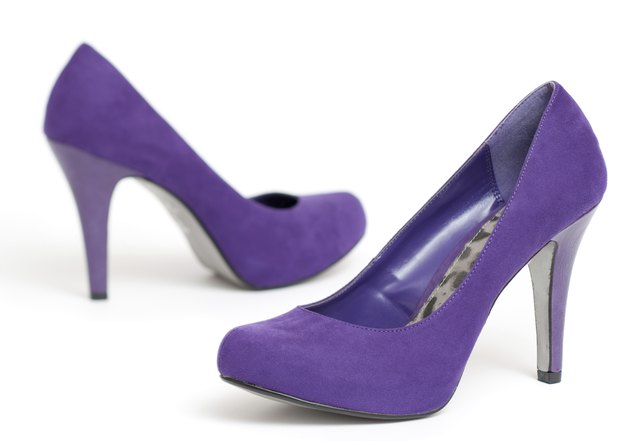

Velvet shoes are the charming drama queens of the footwear world. They look luxurious, catch the light beautifully, and instantly make an outfit feel more polished. Then one rainy sidewalk, one coffee drip, or one mysterious party-floor smudge happensand suddenly your elegant velvet loafers look like they spent the weekend making questionable life choices.
The good news? You can clean velvet shoes at home if you treat them gently, work slowly, and resist the urge to scrub like you are cleaning a cast-iron skillet. Velvet is a pile fabric, which means it has tiny raised fibers that create that soft, plush finish. Those fibers can flatten, stain, mat, or develop water marks when handled roughly. The goal is not to “wash” velvet shoes. The goal is to lift dirt, refresh the nap, remove stains carefully, and let the shoes dry without damaging their texture.
This in-depth guide explains how to clean velvet shoes step by step, what supplies to use, how to treat common stains, what mistakes to avoid, and how to keep velvet heels, flats, loafers, and dress shoes looking expensiveeven if your budget says “clearance rack with confidence.”
Before You Start: Understand What Makes Velvet Shoes Delicate
Velvet is beautiful because of its napthe direction and texture of the tiny raised fibers on the surface. When light hits the nap, the fabric looks rich and dimensional. But that same texture is also why cleaning velvet shoes requires patience.
Too much water can leave rings or flatten the fibers. Harsh cleaners can fade color. Heavy scrubbing can crush the nap. Heat can set stains or distort the shape of the shoe. Basically, velvet prefers a spa day, not a pressure-washing session.
Check the Material First
Not all velvet shoes are made the same. Some are silk velvet, some are cotton velvet, and many modern pairs are polyester or synthetic velvet. Synthetic velvet is often more forgiving, while silk velvet is more delicate and usually best left to professional cleaners. Look inside the shoe, check the box, or visit the brand’s care page if you still have the product details.
If your shoes are designer, vintage, heavily embellished, or emotionally priceless, consider professional shoe cleaning. There is no shame in calling in reinforcements. Even superheroes have dry cleaners.
Supplies You Need to Clean Velvet Shoes
You do not need a laboratory of fancy products to clean velvet shoes. In fact, simpler is usually safer. Gather these items before you begin:
- Soft-bristle shoe brush, suede brush, or clean soft toothbrush
- Clean microfiber cloths
- Small bowl of lukewarm water
- Mild dish soap or gentle fabric-safe soap
- White vinegar or rubbing alcohol for certain stains
- Cornstarch or talcum powder for oil stains
- Paper towels or shoe trees to help shoes hold their shape
- Optional: handheld steamer used carefully from a distance
Before applying anything wet, always test your cleaner on a hidden area, such as the inner heel or a spot near the sole. Wait until it dries before judging the result. Velvet can darken temporarily when damp, so patience is part of the process. Yes, waiting is annoying. Yes, it is better than turning your burgundy velvet heels into abstract art.
How to Clean Velvet Shoes Step by Step
Step 1: Let the Shoes Dry Completely
If your velvet shoes are wet, muddy, or damp, do not start cleaning right away. Let them air-dry naturally at room temperature. Stuff them lightly with paper towels or use shoe trees to help preserve the shape. Keep them away from radiators, hair dryers, direct sunlight, and other heat sources.
Cleaning wet velvet can push dirt deeper into the fibers and make stains spread. Mud is much easier to remove once it dries and becomes crumbly. Think of it as letting the stain become less powerful before you make your move.
Step 2: Brush Away Loose Dirt
Once the shoes are dry, use a soft-bristle brush to remove dust, dried mud, lint, and surface debris. Brush gently in the direction of the nap. If you are not sure which way the nap runs, lightly stroke the velvet in different directions. One direction will usually look smoother and darker; follow that natural flow.
Do not press hard. The bristles should glide over the surface, not dig into it. For small details around seams, bows, straps, or embroidery, use a clean soft toothbrush and work carefully.
Step 3: Blot Spots Instead of Scrubbing
For light stains, dampen a microfiber cloth with a small amount of lukewarm water mixed with a drop of mild dish soap. The cloth should be barely damp, not dripping. Blot the stained area gently, working from the outside of the stain toward the center. This helps prevent the mark from spreading.
Avoid rubbing back and forth. Rubbing can crush the velvet pile and create shiny or bald-looking patches. If the stain begins to lift, switch to a clean area of the cloth and continue blotting. When finished, use another cloth lightly dampened with plain water to remove any soap residue.
Step 4: Clean Both Shoes Lightly for an Even Finish
If you clean one obvious spot on one shoe, the treated area may look slightly different after drying. To avoid a patchy appearance, lightly brush or refresh both shoes after spot treatment. This does not mean soaking both shoes. It simply means blending the cleaned area into the surrounding velvet so the finish looks natural.
Velvet is a little theatrical. It wants even lighting, even brushing, and even attention. Give both shoes the same gentle care, and they are more likely to look like a matching pair again.
Step 5: Air-Dry the Shoes Properly
After spot cleaning, let the velvet shoes air-dry in a cool, well-ventilated area. Keep them away from direct heat. Do not wear them while damp. Damp velvet can stretch, crease, and attract more dirt.
Once dry, brush the nap again with a soft brush. This final brushing helps lift the fibers and restore the plush texture. If the velvet still looks slightly flattened, a little steam may helpbut use caution.
How to Remove Common Stains from Velvet Shoes
Different stains need different strategies. The key is to match the method to the mess without over-wetting the fabric.
How to Remove Mud from Velvet Shoes
Let mud dry completely first. Once dry, gently brush away as much as possible. If a stain remains, blot with a barely damp cloth and a tiny amount of mild soap solution. Follow with a clean damp cloth to remove residue, then air-dry and brush the nap.
Never wipe wet mud. It spreads like gossip at a family reunion and becomes much harder to remove.
How to Remove Water Marks from Velvet Shoes
Water marks are tricky because velvet can develop rings when moisture dries unevenly. First, brush the shoe gently once dry. If the mark remains, lightly dampen a microfiber cloth with a mixture of equal parts white vinegar and water, then blot the water-stained area carefully. Do not soak the shoe.
After blotting, use a clean cloth with plain water to lightly remove vinegar residue. Allow the shoe to air-dry, then brush in the direction of the nap. For expensive or delicate velvet, skip vinegar and consult a professional cleaner.
How to Remove Oil or Grease from Velvet Shoes
Oil stains need absorption, not moisture. Sprinkle cornstarch or talcum powder over the stain and let it sit for several hours or overnight. The powder can help pull oil from the fibers. Brush it away gently, then repeat if needed.
Avoid adding water to fresh oil stains. Water and oil are not best friends, and forcing them to cooperate on velvet usually ends badly.
How to Remove Salt Stains from Velvet Shoes
Salt stains can appear after walking on winter sidewalks or treated pavement. Once the shoes are dry, brush away any loose salt. Then blot the stained area with a cloth lightly dampened with equal parts white vinegar and water. Follow with a clean, barely damp cloth to remove residue.
Let the shoes dry naturally and brush the nap afterward. If salt has dried deeply into the fabric, professional cleaning may be safer than repeated home treatments.
How to Remove Food or Drink Stains
If a spill happens, act quickly. Blot liquid with a dry microfiber cloth or paper towel. Do not rub. For thicker spills, lift away solids with the dull edge of a spoon or a clean card. Once the surface mess is gone, use a mild soap solution on a barely damp cloth and blot gently.
Coffee, wine, sauce, and colorful cocktails can stain velvet quickly, especially light-colored shoes. If the stain is large or bright, professional cleaning is the safest route. Your shoes deserve better than a risky kitchen chemistry experiment.
Can You Use Steam on Velvet Shoes?
Steam can help revive crushed velvet fibers, but it must be used carefully. Hold a handheld steamer several inches away from the shoe and allow a light mist of steam to relax the nap. Do not press the steamer directly onto the velvet. After steaming, brush the fibers gently in one direction and let the shoes dry completely.
If you do not own a steamer, you can hold the shoes in a steamy bathroom for a short time, away from direct water. The idea is to refresh the nap, not give the shoes a sauna membership.
What Not to Do When Cleaning Velvet Shoes
Knowing what to avoid is just as important as knowing what to do. Many velvet shoe disasters happen because someone panics and reaches for the strongest cleaner under the sink.
- Do not put velvet shoes in the washing machine.
- Do not soak velvet shoes in water.
- Do not scrub aggressively.
- Do not use bleach or harsh stain removers.
- Do not dry velvet shoes with a hair dryer.
- Do not iron velvet directly.
- Do not apply a cleaner without testing first.
Velvet shoes reward gentle care. Treat them like a fancy guest at dinner: no shouting, no rough handling, and definitely no bleach.
How to Protect Velvet Shoes After Cleaning
Use a Fabric Protector Carefully
A water and stain repellent spray designed for delicate fabrics or suede-like materials can help protect velvet shoes. Always check that the product is safe for velvet or delicate textiles. Test in a hidden area first, hold the spray several inches away, and apply a light, even coat. Do not saturate the fabric.
Let the shoes dry fully before wearing them. Reapply protection occasionally, especially if the shoes are worn often. Protection does not make velvet waterproof, but it can buy you valuable time when life throws a drizzle or a splash your way.
Store Velvet Shoes the Right Way
Store velvet shoes in breathable dust bags or a shoe box. Keep them away from direct sunlight, which can fade color. Avoid stacking heavy shoes on top of them because pressure can crush the nap. Use shoe trees or acid-free tissue paper to help maintain the shape.
If you own velvet heels or dress shoes for special occasions, brush them lightly before storage. Removing dust before it settles keeps the fabric fresher over time.
Brush Them After Each Wear
A quick brushing after wearing velvet shoes can prevent dirt from becoming embedded. This small habit takes less than a minute and can dramatically extend the life of your shoes. It is the footwear version of flossing: easy to skip, but future-you will be grateful.
How Often Should You Clean Velvet Shoes?
Clean velvet shoes only when needed. Over-cleaning can be just as harmful as neglect. For regular maintenance, brush after wear and spot-treat stains quickly. Deep cleaning should be occasional and gentle.
If you wear velvet shoes frequently, inspect them every few wears for dust, flattened areas, and small stains. Catching a mark early usually makes cleaning easier. Waiting until the shoes look like they have survived a music festival is less ideal.
When to Take Velvet Shoes to a Professional
Home cleaning works well for dust, minor stains, light mud, and small water marks. However, some situations deserve professional help:
- The shoes are silk velvet, vintage, designer, or very expensive.
- The stain is large, oily, dark, or deeply set.
- The color is bleeding or fading.
- The velvet is crushed, shiny, or badly matted.
- The shoes have beads, embroidery, crystals, or delicate trim.
A professional shoe cleaner can assess the fabric, dye stability, and shoe construction. That may cost more than a DIY method, but it can save a beloved pair from permanent damage.
Real-Life Experience: Lessons Learned from Cleaning Velvet Shoes
Cleaning velvet shoes teaches you one thing very quickly: confidence is useful, but overconfidence is dangerous. The first time many people try to clean velvet, they treat it like canvas or leather. They add water, scrub hard, and hope for the best. Velvet, being velvet, responds with flattened fibers and a dramatic stain ring that seems to say, “I warned you.”
One of the most useful experiences with velvet shoe care is learning to pause before doing anything. If a velvet loafer gets mud on it, the instinct is to wipe it immediately. But dried mud is easier to brush away than wet mud. Waiting feels wrong, yet it often produces a better result. Once the mud dries, a soft brush can lift most of it without spreading the mess. The remaining mark can usually be handled with careful blotting.
Another practical lesson is that less cleaner usually works better. A microfiber cloth that is barely damp can be more effective than a soaked cloth. Velvet does not need a bath; it needs a controlled touch. When using mild soap, a tiny amount is enough. Too much soap can leave residue, attract dirt, and make the fabric look dull. If you see suds everywhere, you have probably gone too far. Your shoes are not dishes.
Oil stains are another memorable challenge. A small grease mark from food can look terrifying on velvet, especially on black, navy, blush, or emerald shoes. But powder can be surprisingly helpful. Cornstarch sprinkled over the stain and left overnight often reduces the mark without adding moisture. The important part is patience. Brushing the powder away too soon may not give it enough time to absorb the oil.
Water marks can be the most frustrating because they may appear after the shoe is already “clean.” A small splash dries into a ring, and suddenly the shoe looks worse than before. The best approach is gentle blending: blot lightly, avoid over-wetting, dry naturally, and brush the nap. Sometimes the mark improves after the final brushing. Sometimes it needs another cautious treatment. And sometimes, especially with delicate velvet, the smartest move is to stop and call a professional.
Storage also matters more than people expect. Velvet shoes left uncovered in a closet collect dust quickly. Shoes tossed under heavier boots can develop flattened areas. A simple dust bag, tissue paper, and a soft brush nearby can prevent many problems before they begin. The best cleaning routine is the one you barely need because you protected the shoes in the first place.
The biggest takeaway is that velvet shoes are not impossible to maintain. They simply need a different mindset. Do not attack stains. Coax them out. Do not drown the fabric. Blot it. Do not rush the drying process. Let air do the work. Once you understand that velvet responds to patience, cleaning becomes much less intimidating.
In everyday life, velvet shoes are usually best saved for dry weather, indoor events, dinners, weddings, parties, and occasions where puddles are not part of the dress code. But if dirt happens, it is not the end of the story. With a soft brush, a light hand, and a little calm, you can restore velvet shoes and keep them looking polished for many wears to come.
Conclusion
Learning how to clean velvet shoes is really about learning how to respect the fabric. Velvet is delicate, but it is not helpless. Start with dry brushing, use moisture sparingly, blot instead of scrub, treat stains based on their type, and always let the shoes air-dry naturally. For oil, use absorbent powder. For mud, wait until it dries. For water marks and salt stains, work slowly with a lightly damp cloth and a careful touch.
Most importantly, protect your velvet shoes before trouble starts. Store them properly, brush them after wearing, avoid wet weather when possible, and use a suitable fabric protector if the material allows. With the right care, velvet shoes can stay soft, elegant, and ready for their next entrancepreferably one that does not involve stepping into mystery sidewalk soup.
Note: Always test any cleaning method on a hidden area first. For silk velvet, vintage shoes, designer footwear, or severe stains, professional cleaning is the safest option.