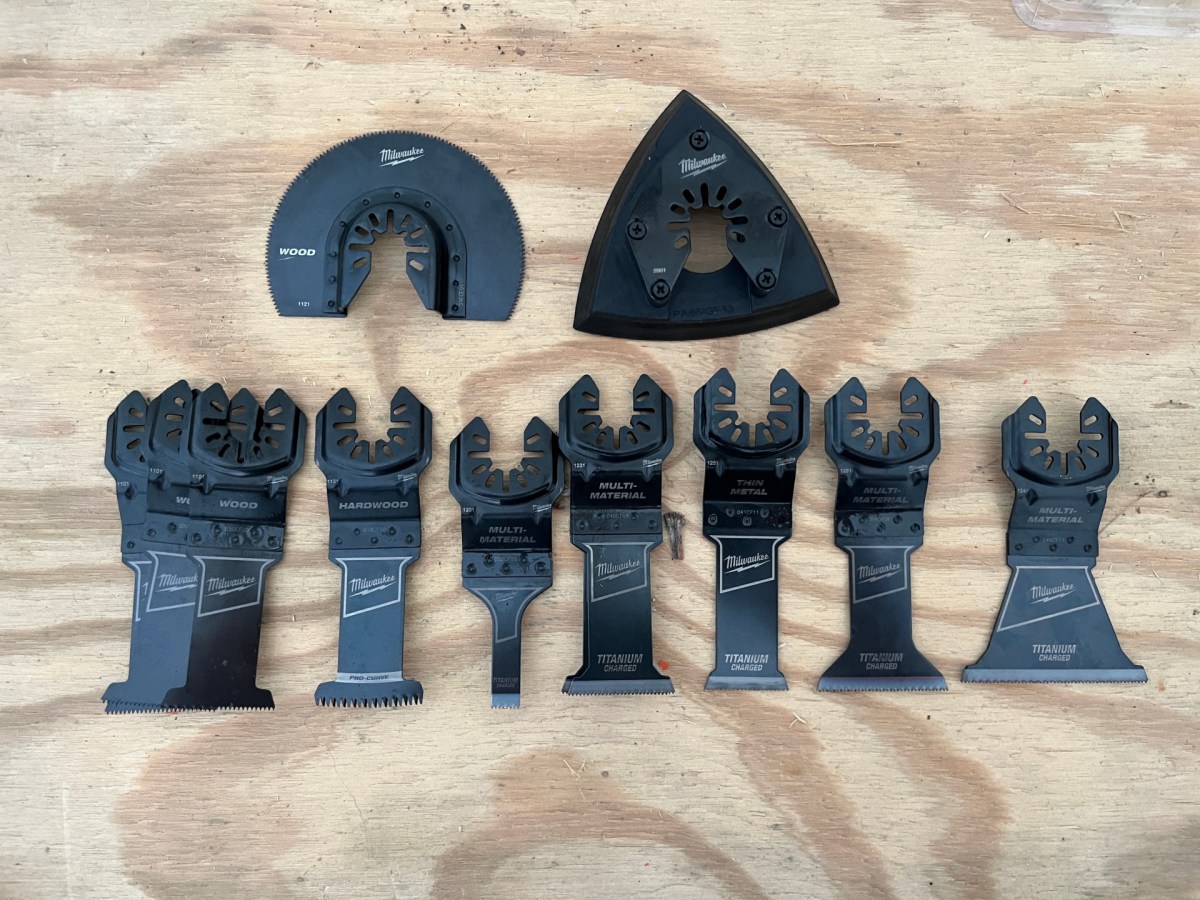

Choosing the best oscillating tool blades of 2025 is a little like choosing the right coffee for a Monday morning: the wrong one technically works, but the experience may involve regret, smoke, and a few words you would not say in front of your grandmother. Oscillating multi-tools are famous for squeezing into tight spaces, trimming door jambs, cutting drywall, removing grout, scraping adhesive, and making remodelers look more prepared than they feel. But the tool is only half the story. The blade is where the magic, mess, and money-saving happen.
In 2025, the strongest oscillating tool blades are not simply the sharpest pieces of metal in the package. The best options balance durability, material compatibility, secure fit, low vibration, clean cutting, and value. A good blade should cut wood without chewing it like a beaver with anger issues, survive nail-embedded trim, handle soft metals, and stay firmly locked to your tool. Whether you are a weekend DIYer, a flooring installer, a remodeler, or the brave soul removing old bathroom grout, this guide breaks down the top blade choices, what they do best, and how to avoid burning through blades faster than your project budget.
Quick Picks: Best Oscillating Tool Blades of 2025
- Best Overall: Milwaukee 20-Piece Oscillating Multi-Tool Blade Kit
- Best Premium Starlock Set: Bosch Starlock Oscillating Tool Blade Set
- Best for Metal: Diablo Carbide Oscillating Blades
- Best Universal Value Kit: EZARC 7-Piece Oscillating Saw Blade Set
- Best Contractor Variety Pack: Imperial Blades One-Fit Storm Variety Pack
- Best for Grout Removal: Dremel MM500 or MM501 Grout Removal Blade
- Best Simple Starter Set: DEWALT General Purpose Oscillating Accessory Kit
Why Oscillating Tool Blades Matter More Than You Think
An oscillating multi-tool does not spin like a circular saw or move in long strokes like a reciprocating saw. Instead, it vibrates the blade side to side in a very small arc at high speed. That motion gives it excellent control, especially for plunge cuts, flush cuts, detail work, and awkward corners. But because the movement is short and fast, the blade takes a beating. Heat builds quickly. Teeth dull. Cheap blades flex. The wrong blade can turn a neat cut into a scorched groove that looks like it was made with a butter knife and optimism.
The best oscillating multi-tool blades solve specific problems. High-carbon steel blades are fast and affordable for clean wood. Bi-metal blades are better for wood with nails, PVC, drywall, and soft metals. Carbide teeth are the heavy hitters for screws, nails, sheet metal, and abrasive materials. Carbide grit and diamond blades are designed for grout, tile, mortar, and masonry-style work. Scraper blades remove caulk, glue, old flooring adhesive, and mystery substances left behind by previous homeowners who apparently believed construction adhesive was a personality trait.
Best Overall: Milwaukee 20-Piece Oscillating Multi-Tool Blade Kit
The Milwaukee 20-piece oscillating tool blade kit is the best overall pick for most users because it offers a wide blade assortment, strong cutting performance, and broad compatibility. It is the kind of kit you buy when you want to stop guessing and start cutting. The set typically includes bi-metal blades for multi-material work, high-carbon steel blades for wood and soft materials, a Japanese tooth blade for cleaner wood cuts, segmented blades, and sanding accessories.
Why It Stands Out
Milwaukee’s Universal Fit OPEN-LOK design makes the kit compatible with many major non-Starlock oscillating tools. The titanium-enhanced bi-metal blades are built for tougher jobs such as wood with nails, PVC, drywall, copper pipe, and soft metals. For remodelers, that versatility matters. You might start by trimming baseboard, discover a hidden nail, switch to cutting PVC, and then sand a rough edge without leaving the room.
Best Uses
- General remodeling
- Wood and nail-embedded wood
- PVC and drywall
- Soft metal cutting
- Starter blade kit for new oscillating tool owners
The only real drawback is that some versions of the kit may lack a dedicated scraper blade or storage case. That is not a deal-breaker, but it does mean you may want to add a scraper attachment if you plan to remove adhesive, caulk, or flooring residue. Still, for the average DIYer or pro who wants one dependable box of blades, Milwaukee is hard to beat.
Best Premium Starlock Set: Bosch Starlock Oscillating Tool Blades
Bosch Starlock blades are a top choice for users who want excellent power transfer, secure attachment, and refined cutting performance. The Starlock interface creates a tight three-dimensional connection between the blade and tool. In plain English, that means less wobble, less wasted energy, and a cleaner feel during cutting. It is like the blade and tool finally went to couples therapy and learned how to communicate.
Why It Stands Out
Bosch offers Starlock blades for wood, metal, drywall, ceramic tile, PVC, and abrasive materials. Their carbide plunge-cut blades are especially appealing for users who frequently cut sheet metal, nails, staples, and tougher mixed materials. Bosch also uses helpful features such as color-coded interfaces and laser-etched blade labels, which make it easier to grab the right blade instead of squinting at a tiny tooth pattern while covered in sawdust.
Best Uses
- Precision plunge cuts
- Metal and abrasive material cutting
- Users with Bosch, Fein, or Starlock-compatible tools
- Low-vibration cutting
The main caution is compatibility. Starlock blades are excellent, but not every oscillating tool accepts every Starlock, StarlockPlus, or StarlockMax accessory. Before buying, check your tool’s arbor system. If your tool is not compatible, the fanciest blade in the world becomes a shiny bookmark.
Best for Metal: Diablo Carbide Oscillating Blades
If your project involves nails, screws, metal pipe, sheet metal, or stubborn fasteners, Diablo carbide oscillating blades deserve a serious look. Diablo’s carbide teeth are designed for long life and tough metal-cutting performance. These blades are not the cheapest, but they are made for jobs that destroy ordinary bi-metal blades quickly.
Why It Stands Out
Carbide teeth are harder and more wear-resistant than standard high-carbon steel or basic bi-metal teeth. That makes Diablo a strong pick for demanding cuts where blade life matters. When you are cutting through nail-embedded framing, old screws, or metal brackets, a cheap blade may survive one cut and then retire dramatically. A good carbide blade keeps working longer and usually cuts more cleanly under pressure.
Best Uses
- Metal cutting
- Nails, screws, and fasteners
- Wood with embedded metal
- Professional remodeling and demolition prep
Use a slower tool speed for metal, avoid forcing the blade, and let the teeth do the cutting. Pushing harder does not make a dull blade smarter. It only creates heat, vibration, and that unpleasant smell of money leaving your wallet.
Best Universal Value Kit: EZARC 7-Piece Oscillating Saw Blade Set
The EZARC 7-piece oscillating saw blade set is a smart value pick for DIYers who need a practical assortment without paying premium-brand prices. Many EZARC kits include titanium-coated blades, Japanese tooth blades, segmented blades, and sometimes a scraper blade, making them useful for common household repairs.
Why It Stands Out
EZARC blades often use universal quick-release interfaces designed to fit many popular oscillating tools. The arc-edge and Japanese tooth designs are useful for cleaner wood cuts, while titanium-coated options help extend life when cutting mixed materials. For homeowners who occasionally trim flooring, cut drywall, shorten cabinet trim, or scrape away old caulk, this kind of kit offers a lot of flexibility.
Best Uses
- Budget-friendly DIY projects
- Wood, plastic, drywall, and soft metal
- General household repairs
- Users who want a small portable blade case
This is not the set I would choose for cutting hardened screws all day, but for the typical home workshop, it gives you useful options without making your credit card hide under the couch.
Best Contractor Variety Pack: Imperial Blades One-Fit Storm
Imperial Blades has a strong reputation among tradespeople, and the One-Fit Storm variety packs are built for users who want professional-grade blades with broad compatibility. These blades are especially useful for remodelers who need plunge-cutting options for wood, nail-embedded wood, PVC, drywall, copper pipe, and soft metals.
Why It Stands Out
The One-Fit design is made to work with a range of oscillating tools, and the Storm titanium bi-metal blades are built for longer life than basic blades. The stepped shape of many plunge blades is useful for flush cutting, especially when trimming casing, cutting jambs, or working near finished surfaces.
Best Uses
- Contractor jobsite use
- Flush cuts in trim and cabinetry
- Wood with nails
- Mixed-material remodeling
Imperial blades are a great choice when you want fewer throwaway accessories and more blades that feel steady in the cut. They cost more than bargain packs, but they are usually worth it if your oscillating tool sees regular action.
Best for Grout Removal: Dremel MM500 and MM501 Grout Blades
Removing grout is one of the jobs where an oscillating tool feels almost unfairin a good way. The Dremel MM500 and MM501 grout removal blades are designed for cutting through grout lines between wall and floor tiles. The MM500 is commonly used for 1/8-inch grout lines, while the MM501 is suited to narrower grout removal work.
Why It Stands Out
Dremel’s grout blades are shaped to reach into corners and along walls, which is exactly where grout likes to be annoying. Their carbide construction helps them grind rather than saw, making them better suited for tile work than standard wood or metal blades. A universal quick-fit interface on many Dremel accessories also helps them work with numerous oscillating tools.
Best Uses
- Bathroom grout removal
- Kitchen backsplash repair
- Tile restoration
- Long straight grout lines
Move slowly, keep the blade centered in the grout line, and do not attack the tile like you are mining for treasure. The goal is to remove grout, not audition for a demolition show.
Best Simple Starter Set: DEWALT General Purpose Oscillating Accessory Kit
DEWALT’s general purpose oscillating accessory kits are good starter options for users already in the DEWALT ecosystem or anyone who wants a no-fuss set for basic cutting and scraping. These kits commonly include several cutting blades and useful attachments for common materials.
Why It Stands Out
DEWALT accessories are widely available, easy to identify, and practical for users who do not need a huge specialty set. Their titanium nitride-coated metal blade is a notable add-on for users who occasionally cut metal and want longer life in tougher applications. DEWALT’s universal fitment on many blades also helps reduce compatibility headaches.
Best Uses
- Basic home repairs
- Wood, drywall, and general cutting
- DEWALT oscillating tool owners
- Simple accessory upgrades
If you are building a serious blade collection, DEWALT may not be the only brand you buy. But as a reliable starting point, it is easy to recommend.
How to Choose the Right Oscillating Tool Blade
1. Match the Blade to the Material
This is the golden rule. Wood blades are fast in clean lumber but can lose teeth quickly if they hit nails. Bi-metal blades handle wood with nails and soft metals better. Carbide blades are best for tougher metal and abrasive materials. Carbide grit or diamond blades are for grout, tile, mortar, and masonry-style tasks.
2. Check Your Tool’s Attachment System
Universal fit blades work with many non-Starlock tools, while Starlock blades require compatible tools. Some brands offer adapters, but adapters can reduce convenience and sometimes performance. Before you buy, check whether your tool accepts universal open-back blades, Starlock, StarlockPlus, or StarlockMax accessories.
3. Choose the Right Blade Shape
Plunge blades are best for cutting straight into material, such as drywall, trim, flooring, or cabinet panels. Segmented blades are useful for longer flush cuts and cutting near edges. Scraper blades remove adhesive, caulk, carpet glue, and paint. Grout blades are curved or semicircular and coated with carbide or diamond grit.
4. Do Not Ignore Blade Width
Narrow blades give better control for detail cuts and small openings. Wider blades are more stable for straight cuts and flush trimming. Extra-wide blades can help reduce wandering when cutting door jambs, baseboards, or cabinetry.
5. Buy Better Blades for Tough Jobs
Cheap blades have their place. If you are cutting soft wood once or trimming plastic, a budget blade may be fine. But for metal, hardwood, nail-embedded lumber, or grout, a premium blade usually saves time and frustration. A blade that lasts longer often costs less per cut.
Blade Types Explained
High-Carbon Steel Blades
High-carbon steel blades are fast and affordable for clean wood, drywall, plastic, and other soft materials. They are not ideal for nails or metal. Use them when speed matters and the material is predictable.
Bi-Metal Blades
Bi-metal blades combine flexibility with harder teeth, making them useful for wood with nails, PVC, drywall, copper pipe, and light metal. They are the best all-around choice for many DIYers.
Carbide Tooth Blades
Carbide tooth blades are built for demanding cuts in metal, fasteners, abrasive materials, and tough mixed-material projects. They cost more but last longer in brutal conditions.
Carbide Grit and Diamond Blades
These blades do not have traditional saw teeth. Instead, they grind through grout, mortar, tile material, and masonry-like surfaces. They are essential for tile repair and bathroom remodeling.
Scraper Blades
Scraper blades are the unsung heroes of renovation. Use them for old caulk, glue, adhesive, paint, vinyl flooring residue, and other stubborn messes. They may not look exciting, but neither does a plungerand both save the day.
Tips to Make Oscillating Tool Blades Last Longer
- Use the correct speed: Higher speeds work well for wood, while slower speeds help reduce heat when cutting metal.
- Let the blade cut: Excess pressure creates heat and dulls teeth faster.
- Clear dust often: Move the blade slightly in and out of the kerf to clear debris.
- Avoid twisting: Twisting a plunge blade can bend it or snap teeth.
- Use sacrificial blades: Keep older blades for dirty cuts where hidden nails or grit are likely.
- Store blades properly: Loose blades banging around in a toolbox dull faster and are surprisingly good at stabbing fingertips.
Real-World Experience: What Using the Best Oscillating Tool Blades Teaches You
The first thing you learn after using oscillating tool blades for a few projects is that the blade label is not a suggestion; it is survival advice. A wood blade will happily cut pine trim until it meets a hidden finish nail, at which point it suddenly ages 40 years. A good bi-metal blade, on the other hand, can hit that same nail and keep working without turning the teeth into decorative confetti. That single difference is why experienced DIYers usually keep several blade types nearby instead of trying to force one blade to do everything.
During trim work, the best blade is usually not the most aggressive one. A fine-tooth or Japanese tooth blade can leave a cleaner edge when shortening casing or cutting baseboard in place. The cut feels smoother, the tool is easier to control, and the finished result needs less sanding. When cutting door jambs for flooring, a wider blade feels more stable because it tracks straighter and resists wandering. Place a scrap piece of flooring beside the jamb as a height guide, let the blade ride flat, and the cut comes out looking intentional rather than “I measured with my feelings.”
Metal work teaches a different lesson: patience saves blades. When cutting nails, copper pipe, or small bolts, slow the tool down and avoid leaning on it like you are trying to win a wrestling match. Heat is the enemy. If the blade starts discoloring or the cut slows dramatically, pause. Let it cool. A carbide blade can handle more abuse than a standard blade, but even carbide appreciates manners. For frequent metal cutting, premium carbide blades from brands like Diablo, Bosch, Milwaukee, or Fein are usually worth the higher price because they keep cutting after cheaper blades would already be retired to the “maybe useful someday” drawer.
Grout removal is where technique matters as much as blade quality. A grout blade should stay centered in the joint. If you tilt it, you risk chipping tile edges. Work in short passes, keep a steady hand, and use eye protection because grout dust has a special talent for going everywhere except where you want it. A Dremel grout blade or similar carbide-grit accessory can make bathroom repairs much faster, but it still requires control. The best results come from letting the blade grind gradually instead of forcing it down the line.
Scraping is the most underrated oscillating tool task. A rigid scraper blade can lift old adhesive, while a flexible scraper is better for caulk and delicate surfaces. After one flooring repair, most people understand why pros keep scraper attachments close. They turn a miserable hand-scraping job into something merely annoying, which in renovation counts as a luxury experience.
The biggest practical lesson is simple: buy blades for the project, not just the tool. A powerful oscillating multi-tool with a bad blade is still bad. A modest tool with the right blade can produce clean cuts, save time, and prevent mistakes. Keep a mixed set for everyday jobs, add carbide blades for metal, keep grout blades for tile, and do not be afraid to throw away a dull blade. A dull oscillating blade does not build character. It builds smoke.
Final Verdict: What Are the Best Oscillating Tool Blades of 2025?
For most people, the Milwaukee 20-Piece Oscillating Multi-Tool Blade Kit is the best overall choice in 2025 because it offers an excellent balance of variety, performance, compatibility, and value. Bosch Starlock blades are ideal for users with compatible tools who want premium power transfer and clean precision. Diablo carbide blades are the top choice for serious metal cutting. EZARC offers a practical value kit for everyday DIY use, while Imperial Blades is a strong contractor-grade option. For grout removal, Dremel’s grout blades remain a reliable pick.
The smartest strategy is not to buy one “perfect” blade. It is to build a small blade system: high-carbon steel for clean wood, bi-metal for mixed materials, carbide for metal and fasteners, grout blades for tile, and scraper blades for adhesive. With the right blade on the tool, an oscillating multi-tool becomes one of the most useful problem-solvers in the shop. With the wrong blade, it becomes a very loud lesson in humility.
SEO Tags