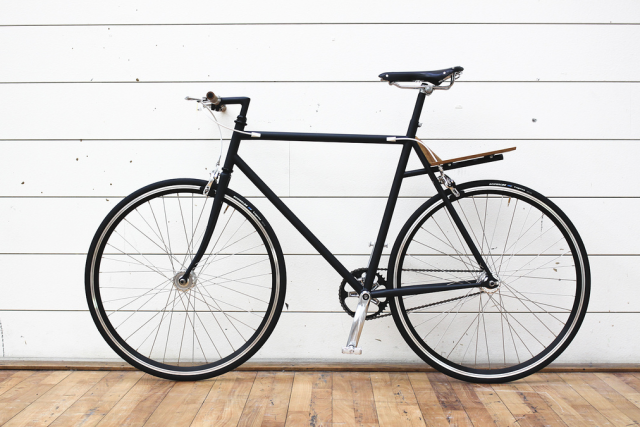

The DV01 Bicycle by David Qvick in Sweden is the kind of design object that makes you stop scrolling, lean closer, and quietly wonder whether your current bike has been trying hard enough. Simple, restrained, and surprisingly warm, the DV01 is not just a bicycle concept. It is a study in balance: metal and wood, utility and beauty, commuter practicality and gallery-worthy minimalism.
Designed by Swedish designer David Qvick, the DV01 attracted attention because it treated the everyday bicycle as more than a tool for getting from one place to another. It looked at the bike as an accessory for modern urban life: something you ride, park, admire, and possibly apologize to when you leave it outside in the rain.
At first glance, the DV01 appears clean and almost quiet. There are no dramatic visual tricks, no oversized gimmicks, and no “look at me, I have seventeen unnecessary parts” attitude. Instead, its charm comes from its discipline. A slim frame, single-speed simplicity, wooden details, and a refined silhouette work together to create a bicycle that feels both familiar and fresh.
What Is the DV01 Bicycle?
The DV01 is a contemporary concept bicycle created by David Qvick, a Swedish designer whose work has been associated with clean Scandinavian thinking and playful product ideas. The bicycle was presented as a modern urban ride for people who see cycling as convenient transportation but still care deeply about design. In other words, it was made for the rider who wants to arrive on time and look like they have excellent taste while doing it.
The bike is best known for combining a metal frame with wooden accessories, especially the handlebar, rear carry tray, and mudguard-inspired details. These warm natural accents soften the mechanical character of the bicycle and give it a handcrafted personality. The result is a design that feels practical without becoming cold, elegant without becoming fragile, and minimal without becoming boring.
David Qvick’s Design Philosophy
One reason the DV01 continues to stand out is its focus on harmony. Qvick’s approach reflects a belief that form and function should not be enemies forced to share a studio apartment. They should cooperate. A product becomes more valuable when it performs well, looks good, and earns affection over time.
That idea is especially important in bicycle design. A bike is touched constantly. Hands meet the bar, feet meet the pedals, weight shifts across the saddle, and the whole object responds to movement. A beautiful bicycle that rides poorly becomes wall art with tires. A practical bike with no emotional pull may work fine, but it rarely becomes loved. The DV01 tries to sit in the sweet spot between those extremes.
Why the Wooden Details Matter
The wooden handlebar and rear tray are not just decorative flourishes. They are the emotional center of the DV01. Wood adds warmth to a bicycle’s industrial language. Against the metal frame, it feels human, tactile, and a little nostalgic.
Historically, early bicycle-like machines used wood as part of their construction. The famous “boneshaker” era of cycling featured stiff wood and metal structures that were not exactly known for cloud-like comfort. The DV01 does not attempt to recreate those early machines, thankfully. Nobody is asking modern commuters to rattle their teeth loose before breakfast. Instead, it nods to cycling history while using wood as a refined accent.
A Natural Contrast to Metal
Metal communicates strength, precision, and durability. Wood communicates craft, warmth, and individuality. Put them together carefully, and the bicycle gains character. On the DV01, the wooden pieces make the bike feel more like a designed object and less like a pile of components assembled by a robot having a productive Tuesday.
Function Still Comes First
The rear tray also suggests practical use. It gives the bicycle a commuter-friendly attitude without adding bulky cargo hardware. It is not trying to be a full touring rack or a family grocery hauler. It is more like a graceful platform for small everyday needs: a compact bag, a folded jacket, or the kind of stylish parcel that makes people assume you buy bread from a bakery with excellent typography.
The Appeal of Single-Speed Simplicity
The DV01 is often discussed as a simple urban bicycle, and that simplicity is a major part of its appeal. Single-speed bikes are popular in cities because they reduce mechanical complexity. With fewer drivetrain parts, there is less to adjust, less to maintain, and less to blame when you are late.
For flat or moderately flat urban routes, a single-speed setup can be wonderfully direct. You pedal, the bike moves, and your brain does not have to host a gear-selection conference every three seconds. This makes the riding experience feel clean and responsive, especially for short trips, café runs, campus commutes, and neighborhood errands.
Of course, single-speed bicycles are not perfect for every rider. Hilly cities can turn one gear into a personal character test. But as a design statement, the format fits the DV01 beautifully. It reinforces the bike’s minimalism and keeps the visual profile uncluttered.
Scandinavian Minimalism on Two Wheels
Swedish and broader Scandinavian design traditions are often associated with simplicity, usefulness, natural materials, and restraint. The DV01 fits comfortably inside that world. It does not shout. It edits. It removes noise and lets proportion, material, and detail do the talking.
This is why the bike feels more like a lifestyle object than a typical commuter machine. It belongs to the same visual family as a well-made chair, a thoughtfully designed lamp, or a clean-lined apartment where every object looks intentional and no one owns a mystery drawer full of old phone chargers.
DV01 as an Urban Accessory
The title “Accessories: DV01 Bicycle by David Qvick in Sweden” is fitting because the DV01 behaves like an accessory in the best possible sense. It complements a lifestyle. It is transportation, yes, but it also expresses identity.
In dense cities, bicycles often become part of a person’s daily uniform. The bike waits in the hallway, leans against a café wall, sits outside a studio, or hangs in an apartment. For riders who live in smaller spaces, the bicycle is not hidden in a garage. It becomes visible furniture. That makes design matter.
The DV01 understands this. Its refined appearance means it can exist comfortably in urban interiors and stylish public spaces. It is the rare bicycle concept that looks as good parked as it does in motion.
Practical Lessons From the DV01 Design
Even if the DV01 remains more design inspiration than everyday retail option, it offers useful lessons for anyone choosing or customizing a commuter bike.
1. Choose Accessories That Improve the Bike’s Personality
Many bike accessories are chosen only for function. That is understandable. Lights, locks, fenders, racks, and bags have jobs to do. But the DV01 shows that accessories can also shape the emotional experience of a bicycle. A beautiful handlebar, a well-proportioned rack, or a thoughtfully selected mudguard can make a bike feel personal.
2. Keep the Setup Clean
The DV01 proves that restraint can be powerful. A commuter bike does not need to look overloaded to be useful. Choose the accessories you truly need. A strong lock, reliable front and rear lights, practical fenders, and a carrying solution are often more valuable than a dozen gadgets that turn the handlebar into a control panel for a small spacecraft.
3. Make Materials Work Together
If you are upgrading a city bike, think about material contrast. Leather grips, wooden crates, polished metal components, matte frames, canvas bags, and modern lighting can all create different moods. The trick is consistency. The DV01 succeeds because its wood details feel intentional, not random.
How the DV01 Connects to Modern Bike Commuting
Bike commuting has grown beyond the old idea of “serious cyclist in special clothing.” Modern commuters include students, office workers, designers, parents, freelancers, and people who simply want to avoid traffic without turning every morning into a parking-lot tragedy. A good commuter bike must be reliable, comfortable, visible, and easy to live with.
Current commuting advice usually emphasizes the basics: a properly fitted helmet, front and rear lights, a secure lock, and weather-appropriate gear. Riders who carry laptops, groceries, or gym clothes often add a rack, panniers, basket, or backpack. Fenders are another underrated hero. They will never make you look like a superhero, but they will stop road spray from painting a muddy stripe up your back, which is arguably better.
The DV01’s rear tray and mudguard-like wooden detail align with that practical commuter mindset, but they elevate it visually. The bike suggests that utility does not have to look purely utilitarian. A commuter bicycle can be useful and still have charisma.
Design Strengths of the DV01 Bicycle
Minimal Visual Clutter
The DV01’s clean structure allows the eye to appreciate the frame and material details. This makes the bicycle feel calm and premium.
Warm Material Accents
The wooden handlebar and rear elements create a memorable contrast with the metal frame. This gives the bike a signature look without overwhelming the design.
Urban Practicality
The single-speed concept, slim frame, and integrated carrying surface point toward short-distance city use. It is not a mountain machine, cargo beast, or racing rocket. It is a refined urban companion.
Emotional Longevity
Products that people love tend to last longer in their lives. The DV01’s charm is not just visual; it is emotional. It invites care, and that matters in sustainable design.
Who Would Love the DV01?
The ideal DV01 admirer is someone who values simplicity and design equally. This is the bicycle for people who appreciate modern furniture, thoughtful accessories, and objects that solve problems quietly. It would appeal to urban riders, design students, architects, stylists, minimalist commuters, and anyone who believes a bicycle should not look like it lost a fight with a parts catalog.
It may not be the best inspiration for someone who needs heavy cargo capacity, multiple gears for steep hills, or all-weather ruggedness above all else. But for a short city commute, a design-forward lifestyle shoot, or a concept-bike mood board, the DV01 is extremely persuasive.
What Makes the DV01 Still Relevant?
The DV01 remains interesting because it predicted a design conversation that is still happening today. People want practical objects that feel personal. They want sustainable materials, cleaner silhouettes, and products that fit into smaller urban homes. They want bicycles that do not look like temporary equipment but like long-term companions.
Modern commuter bikes now come in many forms: e-bikes, folding bikes, cargo bikes, hybrids, belt-drive city bikes, and simple single-speeds. Yet the DV01 still feels fresh because it focuses on something timeless: balance. Not every bicycle needs to be faster, smarter, heavier, or more connected. Sometimes the best design move is to make an object simpler, warmer, and easier to love.
Buying and Styling Ideas Inspired by the DV01
If you are not able to buy a DV01, you can still borrow its design language. Start with a clean-frame city bike or single-speed bicycle. Choose accessories that match rather than compete. Look for natural grips, a tasteful rear rack, a simple saddle, minimal fenders, and understated lights. Avoid over-accessorizing unless your goal is to make the bike look like it is preparing for a month-long expedition to the grocery store.
A matte or neutral frame pairs well with wood, leather, canvas, and brushed metal. A polished frame can look elegant with darker accessories. For a more Scandinavian feel, keep the palette quiet: black, silver, warm wood, tan, gray, cream, or deep forest green. The goal is not to copy the DV01 exactly. The goal is to understand its restraint.
Experience Notes: Living With a DV01-Inspired Bicycle
Imagine using a DV01-inspired bike for a normal week in the city. On Monday morning, it waits near the doorway like a polite piece of furniture. You roll it outside, and the wooden handlebar immediately changes the mood. It feels warmer than standard rubber grips and visually softer than an all-metal cockpit. The first few blocks are quiet and direct. There is no gear shifting to think about, no complicated display, no mechanical drama. Just pedal pressure, balance, and the familiar rhythm of a city waking up.
By midweek, the rear tray becomes surprisingly useful. You might strap down a small canvas bag or carry a light jacket after the afternoon warms up. The tray is not a substitute for serious panniers, but it makes quick errands feel easy. A stop at the bakery, a small bookstore purchase, or a packed lunch can ride along without forcing everything onto your back. That small comfort matters more than people expect. A bicycle becomes easier to use when it removes tiny daily annoyances.
The wooden mudguard detail also changes how people respond to the bike. At a rack, someone may ask whether it is vintage. Another person may assume it is custom-built. That is the magic of natural material: it creates conversation. Most commuter bikes disappear into the background, but a DV01-style bike has a quiet social presence. It does not beg for attention, yet it rewards anyone who notices.
There are practical realities, of course. Wood needs care. If you ride in heavy rain, you would want properly sealed components and sensible storage. A bike this visually refined should not be neglected outdoors for weeks. It deserves regular cleaning, basic maintenance, and a good lock. In daily life, that means treating the bicycle less like disposable transportation and more like a favorite object. The reward is that you actually want to ride it.
The best experience comes from short urban trips: commuting to a studio, visiting a café, riding to a train station, or cruising through calm neighborhood streets. On flat routes, the single-speed setup feels efficient and honest. On hills, your legs may file a formal complaint, but even that is part of the charm. A simple bike makes you aware of the city’s shape. You notice slopes, pavement texture, shortcuts, wind, and timing. The ride becomes less automatic and more physical.
Over time, a DV01-inspired bicycle teaches an important lesson: good design changes behavior. When a bike is beautiful, you store it better. When it is simple, you maintain it more easily. When it feels personal, you choose it more often. That may be the strongest argument for the DV01. It is not only about looking good in photos. It is about creating an object that encourages use through affection. In a world full of complicated transportation choices, that is refreshingly smart.
Conclusion
The DV01 Bicycle by David Qvick in Sweden is a reminder that bicycle design does not have to choose between function and feeling. With its clean frame, single-speed simplicity, and memorable wooden details, it transforms the everyday city bike into a considered accessory for modern living. It is practical enough to suggest real commuting use and elegant enough to inspire designers, riders, and minimalists who believe transportation should have soul.
More than a handsome concept, the DV01 shows how thoughtful accessories can define an entire product. The handlebar, rear tray, and mudguard-like wood accents are small decisions with big personality. They make the bike warmer, more memorable, and more human. For anyone building, buying, or styling a commuter bicycle, the lesson is clear: choose fewer things, choose better things, and never underestimate the power of a well-placed piece of wood.