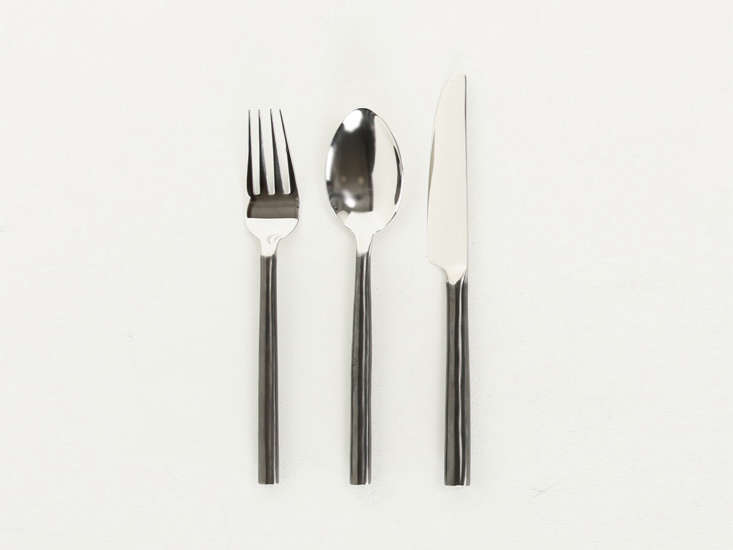

A burnished stainless steel dinner spoon is the kind of tableware that quietly does its job while making the whole place setting look more intentional. It is not loud, glittery, or trying to win a beauty pageant at the salad course. Instead, it brings a warm, softened sheen, a comfortable hand feel, and the everyday practicality that makes stainless steel flatware a long-time favorite in American homes, restaurants, cafés, and event spaces.
At first glance, a dinner spoon may seem like the simplest item in the drawer. It scoops soup, helps with rice, handles saucy pasta, and occasionally rescues the last bite of dessert when no one is watching. But when you look closer, the design matters. The finish affects fingerprints. The weight changes the dining experience. The bowl shape determines how naturally it works with different foods. And the steel grade influences durability, corrosion resistance, and long-term shine.
This guide takes a closer look at what makes a burnished stainless steel dinner spoon worth considering, how it compares with other spoon finishes, what to check before buying, and how to keep it looking handsome without treating it like a museum artifact.
What Is a Burnished Stainless Steel Dinner Spoon?
A burnished stainless steel dinner spoon is a full-size eating spoon made from stainless steel and finished with a muted, softly polished surface. The word “burnished” usually describes a finish that has been smoothed or polished enough to create a refined glow, but not necessarily a mirror-like shine. Think of it as the confident cousin of polished flatware: elegant, practical, and much less dramatic about fingerprints.
In flatware, burnished finishes often sit close to brushed, satin, or matte finishes. They may show subtle directional texture or a gently softened surface that diffuses light. This makes the spoon look modern and relaxed while still feeling appropriate for a formal dinner table.
Dinner Spoon vs. Teaspoon vs. Soup Spoon
A dinner spoon is generally larger than a teaspoon and more versatile at the table. It can be used for soups, grains, stews, pasta dishes, desserts, and main-course foods that benefit from a deeper scoop. A teaspoon is smaller and better for coffee, tea, yogurt, and small desserts. A soup spoon usually has a rounder or deeper bowl designed specifically for broth-based dishes.
The beauty of a well-designed dinner spoon is that it can handle many jobs without looking like it wandered in from the wrong drawer.
Why Stainless Steel Is the Standard for Everyday Flatware
Stainless steel became popular for flatware because it offers a practical mix of strength, corrosion resistance, and affordability. Unlike sterling silver, it does not need constant polishing. Unlike cheaper plated utensils, it does not rely on a thin decorative surface that can wear away over time. Good stainless steel dinner spoons are built for real meals, real dishwashers, and real families who sometimes forget to rinse the tomato sauce before bed.
Most quality flatware is made from stainless steel grades such as 18/10 or 18/0. The first number refers to chromium content, which helps create stainless steel’s protective surface. The second number refers to nickel content, which improves luster and corrosion resistance. For example, 18/10 stainless steel is generally considered a premium flatware material because it combines strong rust resistance with a brighter, smoother finish.
That does not mean 18/0 stainless steel is useless. In fact, 18/0 flatware is common in budget-friendly sets and commercial environments because it is more affordable and often magnetic, which can be useful in food-service systems. However, it may not resist staining and corrosion as well as 18/10 over many years of use.
The Appeal of a Burnished Finish
A burnished stainless steel dinner spoon has a softer visual personality than a mirror-polished spoon. It does not scream “fancy banquet hall.” Instead, it whispers “nice table, good soup, probably cloth napkins.” That subtle finish is one reason burnished flatware has become popular in modern kitchens and restaurants.
It Hides Fingerprints Better
Mirror-polished flatware can look stunning when freshly cleaned, but it also shows fingerprints, smudges, and tiny scratches easily. A burnished or satin-like finish is more forgiving. It diffuses light, which helps minor marks blend into the surface rather than announcing themselves like tiny stainless steel billboards.
It Feels Warm and Contemporary
The burnished look pairs well with stoneware plates, linen napkins, wood tables, ceramic bowls, and minimalist dinnerware. It works in farmhouse, Scandinavian, industrial, modern, and transitional table settings. In other words, it is stylish without being bossy.
It Bridges Casual and Formal Dining
A burnished stainless steel dinner spoon can be used for Tuesday lentil soup or a holiday dinner with roasted vegetables and wine glasses that only come out twice a year. It has enough polish to feel special, but not so much shine that it looks out of place next to everyday dishes.
What to Look for Before Buying
Not every stainless steel dinner spoon is created equal. Some feel balanced and smooth; others feel thin, awkward, or sharp around the edges. Before choosing a burnished stainless steel dinner spoon, pay attention to the details that affect everyday use.
1. Steel Grade
If durability and long-term appearance matter, 18/10 stainless steel is usually the preferred choice. It typically offers better resistance to corrosion and a more refined feel. For tighter budgets or casual environments, 18/0 can still be useful, especially if the design and finish are well made.
2. Weight and Balance
A good dinner spoon should feel substantial but not clumsy. Too light, and it may seem cheap. Too heavy, and it can feel like you are eating soup with gym equipment. The best option sits comfortably in the hand, with the handle and bowl balanced so the spoon feels natural during use.
3. Bowl Shape
The bowl should be deep enough for soups, grains, and saucy dishes, but not so deep that it feels oversized. A slightly oval bowl is versatile and familiar, while a rounder bowl may feel more specialized for soup. For everyday dining, a medium-depth oval bowl is often the most flexible choice.
4. Handle Comfort
Look for smooth edges, a comfortable width, and a shape that does not dig into the hand. Flat handles can look sleek, but they should still feel pleasant to hold. Rounded or gently tapered handles often offer better comfort for longer meals.
5. Finish Consistency
A quality burnished finish should look even from handle to bowl. Avoid pieces with rough patches, dark discoloration, uneven texture, or sharp transitions between finished areas. The finish should look intentional, not like someone gave up halfway through production.
How to Style a Burnished Stainless Steel Dinner Spoon
One of the best things about burnished stainless steel is how easily it fits into different table designs. It is neutral, but not boring. It has character, but not enough to fight with your plates.
For Everyday Meals
Pair burnished spoons with white stoneware, simple glass tumblers, and cotton napkins. The muted steel finish adds texture without making dinner feel overly formal. It is perfect for pasta, rice bowls, soups, roasted vegetables, and cozy one-pot meals.
For Modern Tables
Use matte black plates, charcoal linens, and simple ceramic bowls. The burnished finish softens the look and keeps the table from feeling too cold. Add warm wood serving boards or amber glassware for contrast.
For Rustic or Farmhouse Settings
Burnished stainless steel works beautifully with handmade pottery, woven placemats, and natural wood. Unlike high-shine flatware, it does not look too formal next to casual materials. It feels relaxed, useful, and quietly elegant.
For Holiday Dining
Layer it with cream dinnerware, linen napkins, candles, and greenery. The spoon’s gentle sheen catches light without overpowering the table. It gives holiday settings a polished look while still feeling warm and approachable.
Care and Maintenance Tips
Stainless steel is low-maintenance, but it is not invincible. Even quality stainless flatware can develop spots, discoloration, or surface rust if it is exposed to harsh conditions for too long. The good news is that caring for a burnished stainless steel dinner spoon is easy once you know the basics.
Rinse After Acidic or Salty Foods
Foods such as tomato sauce, vinegar-based dressings, citrus, mustard, and salty broths can contribute to spotting or pitting if left on flatware for long periods. A quick rinse after meals helps protect the surface.
Do Not Soak Overnight
Leaving stainless steel spoons soaking in the sink for hours can expose them to mineral-heavy water, food acids, and contact with other metals. That is not a spa treatment. It is more like sending your spoon to a tiny corrosion boot camp.
Load the Dishwasher Carefully
Most stainless steel flatware is dishwasher safe, but loading matters. Avoid overcrowding the basket. Separate spoons so they do not nest together and block water flow. Keep stainless steel away from aluminum, cast iron, or carbon steel items that may transfer rust marks.
Use Mild Detergent
Harsh detergents, too much detergent, or formulas with strong citrus or chloride ingredients may contribute to spotting. Use the recommended amount and choose a gentle dishwasher detergent when possible.
Dry Promptly
Water spots are more likely when flatware sits wet after the cycle ends. Removing spoons promptly and drying them with a soft cloth can help preserve the burnished finish. For a quick refresh, a microfiber cloth works well.
Common Problems and Simple Fixes
Water Spots
Water spots usually come from minerals left behind as droplets dry. Wipe the spoon with a damp cloth and dry it immediately. For stubborn spots, a small amount of white vinegar diluted with water can help, followed by a rinse and thorough drying.
Rust-Colored Marks
Rust-colored marks on stainless steel flatware are often surface stains, not deep rust. They may come from contact with other metals, harsh dishwasher conditions, or residue in the dishwasher. A baking soda paste applied gently with a soft cloth can often remove minor marks.
Dull Finish
A burnished finish is not supposed to look mirror-bright, but it should not look grimy or chalky. Wash with mild soap, rinse thoroughly, and dry with a soft cloth. Avoid abrasive pads that can scratch or alter the finish.
Burnished vs. Polished vs. Matte Stainless Steel
Choosing a finish depends on your table style and maintenance preferences.
Burnished Finish
Burnished stainless steel has a soft, refined glow. It is elegant but practical, making it a strong choice for people who want flatware that looks designed but not overly shiny.
Polished Finish
Polished stainless steel is bright and reflective. It works beautifully in formal table settings, but it tends to show fingerprints and scratches more clearly.
Matte Finish
Matte stainless steel has a low-reflection surface and a modern look. It can be striking, though some matte finishes need careful cleaning to avoid visible streaks or uneven wear.
Burnished stainless steel lands in the sweet spot: softer than polished, livelier than fully matte, and practical enough for daily use.
Best Uses for a Burnished Stainless Steel Dinner Spoon
A dinner spoon is one of the most frequently used utensils in the kitchen. A burnished stainless steel version is especially useful because it looks good in many settings and performs well across different foods.
- Hearty soups and stews
- Rice bowls and grain bowls
- Pasta with creamy or tomato-based sauces
- Mashed potatoes and vegetable sides
- Breakfast oatmeal or yogurt bowls
- Desserts such as pudding, cobbler, or ice cream
- Casual family dinners and formal place settings
If you are building a flatware collection, dinner spoons are worth buying in slightly larger quantities than you think you need. They disappear into lunch boxes, serving bowls, midnight cereal missions, and the mysterious alternate universe where all missing spoons apparently live.
Is a Burnished Stainless Steel Dinner Spoon Worth It?
Yes, especially if you want a spoon that balances durability, design, and everyday ease. The burnished finish gives it a more elevated appearance than basic flatware, while stainless steel keeps it practical. It is a strong choice for homeowners, renters, restaurants, boutique cafés, wedding registries, and anyone who believes a table setting should look good without requiring a polishing ceremony before dinner.
The best burnished stainless steel dinner spoon is not just attractive. It feels right in the hand, has a smooth bowl, resists everyday wear, and cleans easily. Choose a quality steel grade, check the comfort of the handle, and care for it properly. Do that, and this humble spoon can serve beautifully for years.
Personal Experience: Living With a Burnished Stainless Steel Dinner Spoon
The first thing you notice when using a burnished stainless steel dinner spoon is that it makes everyday meals feel a little more considered. Not fancy in a stiff, “please use the correct fork” way, but in a quiet, comfortable way. It is the difference between eating soup with a random spoon from a drawer full of mismatched survivors and sitting down with a utensil that actually feels like it belongs at the table.
In daily use, the finish is the hero. A mirror-polished spoon can look beautiful for about twelve seconds before someone touches it. A burnished spoon is more relaxed. It handles fingerprints, small water marks, and normal table use with much more grace. After a family dinner, it still looks presentable instead of looking like it has collected evidence from a crime scene involving gravy.
The weight also makes a big difference. A well-made burnished stainless steel dinner spoon has enough heft to feel sturdy, but it should not feel heavy or awkward. When eating soup, chili, risotto, or pasta, a balanced spoon feels smoother and more controlled. The bowl should scoop comfortably without being so large that every bite feels like a competitive eating event.
Another practical advantage is how well the finish mixes with different dishes. White plates make it look clean and modern. Handmade ceramic bowls make it look warm and artisanal. Dark plates give it a restaurant-style edge. Even simple weeknight meals look a little more polished when the flatware has a soft, intentional finish.
Cleaning is easy, but small habits matter. Rinsing after tomato sauce or salty foods helps prevent spots. Drying the spoon after the dishwasher keeps the surface looking better. The spoon does not need pampering, but it does appreciate not being abandoned in a wet sink under a mountain of forks. Honestly, same.
Over time, a burnished stainless steel dinner spoon develops a practical charm. It may not stay absolutely perfect, and that is part of the appeal. Tiny signs of use blend naturally into the softened finish. Instead of looking damaged, the spoon starts to look lived-in, like a good wooden cutting board or a favorite cast iron pan. It becomes part of the rhythm of the kitchen.
For anyone upgrading flatware, this type of spoon is a smart place to start. It is useful every day, easy to style, and durable enough for real life. It can make a bowl of soup feel cozy, a dinner party feel more complete, and a takeout meal feel slightly less like you gave up. That is a lot of emotional range for one spoon.
Conclusion
A burnished stainless steel dinner spoon proves that small design choices can change the way a table feels. Its softened shine, durable construction, and versatile style make it a dependable choice for everyday meals and special occasions alike. Whether you are replacing a worn-out flatware set, building a wedding registry, styling a restaurant table, or simply trying to stop eating dinner with three different spoon patterns at once, this spoon offers a smart mix of beauty and function.
Choose quality stainless steel, look for comfortable weight and balance, and give the finish basic care. In return, a burnished stainless steel dinner spoon will bring quiet elegance to the table for years, one soup, stew, pasta bowl, and sneaky late-night dessert at a time.