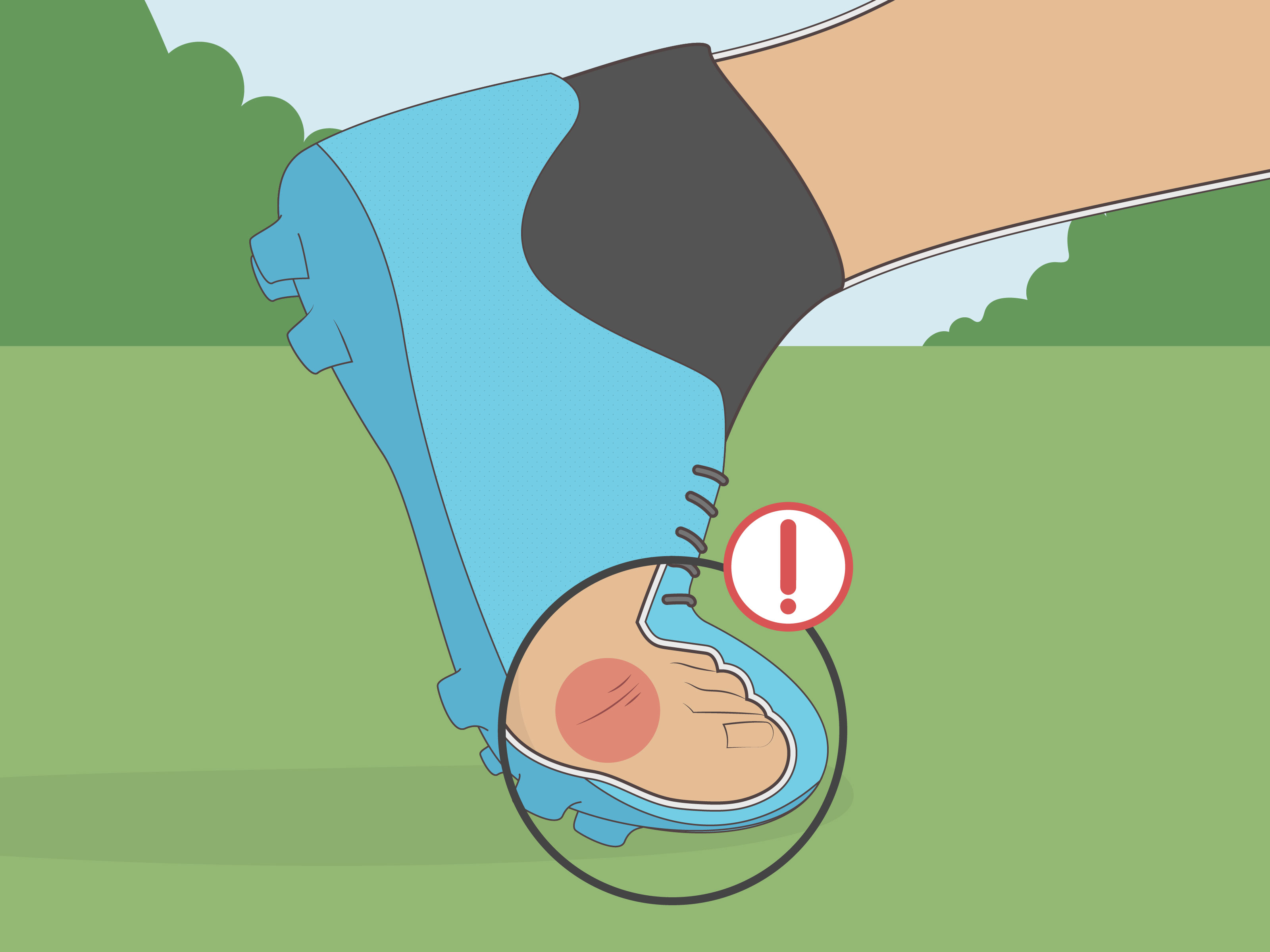

Soccer toe may sound like something a player earns after arguing with a goalpost, but it is a real and painful sports injury. Most people use the term to describe a sprain or irritation around the big toe joint, often similar to turf toe. It can happen when the big toe bends too far upward, jams into the ground, or takes repeated stress from sprinting, cutting, kicking, or stopping suddenly on firm turf.
The good news: many mild cases improve with smart home care, protection, and gradual rehabilitation. The not-so-fun news: ignoring it can turn a small toe problem into a stubborn injury that makes every step feel like your shoe is personally offended by you.
Medical note: This article is for educational purposes only. If you have severe pain, deformity, numbness, major swelling, bruising, inability to bear weight, diabetes, poor circulation, or symptoms that do not improve, see a healthcare professional.
What Is Soccer Toe?
Soccer toe is not one single medical diagnosis. In everyday sports language, it usually refers to pain and injury around the big toe caused by soccer movements. The most common version is a sprain of the first metatarsophalangeal joint, the joint where the big toe meets the foot. This injury is often called turf toe.
Soccer players are especially vulnerable because the sport asks the big toe to do a surprising amount of work. Every sprint, pass, shot, tackle, jump, and quick change of direction pushes force through the front of the foot. When the toe bends too far upward or gets jammed while the foot is planted, the ligaments, joint capsule, tendons, and soft tissues can stretch or tear.
Common symptoms include pain at the base of the big toe, swelling, bruising, stiffness, tenderness, reduced range of motion, and pain when pushing off the foot. Some players feel a sharp pain right away. Others notice soreness that slowly gets worse after practices or games. Either way, your toe is sending a memo. Read it before it becomes a strongly worded complaint.
How Serious Is Soccer Toe?
Soccer toe is often grouped into three grades:
- Grade 1: Mild stretching of the soft tissue. Pain and swelling are usually limited, and walking may still be possible.
- Grade 2: Partial tearing. Pain, swelling, bruising, and difficulty pushing off are more noticeable.
- Grade 3: Severe tearing or joint instability. The toe may be very painful, swollen, bruised, weak, or difficult to move.
Mild soccer toe may improve within one to three weeks with proper care. Moderate cases can take several weeks. Severe injuries may take months and sometimes require immobilization, imaging, physical therapy, or surgery. The goal is not just to make the pain disappear. The real goal is to restore strength, motion, balance, and confidence so the injury does not keep returning like a bad sequel.
How to Treat Soccer Toe: 13 Steps
Step 1: Stop Playing Immediately
If your big toe suddenly hurts during a match, practice, or training session, stop. Do not “run it off.” That phrase has probably ruined more ankles, knees, and toes than any opponent ever could. Continuing to sprint, cut, or shoot through pain can worsen the sprain and increase recovery time.
Sit down, loosen your shoe, and check the toe. Look for swelling, bruising, deformity, bleeding, nail injury, or pain when gently moving the toe. If you cannot walk without limping, your body is giving you a very clear substitution request.
Step 2: Rule Out Red Flags
Before treating soccer toe at home, make sure there are no signs of a more serious injury. Seek medical care promptly if you have intense pain, obvious deformity, a toe that looks crooked, numbness, tingling, blue or pale skin, an open wound, severe bruising, inability to bear weight, or pain after hearing a pop.
You should also get checked if pain does not improve after a few days of basic care or if you have a history of foot problems. Toe sprains, fractures, sesamoid injuries, nail-bed trauma, gout, and joint infections can sometimes overlap in symptoms. A healthcare professional may recommend an X-ray or advanced imaging if a fracture or severe soft-tissue injury is suspected.
Step 3: Use Rest the Right Way
Rest is the first major treatment for soccer toe, but it does not mean becoming one with the couch forever. It means avoiding activities that increase pain, especially running, jumping, kicking, lunging, and pushing off the big toe.
For mild pain, you may simply need to take a break from soccer and limit long walks. For moderate or severe pain, you may need crutches, a walking boot, or a stiff-soled shoe to reduce pressure on the toe. If walking causes sharp pain, do not force it. Limping around proudly is not toughness; it is just bad mechanics wearing cleats.
Step 4: Ice the Toe During the First 48 to 72 Hours
Ice helps reduce pain and swelling after a fresh soccer toe injury. Apply a cold pack wrapped in a towel for 15 to 20 minutes at a time. Repeat several times per day during the first two to three days, especially after activity or whenever swelling increases.
Never place ice directly on the skin. The goal is to calm inflammation, not give your toe a freezer-burn personality. If you have circulation problems, nerve issues, or reduced sensation in your feet, ask a healthcare professional before using ice therapy.
Step 5: Compress Gently
Compression can help control swelling, but it must be gentle. Use an elastic bandage, toe sleeve, or soft wrap around the forefoot if it feels supportive. The wrap should be snug, not tight. If your toe becomes numb, cold, blue, tingly, or more painful, remove the wrap immediately.
Compression works best when paired with rest, ice, and elevation. It is not a magic sock, but it can help the injured tissues settle down while healing begins.
Step 6: Elevate the Foot
When resting, prop your foot above heart level when possible. Elevation helps reduce swelling by encouraging fluid to move away from the injured area. This is especially useful during the first few days after injury.
A simple setup works fine: lie down and place pillows under your lower leg and foot. Avoid placing pressure directly under the painful toe. You are trying to support recovery, not build a luxury hotel for one injured digitalthough, honestly, the toe has earned a little comfort.
Step 7: Manage Pain Safely
Over-the-counter pain relievers may help reduce discomfort. Acetaminophen can help with pain. Nonsteroidal anti-inflammatory drugs such as ibuprofen or naproxen may help with pain and swelling, but they are not right for everyone.
Avoid NSAIDs if your doctor has told you not to use them, or if you have certain stomach, kidney, heart, bleeding, or medication-related risks. Always follow label directions. Do not use medication to hide pain so you can return to play early. Painkillers are not tiny permission slips from your ligaments.
Step 8: Protect the Toe With Taping or Splinting
Taping can limit painful motion and protect the big toe while it heals. Many athletes use a turf-toe taping technique that prevents excessive upward bending. Another option is buddy taping, where the injured toe is gently taped to the toe beside it. However, for big-toe joint injuries, taping should focus on limiting painful movement without cutting off circulation.
If you are unsure how to tape correctly, ask an athletic trainer, physical therapist, podiatrist, or sports medicine clinician. Poor taping can be useless at best and irritating at worst. Good taping should feel supportive, comfortable, and secure inside your shoe.
Step 9: Wear Stiff-Soled Shoes
Flexible shoes can make soccer toe worse because they allow the big toe to bend too much during walking. A stiff-soled shoe, walking boot, turf-toe plate, carbon-fiber insert, or orthotic can reduce motion at the big toe joint and protect healing tissue.
During recovery, avoid flimsy sandals, barefoot walking, and shoes that fold like a taco. Choose footwear with firm support under the forefoot. If your pain is moderate or severe, a clinician may recommend immobilization in a boot for a period of time.
Step 10: Start Gentle Motion When Pain Allows
After the early painful phase improves, gentle movement can help prevent stiffness. Do not force the toe. Start with small, pain-free motions such as gently bending and straightening the big toe or moving it within a comfortable range.
The timing depends on injury severity. Mild cases may tolerate gentle motion within a few days. More serious injuries may need longer protection before movement begins. A physical therapist can guide this process so you do not stretch healing tissues too early.
Step 11: Build Strength and Balance Gradually
Once pain and swelling are under control, rehabilitation becomes important. Soccer toe is not just a toe problem; it affects how the whole foot pushes, balances, and absorbs force. Rehab may include toe flexion exercises, towel scrunches, calf raises, foot strengthening, balance drills, and progressive walking or jogging work.
Start slow. A reasonable progression might move from pain-free walking to light stationary cycling, then controlled strengthening, then jogging, then soccer-specific drills. If symptoms return, step back. Recovery is a staircase, not a trampoline.
Step 12: Return to Soccer in Stages
Do not return to full soccer just because the toe feels fine while sitting. The real test is whether you can walk, jog, sprint, cut, pass, shoot, and change direction without pain, swelling, limping, or hesitation.
A smart return-to-play progression may look like this:
- Walk briskly without pain.
- Jog in a straight line.
- Add short sprints.
- Practice controlled cuts and turns.
- Perform passing and light shooting drills.
- Join non-contact practice.
- Return to full training and matches.
If pain increases during or after any stage, pause and return to the previous level. The scoreboard does not care about your toe, but your future self definitely will.
Step 13: Prevent Soccer Toe From Coming Back
Prevention is part of treatment. Once you have had soccer toe, you may be more likely to irritate the joint again if you return too soon or wear poor footwear. Use supportive cleats that fit well, avoid overly flexible shoes, and consider a turf-toe insert if recommended by a professional.
Warm up before training, strengthen your feet and calves, work on balance, and increase training intensity gradually. Pay attention to playing surfaces, especially hard turf. If your big toe feels stiff, sore, or unstable after games, treat that as early informationnot background noise.
Best Home Care Plan for Mild Soccer Toe
For a mild soccer toe injury, a simple home-care plan may be enough. During the first two to three days, rest from soccer, ice the area, use gentle compression, elevate the foot, and wear stiff footwear. Avoid activities that cause pain. After swelling improves, begin gentle range-of-motion exercises and gradually return to walking.
Over the next one to two weeks, keep protecting the toe. Use taping or a stiff insert if it helps. Reintroduce activity only when pain is low and movement is improving. Do not rush back into full-speed drills just because you can walk to the fridge without drama. Soccer demands much more from the toe than daily life does.
When to See a Doctor for Soccer Toe
See a healthcare professional if symptoms are severe, the toe looks deformed, walking is difficult, swelling or bruising is significant, or pain does not improve with rest. You should also get evaluated if the injury happened with a pop, if the joint feels unstable, or if you have repeated big-toe injuries.
A clinician may perform a physical exam and order imaging to rule out a fracture, sesamoid injury, dislocation, or complete ligament tear. Treatment may include a boot, crutches, orthotics, physical therapy, or in rare cases, surgery. Early diagnosis can prevent a small injury from becoming a long-term performance problem.
Common Mistakes That Slow Recovery
Playing Too Soon
The fastest way to make soccer toe last longer is to keep testing it at full speed. A pain-free walk does not equal a pain-free match.
Wearing Flexible Shoes
Soft, bendy footwear allows the big toe to keep moving into painful positions. Supportive shoes and stiff inserts can make a major difference.
Ignoring Swelling
Swelling is a sign that the joint is irritated. If your toe swells after activity, reduce intensity and continue protection.
Skipping Rehab
Rest can calm symptoms, but strength and mobility work help restore function. Without rehab, the toe may stay stiff, weak, or easy to re-injure.
Experience-Based Tips: What Soccer Players Learn the Hard Way
Ask players about soccer toe and you will hear the same story in different cleats: “I thought it was just a sore toe.” That is usually how the problem begins. A player feels a sharp pinch after planting the foot awkwardly, finishing a shot, or getting stepped on. The toe hurts, but the game is close, the coach is watching, and nobody wants to limp off because of one small body part with a tiny ego. So the player keeps going. By the next morning, the toe is swollen, stiff, and acting like it paid rent in the shoe.
One useful lesson from real-world recovery is that pain during push-off matters more than pain while sitting. Many players feel fine at rest and assume they are ready. Then they try to sprint and discover the big toe is the launch button for the entire body. If the toe cannot bend, stabilize, and push without pain, the body compensates. The player may shorten the stride, roll weight to the outside of the foot, overload the ankle, or stress the calf. Suddenly, one toe problem invites the whole lower leg to the party.
Another practical lesson is that footwear can make or break recovery. Players often try to return in the same ultra-light, flexible cleats that contributed to the irritation. Lightweight cleats feel fast, but they may not protect the forefoot enough during healing. A stiff insert or turf-toe plate can feel strange at first, but many athletes find that it reduces painful bending and gives the joint a chance to calm down. During daily life, supportive sneakers usually beat slides, flip-flops, or barefoot walking around the house.
Taping is also helpful when done correctly. A good tape job can limit excessive upward bending of the big toe during walking or training. But tape is not armor. If the toe still hurts with cutting, sprinting, or shooting, taping should not be used as an excuse to play through a real injury. Think of tape as a seat belt, not a force field.
Players also learn that gradual return is not boring; it is strategic. The best comeback usually starts with pain-free walking, then jogging, then straight-line running, then controlled turns, then ball work, and only then full play. Rushing this process may save a few days now and cost several weeks later. Soccer toe rewards patience, which is annoying because patience has terrible highlight reels.
Finally, the mental side matters. Toe injuries feel frustrating because they look small from the outside but affect nearly every soccer movement. It is easy to feel dramatic for resting a toe. You are not being dramatic. The big toe is essential for balance, acceleration, and power. Treat it seriously early, and you give yourself the best chance of returning stronger, cleaner, and less likely to shout “not again” after the next hard tackle.
Conclusion
Soccer toe may be small in size, but it can cause big problems for players who ignore it. The smartest treatment starts with stopping activity, checking for red flags, using rest, ice, compression, and elevation, protecting the joint, wearing stiff-soled footwear, and returning to soccer gradually. Mild injuries may recover with home care, but moderate or severe symptoms deserve professional evaluation.
The key is simple: respect the toe before it becomes the boss of your season. Protect it early, rehab it properly, and return to play only when your movement is strong, pain-free, and confident.
SEO Tags
Note: This content is educational and should not replace medical diagnosis or treatment from a licensed healthcare professional.