#833 Pouring a Drink Where the Bubbles Go Right to the Top but Not Over – 1000 Awesome Things

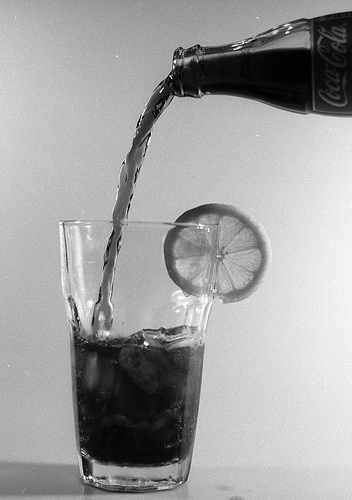
There are heroic moments in life, and then there are tiny kitchen-counter miracles that deserve their own parade. Pouring a fizzy drink into a glass and watching the bubbles rise all the way to the rimhigher, higher, dangerously higheronly for them to stop at the exact last second is one of those miracles. No sticky overflow. No frantic paper-towel sprint. No soda volcano reenactment. Just a perfect crown of bubbles sitting proudly at the top like it knows it nailed the landing.
That is the simple joy behind #833 Pouring a drink where the bubbles go right to the top but not over, a small but strangely satisfying moment from the spirit of 1000 Awesome Things. It is not world peace. It is not finding a twenty-dollar bill in your jacket pocket. But for three glorious seconds, it feels like the universe looked over and said, “Nice pour, champ.”
This article explores why this everyday moment feels so good, what is really happening inside that fizzy glass, and why tiny wins like this can brighten an ordinary day. We will look at carbonation, bubbles, foam, timing, patience, and the very serious emotional importance of not needing to wipe the counter again.
The Tiny Thrill of a Perfect Fizzy Pour
Anyone who has poured soda, sparkling water, kombucha, ginger ale, or a root beer float knows the suspense. The liquid hits the glass. The fizz wakes up. The bubbles start multiplying like they just got invited to a foam party. Suddenly, the drink surges upward and your brain enters full emergency mode.
Do you stop pouring? Do you tilt the glass? Do you whisper encouragement? Do you pretend you meant to do that? For a moment, it is you versus physics, and physics is wearing a mischievous little grin.
Then the bubbles pause. They tremble right at the top, forming a foamy dome that looks impossible. You wait. The foam settles. The drink remains inside the glass. Victory. The crowd in your head goes wild.
That is why this moment works so well as an “awesome thing.” It combines danger, suspense, relief, and reward in a package small enough to happen during lunch. It is a roller coaster for people who are just trying to pour a beverage without ruining the table.
What Makes Bubbles Race to the Top?
Carbonated drinks are fizzy because carbon dioxide gas is dissolved into liquid under pressure. When the container is sealed, the gas stays trapped. Once the bottle or can is opened, pressure drops, and the carbon dioxide begins escaping. That escape is what creates the bubbles we see rising through soda, sparkling water, and other fizzy drinks.
The bubbles do not appear randomly. They usually form at tiny rough spots called nucleation sites. These can be microscopic scratches in the glass, bits of dust, fibers, ice crystals, or rough surfaces inside the cup. The carbon dioxide gathers at these spots, forms bubbles, and floats upward because gas is lighter than liquid.
This is why one glass may produce a calm, elegant sparkle while another behaves like it is auditioning for a disaster movie. A rougher surface creates more places for bubbles to form, which can lead to a more dramatic fizz. Add ice with frosty, uneven surfaces, and the drink may foam quickly. Pour gently into a smooth glass, and the bubbles may behave like tiny polite guests who remembered their manners.
The Foam Is Not Just Showing Off
Foam happens when many bubbles gather at the surface and get temporarily trapped by thin films of liquid. Some drinks create more foam than others depending on ingredients, temperature, carbonation level, and how aggressively they are poured. A cold sparkling water may fizz lightly. A sugary soda poured over ice may rush upward with the confidence of a marching band.
Temperature matters too. Cold liquids hold dissolved carbon dioxide better than warm liquids. That is why chilled carbonated drinks often keep their fizz longer, while warm soda tends to go flat faster. Pressure, temperature, surface texture, and pouring style all join forces in the glass. The result is either a smooth pour or a foamy uprising.
Why Stopping Right Before Overflow Feels So Satisfying
The beauty of the almost-overflow is that it gives us tension without consequences. It is a tiny near-miss. Your brain sees the foam rising and predicts a mess. Then the disaster does not happen. That relief feels good because your nervous system has already prepared for trouble. When trouble cancels its appointment, the moment becomes oddly delightful.
This is the same emotional pattern behind catching something before it falls, arriving at the elevator just before the doors close, or saving a document one second before your laptop starts acting suspicious. The win is small, but the timing is perfect. And perfect timing always feels a little magical.
The bubble moment also gives us instant feedback. You pour, the foam rises, and the result appears immediately. There is no waiting three business days for approval. No tracking number. No password reset email hiding in spam. Just bubbles, gravity, and a glass that somehow contains the chaos.
The Science of a Good Pour
A good fizzy pour is not only luck. It is a quiet partnership between angle, speed, temperature, and glass surface. Pouring slowly gives carbon dioxide less reason to escape all at once. Tilting the glass reduces the impact of the liquid hitting the bottom, which can limit sudden foaming. A clean, smooth glass can also reduce rapid bubble formation because there are fewer rough spots for gas to gather.
That said, the perfect near-overflow has a special charm because it feels partly accidental. If you control the pour too carefully, there is no drama. If you pour too fast, there is a sticky counter and possibly a disappointed sock. The awesome moment lives in the middle: just reckless enough to be exciting, just lucky enough to remain dry.
The Ice Factor
Ice can be a bubble troublemaker. Frosty or chipped ice gives carbon dioxide plenty of tiny surfaces where bubbles can form. That is why pouring soda over a glass packed with rough ice can create a sudden foam explosion. Smooth ice or a gentler pour can calm things down, but part of the fun is watching the bubbles negotiate with the ice cubes like tiny negotiators in a very carbonated boardroom.
In practical terms, if you want less foam, use a chilled drink, pour slowly, and angle the glass. If you want the thrilling “right to the top but not over” experience, pour with confidence, watch closely, and be ready to stop. Congratulations, you are now participating in beverage physics.
Why Small Awesome Things Matter
The original charm of 1000 Awesome Things is its focus on small, familiar joys. These are not luxury vacations or once-in-a-lifetime achievements. They are everyday flashes of delight: perfect timing, tiny surprises, little victories, and moments that make regular life feel less like a spreadsheet and more like a scavenger hunt.
Positive psychology often talks about savoring: the act of noticing and appreciating good experiences while they happen. Savoring does not require a dramatic event. In fact, it often works best with small thingsa good smell from the kitchen, clean sheets, a green traffic light, or bubbles that rise right to the top and behave themselves at the last possible second.
When we notice moments like this, we train attention to catch more of them. That does not mean pretending life is perfect. It means giving tiny good things permission to count. A perfect fizzy pour will not fix a hard day, but it can give the day one bright comma, one little pause, one “hey, that was nice.” Sometimes that is enough to change the flavor of the afternoon.
The Comedy of Almost Making a Mess
Part of the humor comes from how seriously we react. The bubbles climb, and suddenly everyone becomes a beverage engineer. Eyes widen. Hands freeze. Someone says, “Whoa, whoa, whoa,” as if the soda has ears and might respond to verbal coaching.
Then the bubbles stop. Everyone relaxes. The person pouring tries to look calm, as though they planned the whole thing. Of course they did. It was a controlled foam ascent. A precision pour. A domestic masterpiece. Please ignore the fact that one more drop would have turned the table into a sticky skating rink.
This is why the moment is so relatable. It turns a basic task into a mini performance. Pouring a drink becomes suspense theater. The glass becomes a stage. The bubbles become actors with excellent dramatic timing. And the audience, even if it is only you and a sandwich, gets a satisfying ending.
Examples of the Perfect Bubble Moment
The Sparkling Water Cliffhanger
You crack open a cold sparkling water and pour it into a tall glass. The bubbles shoot upward in silvery streams. The foam reaches the rim, puffs up, and stops. The drink looks fancy enough to belong in a restaurant where the menu uses words like “seasonal” and “hand-finished.” You take a sip and feel like a person who has their life together, at least for the next twelve seconds.
The Soda-and-Ice Surprise
You fill a glass with ice, pour soda too quickly, and instantly regret your ambition. The foam rises like it has somewhere important to be. You lift the bottle away, hold your breath, and watch the fizz hover at the top. Somehow it settles. No spill. No cleanup. Your confidence returns immediately, probably too much.
The Root Beer Float Drama
Root beer plus ice cream is basically a science fair project you can eat with a spoon. The foam expands fast, thick, and creamy, rising above the glass like a soft brown cloud. When it stops just before spilling, it feels like dessert has decided to be generous but not rude. That is a rare and beautiful quality in dessert.
How to Appreciate the Moment More
The next time bubbles rise right to the top but do not overflow, do not rush past it. Pause for half a second. Admire the balance. Enjoy the tiny relief. You have witnessed a small negotiation between gas, liquid, glass, gravity, and timing, and somehow everyone left the meeting satisfied.
You can even turn it into a tiny ritual. Pour the drink slowly. Watch the bubbles form. Notice the sound: the bright hiss, the soft crackle, the little fizzing whispers at the surface. Notice how the foam changes from wild to calm. Then enjoy the sip while it is still lively and cold.
This is not overthinking. This is advanced appreciation. Life already gives us enough chores, alerts, forms, updates, loading screens, and mysterious crumbs in the keyboard. When a simple pour becomes entertaining, we should accept the gift.
Why This Belongs on the List of 1000 Awesome Things
The best “awesome things” are usually small enough to fit into anybody’s day. They do not require a big budget, special equipment, or a once-a-year occasion. Pouring a drink where the bubbles go right to the top but not over is universal because almost everyone understands the stakes. The stakes are low, yes, but they are sticky.
It is awesome because it feels like beating the odds. It is awesome because it saves you from wiping the counter. It is awesome because it turns ordinary carbonation into a suspenseful little event. Most of all, it is awesome because it reminds us that joy does not always arrive wearing a tuxedo. Sometimes it shows up as foam at the rim of a glass.
500-Word Experience Section: Personal Moments With the Almost-Overflow Pour
There is a special kind of memory attached to fizzy drinks, and it usually starts with someone saying, “Careful, careful, careful,” about one second too late. Think of summer afternoons when someone opens a cold soda after it has rolled around in a cooler. The can hisses. The tab snaps. Everyone watches with the wary respect usually reserved for volcanoes. Then comes the pour. The bubbles climb fast, bright and noisy, and for a moment the whole picnic table becomes silent. If the foam stops at the top, everyone acts like they just witnessed a successful rocket landing. If it spills, someone laughs, someone grabs napkins, and someone’s elbow becomes mysteriously sticky for the next hour.
At home, the perfect bubble pour can feel like a private victory. Maybe you are making lunch between homework, chores, or a long day of errands. You pour sparkling water into a glass and the bubbles rise nearly over the edge. You stop. The foam settles. Nothing spills. It is not a major achievement, but it gives you the same tiny satisfaction as plugging in a USB cable correctly on the first try. You feel skilled. You feel alert. You feel, for a brief moment, like the chosen one of carbonation.
There is also the restaurant version. The server pours a fizzy drink over ice, and the bubbles rush upward while everyone at the table pretends not to stare. The foam reaches the rim, pauses, and settles back down. Nobody says anything, but the table knows. That was close. A small disaster walked up to the door, checked the address, and left.
Root beer floats create their own category of experience. Add soda to ice cream and the glass becomes a bubbling mountain. The foam rises thick and creamy, and you have to stop pouring, wait, pour again, wait again, and repeat until dessert finally agrees to fit inside the glass. It is part snack, part patience test, part edible science experiment. When the bubbles stop just short of overflowing, it feels less like luck and more like teamwork between you and the float.
The best part is that this little moment never gets old. Even after you understand the sciencecarbon dioxide escaping, nucleation sites forming bubbles, foam collecting at the surfacethe emotional payoff remains. Knowledge does not ruin the magic. It makes the magic funnier. You are not just watching bubbles. You are watching pressure, temperature, surface tension, timing, and human optimism squeeze into one glass without making a mess.
That is why #833 still works. It captures a tiny victory that happens in kitchens, diners, cafeterias, backyards, and birthday parties everywhere. It is the joy of almost chaos. It is the relief of no cleanup. It is the perfect little reminder that some of life’s best moments do not shout. They fizz.
Conclusion: Celebrate the Bubble Line
Pouring a drink where the bubbles go right to the top but not over is a tiny masterpiece of timing. It gives us suspense, relief, science, comedy, and satisfaction in one ordinary glass. Behind the moment are real forces: dissolved carbon dioxide, pressure changes, nucleation sites, foam stability, temperature, and surface texture. But the reason we love it is simpler than the science. It feels good when something almost goes wrong and then beautifully does not.
In a busy world, small awesome things deserve more credit. They remind us to notice the little wins hiding in plain sight. A perfect fizzy pour may last only a few seconds, but those seconds can make the day feel lighter, brighter, and just a little more carbonated.