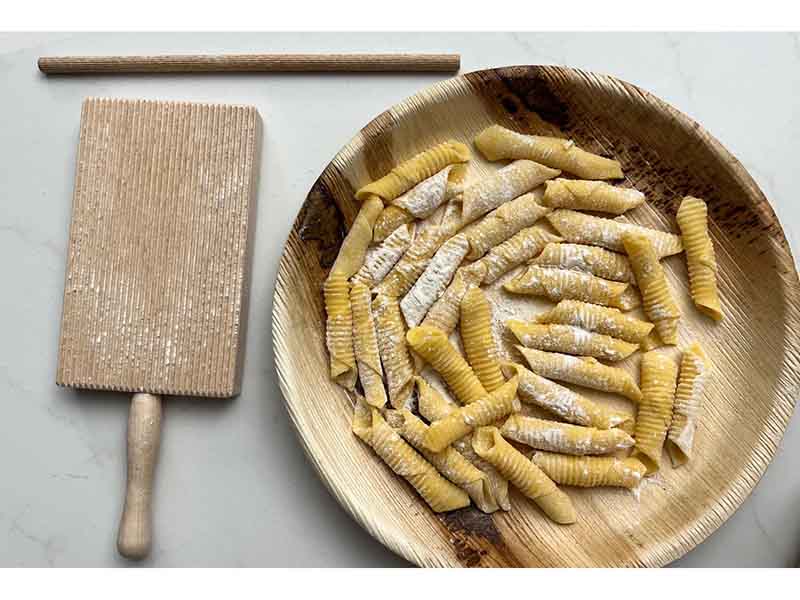

If you have ever looked at a tray of handmade gnocchi and thought, “Those tiny ridges look like they were carved by a very patient pasta fairy,” congratulationsyou have officially met the magic of the Italian gnocchi and garganelli board with rolling pin. This humble wooden tool is not flashy. It does not plug in. It does not beep, blink, or require an app update at the worst possible moment. Yet it can transform a lump of dough into ridged gnocchi, elegant garganelli, rustic cavatelli-style shapes, and a full afternoon of deeply satisfying kitchen theater.
An Italian gnocchi board, sometimes called a rigagnocchi, is a small ridged paddle or rectangular board used to texture pasta dough. Many versions come with a slim wooden dowel or mini rolling pin, which is especially useful for shaping garganellismall ridged pasta tubes from Italy’s Emilia-Romagna tradition. For home cooks, this board sits in that sweet spot between “traditional culinary tool” and “very affordable kitchen upgrade that makes you feel like you inherited secret knowledge from a nonna.”
This guide explores what the board is, how it works, why the rolling pin matters, how to choose one, how to use it for gnocchi and garganelli, and how to care for it so it lasts longer than your latest sourdough phase. We will also include a hands-on experience section at the end, because pasta tools are best understood when flour is on your shirt and dinner guests are politely pretending not to notice.
What Is an Italian Gnocchi and Garganelli Board?
An Italian gnocchi and garganelli board is a small wooden board with parallel grooves cut into its surface. The grooves create ridges in soft dough as you press and roll it. For gnocchi, those ridges give the dumplings their classic textured appearance. For garganelli, the board works with a small dowel or rolling pin to wrap pasta squares into ridged tubes.
Traditional boards are often made from beechwood, walnut, or other smooth hardwoods. Many are compact enough to fit in a drawer, though the prettiest ones tend to migrate to open shelving where they can quietly announce, “Yes, handmade pasta happens here.” Some boards have a handle; others are flat blocks. Some include a small dowel that rests in a groove or storage slot, while others pair the board and stick separately.
The tool is simple, but its value is surprisingly wide. You can use it for potato gnocchi, ricotta gnocchi, pumpkin gnocchi, garganelli, cavatelli-inspired pieces, and other ridged pasta shapes. The board adds texture, improves presentation, and gives sauce more surface area to cling to. In other words, it is not merely decorative. It is pasta engineering in a tiny wooden package.
Why the Ridges Matter
The classic explanation is that ridges help sauce cling to pasta. That is mostly true, but there is a little more going on. When you roll gnocchi over a ridged board, your thumb usually creates a slight hollow on the opposite side. That indentation is a tiny sauce pocket. It catches butter, tomato sauce, pesto, cream, ragù, and all the other delicious things we pretend not to over-serve ourselves.
For garganelli, ridges do double duty. They help the tube hold sauce on the outside, while the hollow center captures sauce inside. This is why garganelli works beautifully with richer sauces such as sausage ragù, prosciutto and peas, mushroom cream, or a silky butter-Parmesan coating. The shape looks refined, but it is also practical: every tube is a miniature flavor tunnel.
Texture also affects mouthfeel. Smooth pasta can be lovely, but ridged pasta feels more rustic and handmade. It tells your guests, “Yes, I spent time on this,” without requiring you to say it out loud. In fact, please do not say it too loudly. Let the garganelli do the bragging.
Gnocchi vs. Garganelli: What Is the Difference?
Gnocchi
Gnocchi are soft Italian dumplings often made from potatoes, flour, and sometimes egg. There are many variations, including ricotta gnocchi, semolina gnocchi, sweet potato gnocchi, and pumpkin gnocchi. The most familiar version in American kitchens is potato gnocchi: tender little pillows that cook quickly and pair beautifully with brown butter, sage, tomato sauce, pesto, or cheese-based sauces.
When using a gnocchi board, the process is straightforward. You roll the dough into ropes, cut the ropes into small pieces, and press each piece down the ridged board with your thumb. The result is a ridged front and a gentle hollow in the back. The goal is light pressure, not a wrestling match. If the dough squishes flat, you are not making gnocchi; you are negotiating too aggressively.
Garganelli
Garganelli are ridged pasta tubes traditionally associated with Emilia-Romagna. They resemble penne, but they are made by rolling small squares of fresh egg pasta around a dowel. The overlapping seam gives garganelli its handmade character. Unlike machine-extruded pasta, each piece carries tiny variations that make the finished dish look charming rather than factory-perfect.
To make garganelli, fresh pasta dough is rolled thin, cut into squares, placed diagonally on the ridged board, and wrapped around the mini rolling pin. As you roll, the board imprints ridges into the pasta while the dowel forms the hollow tube. A little pressure seals the overlapping corner. It sounds fancy, but after a few attempts, your hands learn the rhythm.
Why the Rolling Pin or Dowel Is Important
The rolling pin included with a gnocchi and garganelli board is not the same as the big rolling pin used for pie crusts. It is usually a slim wooden dowel designed to wrap small pasta squares into tubes. Without it, garganelli becomes much harder to shape consistently. You can improvise with a clean pencil, chopstick, or narrow dowel in a pinch, but the dedicated rolling pin feels better, looks better, and does not make your pasta smell faintly like a school supply drawer.
The dowel helps create an even hollow center. It also controls the diameter of the pasta tube. A slightly thicker dowel makes a wider garganelli, which is great for chunky sauces. A thinner dowel creates a tighter tube that works well with smoother sauces. Most home boards include a practical middle-ground size that performs nicely for everyday pasta making.
For gnocchi, the dowel is optional. The board itself handles the shaping. For garganelli, the dowel is essential. Think of the board as the stage and the rolling pin as the choreographer. Together, they turn square pasta into something that looks like it came from a trattoria where the chairs wobble, the sauce is perfect, and nobody counts carbs out loud.
How to Choose a Good Gnocchi and Garganelli Board
1. Look for Solid Wood
Beechwood and walnut are common choices because they are sturdy, smooth, and attractive. A good board should feel solid in the hand without splintery edges or rough grooves. Avoid boards that feel flimsy or unfinished. Pasta dough is delicate, but pasta makers are not always delicate people once the flour starts flying.
2. Check the Groove Depth
The grooves should be deep enough to leave a visible pattern but not so sharp that they tear the dough. Even grooves make for consistent shaping. If you plan to make garganelli often, choose a board with grooves that run cleanly across the shaping surface.
3. Make Sure the Dowel Is Included
If the product title mentions garganelli, confirm that a dowel or small rolling pin comes with it. Some basic gnocchi boards are sold alone. That is fine for gnocchi, but for garganelli you will want the stick. Bonus points if the board has a small slot or storage channel for the dowel, because tiny kitchen tools have a mysterious talent for vanishing.
4. Consider Size and Grip
A compact board is easy to store, while a slightly larger board gives more working room. A handle can help you stabilize the board at an angle. Flat boards are also useful, especially if you like working directly on a large wooden pastry board or countertop.
5. Think About Cleaning
Wooden pasta boards should be easy to brush clean. You want grooves that are defined but not impossible to clear of dried dough. Hand washing is usually best. A dishwasher may be convenient for plates, but it is not kind to wooden tools. Heat and long exposure to water can lead to warping, cracking, or roughness.
How to Use the Board for Potato Gnocchi
Start with a light gnocchi dough. For classic potato gnocchi, use starchy potatoes such as russets. Many experienced cooks prefer baking potatoes instead of boiling them because drier potatoes require less flour. Less flour generally means lighter gnocchi. Too much flour turns the dough heavy and chewy, which is how dinner becomes a potato-flavored stress ball.
Rice or mash the cooked potatoes while they are warm, then mix with flour and a little salt. Some recipes use egg; others skip it for a lighter but slightly trickier dough. Roll the dough into ropes about half an inch thick, cut into small pieces, and dust lightly with flour.
To shape, place one piece of dough near the top of the board. Press gently with your thumb and roll it downward along the grooves. The gnocchi should curl slightly as it rolls. The outside will show ridges, while the back will have a soft indentation. Transfer the shaped gnocchi to a floured tray in a single layer.
Cook gnocchi in salted boiling water. They usually float when they are close to done. Give them a brief moment after floating, then lift them out with a slotted spoon. Toss gently with sauce. Gnocchi are tender creatures. Treat them like edible pillows, not pebbles.
How to Use the Board for Garganelli
For garganelli, start with fresh egg pasta dough. Roll the dough into thin sheets, then cut it into squares. Many home cooks use squares around two inches wide, but you can adjust depending on the size of pasta you want. Keep unused squares covered so they do not dry out too quickly.
Place one square on the board like a diamond, with one corner pointing toward you. Set the small rolling pin across the bottom corner. Fold that corner over the dowel and roll away from you with gentle pressure. As the pasta moves over the grooves, the ridged pattern forms. The top corner overlaps and seals the tube. If the dough is dry, a tiny dab of water can help seal the seam.
Slide the finished garganelli off the dowel and place it on a floured tray. Let the pieces rest briefly before cooking. Fresh garganelli cooks quickly, often in just a few minutes, depending on thickness. Pair it with sauces that can travel through the tube and cling to the ridges. Ragù, butter and sage, peas and prosciutto, tomato cream, or mushroom sauce all work beautifully.
Best Sauces for Ridged Gnocchi and Garganelli
A gnocchi and garganelli board earns its keep when sauce enters the conversation. For potato gnocchi, brown butter with sage is a classic because it coats without overwhelming. Tomato sauce brings acidity and comfort. Pesto settles nicely into the ridges. Creamy Fontina or Parmesan sauces turn gnocchi into a full cozy blanket of a meal.
Garganelli can handle slightly heartier sauces. A pork or sausage ragù catches on the ridges and slips inside the tube. A mushroom cream sauce adds earthiness. Peas, prosciutto, and Parmigiano-Reggiano make a bright, savory combination. For a lighter option, try olive oil, lemon zest, black pepper, and grated cheese.
The rule is simple: if the sauce has texture, fat, or body, ridged pasta will probably make it happier. Smooth sauces work too, but the board really shines when there is something for the ridges and hollows to grab.
Common Mistakes to Avoid
Using Too Much Flour
Too much flour is the fastest way to make gnocchi tough. Add just enough to bring the dough together. The dough should be soft, not sticky enough to haunt your fingers.
Pressing Too Hard
Whether shaping gnocchi or garganelli, gentle pressure is the secret. Pressing hard can flatten gnocchi or tear pasta squares. Let the ridges do their job.
Letting Dough Dry Out
Fresh pasta squares for garganelli can dry quickly. Keep them covered with a towel or plastic wrap while working. Dry dough cracks instead of sealing.
Skipping the Flour Dusting
A light dusting keeps dough from sticking to the board. Too much flour, however, can prevent garganelli seams from sealing. Balance is everything, as in pasta and group texts.
Soaking the Wooden Board
Wooden boards dislike long baths. Clean the board with hot, soapy water when needed, rinse, and dry thoroughly. Brush dried flour from the grooves before washing. Store the board in a dry place with good airflow.
How to Clean and Care for the Board
After shaping pasta, allow any stuck bits of dough to dry slightly, then brush them out with a clean kitchen brush. If the board needs washing, use warm or hot soapy water, rinse well, and dry immediately. Let it air dry completely before storing. Do not leave it soaking in the sink unless your goal is to create modern art titled Warped Pasta Tool, Regret No. 3.
Occasional conditioning with food-safe mineral oil can help keep wooden tools from drying out. Avoid strong-smelling oils such as olive oil, which can become sticky or rancid over time. If the board develops deep cracks, splinters, or hard-to-clean grooves, it may be time to replace it.
Who Should Buy an Italian Gnocchi and Garganelli Board?
This tool is ideal for anyone who enjoys homemade pasta, rustic Italian cooking, or kitchen projects that feel relaxing rather than overly technical. Beginners can use it to make simple gnocchi. Intermediate cooks can explore garganelli. Experienced pasta makers can use it for a variety of ridged shapes.
It also makes a smart gift. Unlike bulky pasta machines, a gnocchi board is small, affordable, and easy to understand. It fits in a stocking, a housewarming basket, or a “please invite me over when you use this” gift bag. For people who already own pasta rollers, it adds a new level of shape-making without requiring more counter space.
Hands-On Experience: A Weekend With the Board
The first time you use an Italian gnocchi and garganelli board with rolling pin, the experience may begin with confidence and quickly move into flour-covered humility. That is normal. Handmade pasta has a way of reminding everyone that the dough is technically in charge. You start by placing the little wooden board on the counter, admiring its neat grooves, and thinking, “How hard can this be?” Then the first gnocco sticks, the second one rolls sideways, and the third looks like it has been through a small emotional crisis.
But after a few minutes, your hands begin to understand. With gnocchi, the motion becomes almost meditative: place, press, roll, lift. Place, press, roll, lift. Each piece gets a little better. The thumb hollow becomes more defined. The ridges become cleaner. The tray slowly fills with tiny dumplings that look charmingly handmade. Not identical, not perfect, but full of personality. Store-bought gnocchi suddenly seems suspiciously quiet by comparison.
Garganelli brings a different kind of satisfaction. The first few pasta squares may refuse to cooperate. One tube might unroll. Another might cling to the dowel as if afraid of adulthood. But once you find the right moisture level and pressure, the process becomes delightful. You place the square like a diamond, catch the corner with the rolling pin, and push forward. In one smooth motion, a flat square becomes a ridged tube. It feels like a tiny magic trick performed for an audience of sauce.
The best part of using the board is that it slows cooking down in a good way. You are not just preparing dinner; you are participating in it. The kitchen gets quieter. The phone stays untouched for a while. Someone may wander in and ask if they can try. Suddenly pasta becomes a group activity, and everyone has an opinion about whose garganelli looks most professional. There will be a clear winner. There will also be a person making pasta tubes shaped like confused seashells. Both deserve applause.
When the finished pasta hits the sauce, the effort makes sense. Gnocchi with brown butter and sage feels soft, rich, and deeply comforting. Garganelli with a meaty ragù feels hearty and elegant, with sauce tucked into the tubes and ridges. Even a simple tomato sauce seems more exciting because the texture changes every bite. The board does not merely make pasta prettier; it makes the meal feel intentional.
Using this tool also teaches patience. The dough rewards gentle handling. The board rewards rhythm. The rolling pin rewards consistency. By the end, you understand why such a simple object has lasted in Italian kitchens for generations. It does not do the work for you. It helps your hands do better work. That is the charm. In a world full of automatic gadgets, the gnocchi and garganelli board remains beautifully manual, slightly messy, and completely worth it.
Conclusion
An Italian gnocchi and garganelli board with rolling pin is one of the most charming tools a pasta lover can own. It is compact, affordable, traditional, and genuinely useful. With one ridged wooden surface and a simple dowel, you can shape tender gnocchi, elegant garganelli, and other sauce-loving pasta forms that bring handmade character to the table.
The board is not about perfection. It is about texture, technique, and the pleasure of making food with your hands. Whether you are preparing a quiet weeknight gnocchi dinner or inviting friends over for a flour-dusted pasta session, this tool adds both function and fun. It proves that great cooking does not always require expensive machines. Sometimes, it only requires dough, wood, patience, and a willingness to let dinner get a little rustic.