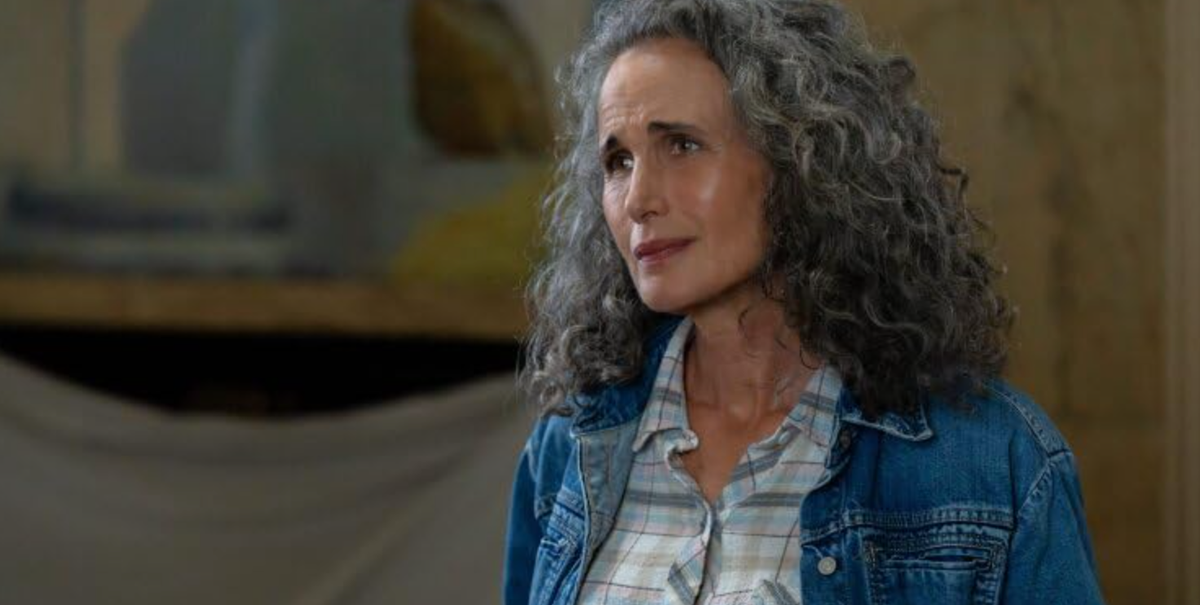

For a show built around a magical pond, time travel, family secrets, and emotional whiplash, The Way Home has always known how to stir up drama. But ahead of Season 3, the biggest plot twist did not come from Port Haven, Jacob’s mysterious past, or Alice’s complicated timeline. It came from Hallmark’s release strategy.
Fans of The Way Home were not exactly sipping tea calmly when they learned that Season 3 was originally set to premiere first on Hallmark+, the network’s streaming service, instead of airing right away on Hallmark Channel. For many loyal viewers, that felt like being told the pond only works if you buy a new subscription. Naturally, the internet had thoughts. Loud ones.
The backlash became so strong that Hallmark reversed course. Instead of making cable viewers wait until later in 2025, Season 3 premiered on Hallmark Channel on January 3, 2025, with episodes streaming the next day on Hallmark+. That decision turned a fan revolt into a rare example of viewers making enough noise to change a network’s mind. In other words: never underestimate Hallmark fans with Wi-Fi and a group chat.
What Was the Huge Change for The Way Home Season 3?
The major change involved where and when fans could watch the new season. Hallmark initially announced that The Way Home Season 3 would debut on Hallmark+ before coming to Hallmark Channel much later. That meant longtime viewers who had watched Seasons 1 and 2 on cable would need access to the streaming platform to keep up in real time.
For some audiences, that may sound normal. Streaming-first releases are everywhere now. But The Way Home is not just any show. It has a deeply loyal fanbase that treats every clue, flashback, family secret, and pond jump like evidence in a very emotional detective case. Asking those fans to wait months or pay for another platform felt less like a scheduling update and more like someone had moved the Landry family farm without warning.
Why Fans Were So Upset
The anger was not simply about technology. It was about habit, loyalty, and access. Many Hallmark viewers still watch the network through traditional cable, live TV streaming bundles, or scheduled weekly viewing. They build routines around premieres, recaps, and online conversations. When a show moves platforms, the viewing experience changes instantly.
Fans also worried about spoilers. The Way Home is a mystery-heavy drama where one reveal can completely reshape the story. If Hallmark+ viewers got episodes long before Hallmark Channel viewers, social media would become a spoiler minefield. And with this series, spoilers are not small. This is not “someone forgot a casserole.” This is “a missing family member may be alive in another century.”
Another frustration was subscription fatigue. Viewers are already juggling Netflix, Hulu, Peacock, Prime Video, Disney+, Paramount+, Apple TV+, and possibly whatever platform their cousin swears is “totally worth it.” Adding one more service just to follow a show they already supported on Hallmark Channel felt like a step too far for many fans.
Hallmark Listened and Changed the Plan
After fan reaction grew, Hallmark announced that Season 3 would premiere on Hallmark Channel after all. The new plan placed the show back on cable beginning Friday, January 3, 2025, at 9 p.m. ET, with episodes available to stream the next day on Hallmark+.
This move mattered because it showed the network understood the relationship between The Way Home and its audience. Hallmark did not just have a casual viewership problem; it had a passionate fandom problem. And in television, passionate fandoms are valuable. They create buzz, rewatch episodes, build theories, recruit new viewers, and keep a show alive between seasons.
Why The Way Home Inspires Such Strong Reactions
Part of the reason fans reacted so intensely is that The Way Home is unusually layered for a Hallmark drama. The series follows three generations of Landry women: Del, Kat, and Alice. Their story combines family conflict, grief, healing, romance, mystery, and time travel through a pond on the family property. Yes, the pond is doing more narrative labor than most supporting characters on television.
The show stars Andie MacDowell as Del Landry, Chyler Leigh as Kat Landry, Sadie Laflamme-Snow as Alice Dhawan, and Evan Williams as Elliot Augustine. Together, they anchor a story that feels cozy on the surface but surprisingly twisty underneath. One minute viewers are watching a mother and daughter argue in the kitchen; the next, someone is jumping into the past and changing how the family understands decades of pain.
Season 3 carried even more emotional weight because Season 2 ended with major questions about Jacob, Kat’s long-lost brother. The series had already explored timelines connected to 1814 and the Landry family’s past. Fans entered Season 3 expecting answers, reunions, heartbreak, and probably at least one moment where everyone yelled, “Do not go back to the pond!” before someone immediately went back to the pond.
Season 3’s Story Raised the Stakes
Once Season 3 arrived, it continued the show’s tradition of answering one question while opening three more. Jacob’s return to the present created emotional complications for Del, Kat, and the entire Landry family. The season also explored the 1970s, giving fans a closer look at younger versions of important characters and the roots of long-buried family history.
That storytelling structure is exactly why fans were so protective of the release plan. The Way Home is not a casual background show. It rewards careful watching. Fans track names, dates, photographs, songs, objects, and suspiciously meaningful glances. A delayed cable release could have split the fandom into two groups: those who knew the answers and those still waiting at the edge of the pond.
The Friday Night Question
Even after Hallmark reversed the streaming-first decision, some fans noticed another change: Season 3 aired on Fridays instead of the Sunday-night rhythm many viewers associated with Hallmark series. That may sound minor, but TV routines matter. Sunday night has long been a comfortable slot for family dramas, especially shows that viewers like to watch live and discuss afterward.
Friday can be trickier. People go out, travel, work late, attend school events, or simply collapse on the couch and forget what day it is. Moving a show to Friday risks changing the communal viewing energy. For a series with a theory-driven audience, the live-watch experience is part of the fun.
Still, compared with waiting months for a cable airing, Friday night was a compromise many fans could accept. It was not perfect, but it was better than feeling locked out of Season 3 entirely.
What the Backlash Says About Streaming Fatigue
The The Way Home Season 3 controversy reflects a larger entertainment trend: viewers are tired of chasing shows across platforms. Streaming was once marketed as simple and convenient. Now, keeping up with favorite series can feel like solving a billing puzzle designed by a raccoon with a spreadsheet.
Networks and studios want to grow their streaming services. That makes business sense. Exclusive content can attract subscribers. But when a beloved show begins on one platform and suddenly shifts to another, fans may feel punished for being loyal. The more emotionally invested the audience is, the stronger the reaction.
Hallmark’s reversal suggests that networks still need to balance streaming goals with audience trust. A streaming platform can expand a show’s reach, but it should not make core fans feel abandoned. For The Way Home, the better strategy became a hybrid release: cable first, streaming next day. That gave traditional viewers access while still supporting Hallmark+.
Why the Fan Campaign Worked
Fan campaigns do not always work. Sometimes viewers complain, hashtags trend, comments pile up, and the network quietly continues doing whatever it already planned. But in this case, the pushback was clear, focused, and connected to a specific decision: fans wanted Season 3 on Hallmark Channel without a long delay.
The request was practical. Fans were not demanding a complete rewrite, a new cast member, or a pond safety inspector. They were asking to watch the show the way they had watched it before. That made the complaint easier for Hallmark to address.
The timing also helped. The reversal happened before Season 3 premiered, meaning Hallmark could turn the moment into positive publicity. Instead of entering the season with angry fans, the network could say it listened. That is a much better headline than “Everyone Is Mad and the Pond Refuses to Comment.”
How Season 3 Changed the Show’s Emotional Direction
Beyond the release drama, Season 3 itself marked a major emotional shift. Jacob’s story moved from mystery to consequence. Del had to face truths she never expected to confront. Kat continued wrestling with love, loss, and the danger of trying to fix the past. Alice, who began the series as a teenager pulled into family history almost by accident, kept growing into someone who understood the emotional cost of time travel.
The series works because its time-travel element is not just a gimmick. The pond is a storytelling device, but the real subject is family memory. What do parents hide from children? What do children misunderstand about parents? How does grief distort the past? And what happens when the past is not gone, but literally waiting a few steps away in the water?
Season 3 leaned into those questions while introducing new complications. It gave fans reunions, revelations, and cliffhangers while preserving the show’s central rule: answers rarely arrive alone.
Why Fans Care So Much About Access
Access is emotional when a show becomes part of someone’s routine. Fans do not just watch The Way Home; they gather around it. They post theories, compare timelines, rewatch scenes, and argue lovingly over character choices. For many viewers, weekly episodes are a shared ritual.
When a network changes access, it changes that ritual. A streaming-first release may be convenient for some viewers but alienating for others. Older viewers, budget-conscious households, and cable-first fans may feel left behind. Younger viewers may not mind streaming, but they still care about synchronized discussion. Nobody wants to enter a fan group and discover that half the members are already three emotional breakdowns ahead.
Examples of Fan Concerns
Common fan concerns included the cost of another subscription, confusion over where episodes would air, fear of spoilers, and disappointment that a Hallmark Channel favorite seemed to be moving away from the channel audience that helped build it.
There was also a sense of fairness. Fans had invested in the show from the beginning. They supported the characters, promoted the series online, and helped turn it into one of Hallmark’s most talked-about dramas. When Season 3 appeared headed toward a streaming-first rollout, many viewers felt as if that loyalty was being tested.
What Hallmark Got Right
Hallmark deserves credit for adjusting. The network could have ignored the complaints and pushed ahead with the original plan. Instead, it restored the cable premiere and gave Hallmark+ a next-day streaming role. That decision protected the show’s core audience while still keeping streaming in the picture.
It also reinforced a useful lesson for entertainment brands: do not surprise loyal viewers with access changes unless the benefit is crystal clear. Fans can handle plot twists. They are less patient with platform twists.
What This Means for Future Hallmark Shows
The Season 3 rollout may influence how Hallmark handles future series. Streaming is not going away, and Hallmark+ will likely remain an important part of the company’s strategy. But the network now has a clear example of how strongly fans may react when a beloved cable series suddenly becomes streaming-first.
A balanced model could be the safest path: premiere episodes on Hallmark Channel, then stream them soon after. That keeps traditional viewers happy, gives streaming users flexibility, and avoids turning every new season into a customer service adventure.
Experience-Based Reflection: Why This Backlash Feels Familiar
If you have ever followed a favorite show closely, the The Way Home Season 3 reaction probably feels familiar. TV fandom is not just about watching episodes. It is about anticipation. It is about knowing that Friday or Sunday night means the next chapter is coming. It is about texting a friend, “Are you watching live?” and then sending twelve messages in a row because one character looked suspiciously at an old photograph.
When a network changes the way a show is released, it can feel oddly personal. Viewers know it is business. They understand that companies need subscriptions, platforms, and strategies. But emotional loyalty does not operate like a quarterly report. Fans remember where they were when a major twist happened. They remember watching a finale and immediately searching for theories. They remember the comfort of returning to familiar characters after a long week.
The Way Home is especially sensitive to this because the show’s entire theme is connection across time. It asks viewers to care about memory, family, and the invisible threads between generations. So when fans felt disconnected from the viewing experience, the frustration hit harder. The show teaches audiences that timing matters. Then the release plan changed the timing. That is practically asking fans to raise an eyebrow.
From a viewer’s perspective, the best release strategy is usually the one that lets the community stay together. Weekly cable premieres create a shared rhythm. Next-day streaming adds convenience. That combination respects both old-school appointment viewing and modern watch-anywhere habits. It says, “Come through whichever door works for you,” instead of, “The door moved, good luck.”
The experience also shows how powerful polite but persistent fan feedback can be. Not every complaint needs to become a digital thunderstorm, but organized reaction can matter when it is specific and reasonable. In this case, fans were not rejecting Hallmark+. They were rejecting the feeling that a show they loved had been moved behind a new barrier. Hallmark listened, adjusted, and likely earned goodwill in the process.
For publishers, bloggers, and entertainment writers, this story is a useful reminder: the business of television is now part of the viewing experience. Audiences care about cast news, plot theories, renewal updates, cancellations, and release platforms. A change in schedule can become a story because it affects how fans participate. The platform is not just a delivery method; it shapes the culture around the show.
For fans, the Season 3 controversy may eventually become a footnote compared with the actual storylines: Jacob’s return, Del’s emotional journey, Kat’s choices, Alice’s growth, and the mysteries still rippling through Port Haven. But it will remain an important example of a fandom speaking up and getting a result. That is rare enough to celebrate.
And honestly, it is very on-brand for The Way Home. This is a series where the past can be revisited, decisions can be reconsidered, and one jump can change everything. Hallmark made a decision, heard the audience, and changed course. No magical pond required.
Conclusion
The uproar over The Way Home Season 3 was about more than a streaming app. It was about loyalty, access, routine, and the way fans experience a mystery-driven family drama together. Hallmark’s original plan to premiere the season first on Hallmark+ angered viewers who had supported the show on Hallmark Channel. The backlash was strong enough that the network reversed course, giving Season 3 a Hallmark Channel premiere with next-day streaming on Hallmark+.
In the end, the controversy may have strengthened the bond between the show and its audience. Fans proved they were paying attention. Hallmark proved it could listen. And The Way Home continued doing what it does best: turning family history, emotional secrets, and impossible timelines into must-watch television.